Curved thick perforated metal plate
High open area heavy-duty perforated metal plate with hexagonal holes
Heavy-duty perforated plate with slotted holes
Thick perforated metal plate with hexagonal holes
Heavy-duty perforated plate

Heavy Duty Perforated Plates

其他信息

Sheet length

≤6000mm, customizable production

Sheet width

≤1500mm, customizable production

Sheet thickness

2.75mm-30mm

Sheet material

Q345 structural steel, mild steel (low carbon steel), stainless steel, aluminum alloy

Hole types

Round holes, square holes, rectangular holes, hexagonal holes, etc.

Hole size

3mm–300mm (Note: Hole diameter must be ≥ sheet thickness)

Please email us with your required specifications based on the above parameters. We will provide customized quotes and manufacturing according to your requirements.

Heavy Duty Perforated Plate is commonly specified as a heavy gauge perforated plate or thick perforated plate when the project requires high rigidity, stable flatness, and reliable strength around the holes. It is a heavy-duty punched plate solution for applications where thin gauge sheets may bend, crack, or deform during service.

Thickness 2.75–30mm is available, with maximum sheet size up to 6000×1500mm (see the specification table above).

Heavy Duty vs Heavy Gauge: What Buyers Mean

In most sourcing scenarios, “heavy duty” refers to performance requirements (strength and durability), while “heavy gauge” describes the thickness category. A heavy gauge perforated plate is typically chosen to achieve a heavy-duty result—especially when impact, vibration, or structural load is involved.

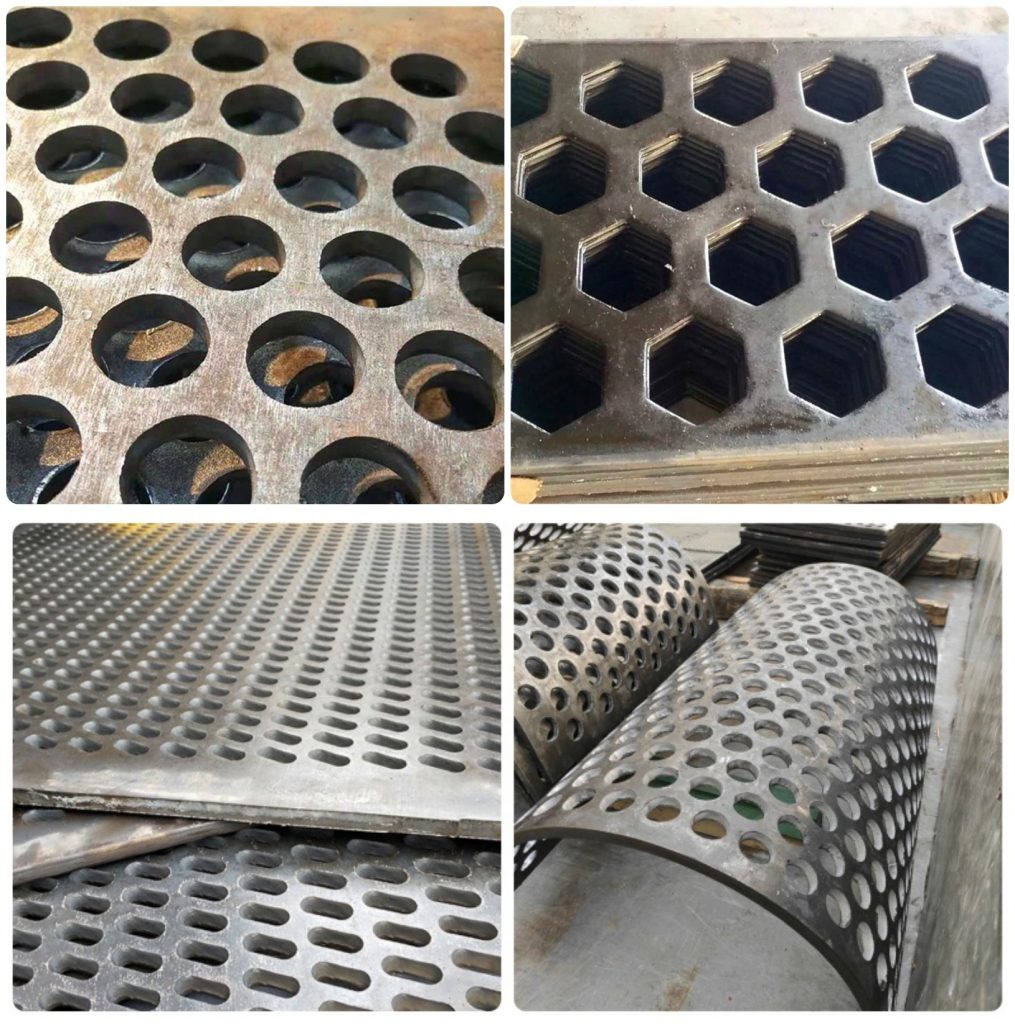
Thick plate perforated plate product display, including round holes, slotted holes, hexagonal holes, and styles bent into arcs

Thick Plate Hole Pattern Engineering (Strength Comes First)

For thick perforated plate design, hole layout is not only about appearance—it determines bridge strength and service life. We can help you balance open area and plate strength by adjusting the key parameters below:

  • Hole diameter vs thickness: a common manufacturing guideline is hole diameter ≥ thickness.
  • Pitch & bridge (ligament) width: optimized to keep enough “steel bridge” between holes for heavy-duty use.
  • Edge margin: suitable edge distance reduces the risk of cracking at plate edges during punching or installation.
  • Layout options: straight or staggered layouts can be selected based on strength and functional needs.

Flatness Control for Heavy Gauge Plates

Dense hole patterns and thick gauge punching can introduce internal stress that may cause warping. For projects requiring better installation fit-up, we can provide leveling/flattening after punching to improve flatness (especially recommended for heavy duty perforated plates with dense perforations).

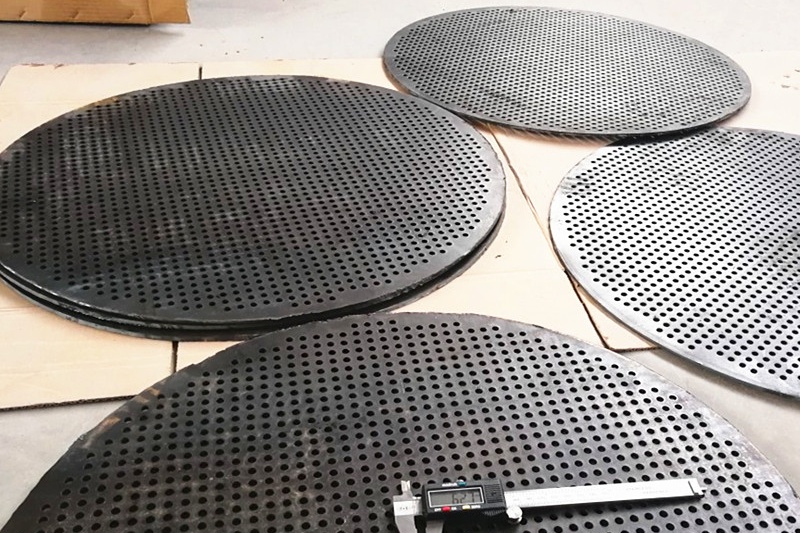
Specify your required diameter: We produce circular thick perforated metal plates to exact dimensions

Material Options (Choose by Environment)

We offer multiple material options for heavy duty / heavy gauge perforated plate projects, such as Q345mild steel (low carbon steel)stainless steel, and aluminum alloy. In general:

  • Mild steel / Q345: cost-effective for heavy-duty structural and industrial use.
  • Stainless steel: preferred for corrosion resistance (outdoor, chemical, wet environments).
  • Aluminum alloy: lighter weight where handling and corrosion resistance are priorities.

Fabrication Options for Installation

To meet real installation requirements, we can supply heavy gauge plates with additional processing:

  • Cut-to-size and custom outline shapes (based on drawings)
  • Deburring / edge finishing for safer handling
  • Bending for guards, covers, and panels
  • Rolling for cylinders and drums
  • Welding and assembly per drawings
  • Surface protection such as sandblasting and protective coating (as requested)
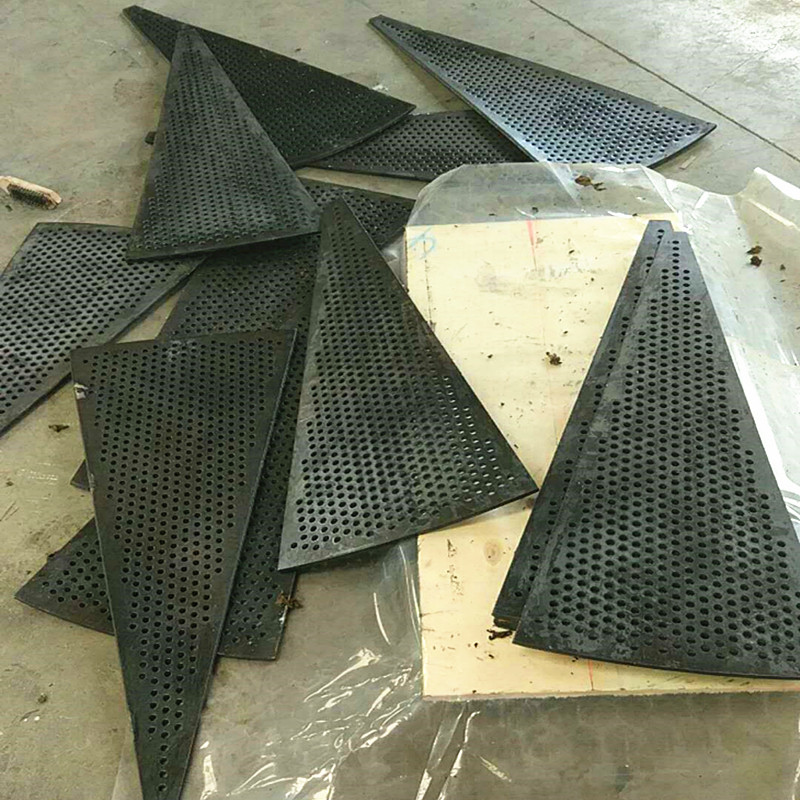
Triangular heavy-duty perforated metal plates; custom shapes available

Fast Quotation Checklist

To quote a heavy duty perforated plate accurately, please send:

  • Plate size and thickness
  • Material requirement
  • Hole type + hole size + pitch (or target open area)
  • Quantity and delivery destination
  • Any fabrication/finishing needs (leveling, cut-to-size, bending, welding, coating)

Email: info@perfsheet.com

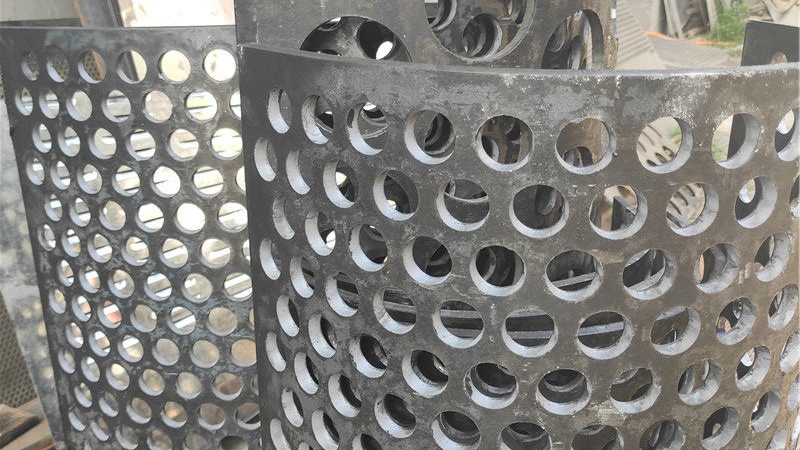
Bent High Manganese Steel Perforated Metal Plate

Bent High Manganese Steel Perforated Metal Plate

Q1: What is a heavy duty perforated plate?
A1: A heavy duty perforated plate is a thick-gauge plate with punched holes, designed for higher rigidity, stronger bridges, and longer service life in demanding industrial environments.

Q2: What is the difference between heavy duty and heavy gauge?
A2: “Heavy duty” describes the application requirement (strength and durability), while “heavy gauge” describes the thickness category. In practice, heavy gauge perforated plate is commonly used for heavy-duty service.

Q3: What thickness range can you make?
A3: We produce thick gauge plates from 2.75mm to 30mm. Tell us your usage and we can recommend a suitable thick plate design.

Q4: What materials do you offer for thick gauge plates?
A4: Q345, mild steel (low carbon steel), stainless steel, and aluminum alloy. Material selection depends on corrosion, weight, and strength requirements.

Q5: What hole types are available for heavy duty applications?
A5: Round, square, rectangular, hexagonal, and other patterns. For heavy-duty designs, we can also optimize layout (straight/staggered) to maintain strength.

Q6: What is the minimum hole size for thick plate punching?
A6: A common guideline is hole diameter ≥ plate thickness. For thick gauge projects, we can advise a practical hole/pitch/bridge combination to ensure strength.

Q7: How do you handle warping on thick-gauge punched plates?
A7: Dense punching can create stress and warping. We can provide leveling/flattening after punching to improve flatness for installation.

Q8: Can you do cut-to-size and fabrication?
A8: Yes. We support cut-to-size, bending, rolling, welding, and surface finishing for heavy-duty plate projects based on drawings.

Q9: What is your typical lead time?
A9: Standard items are usually delivered within 7–10 days. Complex thick-gauge patterns or fabrication may take about 15–20 days.

Q10: What information is needed for a quote?
A10: Plate size and thickness, material, hole type/size/pitch (or target open area), quantity, fabrication/finishing needs, and delivery location.


Heavy Duty Perforated Plate Manufacturing Video

This footage shows the real production process of our heavy duty / heavy gauge perforated plates, including punching, leveling/flattening and fabrication steps used for thick plate projects. Punching process for heavy gauge / thick plate Below is the production video of heavy duty perforated plates (punching process). After perforation, especially for plates with very dense hole patterns, the perforated metal sheets will experience significant deformation. We perform flattening treatment after completing all perforation processes. Below is the video of flattening perforated metal sheets: After the leveling process, our perforated metal sheets can be precisely laser-cut into any custom shape as required. Below is a production video demonstrating the laser-cutting process:

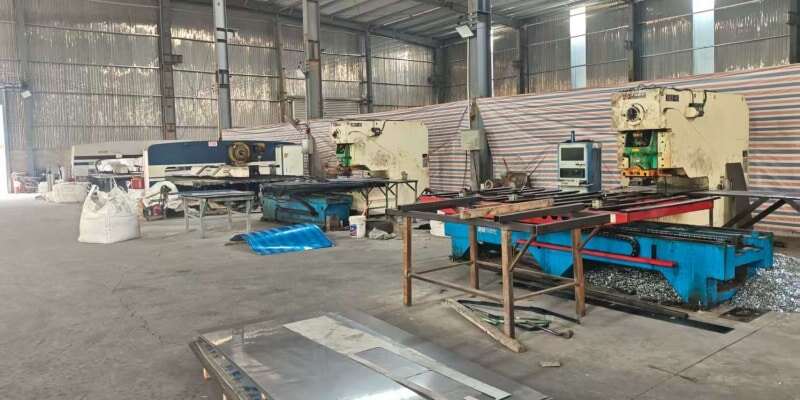
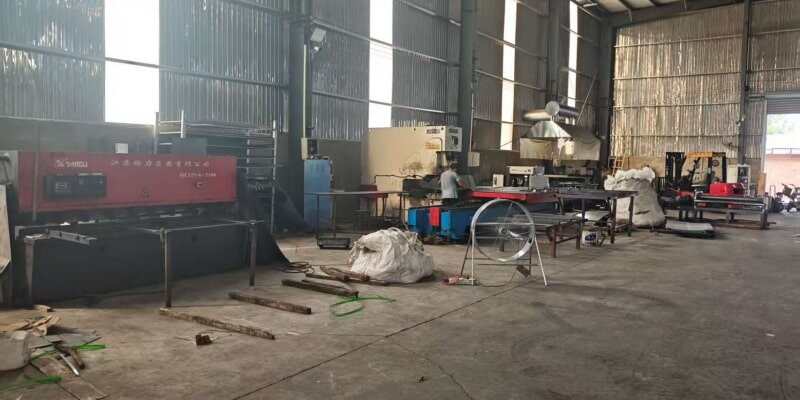
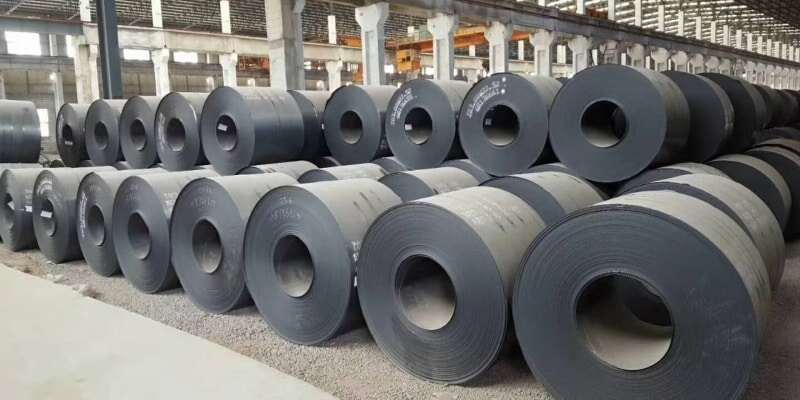
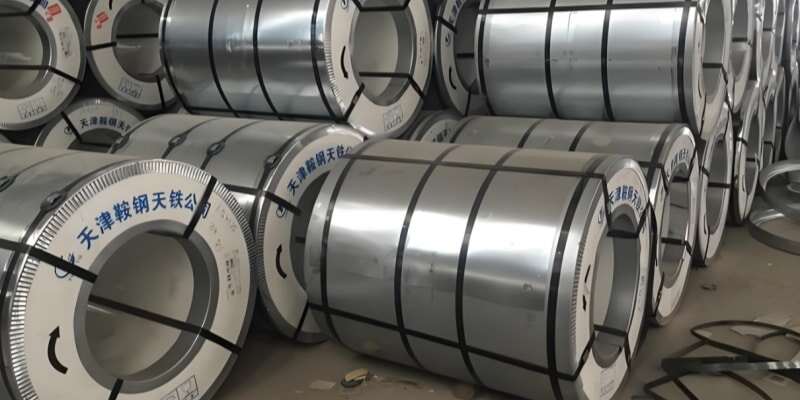
Below are some real-scene displays of our factory

Perforated Metal Sheet Automated Production Workshop Live Footage

Factory workshop Factory workshop

Factory workshop Factory workshop

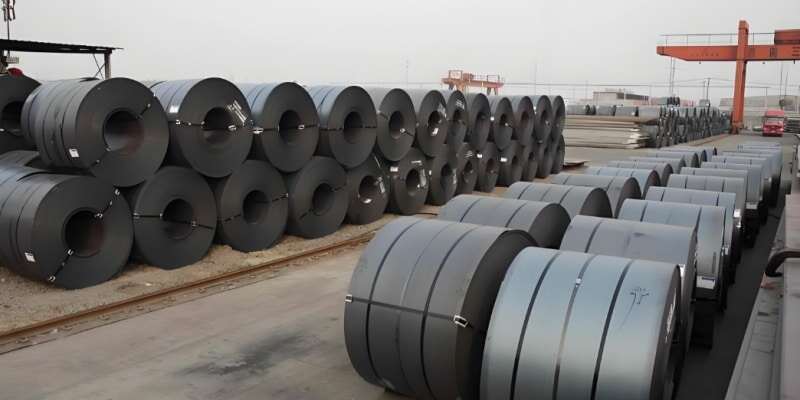
Raw materials Raw materials

Raw materials Raw materials

Raw materials Raw materials