
Related Products
Contact-Us
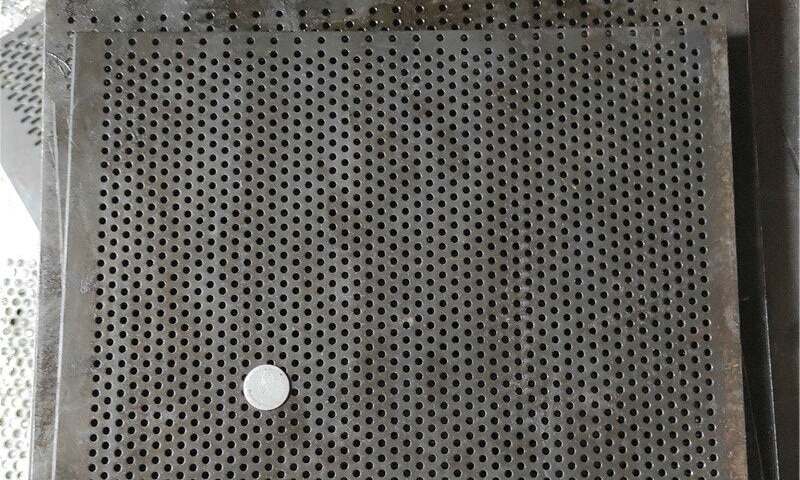
Highly wear-resistant Q355B extra-thick perforated steel plate
Heavy Duty vs Heavy Gauge Perforated Plate: What Buyers Mean and How to Specify

Purpose & concise distinction In procurement and engineering conversations the phrase heavy duty signals an application-level requirement — strength, long-term durability, and resistance to structural loading or abrasive wear — while heavy gauge is a material-level definition referring specifically to sheet/plate thickness. Treat the two as related but not interchangeable: you can have a heavy-gauge […]

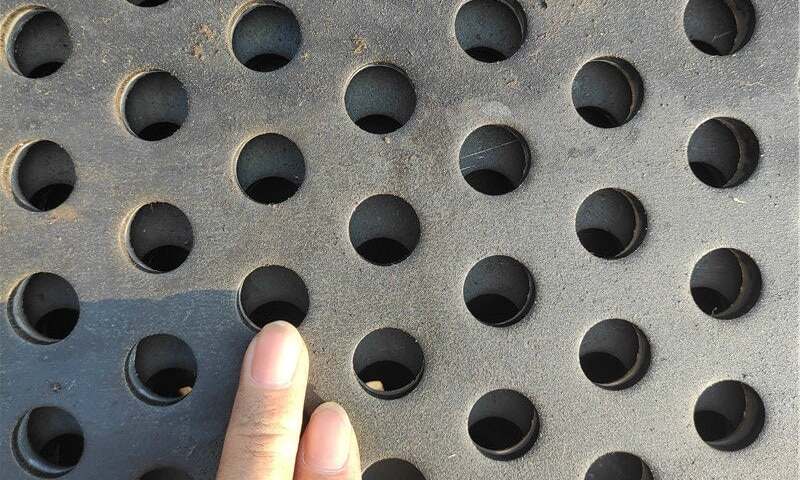
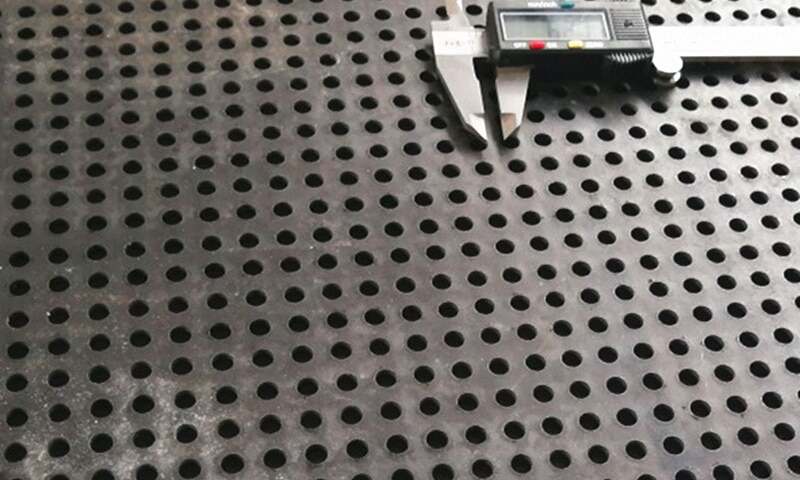
Extra-thick perforated metal plate with small holes
Heavy Duty Perforated Plate Thickness Guide (2.75–30mm): How to Choose

Heavy-gauge perforated plates are chosen to carry loads, resist deflection and deliver long service life in industrial settings. This guide explains how to select heavy duty perforated plate thickness based on three practical variables — applied load, unsupported span, and installation method — and calls out frequent specification errors engineers and purchasers make. For product-specific […]

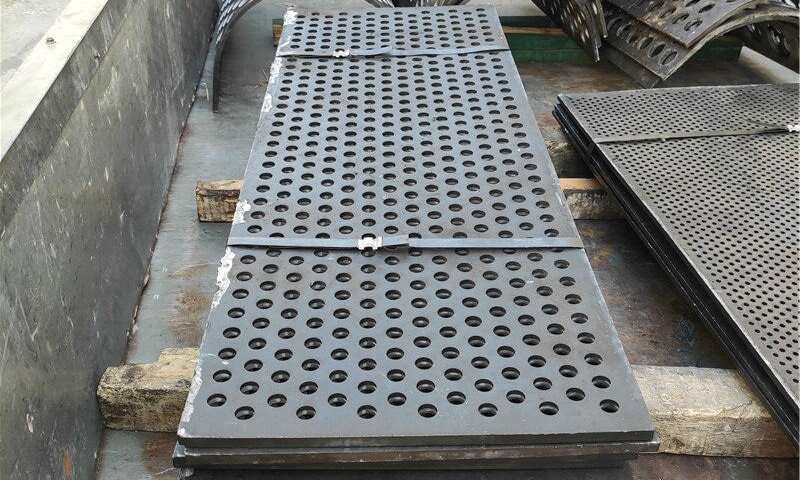
thick-gauge perforated plate
Heavy Duty Perforated Plate Manufacturer: 2.75–30mm Thick Plates, Custom Holes

We provide a capability overview for heavy-duty perforated plates used in heavy industry and infrastructure applications. Our manufacturing focus is thick-gauge punched plate designed for long service life under high loads, abrasion and cyclic stress. For full product specs and standard factory options, see heavy duty perforated plate manufacturer. Thickness & tolerances Thickness range and […]

Customized heavy-duty perforated metal plate made to customer specifications
Fast RFQ Checklist for Heavy Duty Perforated Plates

A concise checklist that helps engineers, buyers, and contractors get faster, more accurate quotes for heavy duty perforated plates. Provide the items below in your initial RFQ so suppliers can price, confirm lead time, and verify manufacturability without repeated follow-ups. 1. Application & Service Conditions — Why it matters 2. Material Grade & Mechanical Requirements […]

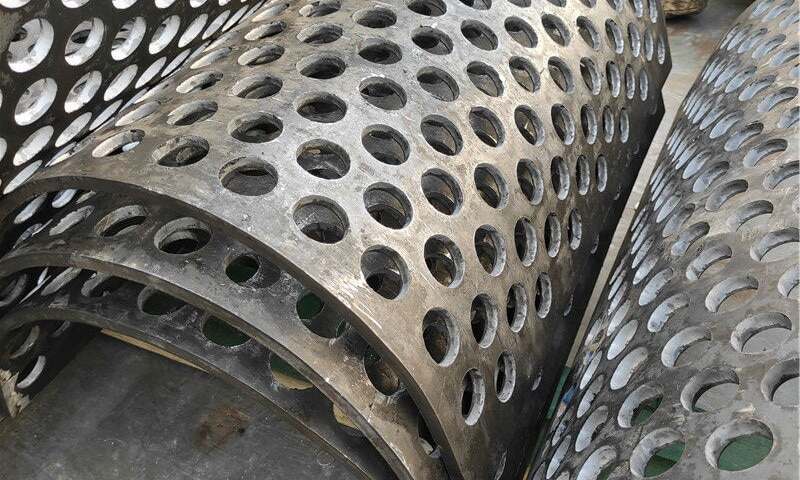
Curved Q355 heavy-duty perforated plate with excellent wear resistance for crusher screen applications
Q355 vs Mild Steel — how to avoid choosing the wrong material

Choosing the right base material for a heavy perforated plate is not just a matter of buying “stronger steel.” Engineers and buyers must balance yield and tensile strength, ductility, fabrication cost, and how the plate will be punched, supported and maintained in service. Below is practical, engineer-oriented guidance you can apply when specifying a heavy […]

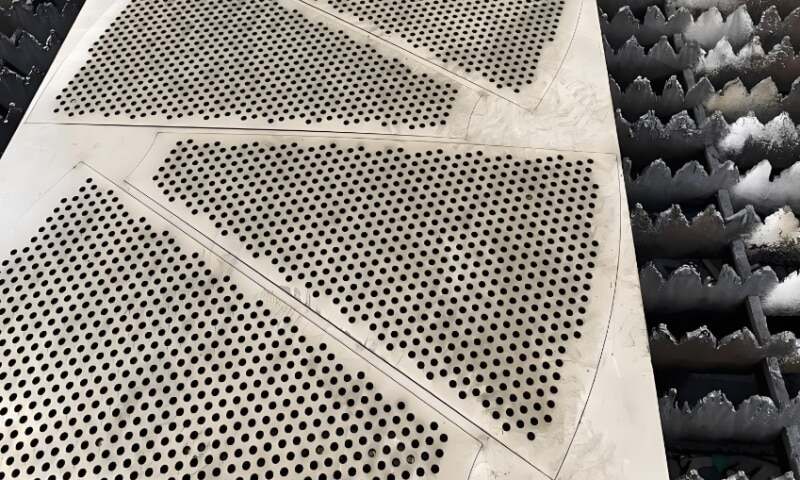
Sector-shaped heavy-duty stainless steel perforated plate laser-cut after three-roll leveling machine processing
Cut-to-Size Thick Perforated Plates: Heavy Press Punching + Three-Roll Leveling + Laser Profiling

This article explains a shop-proven production workflow for manufacturing a cut-to-size thick perforated plate used in heavy-duty industrial and structural applications.For thick-gauge and heavy plates, perforation, flatness correction, and final shape control must be handled as separate, purpose-driven steps rather than combined into a single process. Heavy-duty press punching for thick perforated plates For thick […]

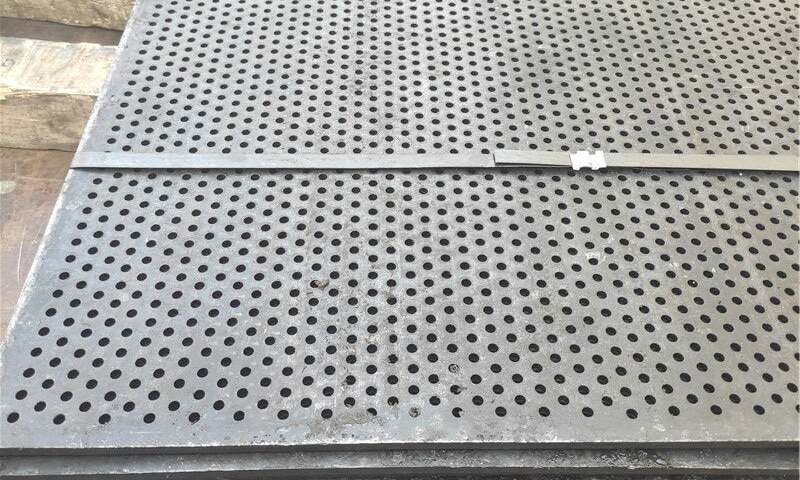
Heavy-duty perforated plate after leveling treatment
Heavy Duty Perforated Plate Flatness Control: Leveling After Punching Explained

Thick perforated plates are never perfectly flat — and that is normal In industrial applications, heavy duty perforated plates are punched from thick gauge steel to meet strength, wear, and service-life requirements.After punching, a certain degree of bow, edge lift, or slight twist is inevitable. This is not a manufacturing defect.It is a natural result […]

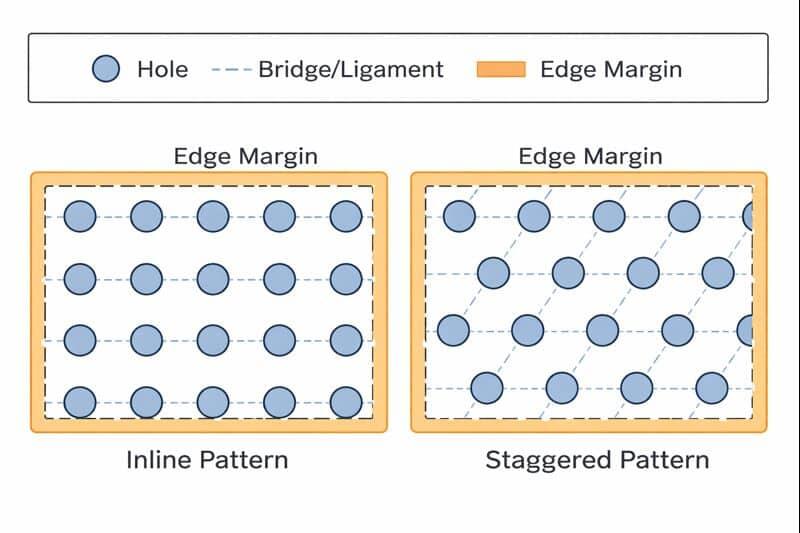
Schematic diagram of hole diameter, pitch and pattern arrangement
Pitch & Bridge Design for Heavy Gauge Perforated Plates: How to Keep Strength Around Holes

Pitch, Bridge (Ligament) and Edge Margin — why they matter A perforated plate’s load capacity and long-term durability come from three geometric elements: the hole pitch (center-to-center spacing), the bridge or ligament between holes, and the edge margin (distance from perforation pattern to the panel edge or a mounting/weld zone). When you change one of […]

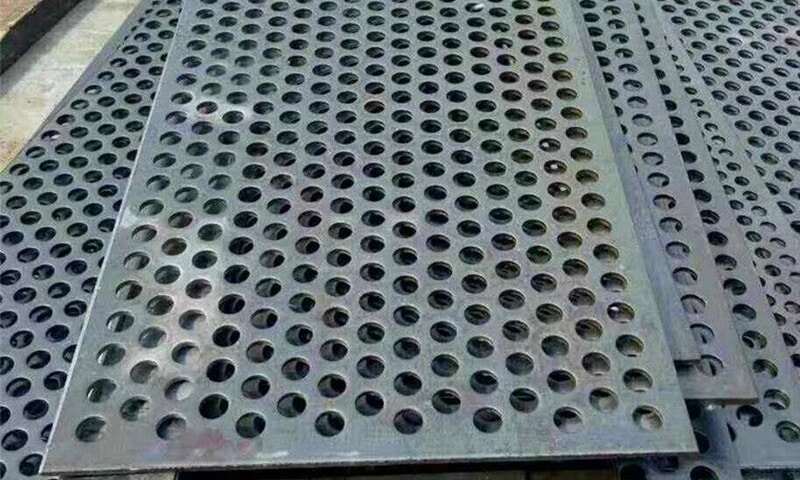
Custom heavy-duty round-hole perforated metal plate
Thick Plate Perforation Hole Size 3–300mm: Practical Limits & the “Hole ≥ Thickness” Rule

Practical manufacturing rule: hole ≥ thickness For heavy-gauge perforated work, a widely used rule of thumb is that the hole diameter should not be smaller than the plate thickness. This guideline exists because punching a hole that is smaller than the plate thickness concentrates shear and bending inside the punch/die pair, which increases burrs, tool […]

Heavy-duty perforated metal plate with 20% open area
Custom Heavy Duty Perforated Plate Hole Patterns: Round, Hex, Slotted (Strength Comes First)

Introduction — strength-first hole patterning This short technical note explains why hole geometry is an engineering decision, not decoration, when designing custom heavy duty perforated plate hole patterns for structural and long-service industrial applications. Engineers and buyers specifying thick, load-bearing panels must balance open area, material ligament, edge distance, and punching/manufacturing feasibility to avoid local […]