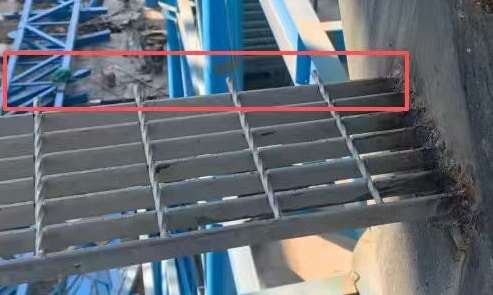
Please email us with your required specifications based on the above parameters. We will provide customized quotes and manufacturing according to your requirements.
Perforated Safety Grating – Anti-Slip Metal Planks for Walkways & Stair Treads
What Is Perforated Safety Grating?
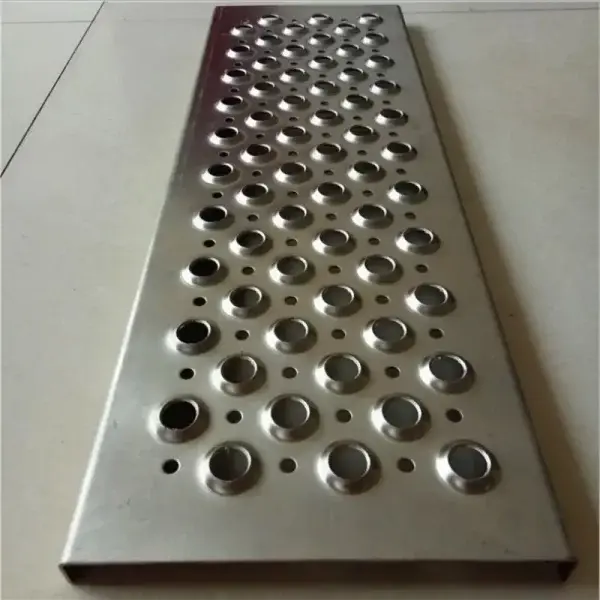
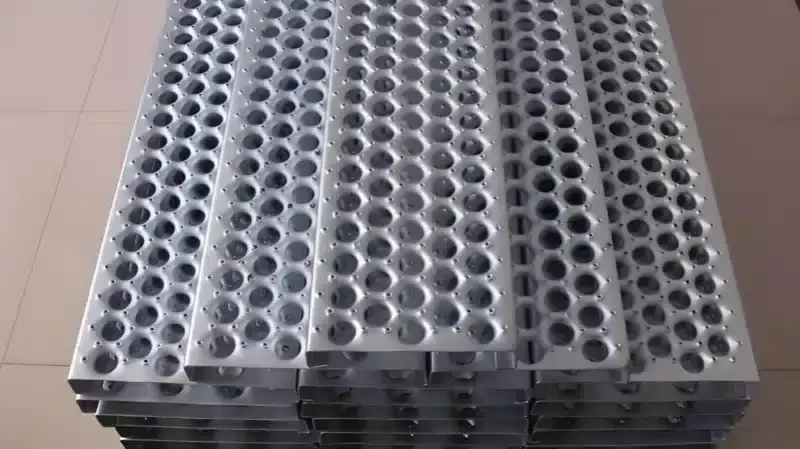
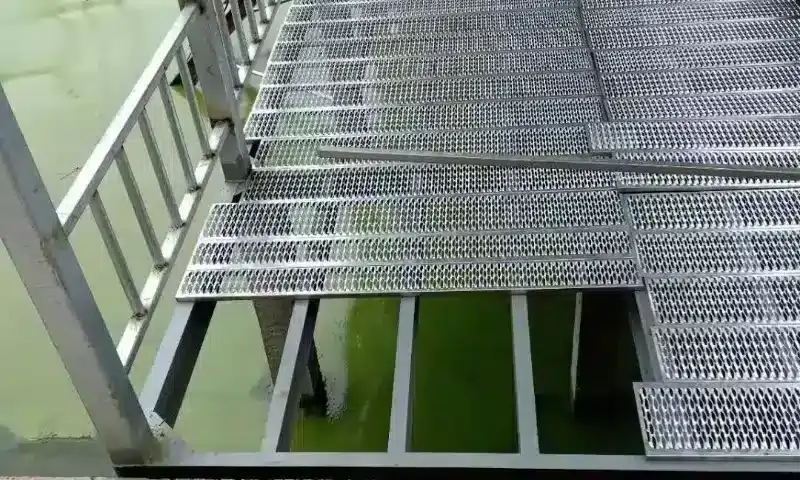
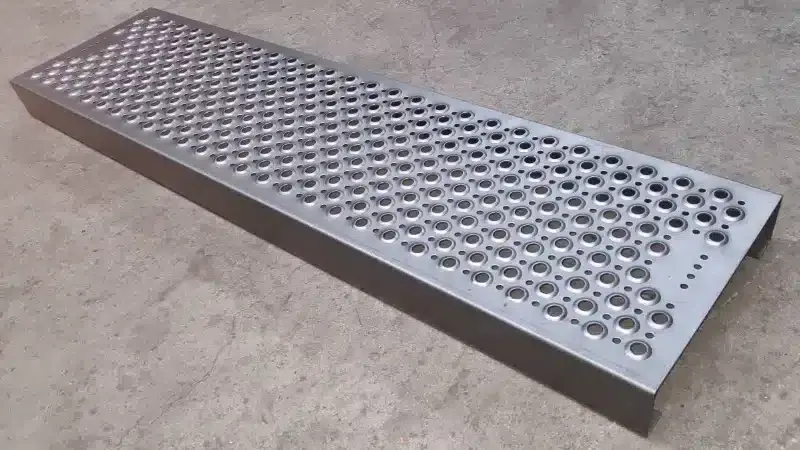
Perforated Safety Grating is an anti-slip perforated metal plank or flooring panel designed for industrial walkways, stair treads, platforms, and access areas. It provides excellent traction, drainage, and load-bearing strength for both industrial and commercial use. For projects that also require standard perforated metal sheets or decorative perforated panels, we can match the same material and hole patterns to maintain a consistent appearance across stairs, platforms, and enclosures.
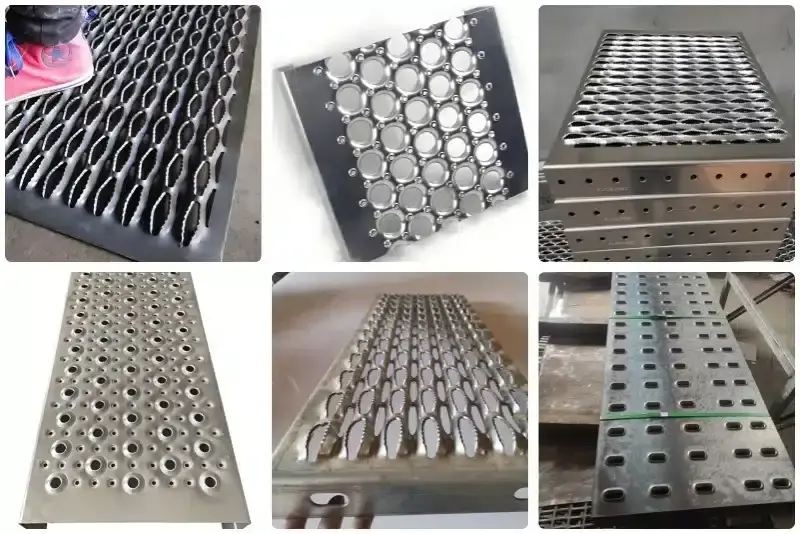
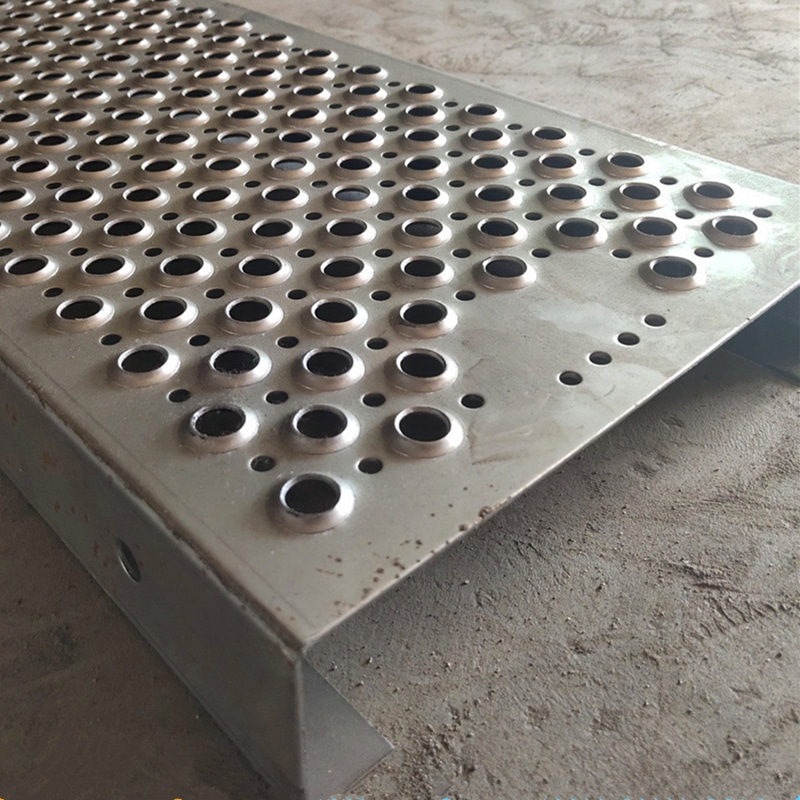
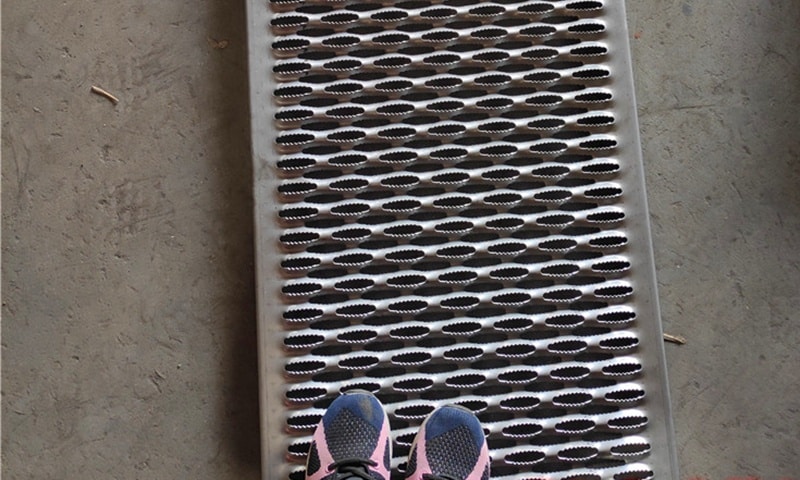
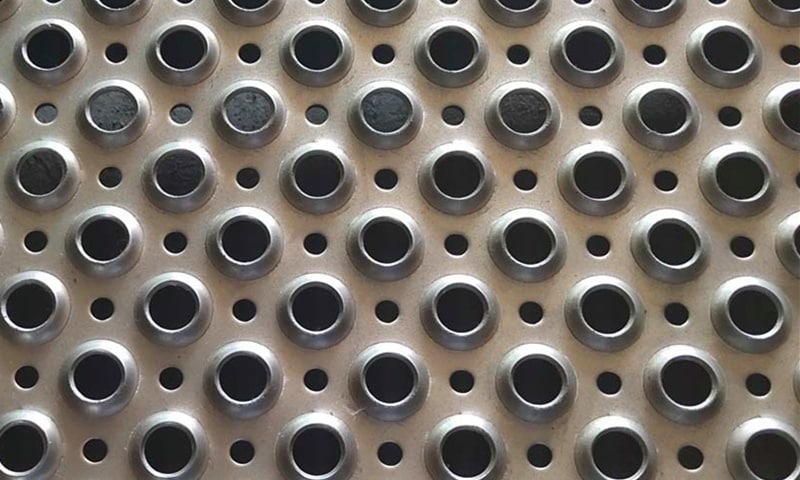
Each perforated safety grating plank is manufactured from carbon steel, stainless steel, or aluminum using precision punching and forming. Serrated holes, embossed dimples, or raised perforations are selected based on walkway conditions such as oil or water drainage, foot traffic intensity, and cleaning requirements.
These features provide exceptional slip resistance, even in oily, wet, or icy industrial environments.
This versatile product is also referred to as anti-slip metal grating, perforated metal walkway plank, serrated metal plank, or embossed perforated walkway panel.
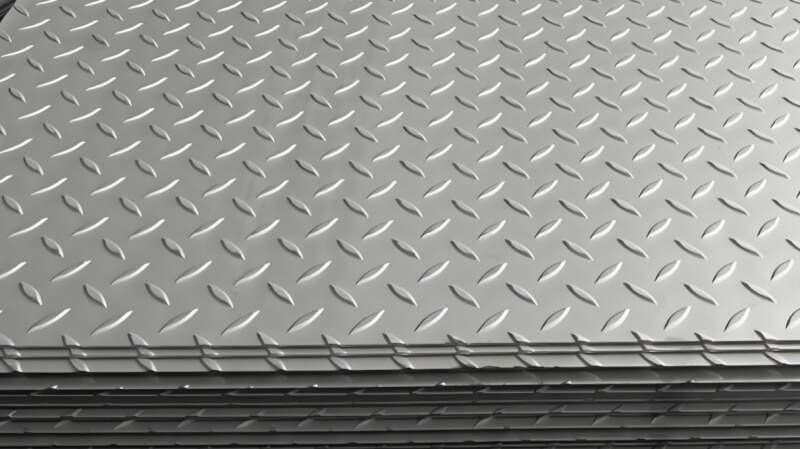
It is a reliable alternative to traditional diamond plate, expanded metal, or welded grating where slip resistance and drainage are critical. When a walking surface must remain grippy, self-draining, and comfortable underfoot, perforated safety grating is often the preferred choice for stairs, platforms, and access ways.
Key Benefits of Perforated Safety Grating
Superior Slip Resistance – Serrated or embossed perforations provide secure footing for walkways and stair treads in all weather conditions.
Drainage & Debris Shedding – Open perforations allow liquids, dust, and debris to pass through, reducing buildup on walkways and platforms.
Lightweight but Strong – Excellent strength-to-weight ratio with efficient load capacity for industrial walkways.
Corrosion Resistant – Available in galvanized steel, stainless steel, or aluminum for long service life in harsh environments.
Low Maintenance – Self-draining perforated design reduces dirt accumulation and ice formation on walking surfaces.
Customizable Options – Material, hole shape, plank size, edge treatment, and surface finish can be tailored to your project requirements.
Typical Applications
Industrial walkway planks and maintenance platforms
Stair treads, ladder steps, and access stairs
Catwalks, mezzanines, and elevated walkways
Offshore walkways and marine platforms
Construction access planks and scaffolding
Truck, trailer, and railway step treads
Public utility ramps and pedestrian crossings
Food, chemical, and processing plants (with stainless steel)
Materials & Surface Finishes
Material
Description
Carbon Steel (Mild Steel)
Economical and durable, ideal for general industrial flooring. Usually hot-dip galvanized for corrosion resistance.
Stainless Steel (304 / 316)
Excellent corrosion and chemical resistance. Type 316 recommended for marine or high-saline environments.
Aluminum (6000-Series)
Lightweight and corrosion-resistant. Perfect for portable walkways and structures where weight reduction is essential.
Available Finishes: Hot-dip galvanized, electro-galvanized, anodized (for aluminum), powder coated, or plain uncoated surface for painting or temporary use.
Standard & Custom Sizes
We provide standard and fully customized perforated gratings according to your drawings or requirements. To quote accurately, please include the application (walkway or stair tread), plank width and length, thickness, preferred surface style, and the support span or expected load. If you have a sketch, photos of the existing step, or a simple drawing, that works as well.
Parameter
Range
Width
50 mm – 300 mm (plank) / 250 mm – 400 mm (stair tread)
Length
500 mm – 3000 mm
Thickness
1.5 mm – 4.0 mm
Hole Types
Round, oblong, square, diamond, or serrated punched holes
Edge Options
Square cut, folded nosing, welded back plate, or pre-drilled edges
Safety & Installation
Load Bearing: Ensure the panel is properly supported at intervals suitable for the material thickness and span length. If you are unsure about span and load capacity, share the support spacing and intended traffic type (pedestrian, equipment, or vehicle steps), and we will recommend a suitable thickness and edge option.
Fastening: Can be fixed with bolts, rivets, or welding. Pre-drilled holes are available on request.
Slip Resistance: Serrated or embossed perforations enhance traction and reduce accident risk.
Edge Treatment: Folded or bull-nosed edges improve rigidity and minimize trip hazards for stair use.
Comparison with Similar Products
Product Type
Features
Limitation
Diamond Plate / Checker Plate
Solid raised pattern, easy to clean.
Poor drainage, slippery when wet.
Expanded Metal Grating
High rigidity, good drainage.
May be rough on footwear; limited anti-slip bite.
Perforated Safety Grating (This Product)
Excellent slip resistance, drainage, and custom design flexibility.
Factory-direct manufacturing — competitive pricing and quality assurance
Flexible customization — any size, shape, or material available
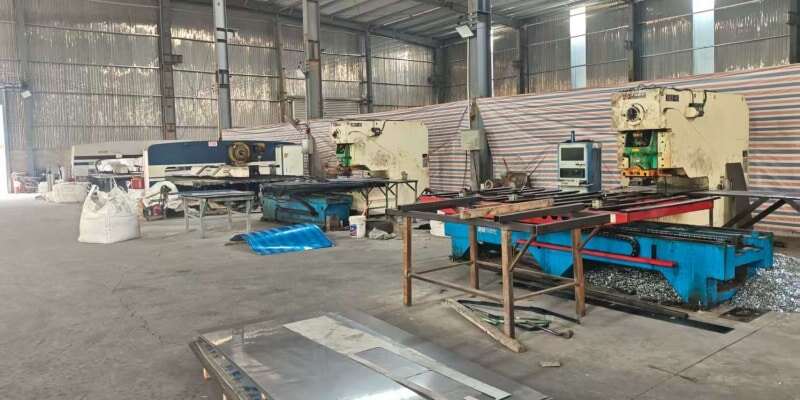
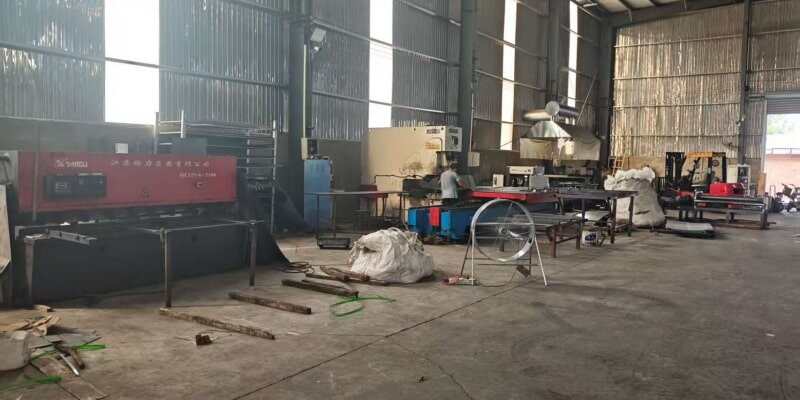
Advanced punching & forming equipment for high precision
Fast production and on-time global delivery
Strict quality control with dimensional inspection before shipment
Contact Us
Address: Chengdong Industrial Park, Anping County, Hengshui City, Hebei Province, China Email:info@perfsheet.com
Get a Quote Now Send your material, surface style, and dimensions to info@perfsheet.com. We’ll confirm details and respond with a quote and a simple production drawing for approval.
Page views:1,392
Q1: What is perforated safety grating used for?
A: Perforated safety grating is mainly used for industrial walkways, stair treads, catwalks, platforms, and maintenance access flooring where anti-slip performance is required. Its anti-slip perforated surface provides safe footing even in wet, oily, or icy environments.
Q2: What materials are available for perforated safety gratings?
A: Common materials include carbon steel (usually hot-dip galvanized), stainless steel (304 or 316), and aluminum (6000-series). Each material is selected according to the corrosion level, weight requirement, and environment.
Q3: What are the advantages of perforated safety grating compared to diamond plate or expanded metal?
A: Perforated safety grating offers better slip resistance and drainage than diamond plate, and a smoother, more comfortable walking surface than expanded metal. It combines high strength with lightweight design.
Q4: Can perforated safety gratings be customized?
A: Yes. We can customize the hole shape, size, spacing, plank width, length, thickness, edge style, and surface finish based on your drawing or sample. One-piece orders and large-volume production are both supported.
Q5: How is perforated safety grating installed?
A: It can be installed using bolts, rivets, or welding. Pre-drilled mounting holes are available for quick installation. Proper support intervals should be maintained according to the span and load capacity.
Q6: What finishes are available for corrosion protection?
A: Common finishes include hot-dip galvanizing, electro-galvanizing, powder coating, anodizing (for aluminum), and plain surface for painting or temporary installation.
Q7: How do you ensure the quality of your perforated gratings?
A: Every product undergoes dimensional and surface inspection before shipment. We follow ISO manufacturing standards and can provide inspection reports or certificates upon request.
Q8: Do you export perforated safety gratings internationally?
A: Yes. As a factory located in Anping County, Hebei, China, we supply perforated safety gratings to customers worldwide with secure export packaging, labeling, and flexible shipping options.
Installation
Confirm support frame and span capacity based on walkway or stair load requirements.
Cut panels/planks to length if necessary (factory cutting recommended for precise edges).
Pre-drill or use supplied hole patterns for mechanical fasteners.
Tighten fasteners uniformly; for marine or corrosive sites use stainless fasteners.
Seal any welded areas and re-coat as required.
Maintenance
Regular cleaning to remove grit and grease from walkways and stair treads.
Inspect fasteners and galvanizing for corrosion; touch up or recoat as necessary.
perforated Safety Grating Bending Process Video Generation
After perforation, especially for plates with very dense hole patterns, the perforated metal sheets will experience significant deformation. We perform flattening treatment after completing all perforation processes. Below is the video of flattening perforated metal sheets:
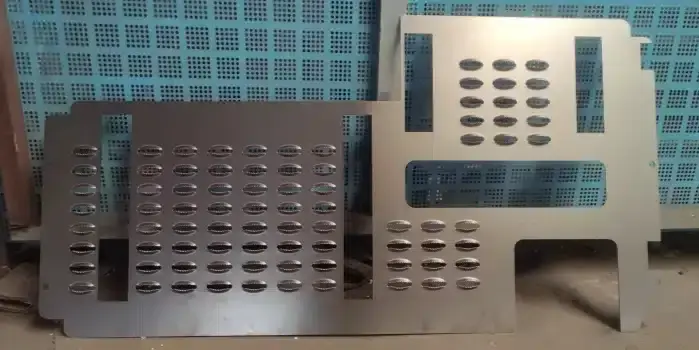
After the leveling process, our perforated metal sheets can be precisely laser-cut into any custom shape as required. Below is a production video demonstrating the laser-cutting process:
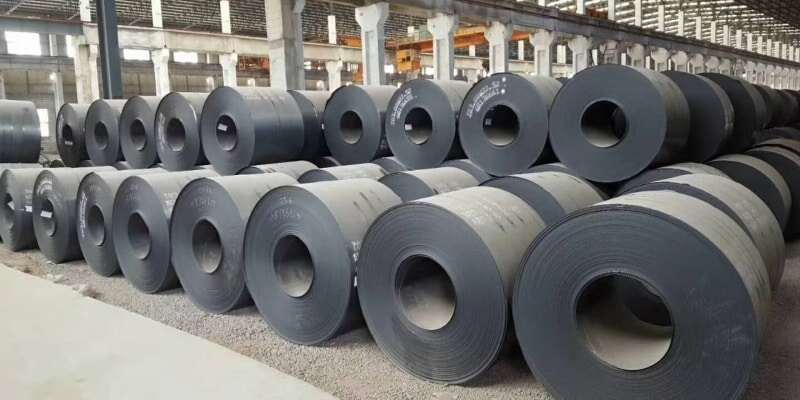
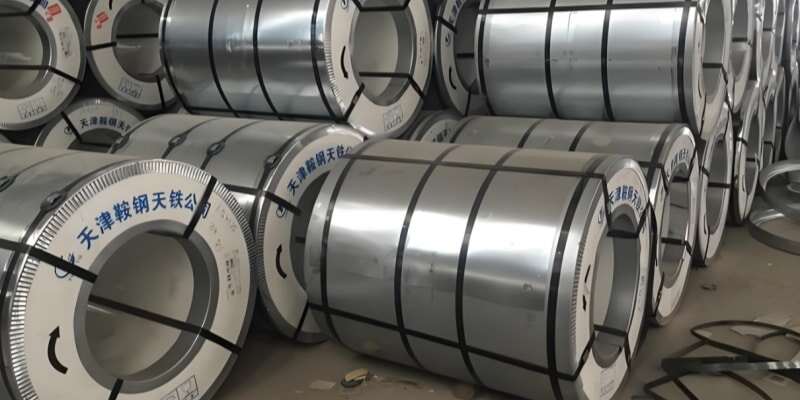
Below are some real-scene displays of our factory
Perforated Metal Sheet Automated Production Workshop Live Footage