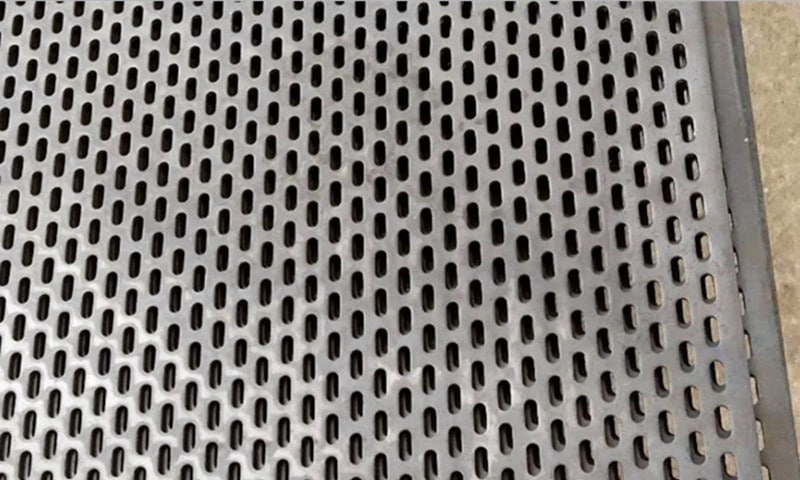
Why Industrial Stair Treads Safety Grating Matters in Multi-Level Factories
Modern factories often use multi-level platforms, mezzanines, maintenance decks, and production areas to maximize available space. In these environments, stair systems are exposed to continuous foot traffic, equipment movement, and demanding operating conditions.
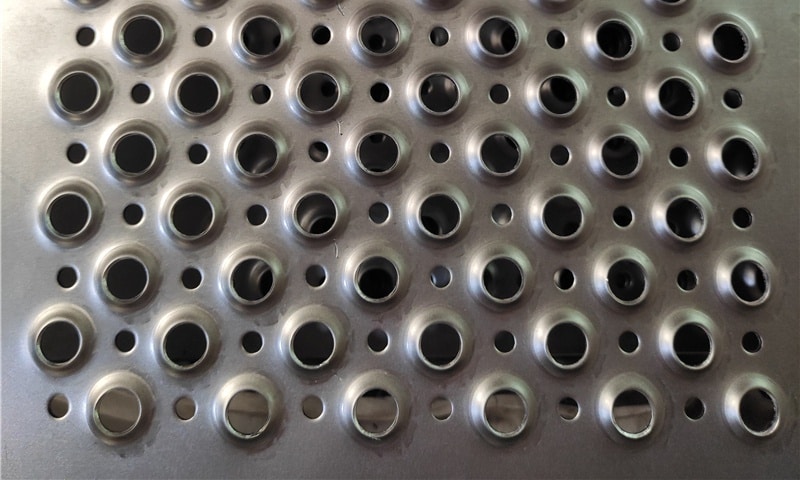
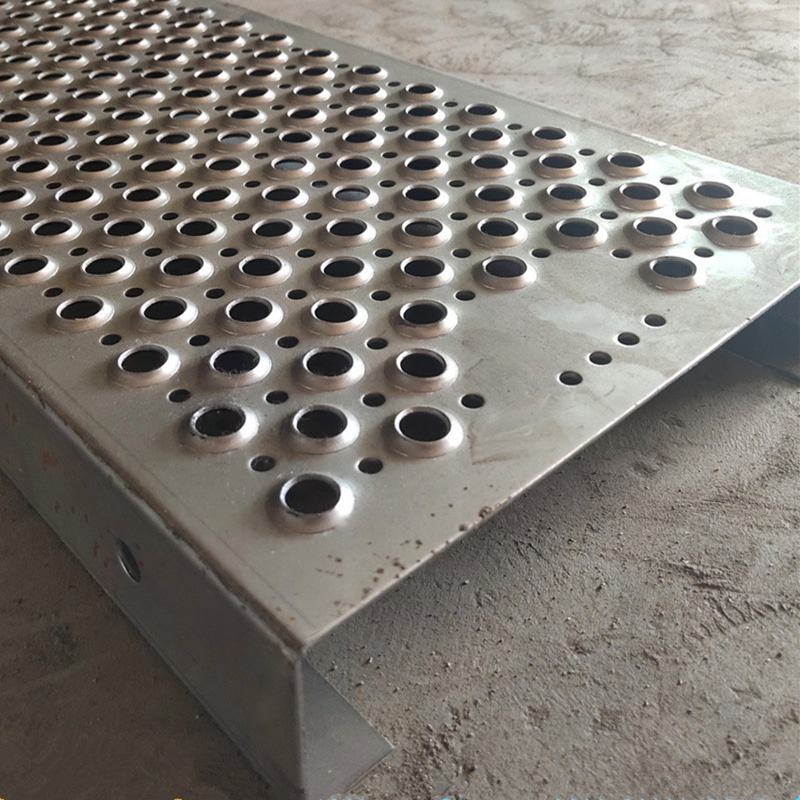
Industrial Stair Treads Safety Grating provides a reliable walking surface where durability and safety are equally important. Unlike standard stair materials that may wear down or become slippery over time, perforated grating is designed to maintain traction while allowing debris, oil, and water to pass through the surface.
For facilities operating under heavy-duty conditions, the performance of stair treads directly affects worker access, maintenance efficiency, and long-term infrastructure reliability.
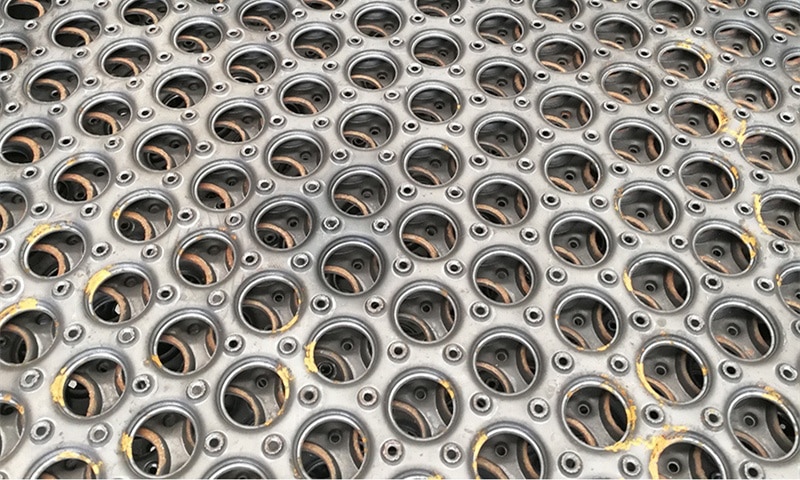
Wear Resistance Under Continuous Industrial Use
How Material Selection Affects Stair Tread Service Life
Factory stair treads are rarely used under light conditions. Operators, maintenance teams, and contractors may access the same stairways hundreds of times each day. Over time, repeated loading and surface abrasion can affect tread performance.
The durability of Industrial Stair Treads Safety Grating depends on several manufacturing factors, including material grade, thickness selection, perforation design, and surface treatment. Carbon steel, galvanized steel, and stainless steel options each provide different levels of corrosion resistance and mechanical strength depending on the working environment.
In areas with forklifts, metal components, or abrasive materials nearby, selecting the correct tread structure helps reduce premature deformation and surface damage.
Fatigue Resistance in Heavy Load Applications
Understanding Repeated Stress on Industrial Stair Systems
Heavy-duty factories create different challenges compared with commercial buildings. Industrial stair treads experience repeated dynamic loads rather than occasional static weight. Workers carrying tools, equipment transportation, and vibration from nearby machinery can contribute to long-term fatigue stress.
A properly engineered safety grating tread distributes loading through its structural pattern, reducing concentrated stress points. The connection between the tread plate, supporting framework, and installation method also plays an important role in maintaining stability over years of operation.
Manufacturers must consider not only the maximum load rating but also how the product performs after thousands of repeated loading cycles.


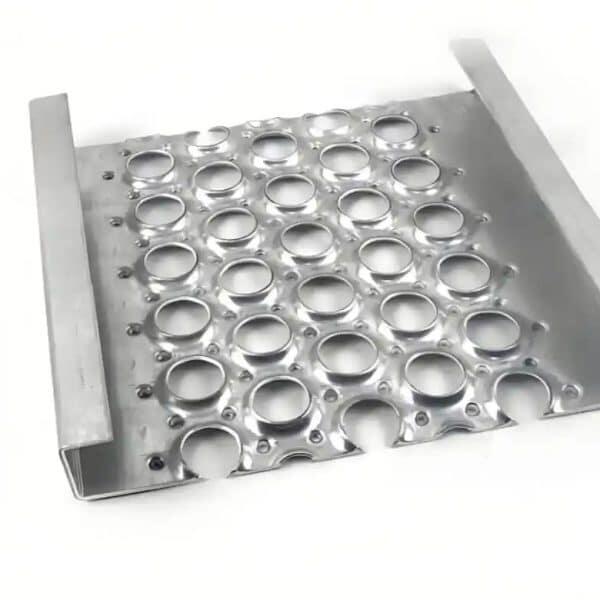
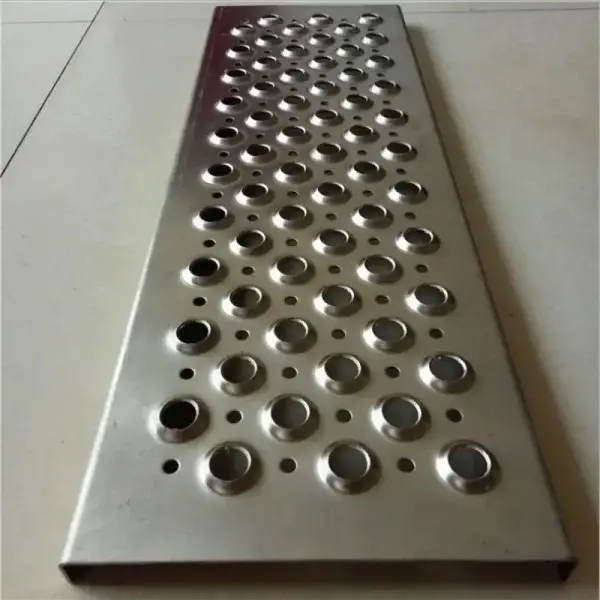
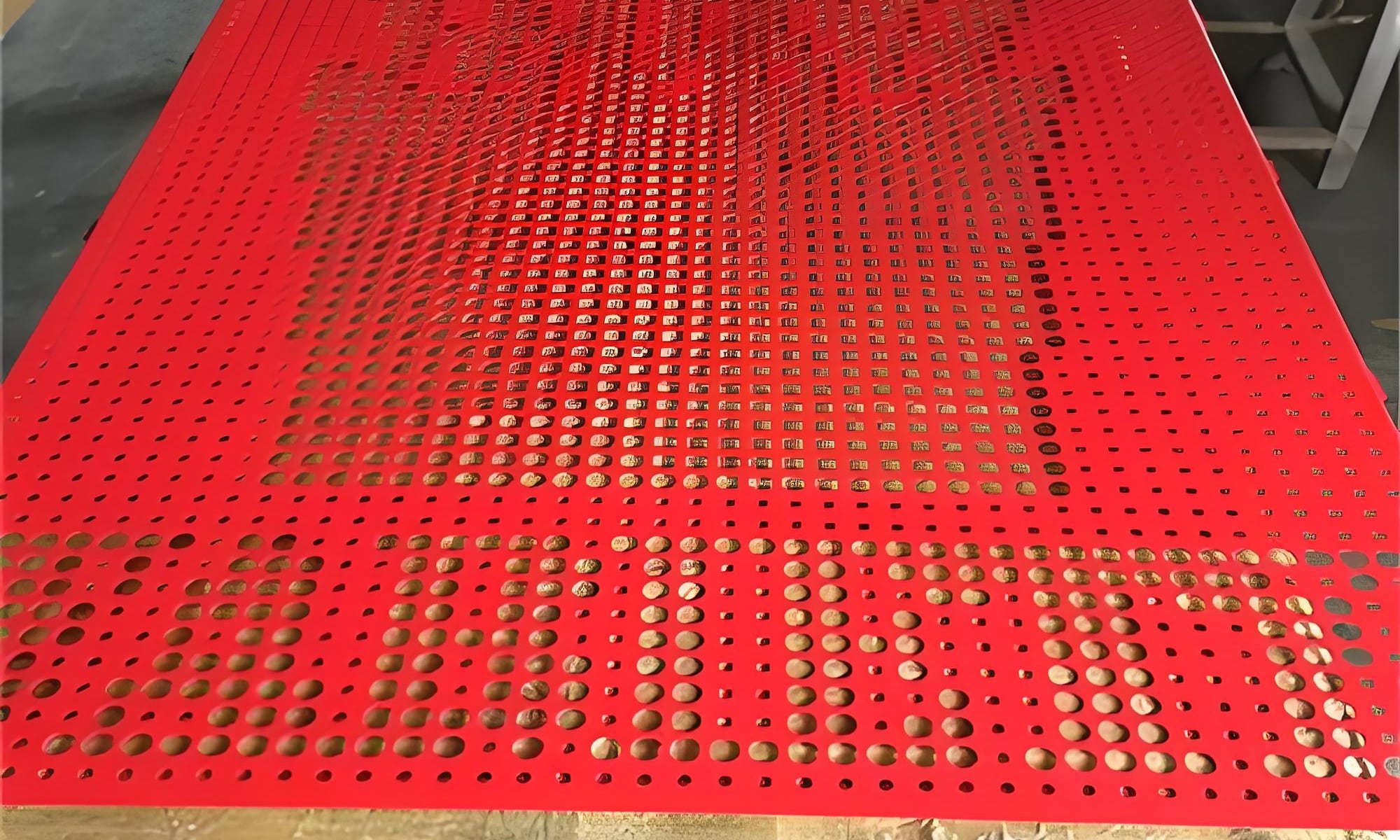
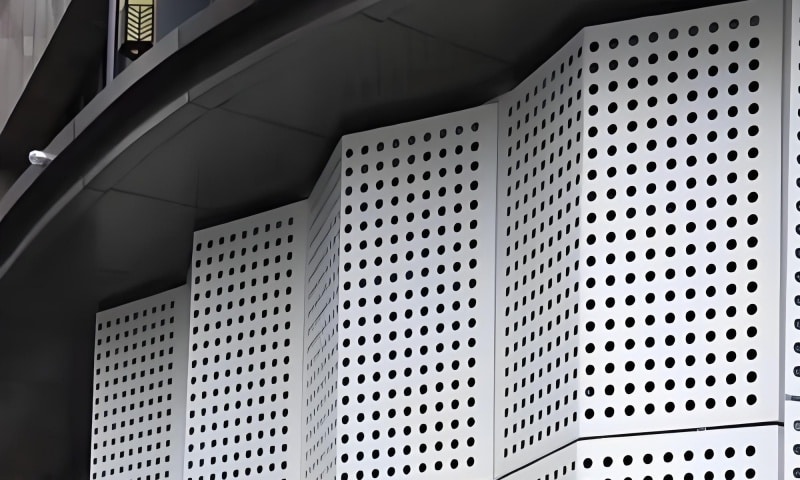
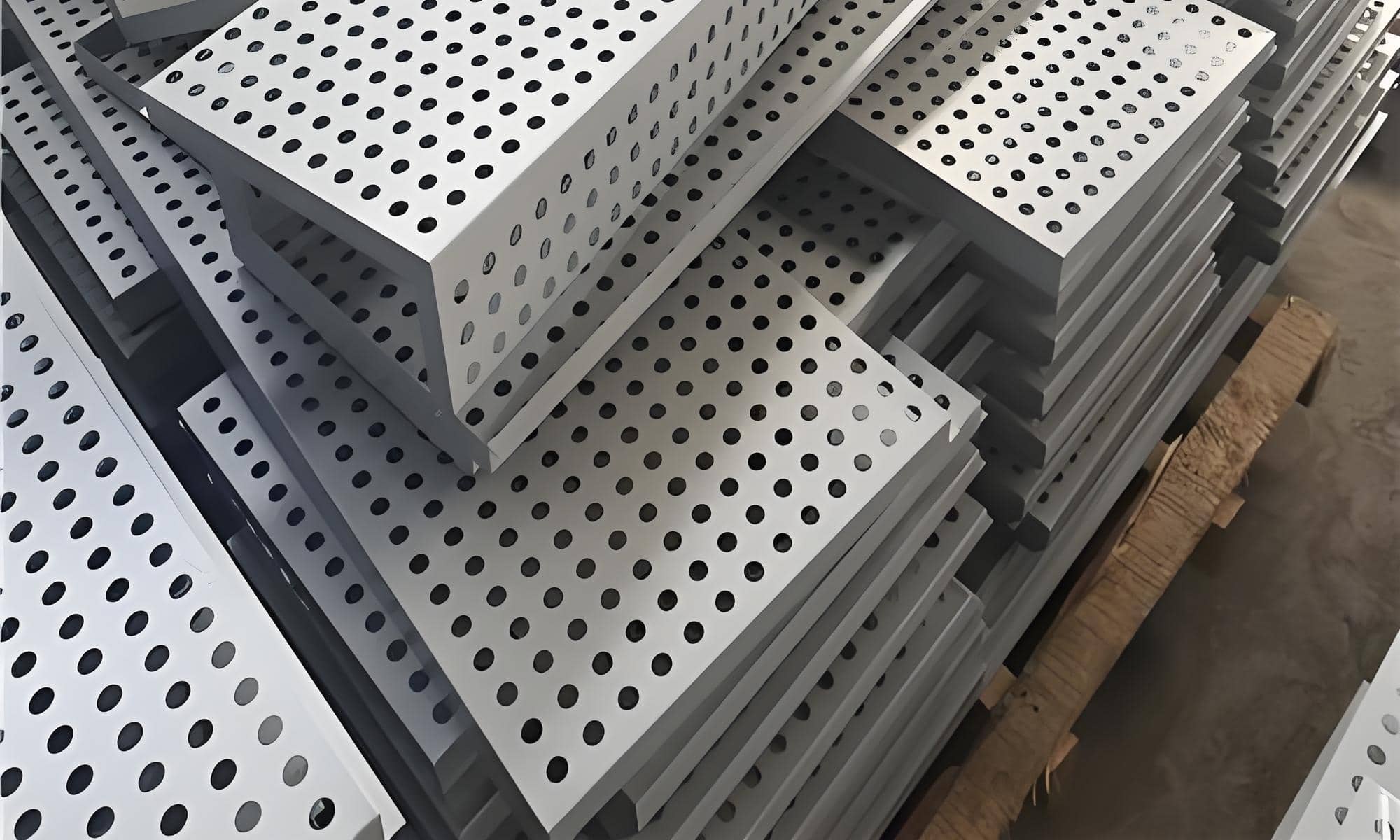
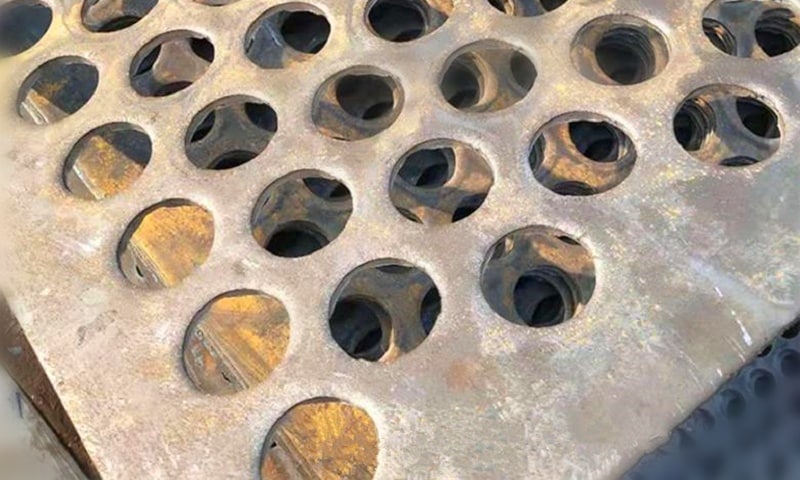
Perforated Safety Grating
Industrial stair tread performance depends heavily on manufacturing accuracy, especially when products are used in high-traffic and heavy-load factory environments. Producing reliable safety grating requires precise control of material thickness, perforation patterns, edge forming, welding processes, and dimensional tolerances. In our manufacturing process, each production stage is focused on maintaining structural consistency from raw material preparation to final inspection. We work with different steel grades and surface treatment requirements to support applications where wear resistance, load stability, and corrosion protection are critical. By understanding how stair treads perform after installation—not only how they look when produced—we can adjust fabrication methods to meet practical site conditions, including repeated loading, industrial contamination, and demanding maintenance environments.
Perforation Design and Safety Performance
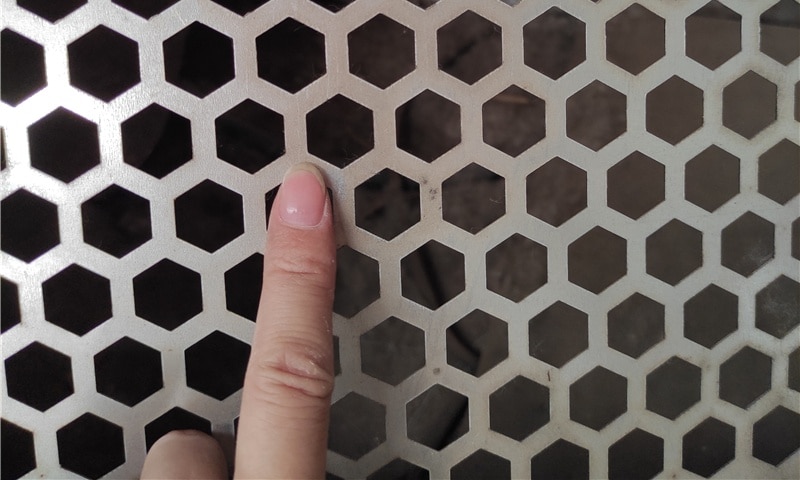
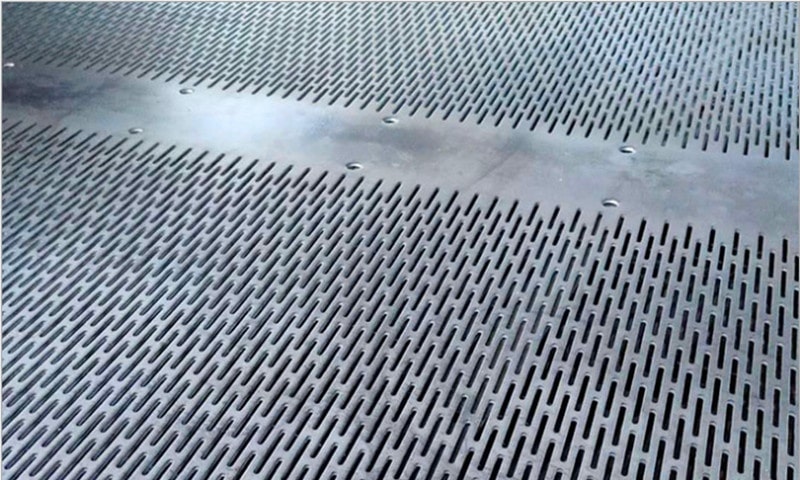
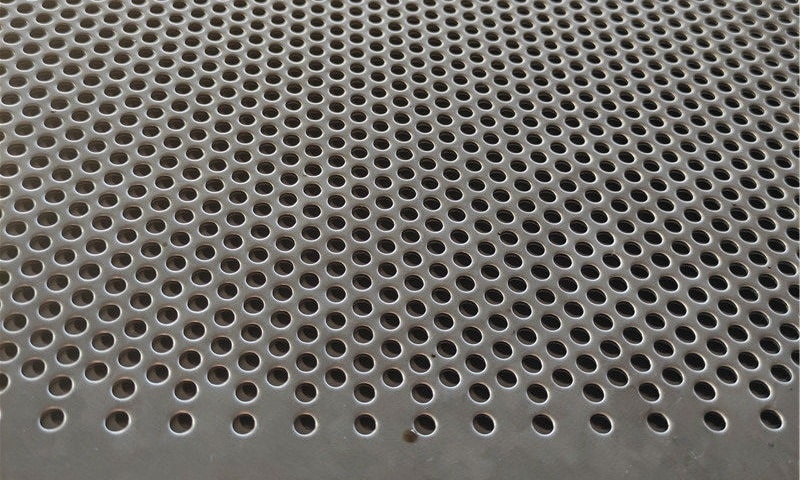
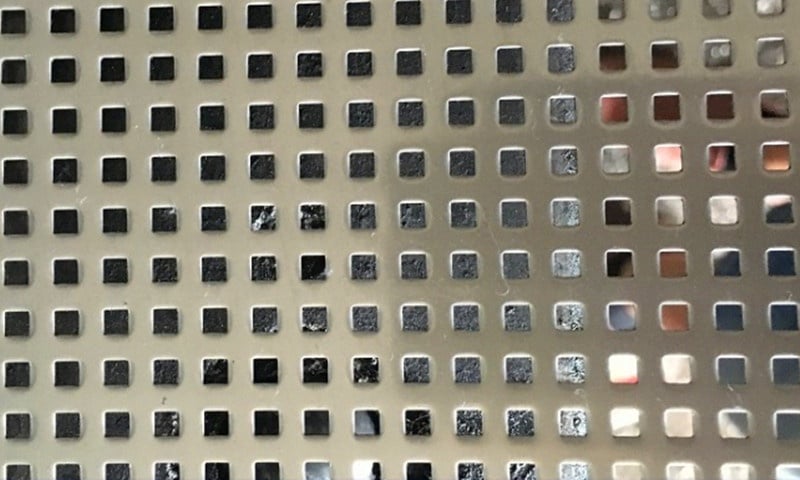
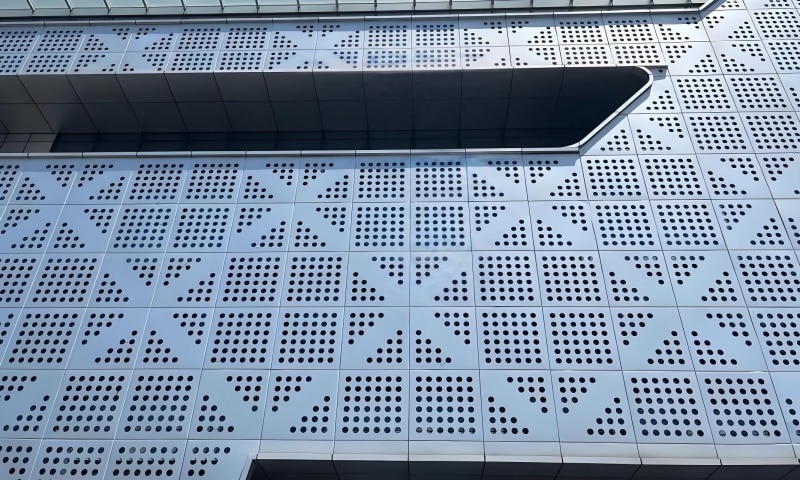
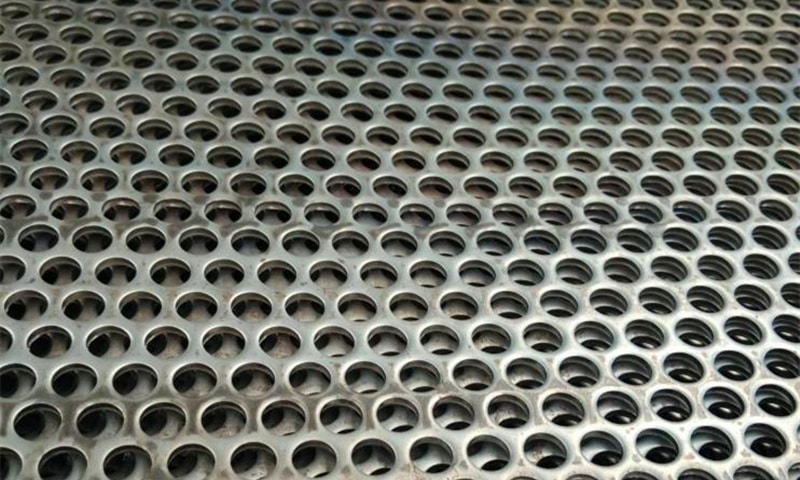
The opening pattern of perforated safety grating influences several important characteristics, including slip resistance, drainage efficiency, and overall strength. Smaller openings may be preferred in areas where small components could fall through, while larger openings can improve drainage and debris removal.
For industrial stair applications, the design must balance worker safety requirements with structural performance. A tread that performs well in a clean environment may require different specifications when installed near machining equipment, chemical processing areas, or outdoor production platforms.
Engineering Considerations Before Selecting Stair Treads
Before specifying Industrial Stair Treads Safety Grating, engineers should evaluate:
Operating Environment
Factors such as moisture, chemicals, temperature changes, and exposure to contaminants can influence material selection and surface protection requirements.
Load Conditions
The expected traffic frequency, carried loads, and support span should be reviewed to determine suitable thickness and structural configuration.
Installation Requirements
Accurate dimensions, mounting methods, and compatibility with existing stair frameworks help prevent installation problems and ensure consistent performance.
Choosing stair grating based only on initial cost may lead to higher maintenance requirements later. A more complete evaluation considers service life, safety performance, and replacement frequency.