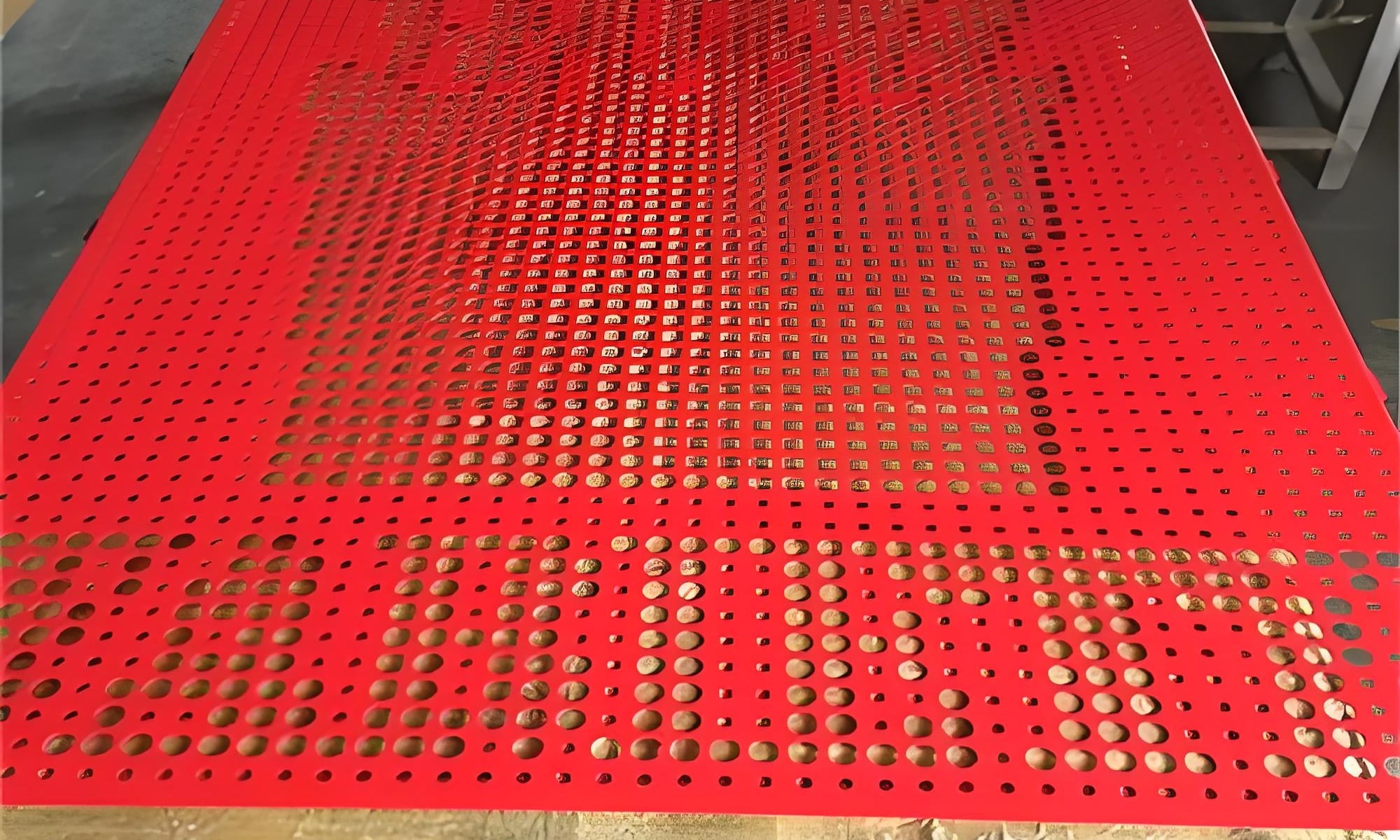
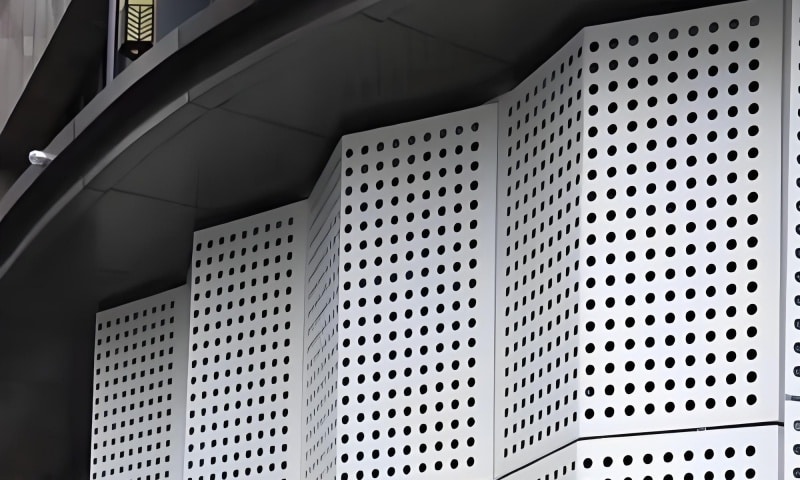
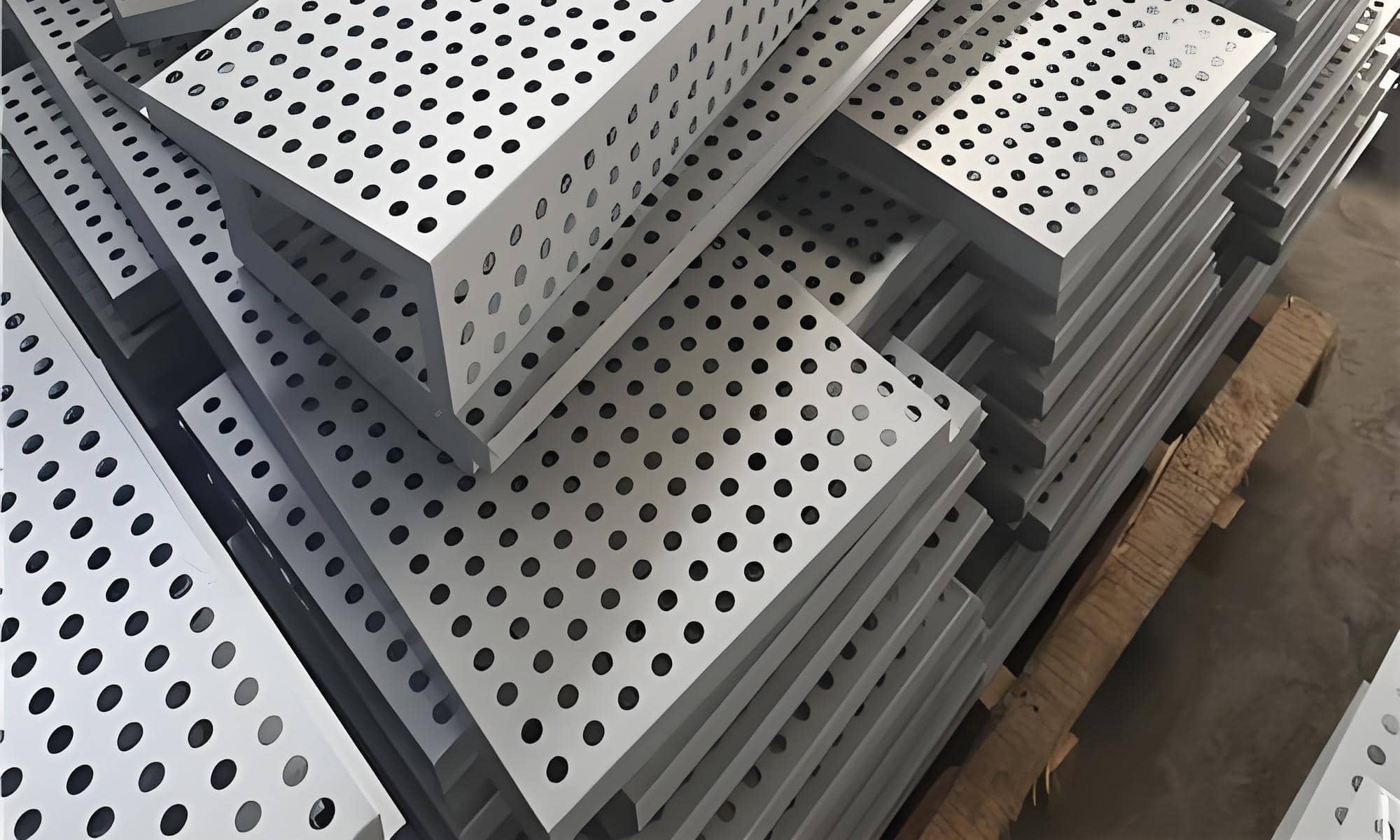
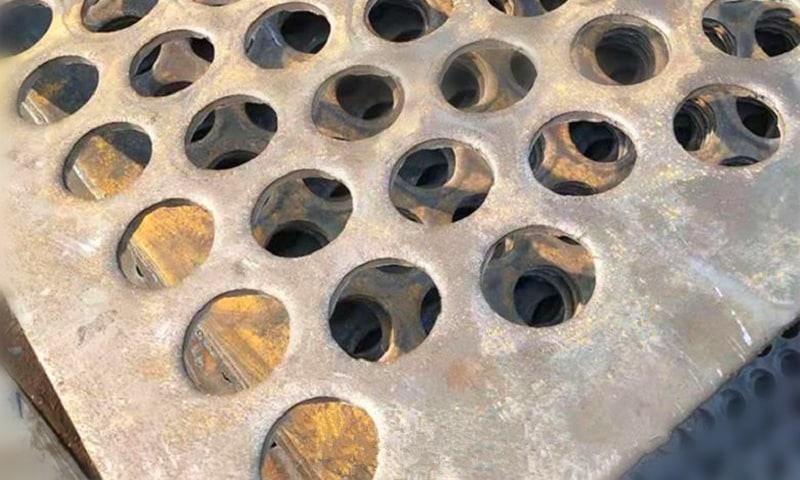
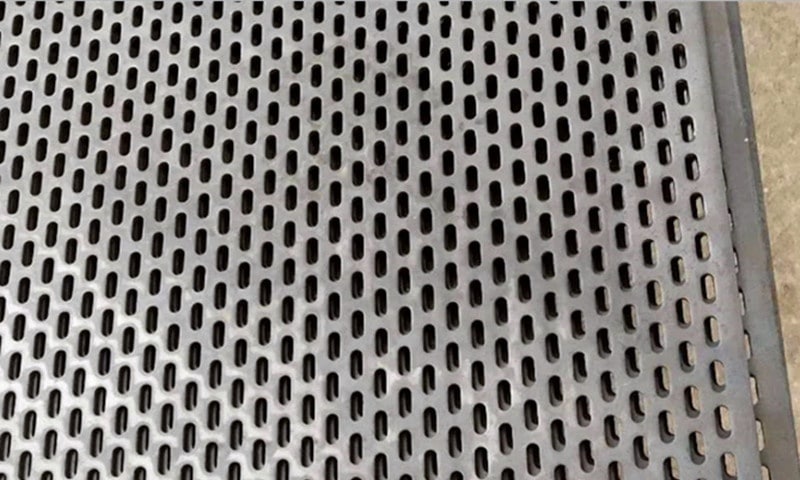
When a facade project goes from concept to RFQ, the main risk is often not the hole size itself. It is the missing production detail behind it. With perforated metal facade panels, small gaps in the drawing can create large differences in appearance, fixing, flatness, or finish once the panels reach site.
For architects, contractors, and project managers, the best time to solve those issues is before punching starts. A clear drawing, a realistic finish choice, and a practical installation plan will usually reduce rework more than any last-minute adjustment on site.
This checklist is meant for projects where the panel is part of the building envelope, not just a decorative insert. It applies to perforated metal cladding panels, sun control screens, and exterior architectural panels where appearance and fabrication quality need to work together.
Start With the Building Function, Not Only the Pattern
A facade panel rarely has one job. It may need to screen equipment, soften daylight, protect privacy, control glare, or support a consistent exterior image across a large elevation.
That is why the first question should be: what must the panel do in the installed condition?
In many RFQs, the problem is not the hole pattern alone. The real issue is whether the project needs more privacy at close range, more openness at long viewing distance, or a stronger visual effect from across the street. The same pattern can look very different depending on panel size, mounting depth, background color, and lighting.
If the design is still evolving, it helps to compare the facade concept with related material options such as aluminum perforated metal sheets or stainless steel perforated metal sheets. Material choice affects weight, corrosion behavior, and finish consistency, so it should be reviewed early rather than after the aesthetic direction is already fixed.


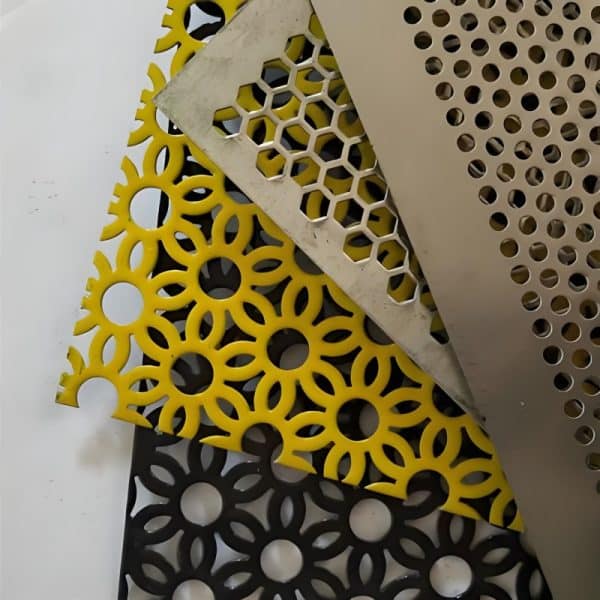
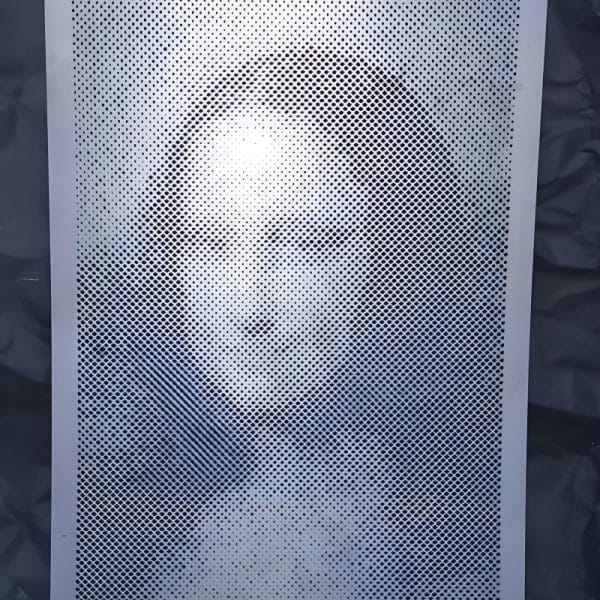
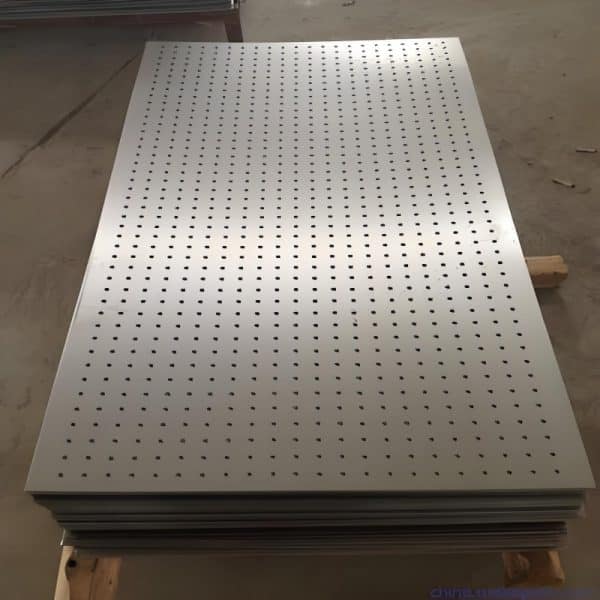
Architectural Perforated Metal Panels
For facade projects where appearance and installation accuracy both matter, perforated metal facade panels offer a practical balance of design flexibility and fabrication control. Hole pattern, open area, and panel size can be coordinated with fixing details to keep alignment consistent across elevations. With outdoor-ready finishes and careful packing for export, these panels are widely used in building envelopes where visual uniformity and long-term performance need to work together.
Confirm the Material, Thickness, and Panel Size Early
For architectural panels, material choice is not only about cost. It affects weight, rigidity, surface appearance, edge quality, and how the panel behaves during transport and installation.
The drawing does not need to be complicated, but it should answer the questions that affect production:
- material grade or alloy
- thickness
- panel size
- whether the panel is flat, bent, framed, or folded
- whether the panel must match adjacent panels in line and gap
Thickness and size influence flatness, especially on larger facade modules. A very thin sheet may look fine in a sample but behave differently on a full-size panel. A large panel with open area and few stiffening features may also show visible oil-canning or handling marks if the design is not reviewed carefully.
If the project uses architectural perforated metal panels in repeated modules, it is worth confirming the panel size against the transport method and the site handling plan. A panel that is easy to punch is not always easy to ship or install.
Treat Hole Pattern and Open Area as an Installed-View Decision
Many buyers ask for a hole pattern first. That is normal, but the pattern should be chosen together with the viewing condition.
For facade and screen applications, what matters is not only the hole shape. It is the combination of hole diameter or slot size, pitch, edge margin, and background distance. The visual effect changes when the viewer is close to the wall, standing across a courtyard, or seeing the facade in direct sunlight.
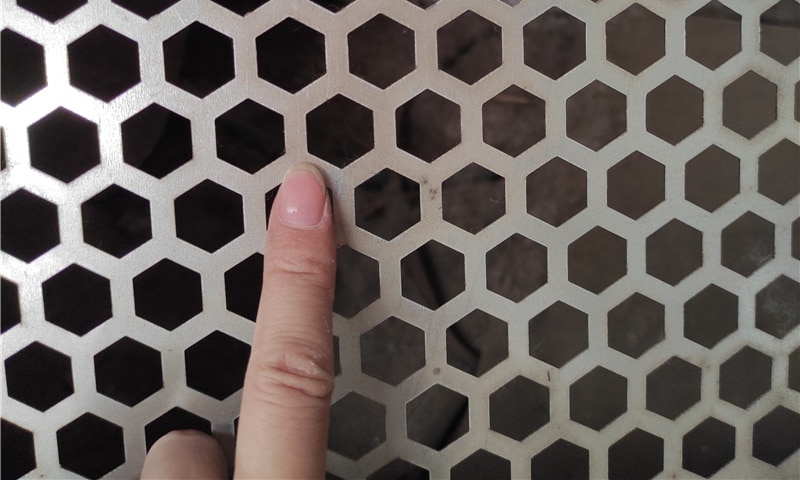
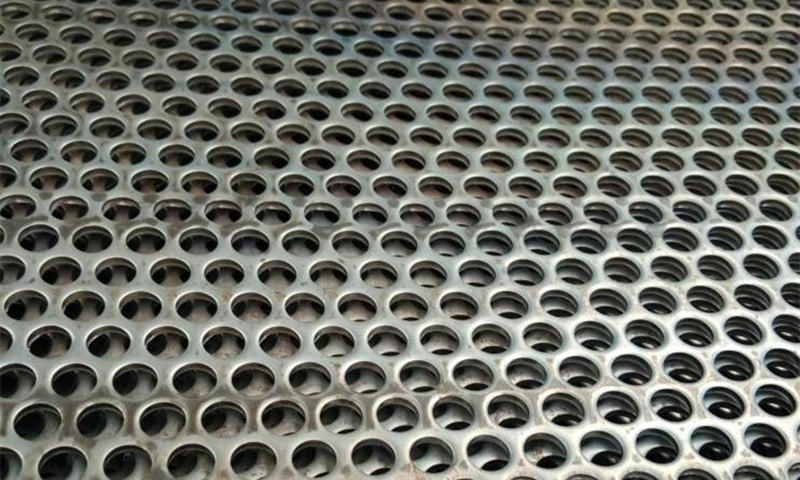
If the project needs more design options, a related shape like round hole perforated metal sheets can be a useful reference point. For certain facade concepts, round holes deliver a more familiar and uniform appearance. In other cases, slotted or hexagonal patterns create a stronger architectural rhythm.
What the factory needs is not just a pattern name. It needs the actual layout and the intended view. In many shop-floor situations, an open area percentage on paper looks simple, but the final visual effect depends on the background color, the distance to the viewer, and whether the panel is mounted in front of glass, insulation, or a solid wall.
Review Finish and Color as a Production Item, Not a Design Afterthought
For exterior panels, finish selection should be confirmed before punching and fabrication, not after. Surface treatment can influence color consistency, edge appearance, and how visible handling marks become during transport and installation.
If the project is outdoors, the finish should be reviewed based on the environment. Exposure to rain, sun, dust, or coastal conditions may affect the practical choice of coating system or surface treatment. The panel may also need to match nearby cladding, curtain wall frames, or architectural trim.
For this reason, color requirements should be stated clearly. If the project uses a RAL reference or a custom color standard, include that in the RFQ. If gloss level matters, say so. A matte finish and a semi-gloss finish can look very different on a large facade, especially under direct sunlight.
For buyers, the main risk is assuming that “black,” “gray,” or “bronze” will look the same across suppliers. It rarely does. Sample approval is much safer than relying on a verbal description.

Related Product
For projects that need a consistent exterior appearance with practical fabrication control, custom perforated architectural panels are often the most practical starting point. They work well when the project needs a balance of visual screening, airflow, and a clean installed look. The main advantage is that the panel can be reviewed as a full fabrication item, not only as a raw sheet.
That matters on facade jobs, because the final result depends on more than the hole pattern. Edge margin, fixing holes, panel flatness, and finish protection all affect how the elevation looks after installation. If the design needs a different base material, it is also useful to compare the project against aluminum perforated metal sheets or stainless steel perforated metal sheets before final approval.
Do Not Leave Installation Details to the Site Team
A facade panel should be designed with its fixing method in mind. If the shop drawing does not show fixing holes, bend lines, return flanges, or framing details, the project team may end up solving those issues on site. That often leads to rework.
Before production, confirm:
- fixing method and fastener type
- whether the panel needs bends, returns, or hidden framing
- edge margin around the perforation field
- alignment between adjacent panels
- tolerance expectations for visible joints
This is especially important for perforated metal cladding panels used in long runs or large elevations. Even a small difference in fixing position can create a visible line shift once the panels are installed side by side.
If the project includes a mixed facade, such as solid metal zones next to perforated zones, the relationship between the panels should also be reviewed. The visual break should be intentional, not caused by fabrication variation.
Ask for Sample Review Before Full Production
For architectural work, sample approval is often more valuable than a long specification sheet. A small sample can show the general pattern, but it cannot fully represent large-panel flatness, coating behavior, or how the finish looks under outdoor light.
That is why the approval step should be practical. The sample should confirm the key visual and technical points that affect production. If the project is demanding, a drawing review plus finish sample is usually better than relying on one physical piece alone.
For facade projects, it is also helpful to confirm whether the sample reflects the same material, thickness, and coating system as the final order. A mismatch here is a common source of disappointment later.
RFQ Notes for Faster Quoting
For a faster and more accurate quote, please share the material, thickness, hole pattern, panel size, finish, color requirement, fixing method, quantity, and installation environment. If the panels will be used outdoors or near the coast, the finish should be reviewed before production. A drawing, even a simple one, will help the factory check feasibility, flatness risk, and packing requirements before pricing.
When the project is still at an early stage, it is better to adjust the design before punching than to correct it after panels are made. That is especially true for architectural perforated metal panels used on visible facades, where the finish, alignment, and installation details all affect the final result.