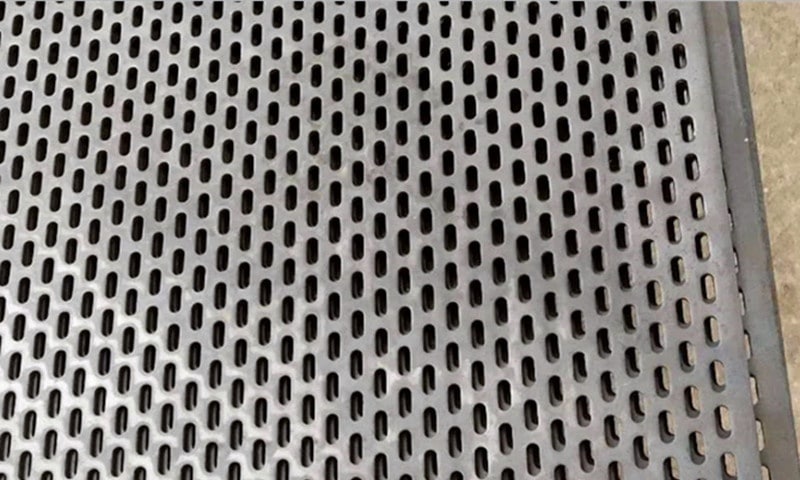
Using Round Hole Aluminum Perforated Screens for Building Facades
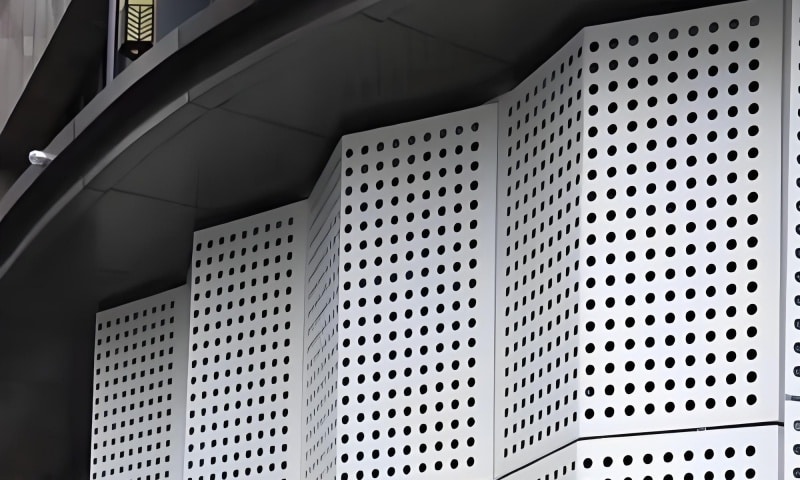
Modern commercial buildings often use round hole aluminum perforated screens to create a clean facade appearance while improving solar shading and ventilation performance.
In many facade projects, the real engineering challenge is not simply choosing perforated metal. It is selecting the right transparency level and ensuring the finish can perform reliably in outdoor conditions.
For architects and contractors, two technical factors usually drive the specification:
- Transparency (open area ratio)
- Surface coating durability for exterior exposure
Understanding these two points early can help avoid redesign work during fabrication.
How Transparency Affects Facade Performance
Transparency refers to how much open area is created by the perforation pattern.
For round hole aluminum screens, transparency is mainly influenced by:
Hole Diameter
Larger holes generally increase visual openness and airflow.
Typical architectural projects may use:
- Small holes for privacy-focused facades
- Medium holes for balanced shading and visibility
- Larger holes for lightweight visual screening
The final choice depends on both design intent and structural layout.
Hole Pitch (Center-to-Center Spacing)
Pitch controls how closely the holes are arranged.
A tighter pitch often creates:
- Higher open area
- Stronger visual permeability
- Reduced solid surface coverage
A wider pitch usually provides:
- More solid appearance
- Greater shading density
- Stronger visual mass
This dimension should always be reviewed together with hole diameter.
Panel Viewing Distance
Facade perception changes significantly depending on viewing distance.
At close range, smaller perforations create texture.
At street-level viewing distances, the same pattern may appear nearly solid.
This is why many architectural teams review perforation mockups before final approval.


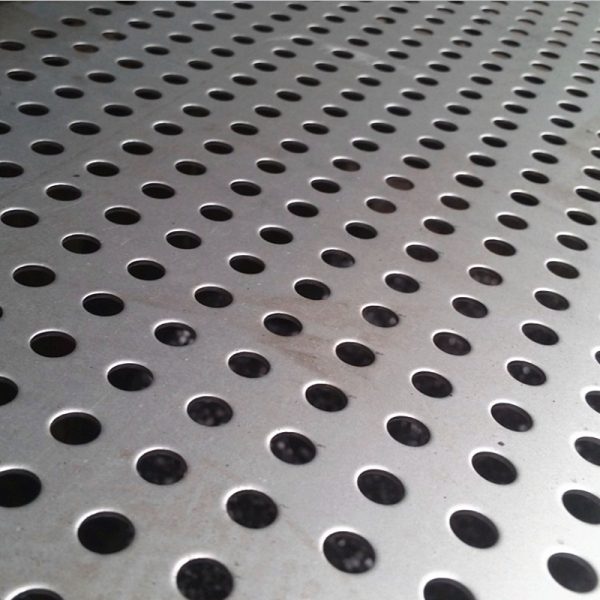
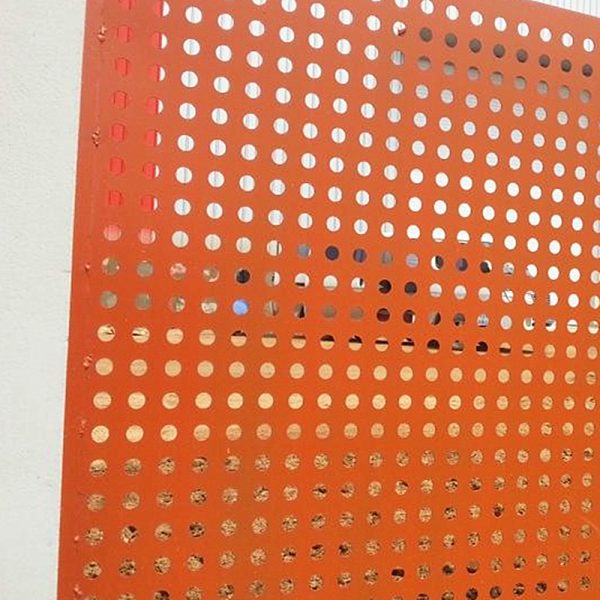
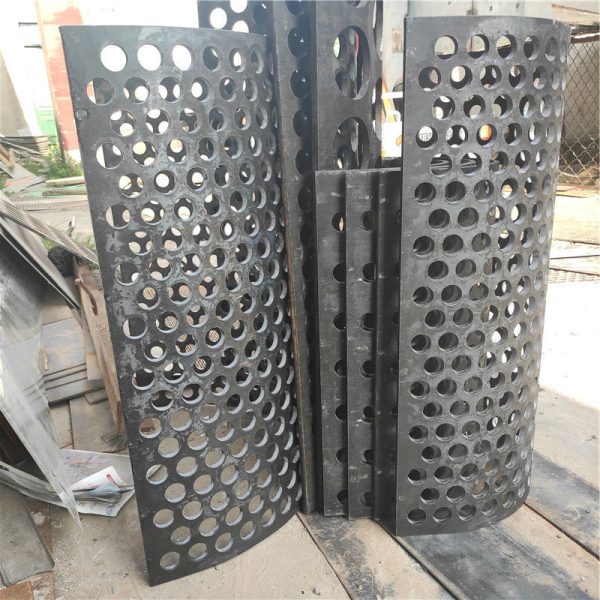

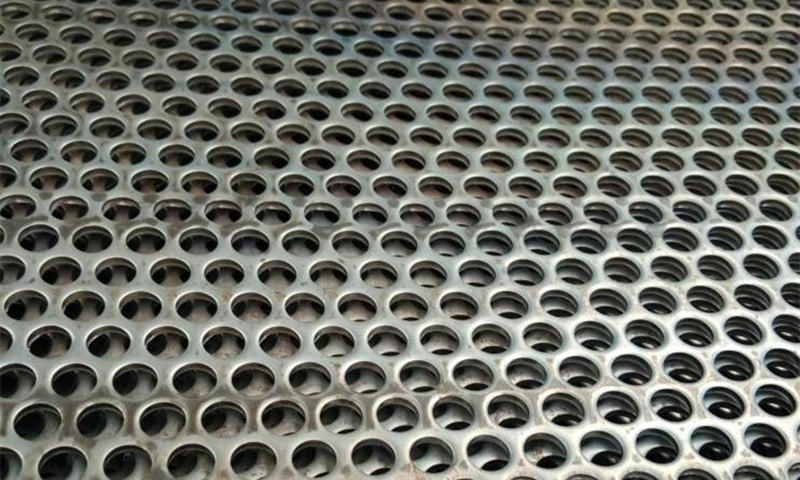
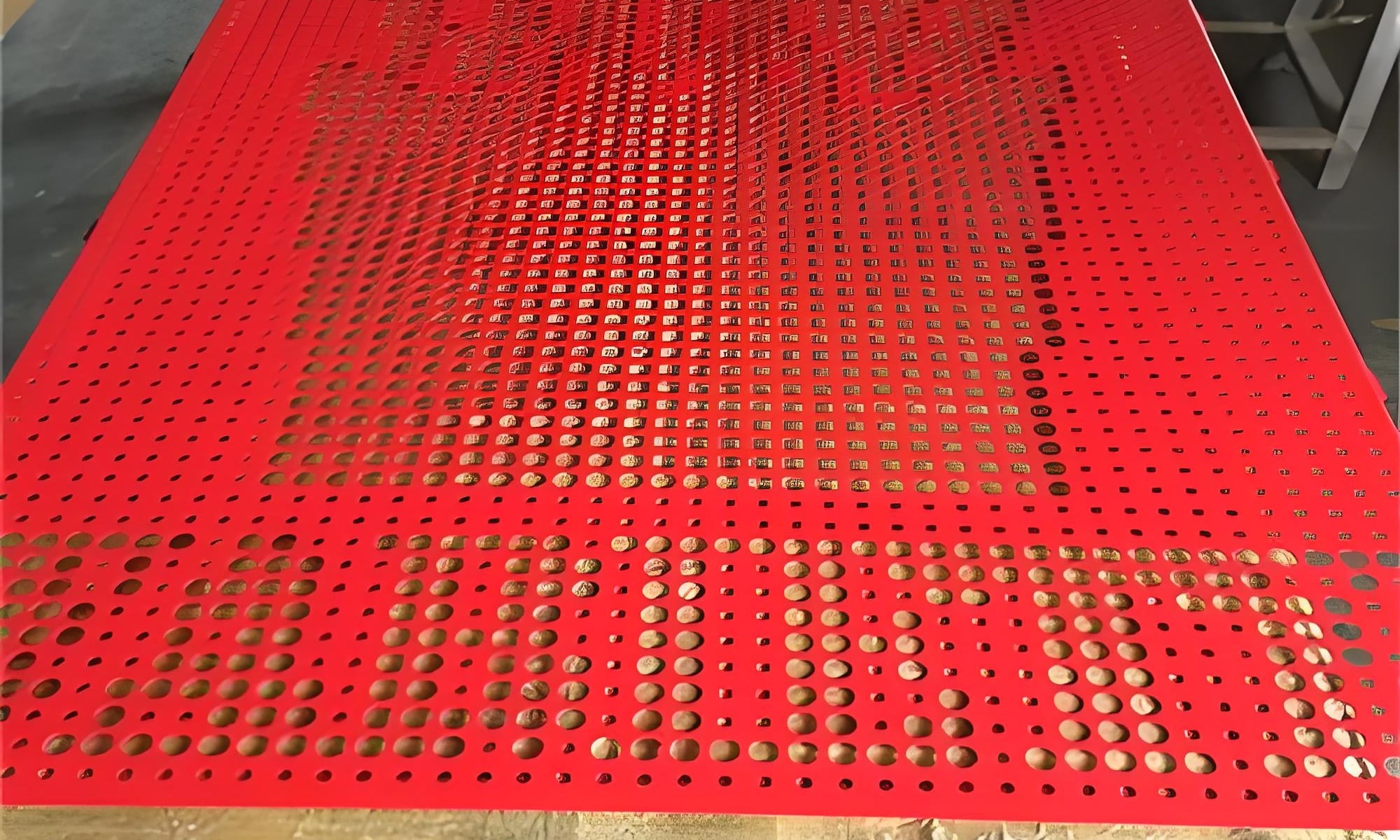
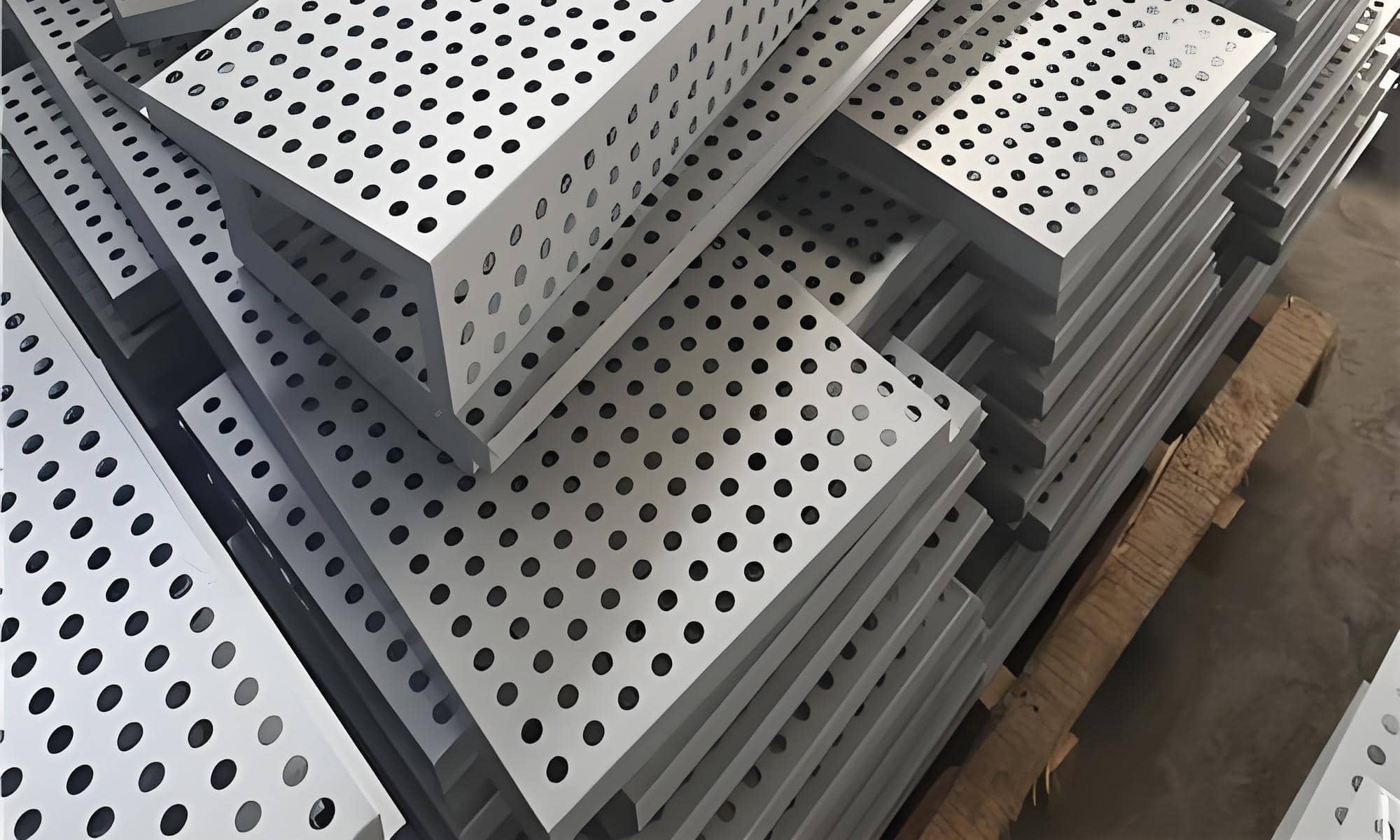
Round Hole Perforated Metal Sheets
Round hole aluminum perforated screens are widely used in facade projects where architects need a balance of shading, airflow, and clean visual rhythm. Hole diameter, pitch, and panel finish can be adjusted to match transparency targets and project appearance. Powder coated panels are commonly selected for outdoor use due to their weather resistance and color stability. Custom fabrication based on project drawings is available for facade cladding, sunshades, and decorative building envelopes.
Balancing Shading and Daylight
The right transparency level can improve facade performance by reducing direct solar heat gain while still allowing filtered daylight.
In many commercial applications, perforated aluminum screens are used for:
Solar Shading
Screens can reduce glare and solar exposure on glazed surfaces.
This may help improve occupant comfort and reduce HVAC load, depending on building orientation and facade design.
Visual Privacy
Parking structures, mechanical screening, and mixed-use developments often require partial visual screening.
Round hole patterns provide privacy without creating a completely closed appearance.
Natural Ventilation
Because perforated facades allow airflow, they are commonly used where passive ventilation is required.
This is often seen in:
- Parking garage cladding
- Equipment enclosures
- Semi-open circulation areas
Why Powder Coating Is Common for Outdoor Aluminum Screens
Outdoor architectural screens are constantly exposed to:
- UV radiation
- Rain and humidity
- Airborne pollutants
- Temperature fluctuation
Without proper finishing, aluminum surfaces may lose visual consistency over time.
Powder coating is widely selected because it typically provides:
Improved Weather Resistance
A properly applied powder coating helps protect the aluminum substrate from environmental exposure.
Actual service life depends on:
- Coating specification
- Surface preparation
- Installation environment
- Maintenance conditions
Projects in coastal or industrial environments may require more specific coating system selection.
Better Color Stability
Architectural facades often require long-term color consistency.
Powder-coated finishes generally offer good resistance to fading when the correct outdoor-grade system is specified.
Design Flexibility
Powder coating supports a wide range of finishes, including:
- Matte colors
- Satin textures
- Metallic appearances
- Custom architectural color matching
This gives architects greater flexibility when coordinating with curtain wall systems and surrounding facade materials.
Fabrication Considerations for Facade Panels
When specifying round hole aluminum facade screens, fabrication details matter as much as the pattern itself.
Key considerations usually include:
Panel Flatness
Large perforated panels may require reinforcement depending on:
- Material thickness
- Open area percentage
- Panel dimensions
- Installation method
Edge Treatment
Facade panels often require:
- Folded edges
- Framing returns
- Mounting holes
- Welded support brackets
These details should be included clearly in project drawings.
Tolerance Coordination
Perforated facade systems typically connect to secondary support structures.
Hole pattern alignment and panel dimensional consistency are important for maintaining facade continuity during installation.

Choosing the Right Round Hole Screen for Your Project
For most architectural facade applications, round hole aluminum screens work well when transparency and finish performance are matched to project requirements.
A typical evaluation process includes:
- Defining target shading effect
- Reviewing desired transparency appearance
- Confirming outdoor coating requirements
- Verifying panel fabrication details
- Producing prototype samples when needed
Early technical review between architect, contractor, and manufacturer can reduce adjustment costs later in production.
If your project requires custom round hole aluminum perforated screens, providing facade elevations, section details, and finish specifications will usually help suppliers offer more accurate production recommendations.