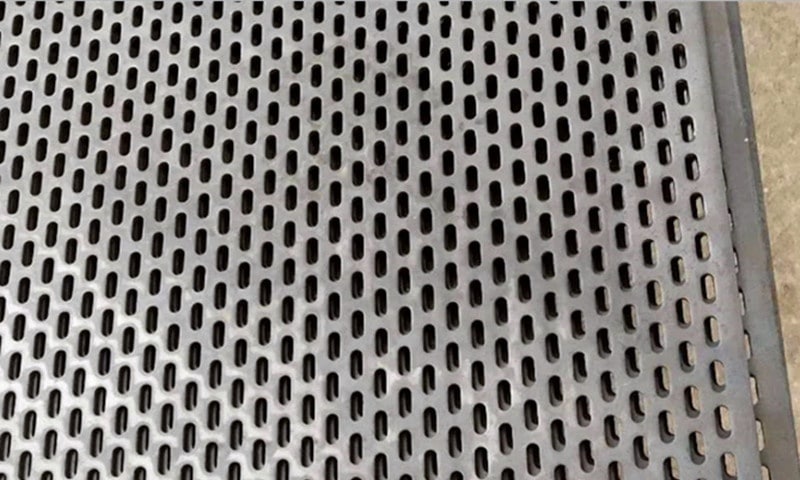
Why PVDF Perforated Aluminum Panels Are Often Considered for Outdoor Cladding
Outdoor cladding projects require more than an attractive perforation pattern. For architects, contractors, and project buyers, surface finish selection often affects appearance consistency, installation handling, and long-term maintenance planning.
Among common finishing options for perforated aluminum panels, PVDF coating is often considered for exterior facade applications because it is designed for demanding outdoor environments.
The final choice depends on project location, design intent, panel fabrication requirements, and specification details.
What Makes PVDF Coating Suitable for Exterior Perforated Panels
PVDF (polyvinylidene fluoride) is a fluoropolymer-based coating system widely used on architectural aluminum products.
For perforated aluminum cladding panels, it is often selected because it can help support exterior performance requirements in several practical ways.
Color Stability for Visible Facades
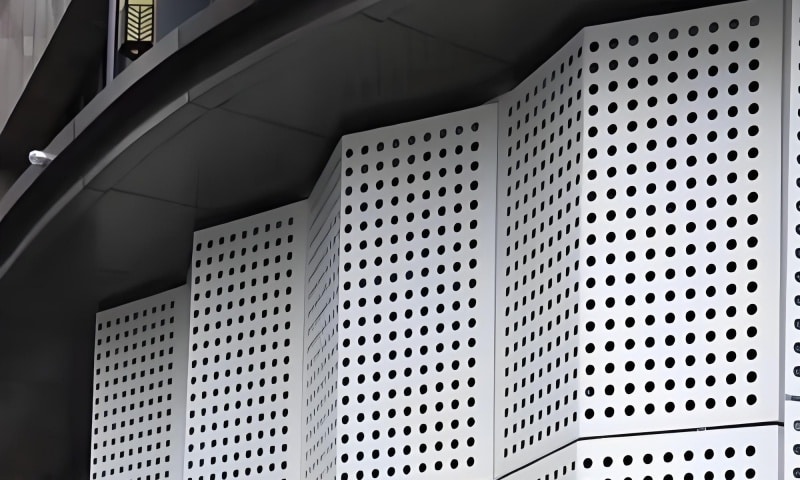
Facade perforated panels are often installed on large building elevations where color consistency matters.
In many outdoor applications, PVDF finishes are specified because they are generally designed to maintain appearance under prolonged UV exposure better than many standard interior-use coatings.
This can be important for:
- Large curtain wall feature areas
- Decorative screening systems
- Building envelopes with direct sunlight exposure
- Projects requiring long-term color matching across panel batches
Actual performance depends on coating system specification, application process, environmental exposure, and maintenance conditions.
Better Resistance to Exterior Weather Conditions
Outdoor cladding panels are exposed to:
- Sunlight
- Rain
- Humidity
- Temperature changes
- Urban pollution
- Coastal or industrial environments
PVDF-coated perforated aluminum panels are often considered because the finish is commonly specified for architectural exterior use where resistance to weather-related surface degradation is required.
Project teams should match coating specifications to the installation environment rather than assuming one finish fits all exterior applications.


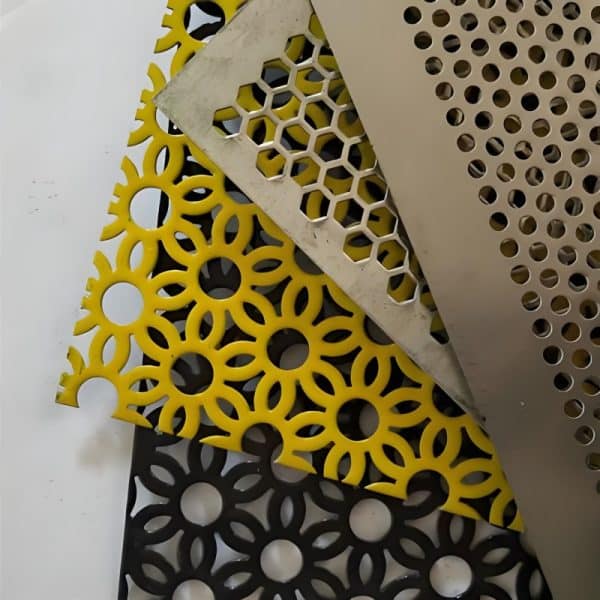
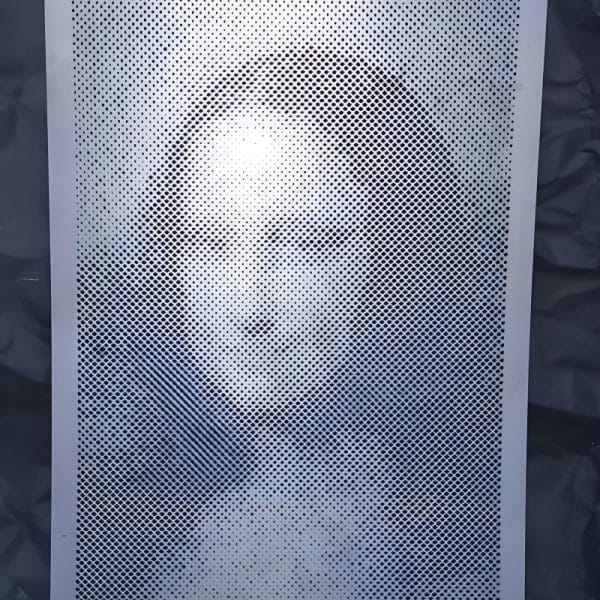
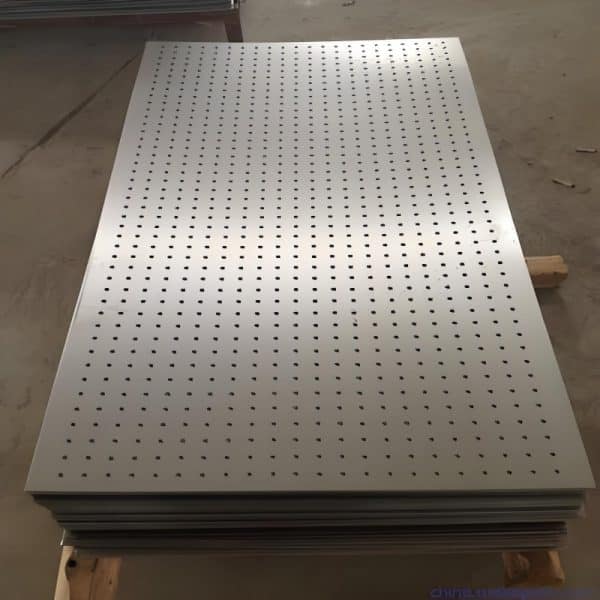
Architectural Perforated Metal Panels
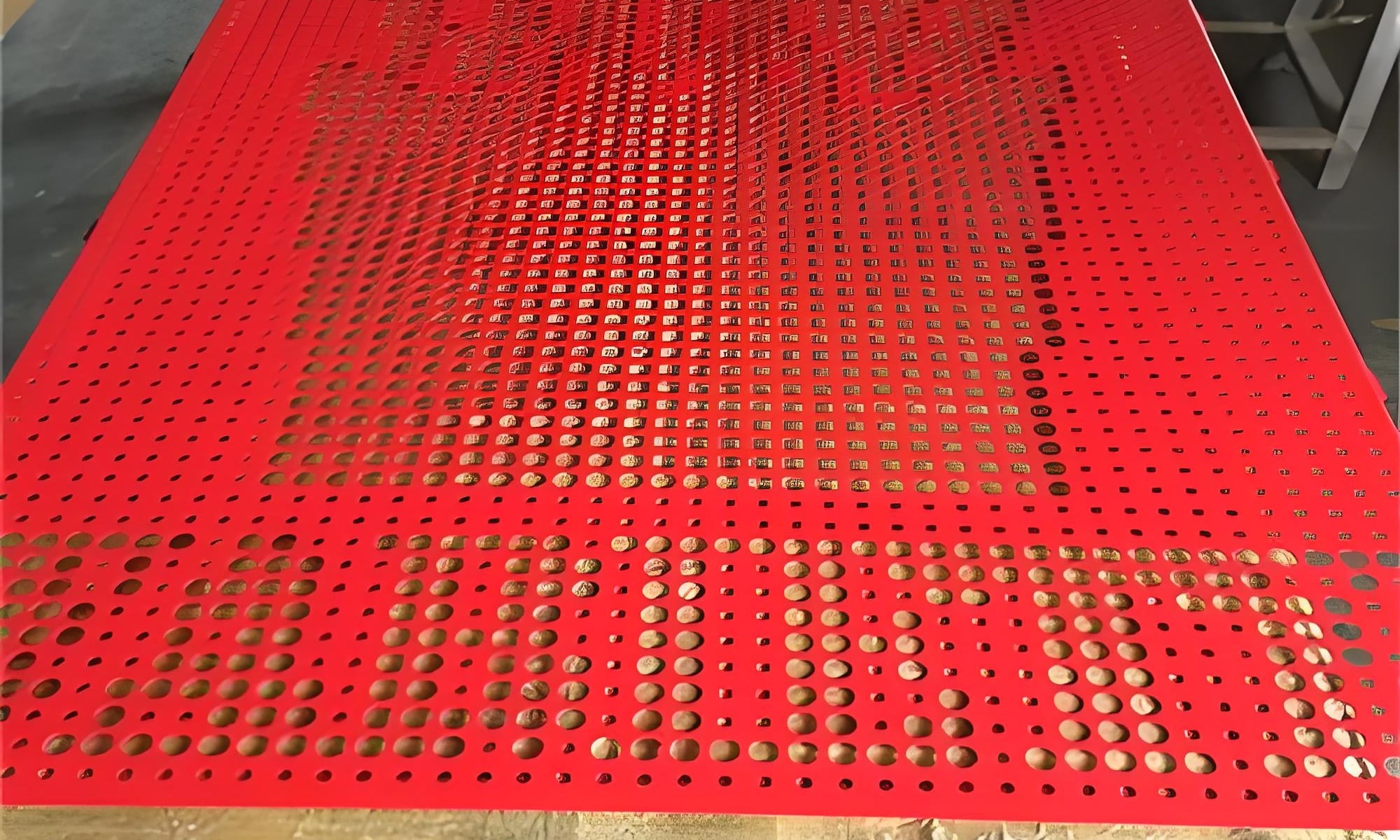
PVDF perforated aluminum panels are commonly selected for exterior facade projects where appearance consistency and weather exposure are important considerations. Available in custom hole patterns, panel sizes, forming options, and project-matched colors, these panels can be fabricated for rainscreen cladding, sunshades, and decorative facades. Share your drawings or facade requirements to discuss finish options and production details.
Why Perforated Aluminum Works Well with PVDF Finishes
Aluminum is widely used for perforated facade systems because it offers a practical balance of fabrication flexibility and manageable panel weight.
When combined with PVDF coating, it supports applications where both visual design and fabrication precision matter.
Typical fabrication options include:
Custom Perforation Patterns
Projects often require:
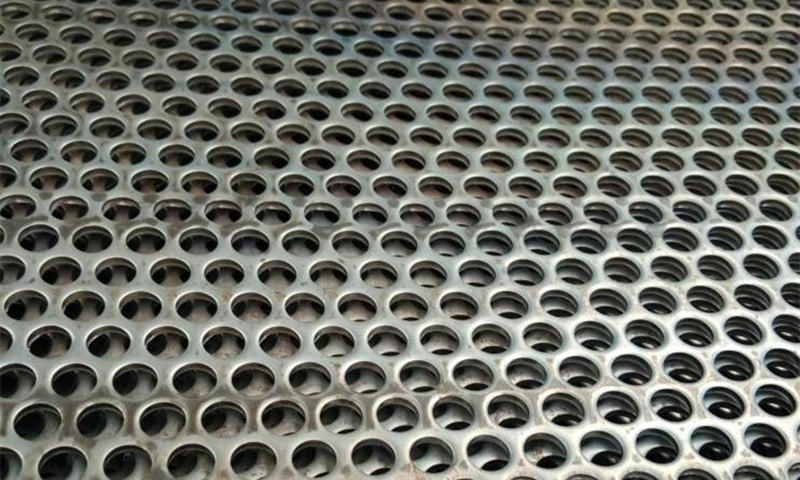
- Round hole layouts
- Slot perforations
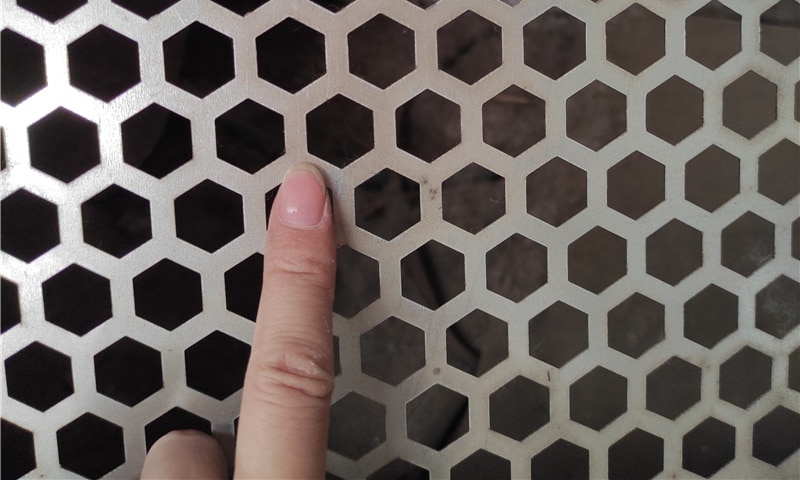
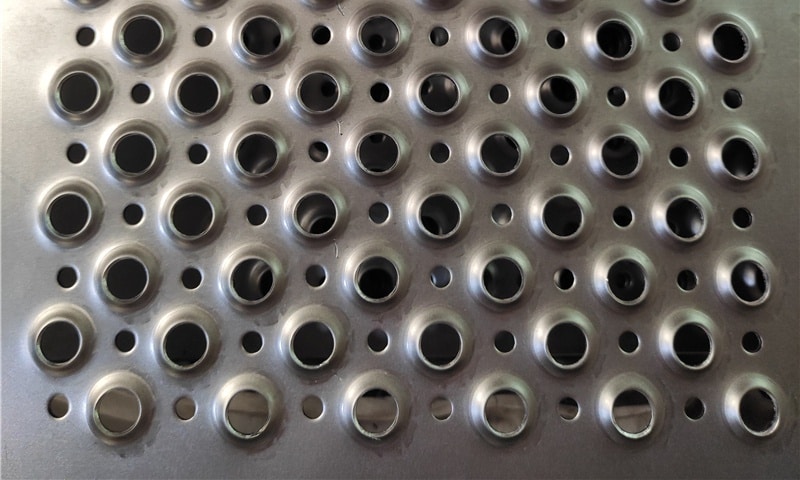
- Decorative custom patterns
- Gradient open area designs
The coating specification should be reviewed together with perforation design, since open area percentage and panel geometry may influence forming and finishing requirements.
Formed Architectural Panels
Outdoor facade panels are often fabricated with:
- Return folds
- Reinforcement details
- Mounting edges
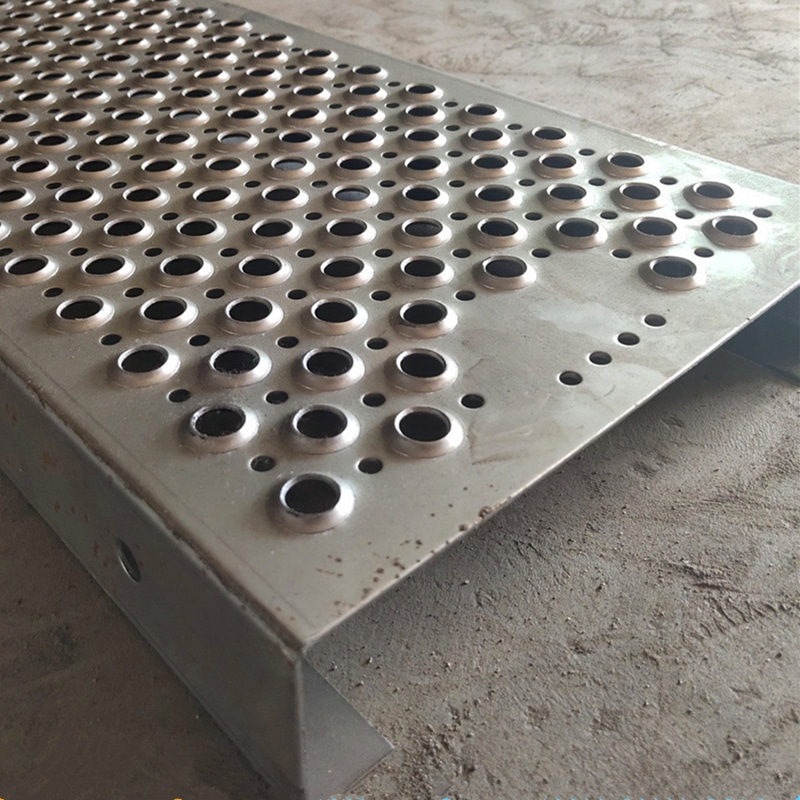
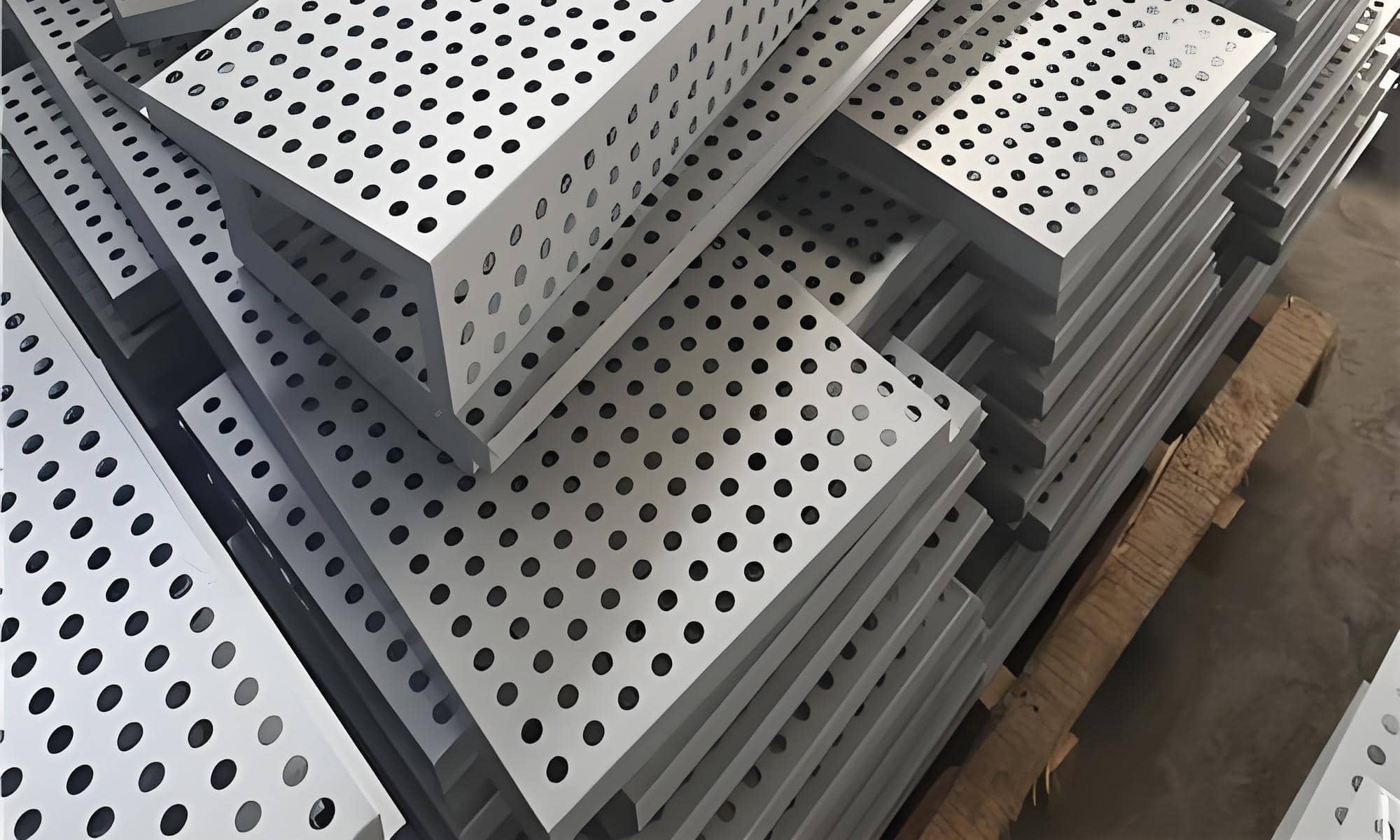
- Cassette panel structures
For formed PVDF perforated aluminum panels, fabrication sequence planning is important to maintain finish consistency and avoid surface damage during production.
Project Environment Matters
PVDF perforated aluminum panels are often considered for outdoor cladding, but specification decisions should reflect actual site conditions.
Urban Commercial Buildings
Projects in dense city environments often prioritize:
- Clean visual appearance
- Consistent facade color
- Resistance to airborne pollutants
Coastal Installations
Coastal exposure may require closer review of:
- Coating system specification
- Edge detailing
- Panel drainage design
- Protective packaging and handling procedures
High-Sunlight Regions
In areas with strong solar exposure, finish stability is often a major consideration for facade appearance retention.
The project specification should define finish requirements based on environmental exposure rather than relying on general assumptions.
Why Protective Packaging Is Important for PVDF Panels
Surface protection is often overlooked during procurement, but it directly affects delivered panel quality.
PVDF-coated perforated aluminum panels typically require careful packaging because visible facade surfaces can be affected during transportation and site handling.
Common protective measures may include:
Protective Film Application
Temporary surface film is often applied to help reduce scratches during transport and installation.
Removal timing should follow project handling requirements to avoid residue or exposure-related issues.
Interlayer Protection
Panels are often separated using protective materials to reduce friction between finished surfaces.
Export-Ready Packaging
For international shipments, packaging may include:
- Reinforced wooden crates
- Moisture protection
- Edge protection systems
- Clear orientation labeling
Packaging details should match shipping method, destination climate, and unloading conditions.
What Buyers Should Confirm Before Ordering
When sourcing PVDF perforated aluminum panels for outdoor cladding, clear RFQ details can reduce production risks.
Important points to confirm include:
Finish Specification
Define:
- Color standard
- Gloss level if required
- Coating system requirements
- Visible face requirements
Panel Fabrication Details
Provide drawings showing:
- Perforation pattern
- Open area requirements
- Bending details
- Mounting system interface
Surface Protection Expectations
Clarify:
- Protective film requirements
- Packaging standards
- Export shipping conditions
Early alignment between design drawings and fabrication details usually helps avoid finish-related issues later.

When PVDF Perforated Aluminum Panels Make Practical Sense
PVDF perforated aluminum panels are often considered when projects require a combination of:
- Exterior-grade architectural appearance
- Custom perforation flexibility
- Formed facade panel fabrication
- Surface finish suited for outdoor exposure
The right specification depends on project environment, installation method, and finish expectations.
For facade projects, reviewing perforation design, forming requirements, coating specification, and packaging details together is often the most practical approach before production begins.
For more facade application options, explore our perforated metal cladding panels solutions or send your project drawings for fabrication review.