How Hole Size Affects Screening Efficiency and Output Quality
In industrial screening systems, hole size is one of the most important factors affecting separation performance. It directly influences particle classification, throughput, and the consistency of final output.
Selecting the wrong perforation size can lead to reduced screening accuracy, excessive material carryover, lower production efficiency, or unnecessary wear on downstream equipment.
In many cases, choosing hole size is not simply about matching particle dimensions. It typically requires balancing material behavior, process speed, open area requirements, and manufacturing limitations.
This guide explains how hole size affects screening efficiency and what should be considered during specification.
Relationship Between Hole Size and Output
The primary function of a perforated screening surface is particle separation.
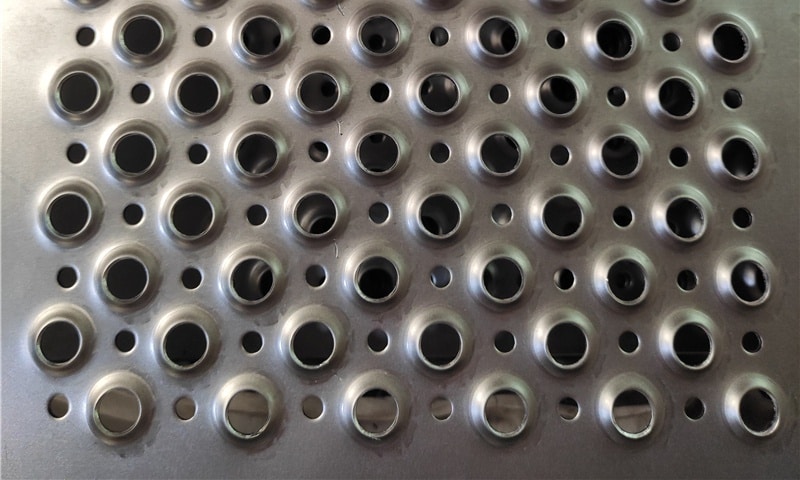
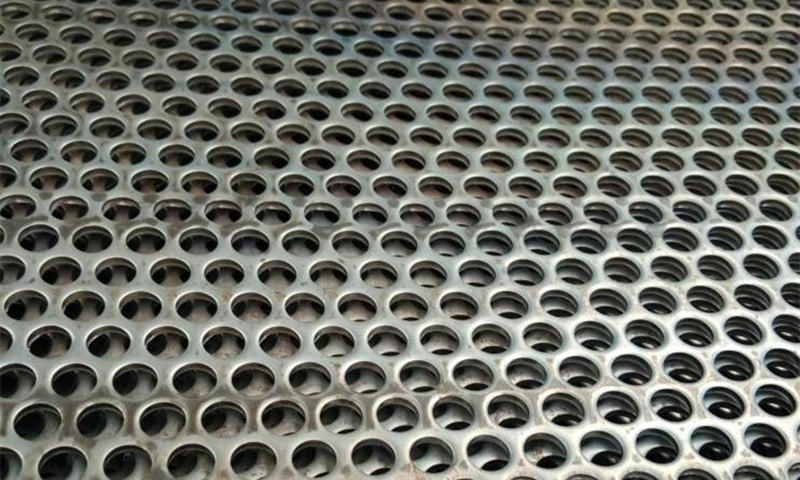
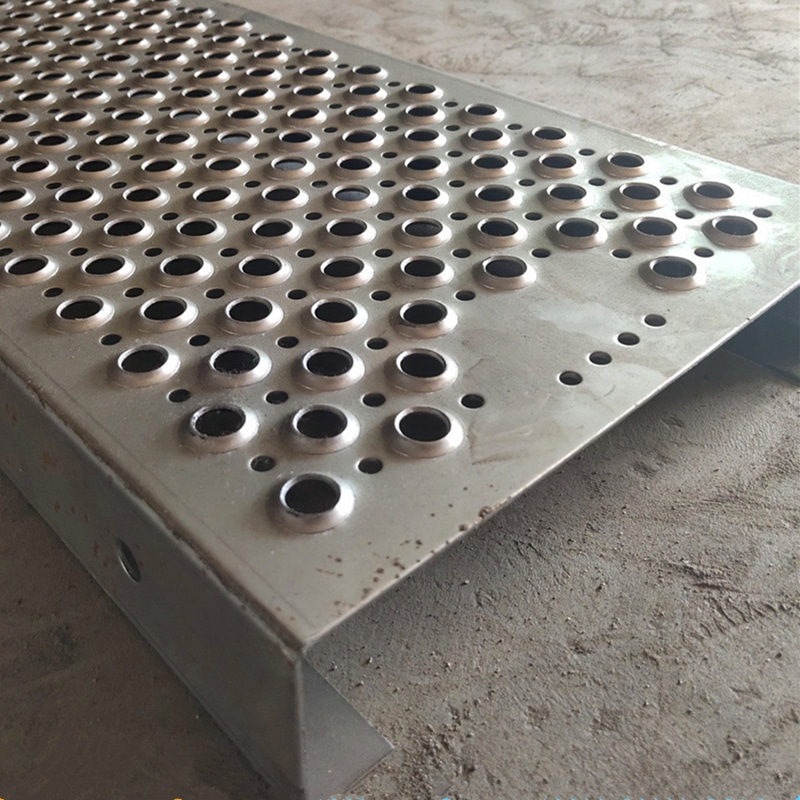
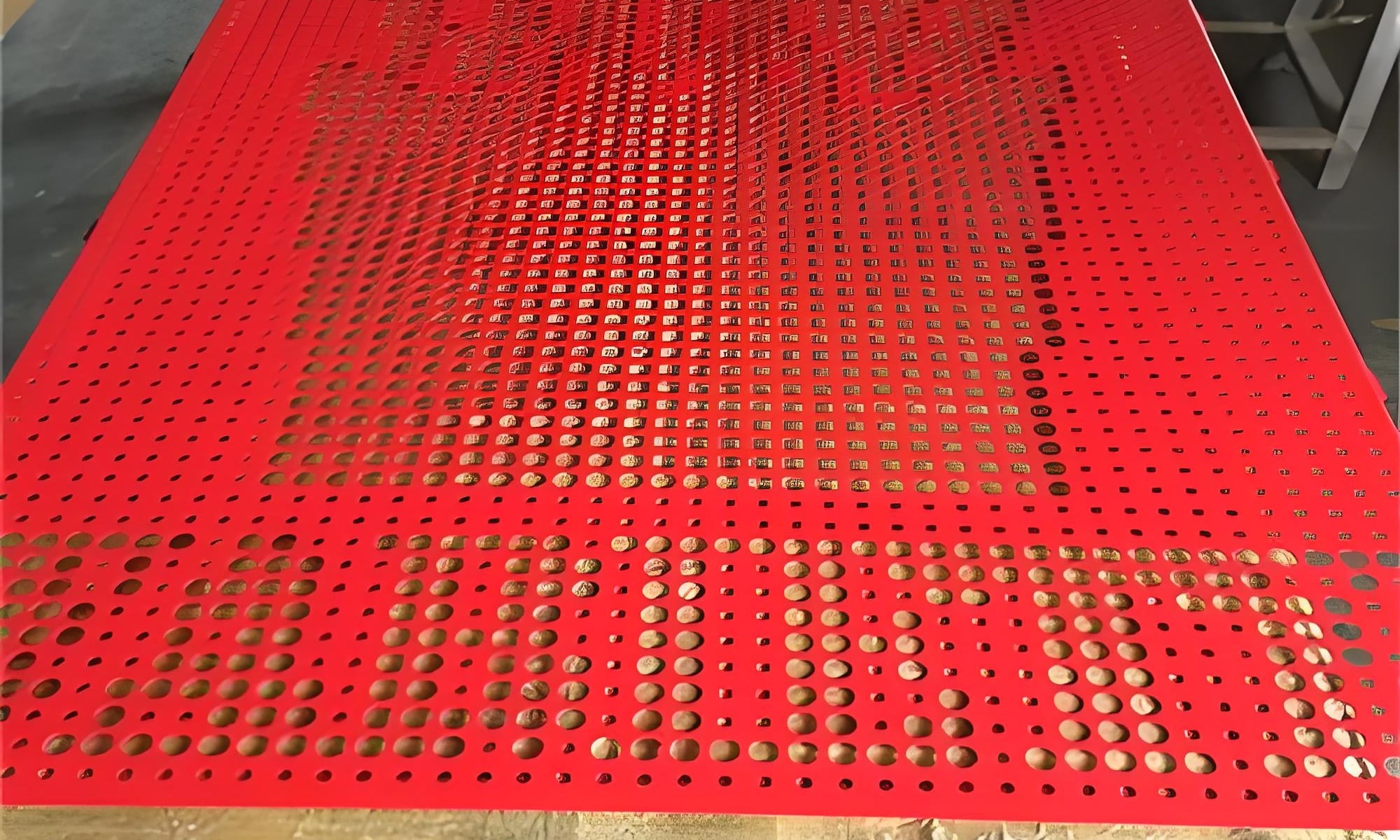
Hole diameter determines which particles pass through and which remain on the screen surface. This directly affects product grading and consistency.
Smaller Hole Sizes
Smaller perforations generally provide finer separation.
They are often used when:
- Tight particle size control is required
- Fine powders or granules must be classified
- Higher output consistency is critical
However, smaller holes may increase the risk of:
- Material blinding
- Reduced throughput
- Higher cleaning frequency
This is especially common when screening damp, sticky, or irregular-shaped material.
Larger Hole Sizes
Larger perforations allow more material to pass through quickly.
They are commonly selected when:
- High throughput is the priority
- Coarse separation is acceptable
- Material flow must remain continuous
The tradeoff is lower separation precision. Oversized particles may pass if process vibration or particle orientation allows.
The final choice depends on acceptable tolerance in your screened product.
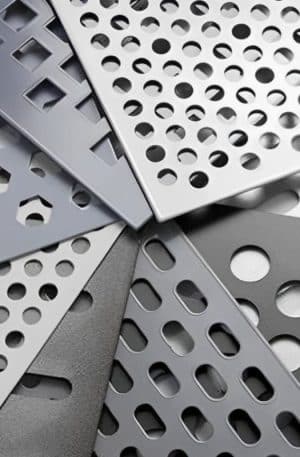
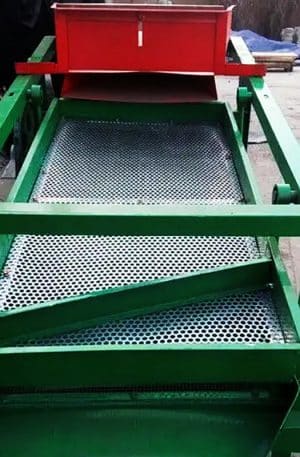


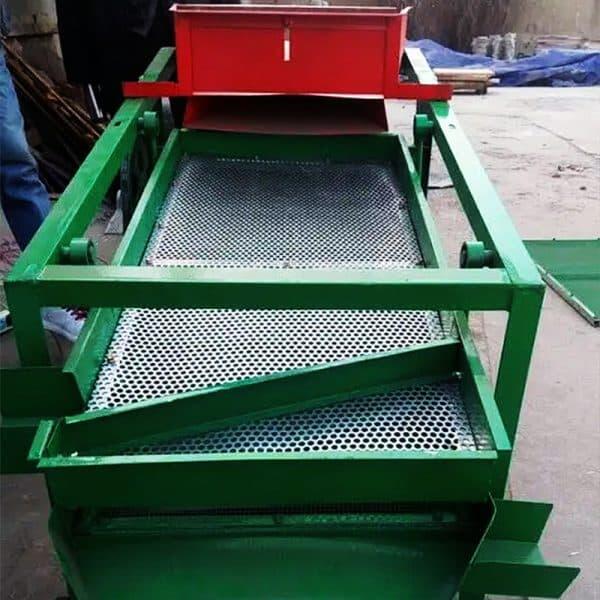
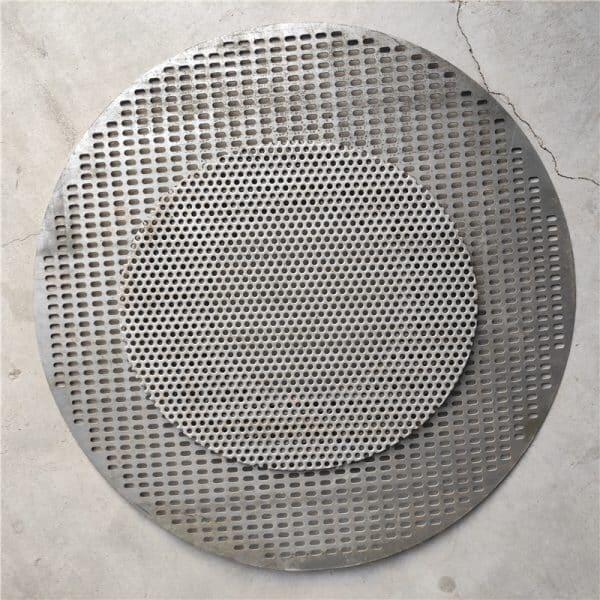
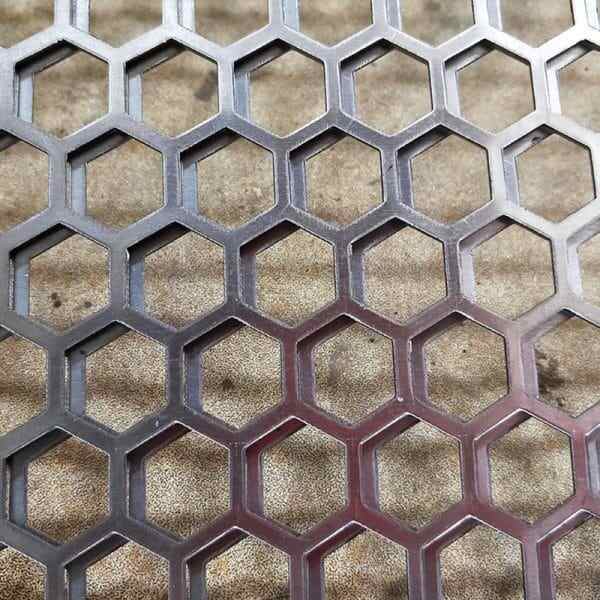
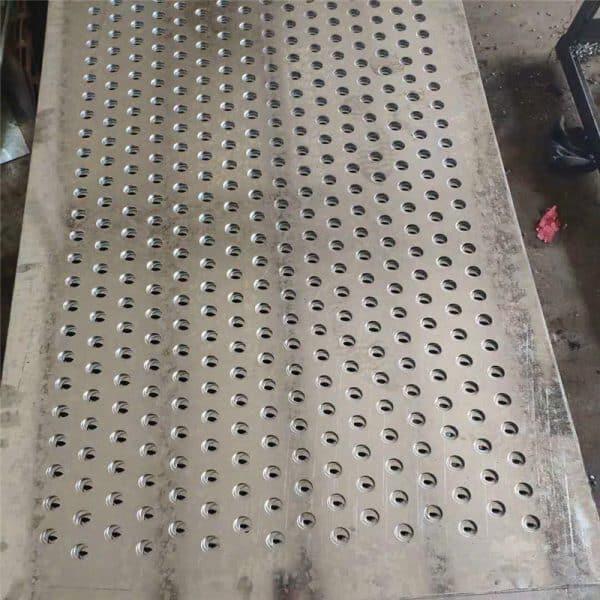
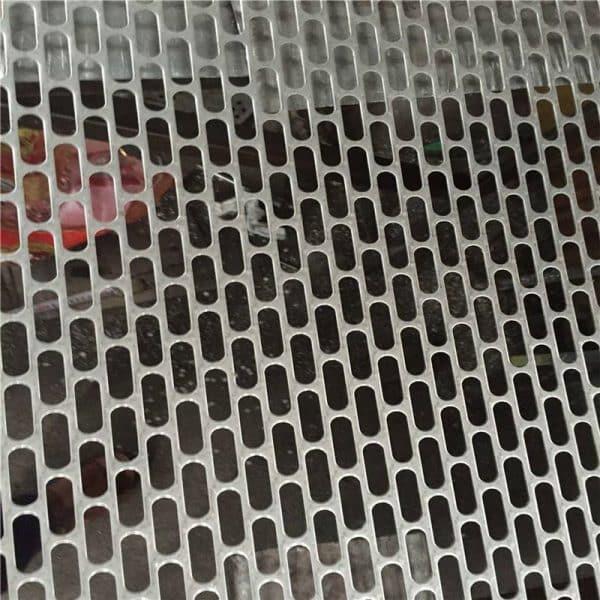
Industrial Perforated Screens & Sieve Plates
Looking for perforated screening panels with the right hole size for your process? We manufacture custom perforated metal sheets for screening, filtration, and separation applications. Hole diameter, open area, material type, and fabrication tolerances can all be matched to your operating requirements. Share your particle size range, throughput target, and working conditions for practical production recommendations and RFQ support.
Impact on Flow Rate
Hole size strongly influences screen flow capacity.
Larger holes generally create greater open area, which allows higher material passage rates. This can improve line efficiency in bulk handling systems.
However, flow rate depends on more than hole diameter alone.
Other factors include:
- Hole pattern layout
- Sheet thickness
- Material type
- Surface finish
- Screen inclination
- Vibration frequency
For example, two screens with identical hole diameters may perform differently if one uses staggered perforation and the other uses straight rows.
A staggered pattern often provides higher open area, which can improve flow in many screening applications.
Sheet thickness also matters.
If the material is too thick relative to hole diameter, particles may experience resistance when passing through. This can reduce effective throughput even when hole size appears adequate on paper.
Balancing Efficiency and Accuracy
Screening design usually involves balancing two competing objectives:
Higher Throughput
Larger openings support faster processing and lower resistance.
This is often important for:
- Mining
- Aggregate handling
- Bulk agricultural processing
- Primary material separation
Higher Classification Accuracy
Smaller openings provide tighter particle control.
This is typically required for:
- Food processing
- Chemical separation
- Fine powder classification
- Precision material grading
In practice, many projects require compromise.
An engineer may choose a slightly larger hole size to avoid clogging while adjusting vibration settings to maintain acceptable separation.
Material characteristics also affect this balance.
Round particles often screen more predictably than irregular or fibrous materials. Sticky products may require larger openings or special surface treatments to reduce blockage.
This is why real operating conditions should guide final selection.

Practical Selection Tips
When specifying perforated screening sheets, it helps to evaluate actual process requirements rather than selecting based only on nominal particle size.
Review Particle Distribution
Know the full particle size range, not just average size.
A wide distribution may require staged screening rather than a single hole size.
Consider Material Behavior
Ask whether the product is:
- Dry or moist
- Free-flowing or sticky
- Uniform or irregular in shape
- Abrasive or soft
These properties influence how particles interact with perforations.
Match Thickness to Hole Size
Very small holes in thick sheet may reduce effective passage.
Fabrication capability also depends on tooling and material type.
In many cases, practical punching limits depend on:
- Material hardness
- Hole diameter
- Sheet thickness
- Required flatness after perforation
Sharing your drawing early helps avoid avoidable revisions during production.
Test When Possible
For critical screening applications, sample testing is often valuable.
Prototype panels can help verify:
- Throughput performance
- Material flow behavior
- Separation accuracy
- Cleaning requirements