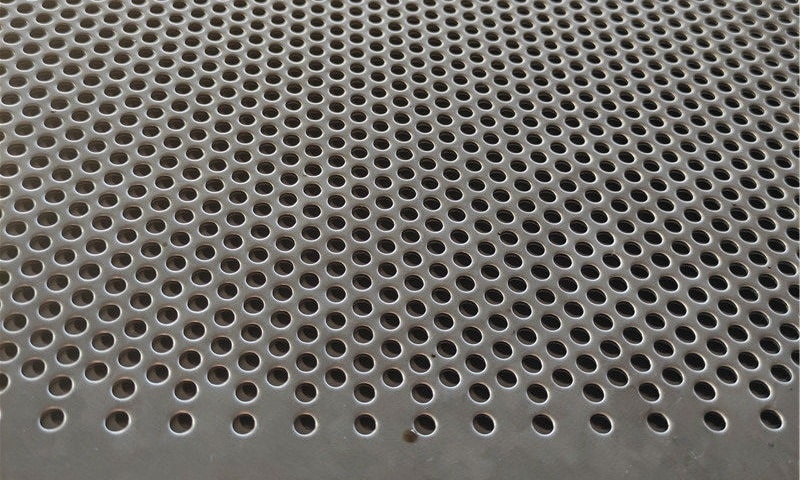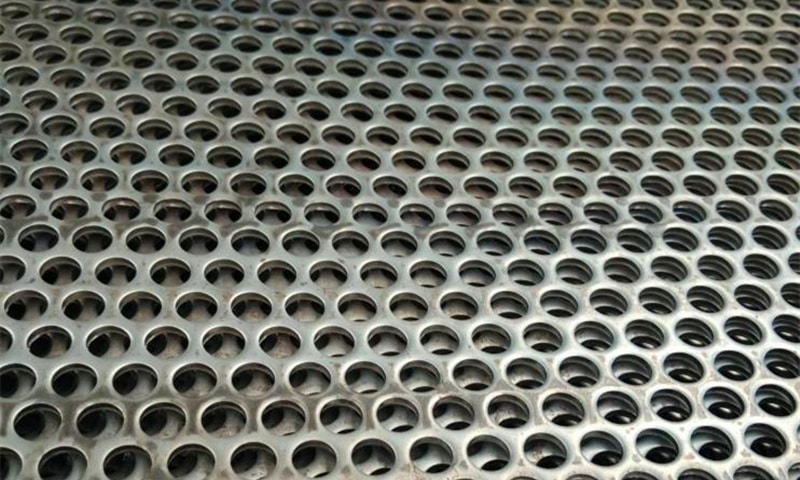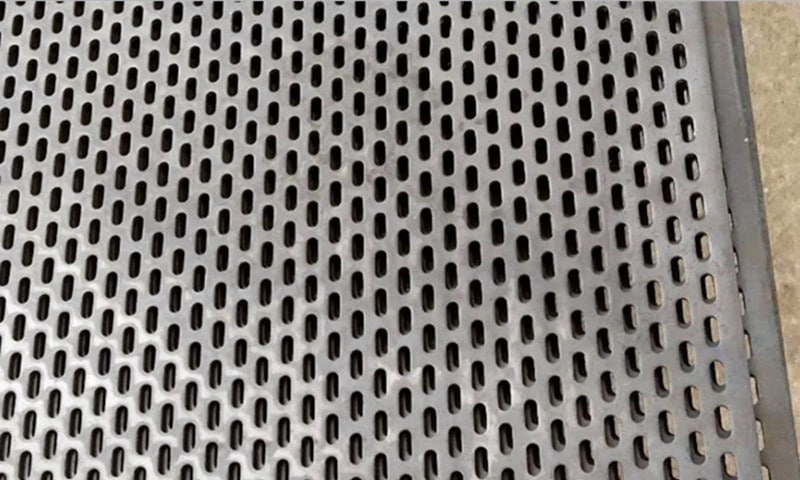
Understanding When Heavy Gauge Round Hole Punched Panels Are Required
Selecting the correct thickness for a round hole punched panel is not simply a matter of choosing a heavier sheet for added strength. In industrial applications, the thickness decision must consider operating loads, material impact, abrasion conditions, support structure, and the expected service life of the panel.
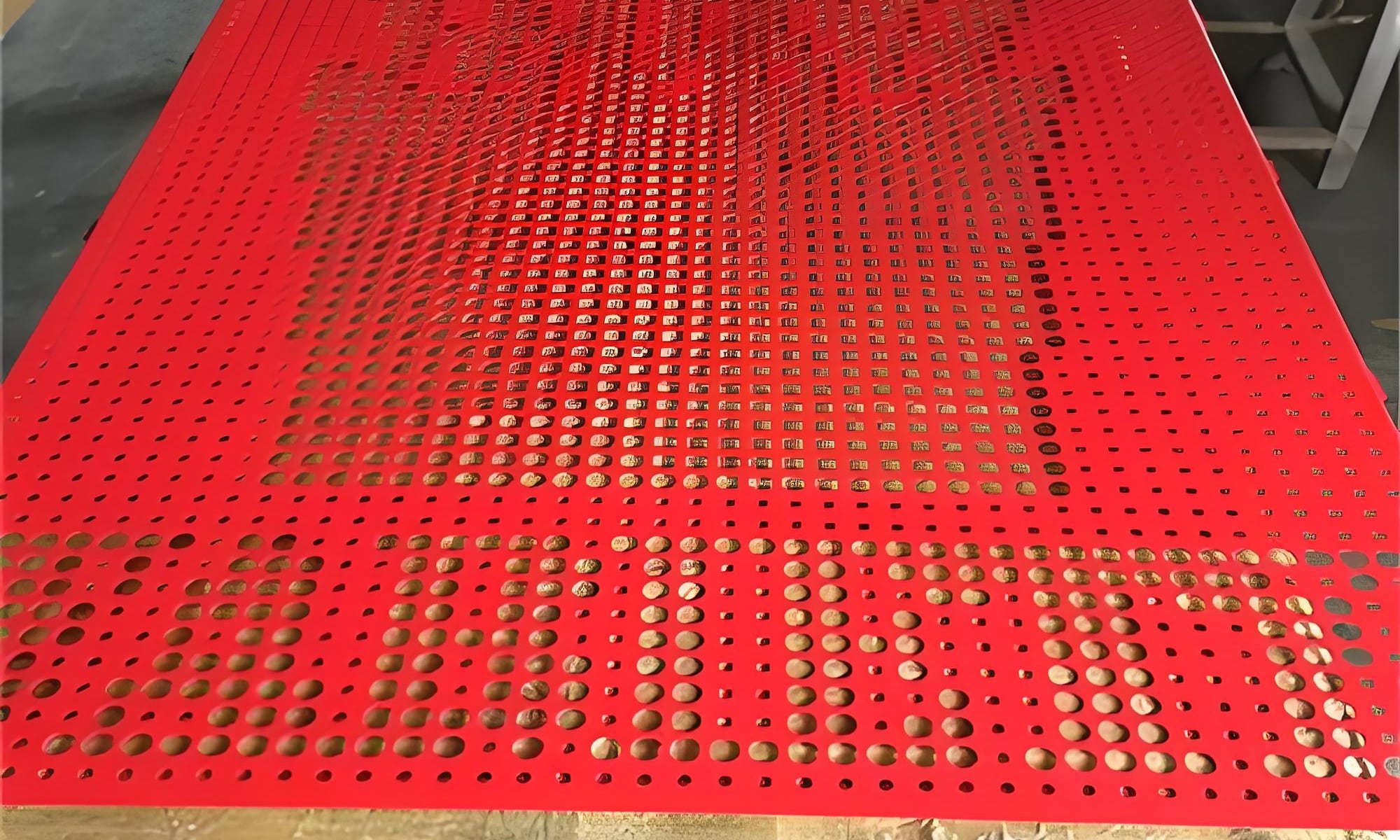
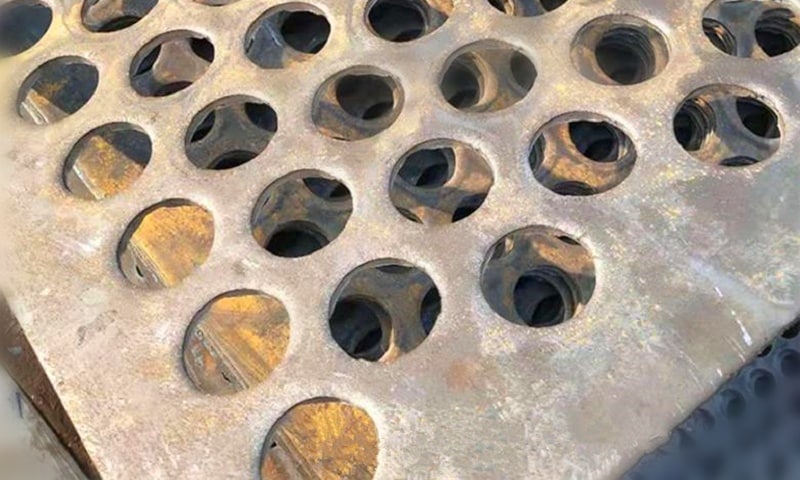
For applications such as mining screens, aggregate processing equipment, bulk material handling, and heavy-duty filtration systems, round hole punched panels often experience repeated impact from rocks, minerals, and other abrasive materials. In these environments, a thin sheet may deform, elongate around the perforations, or develop cracks after continuous operation.
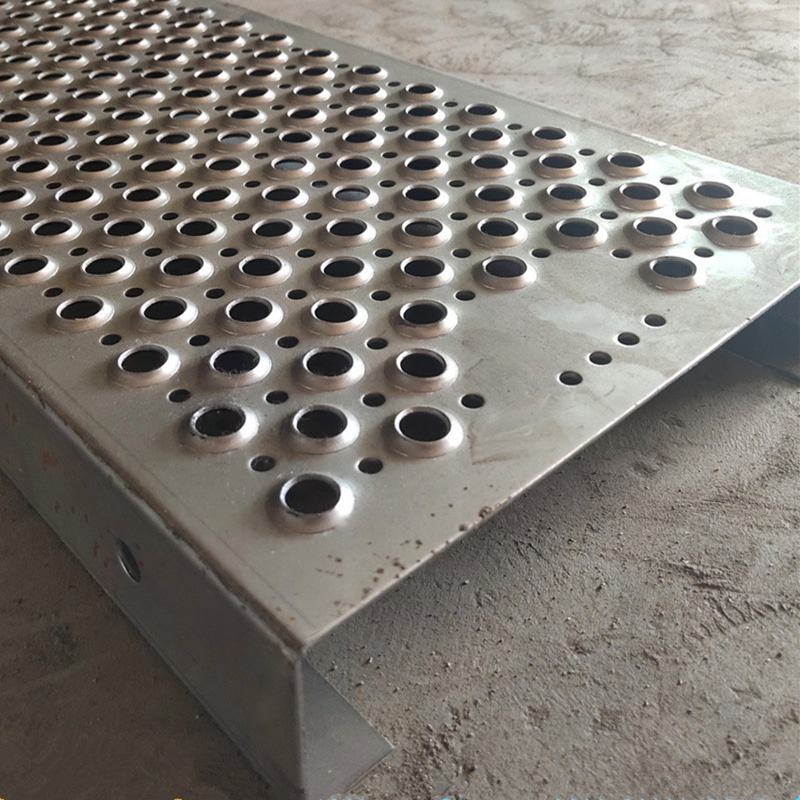
Heavy gauge carbon steel panels are commonly specified when the perforated sheet itself becomes a structural working component rather than only a separation surface.

How Material Thickness Affects Performance
Resistance to Impact and Material Wear
The perforations create areas where stress is concentrated, especially around the edges of each hole. When heavy materials fall onto the panel surface, these areas experience repeated loading cycles.
A thicker carbon steel sheet provides more material around the perforation openings, helping the panel resist:
- Hole deformation caused by impact
- Surface denting from large particles
- Cracking caused by repeated vibration
- Premature failure in high-abrasion environments
However, increasing thickness does not automatically solve every application challenge. The hole diameter, open area ratio, material grade, and support spacing must work together with thickness selection.
Balancing Thickness, Open Area, and Screening Efficiency
In screening applications, engineers often face a practical trade-off. A thicker panel improves durability, but excessive thickness can affect material flow and screening performance.
For example, a mining operation handling large abrasive particles may prioritize a thicker carbon steel round hole panel with a moderate open area. Meanwhile, a lighter screening process may require a thinner sheet to maintain higher throughput.
The correct specification depends on the actual working conditions:
- Material type and hardness
- Particle size distribution
- Impact height and loading frequency
- Required screening accuracy
- Supporting frame design
Experienced engineers typically evaluate the complete operating environment rather than selecting thickness based only on hole size.
Choosing Heavy Gauge Carbon Steel for Abrasive Applications
Common Applications Requiring Increased Thickness
Heavy gauge round hole punched panels are often used in industries where mechanical stress is continuous, including:
- Mining and mineral processing
- Quarry and aggregate screening
- Recycling equipment
- Heavy material separation systems
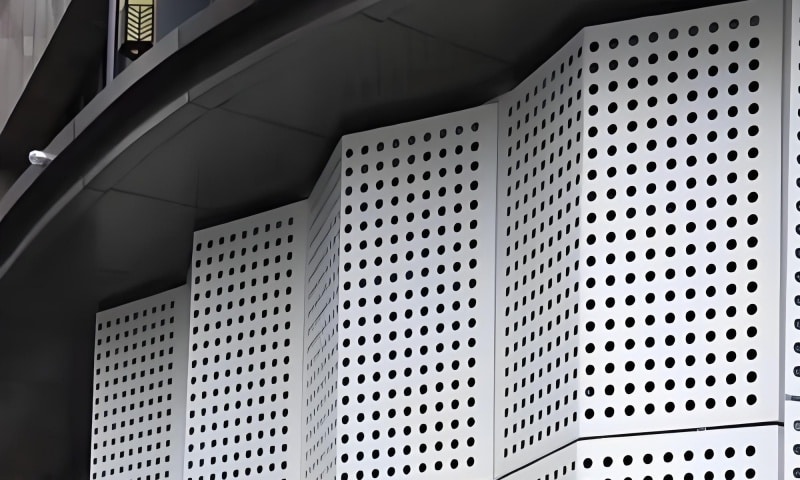
- Industrial machinery guards and covers
Carbon steel remains a widely used option because it provides a practical combination of strength, machinability, and cost efficiency. Depending on environmental conditions, additional surface treatments such as galvanizing or protective coatings may also be considered.
Manufacturing Considerations Behind Thickness Selection
From a manufacturing perspective, producing thicker perforated panels requires careful control during punching. Higher thickness materials generate greater forming resistance, which can influence hole accuracy, edge condition, and flatness.
The punching process must be matched with suitable tooling, machine capacity, and production parameters. Poor process control can lead to issues such as uneven hole dimensions, excessive burrs, or panel distortion after perforation.
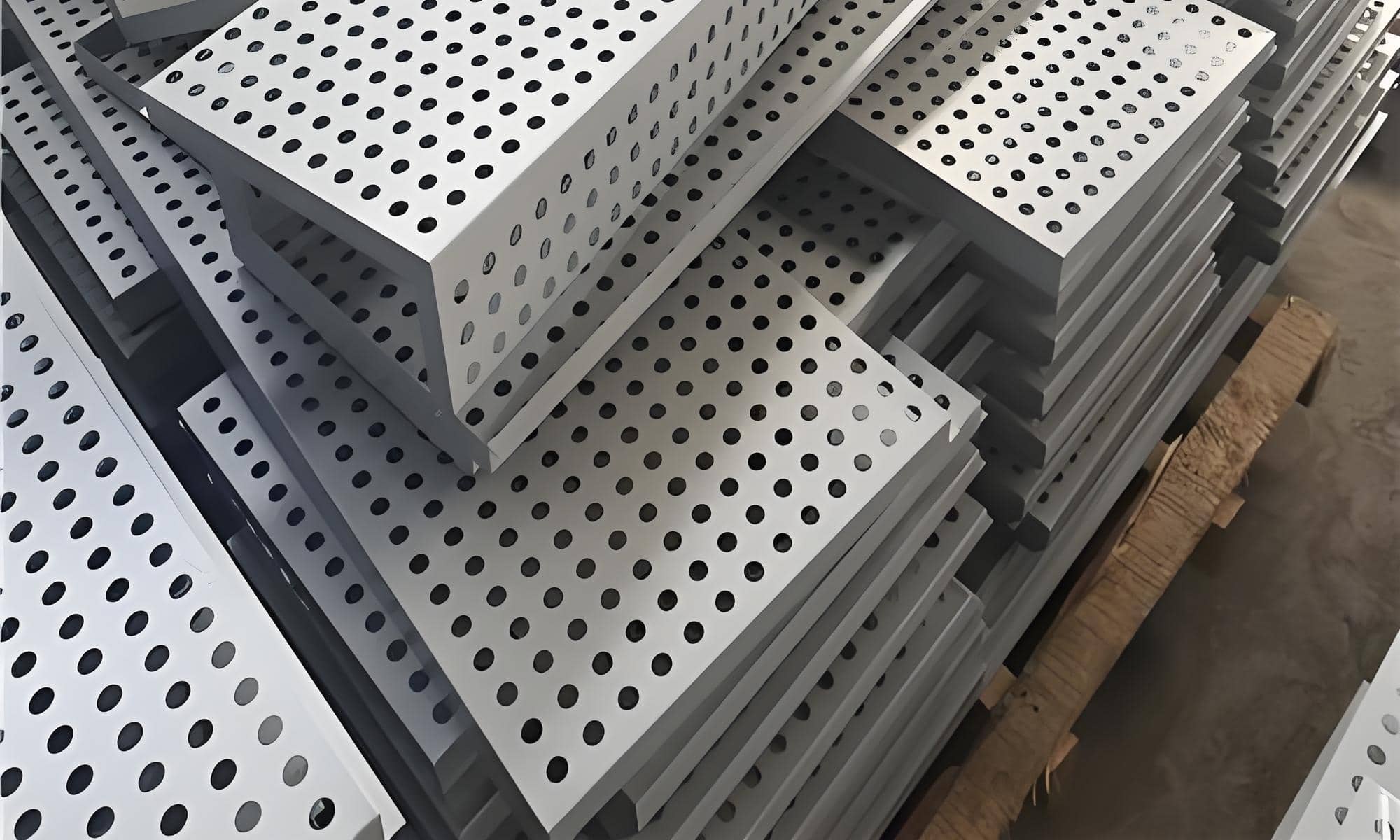
For large industrial panels, maintaining consistent hole patterns and dimensional accuracy is especially important because the finished sheets must fit correctly into existing screening frames or equipment assemblies.
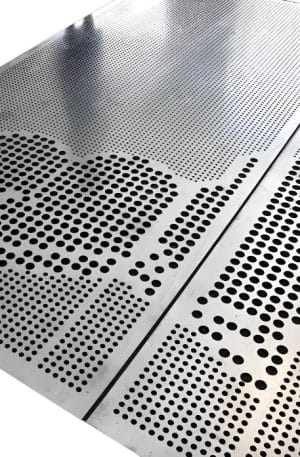


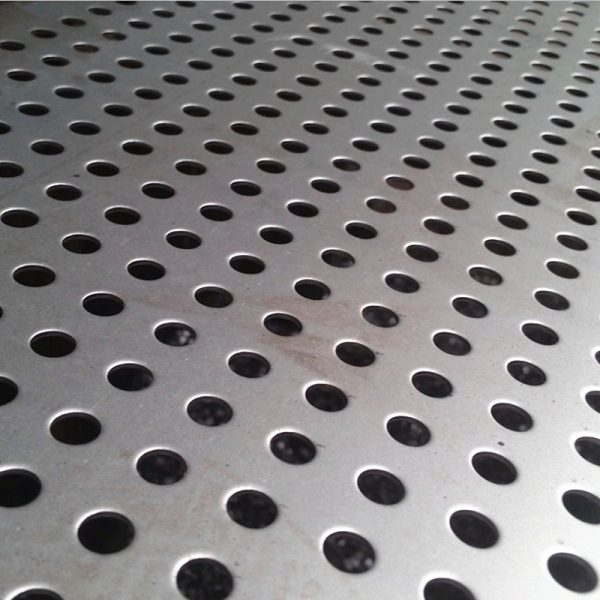
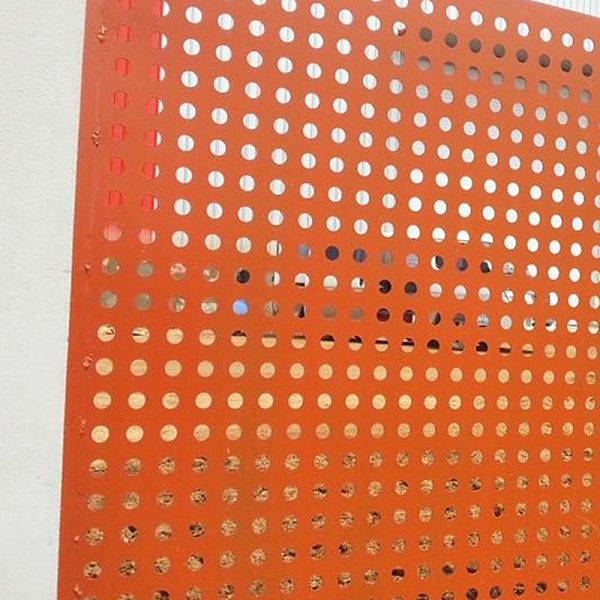
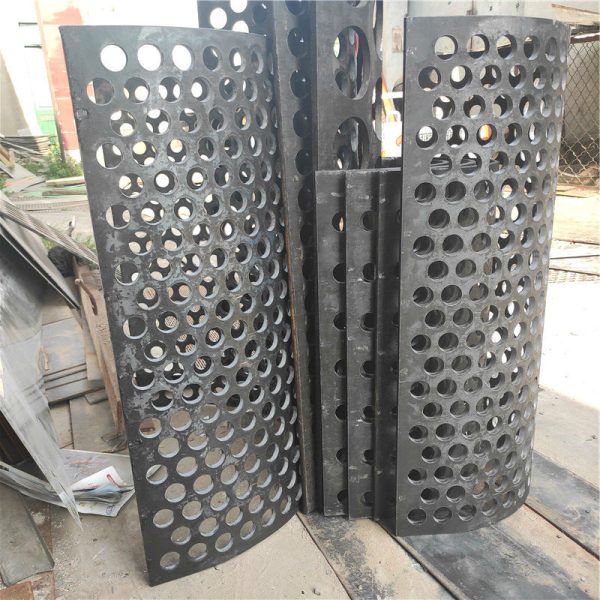

Round Hole Perforated Metal Sheets
Heavy gauge round hole punched panels require more than selecting thicker raw material. The manufacturing process must control punching force, tooling condition, sheet flatness, and dimensional accuracy throughout production. When working with carbon steel panels for demanding applications such as mining and material screening, our manufacturing approach focuses on matching production parameters with the actual operating requirements. This includes selecting suitable punching methods for thicker sheets, maintaining consistent hole geometry, and controlling deformation during processing. By understanding how thickness, perforation patterns, and end-use conditions interact, we help customers develop Custom Round Hole Punched Panels that meet structural and performance requirements for heavy-duty environments.