Why 321 Stainless Steel Performs Better in High-Temperature Environments
In perforated metal applications exposed to repeated heating cycles, material selection is often more important than the perforation pattern itself. Stainless steel sheets used in temperatures between 400°C and 800°C must resist oxidation, maintain mechanical strength, and avoid premature failure caused by thermal stress.
321 stainless steel is designed for these demanding conditions because it contains titanium as a stabilizing element. The titanium addition helps prevent chromium carbide precipitation during high-temperature exposure, which reduces the risk of intergranular corrosion after repeated heating and cooling cycles.
For perforated stainless steel components, this stability is especially valuable because the perforation process creates many exposed edges where corrosion resistance and material consistency are critical.
The Role of Titanium Stabilization in Grade 321 Stainless Steel
Reducing Corrosion Risk During Thermal Cycling
When stainless steel operates at elevated temperatures, carbon can combine with chromium and form chromium carbides at grain boundaries. In standard 304 stainless steel, prolonged exposure in the sensitization temperature range may reduce corrosion resistance.
321 stainless steel uses titanium to bind with carbon preferentially, forming titanium carbides instead. This protects the chromium content needed for corrosion resistance and allows the sheet to perform more reliably in high-temperature applications.
For perforated sheets used in exhaust systems, heat shields, and filtration equipment, this difference can directly influence service life and maintenance frequency.
Maintaining Strength Under Continuous Heat Exposure
High-temperature environments do not only create corrosion concerns. They also affect hardness, tensile strength, and dimensional stability.
Compared with 304 stainless steel, grade 321 generally provides better resistance to structural degradation during long-term thermal exposure. This makes it suitable for components that experience repeated temperature fluctuations, such as aircraft exhaust components and industrial high-temperature filtration screens.
The advantage is not that 321 stainless steel remains unchanged under heat, but that its mechanical properties decline more gradually under demanding operating conditions.
321 Stainless Steel Perforated Sheets in Aerospace Exhaust Systems and Filters
Aerospace Exhaust Applications
Aircraft exhaust systems experience rapid temperature changes, vibration, and oxidation conditions. Perforated stainless steel components used in these areas require a balance between airflow performance, heat resistance, and corrosion protection.
321 stainless steel is commonly selected for these applications because it maintains stability during repeated heating cycles. The perforated structure can provide weight reduction, airflow control, and acoustic performance while the base material handles thermal stress.
High-Temperature Filtration Systems
Industrial filtration equipment operating near furnaces, chemical processing lines, or combustion systems often requires perforated sheets that can maintain shape and performance at elevated temperatures.
A heat resistant perforated stainless steel solution based on grade 321 helps reduce deformation risks and supports consistent filtration performance where lower-temperature materials may experience faster degradation.
Comparing 304 and 321 Stainless Steel Under Extreme Heat
304 stainless steel remains widely used because of its corrosion resistance, availability, and cost efficiency. However, when exposed to prolonged high temperatures, its resistance to sensitization becomes a consideration.
321 stainless steel provides an advantage in applications where temperatures repeatedly enter the 400°C to 800°C range. Its titanium stabilization improves resistance to carbide precipitation and helps maintain mechanical properties during thermal cycling.
For room-temperature applications, the difference between 304 and 321 may not be significant. But for perforated sheets operating near heat sources, the material choice can affect reliability, maintenance intervals, and overall equipment performance.






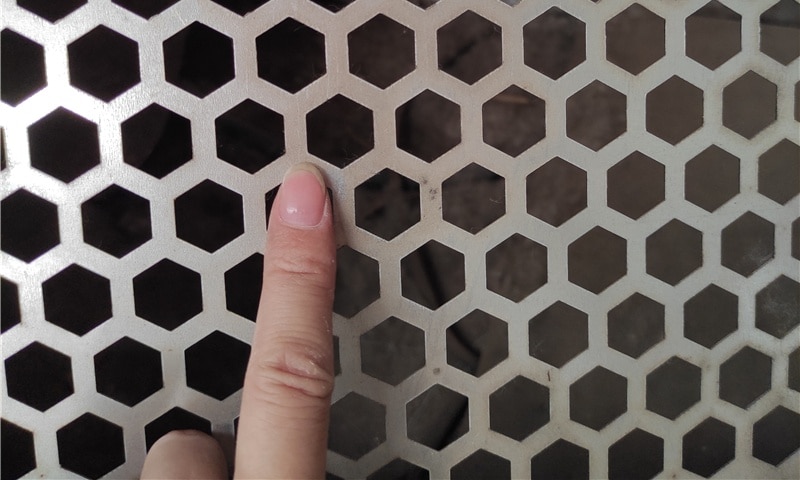
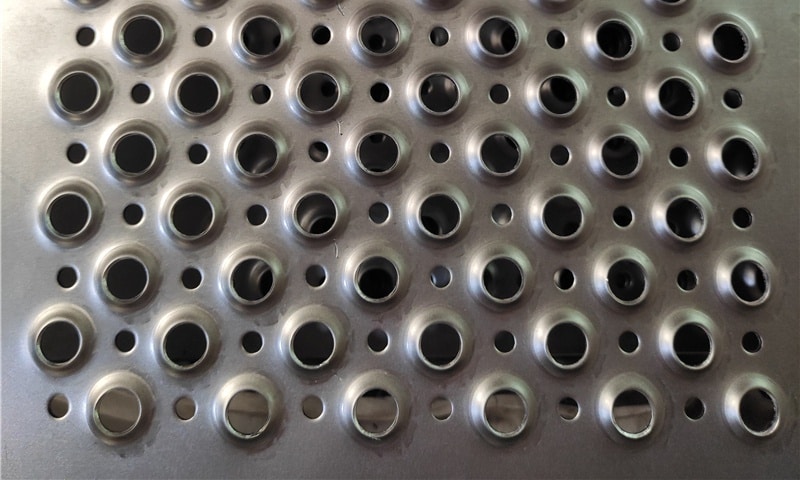
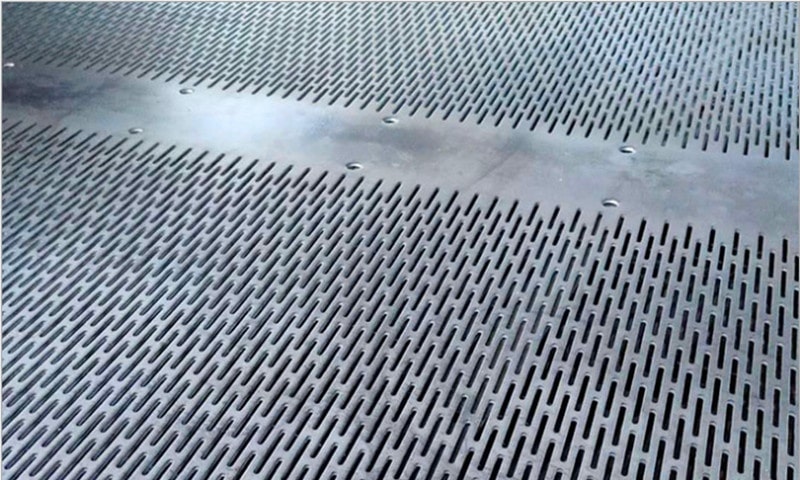
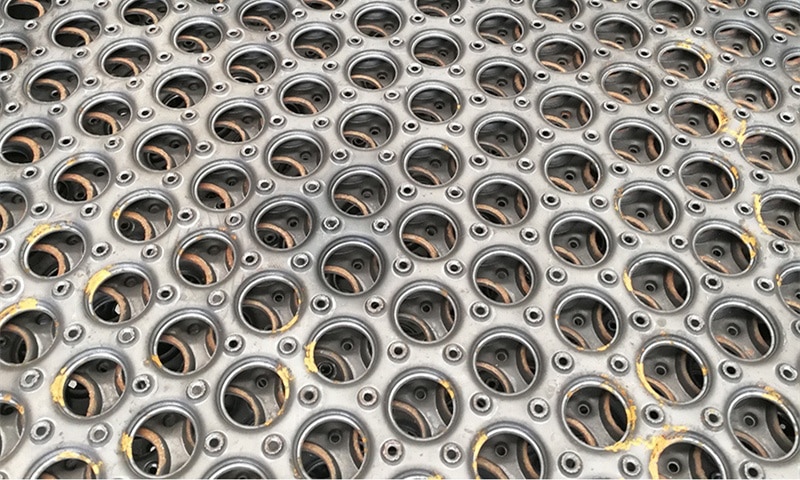
Stainless Steel Perforated Metal Sheets
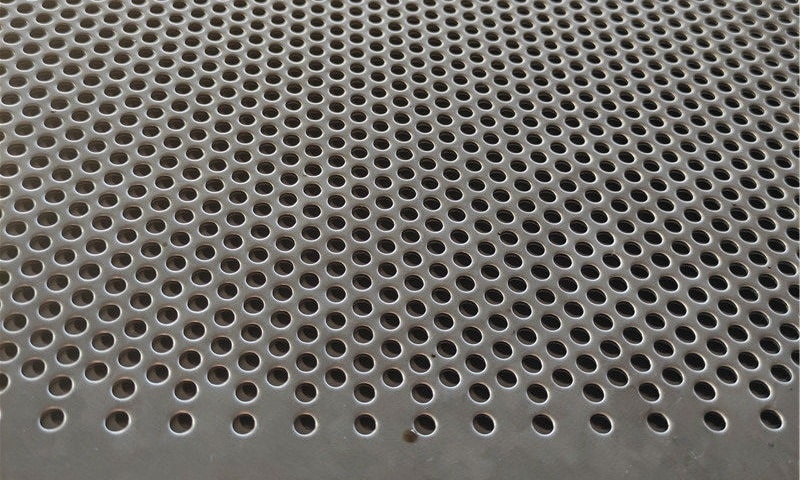
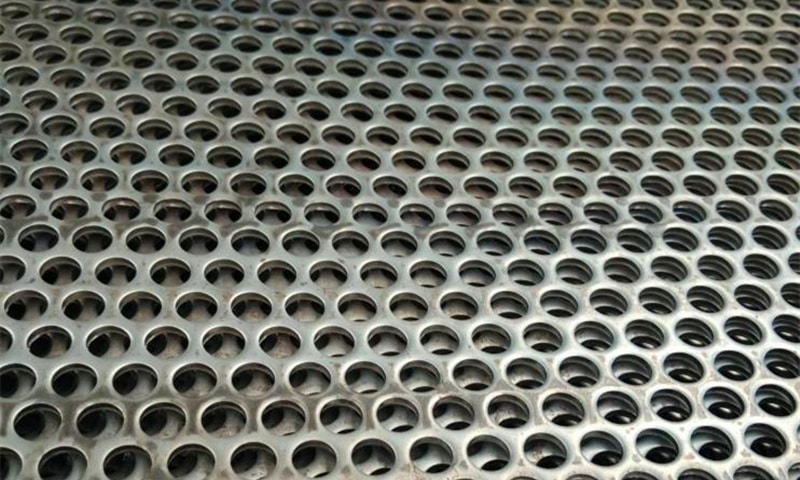
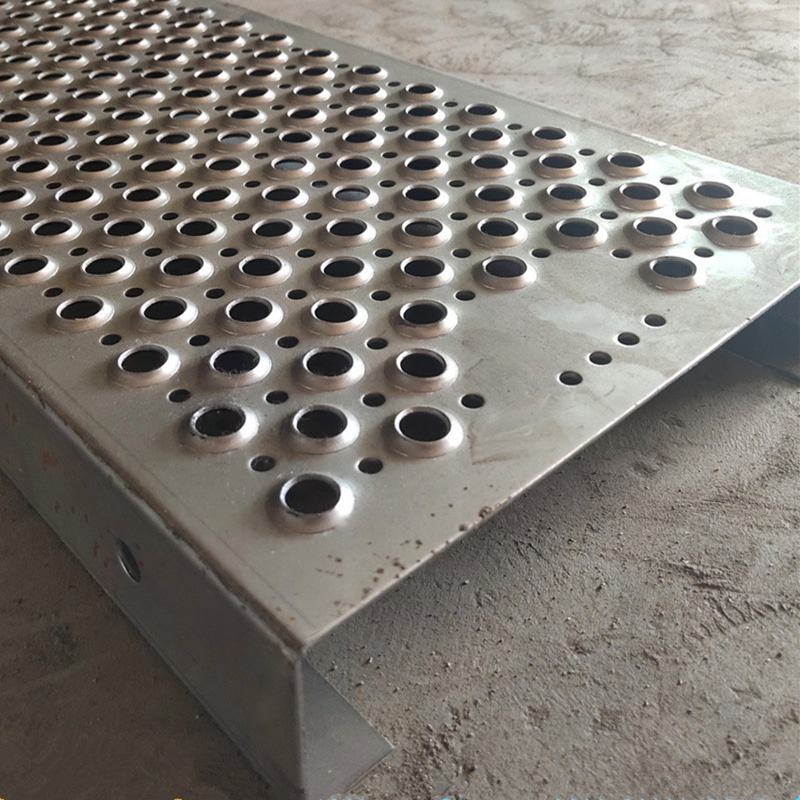
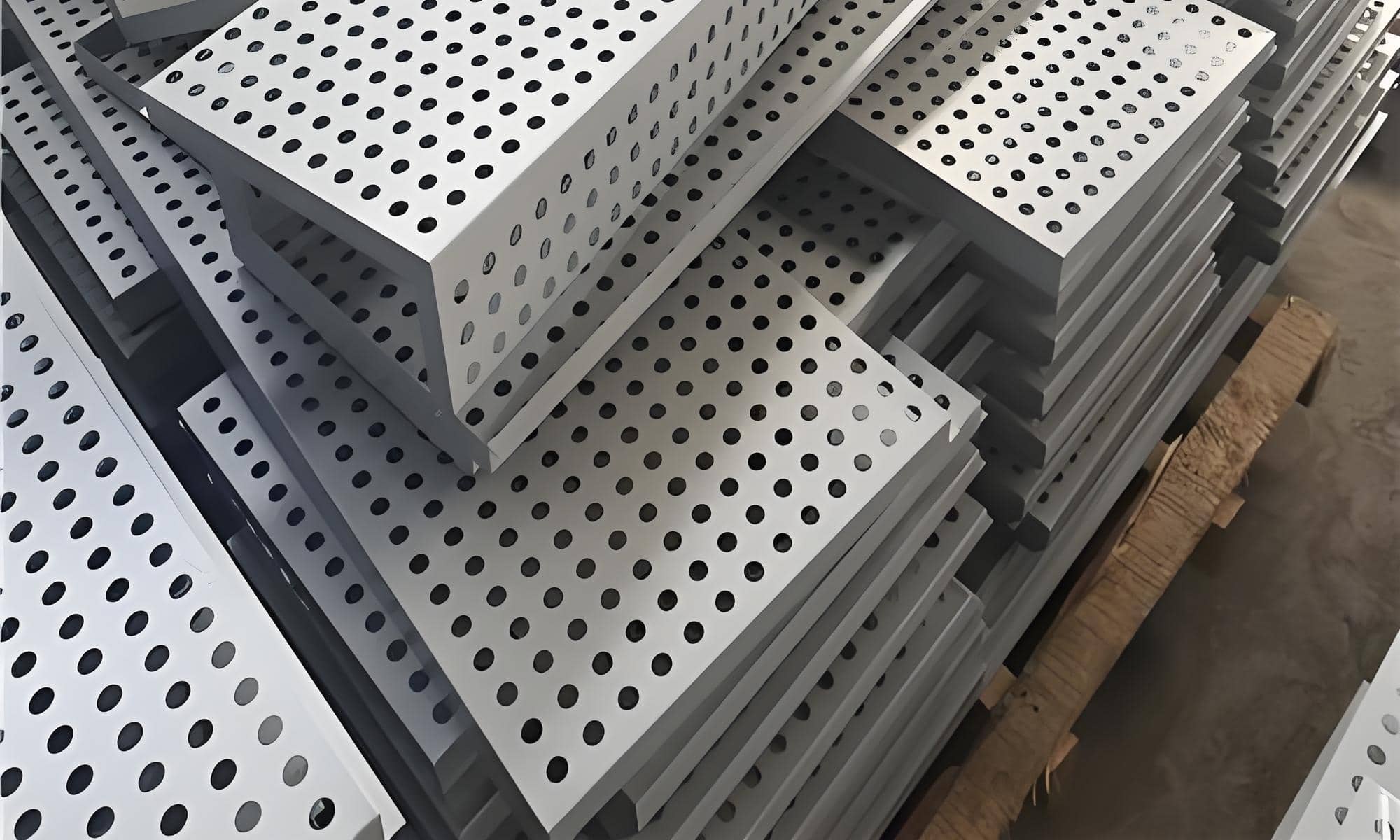
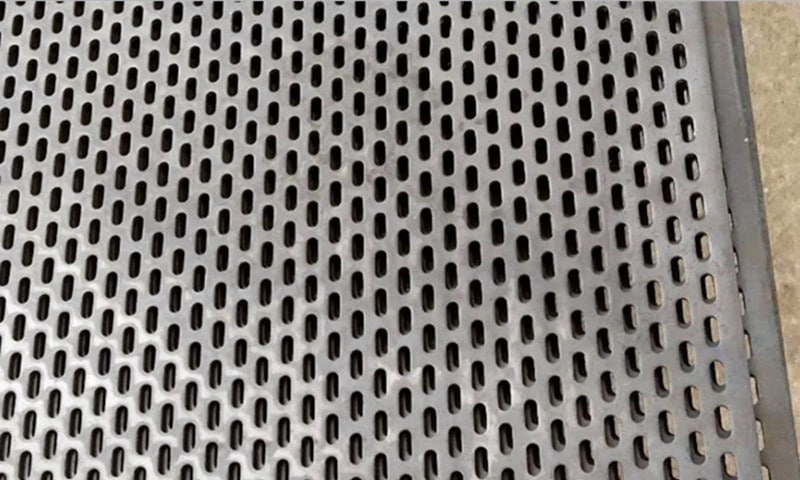
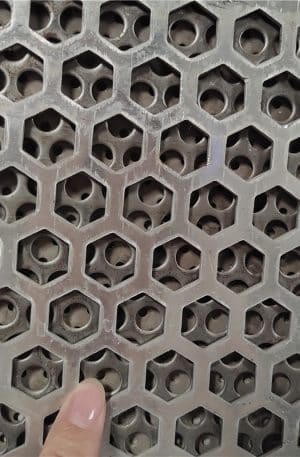
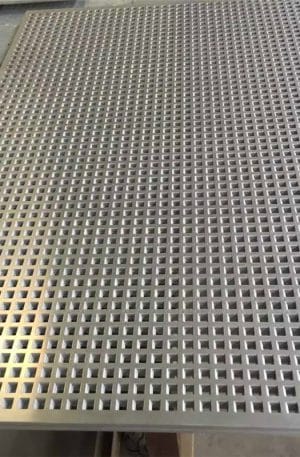
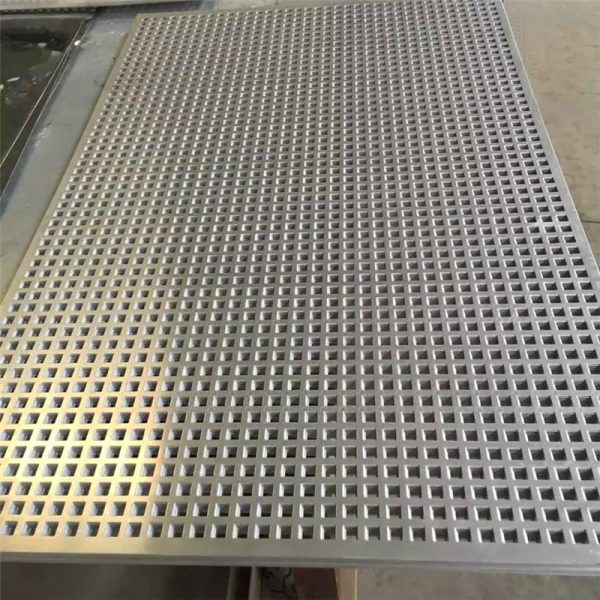
Producing heat resistant perforated stainless steel sheets for high-temperature environments requires more than selecting the correct alloy grade. The perforation process, tooling selection, edge condition, and post-processing methods must all be controlled to protect the material performance of 321 stainless steel. During manufacturing, factors such as hole pattern accuracy, sheet flatness after punching, and surface treatment quality directly influence how the finished component behaves under thermal cycling. Our manufacturing approach focuses on matching perforation methods and processing parameters with the operating conditions of each application, including aerospace exhaust parts and high-temperature filtration systems. By understanding both material behavior and fabrication challenges, we help ensure that perforated sheets maintain their designed function after installation in demanding environments.