Why Deburring Matters for Heavy Duty Perforated Plates
Heavy duty perforated plates are widely used in industrial flooring, screening systems, machine guarding, façade support structures, and load-bearing platforms.
Because these plates are usually produced from thicker materials and larger punching forces, burr formation is more likely compared with lighter gauge perforated sheets.
Deburring is not only a cosmetic process.
In many cases, it directly affects:
- Handling safety during unloading and installation
- Surface coating consistency
- Fit-up accuracy during assembly
- Packaging integrity during shipment
- Long-term corrosion resistance after finishing
For procurement teams and engineers, deburring requirements should be clearly defined before production starts.
Without this clarification, plates that meet dimensional tolerances may still create problems during downstream installation.
What Causes Burrs on Heavy Duty Perforated Plates
Material Thickness and Punching Force
As material thickness increases, punching loads rise significantly.
This can increase the chance of:
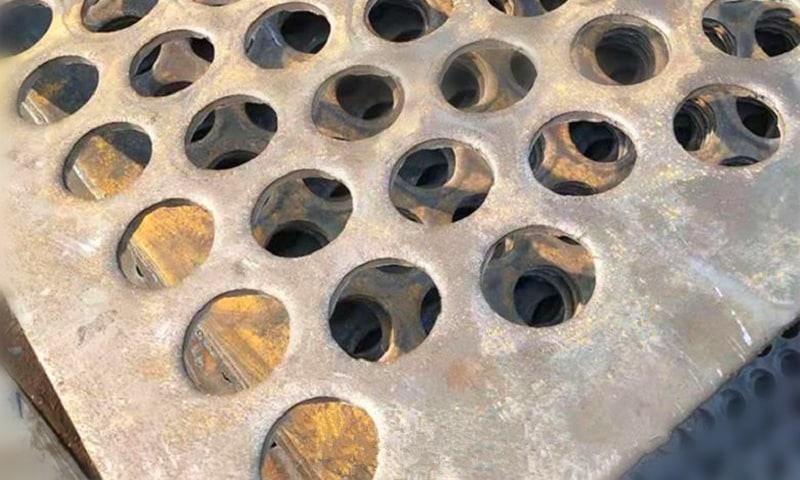
- Sharp exit-side burrs
- Raised metal edges around perforations
- Local edge distortion
The final burr condition depends on several factors, including material hardness, punch-to-die clearance, tooling wear, and hole pattern geometry.
Tooling Condition
Even with correct setup, tooling wear gradually affects edge quality.
Worn punches may produce:
- Rougher cut surfaces
- Inconsistent edge sharpness
- Larger burr height variation across the sheet
For repeat production, tool maintenance intervals should be controlled carefully.
Hole Density and Open Area
High open-area patterns can increase localized deformation.
This is especially relevant for:
- Small pitch round holes
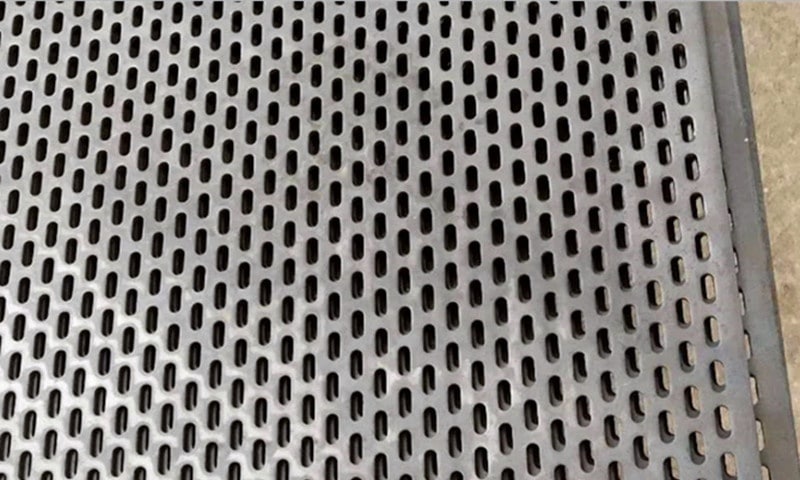
- Slotted patterns
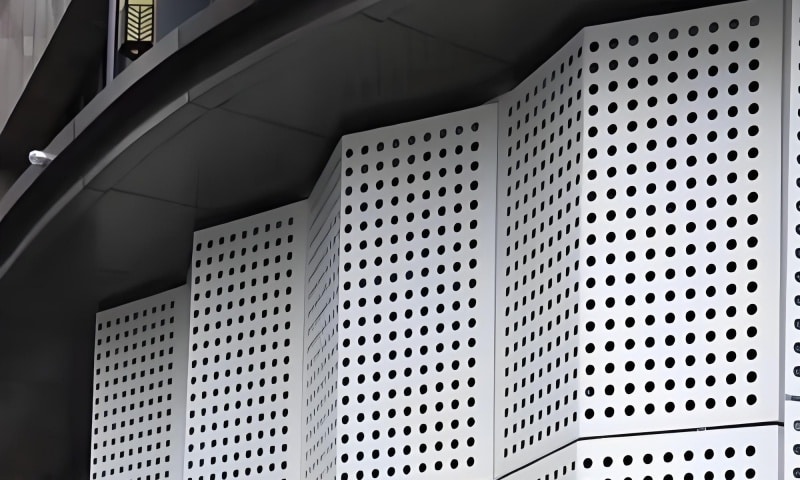
- Decorative dense architectural perforations
When open area is high, edge finishing requirements often need additional review.


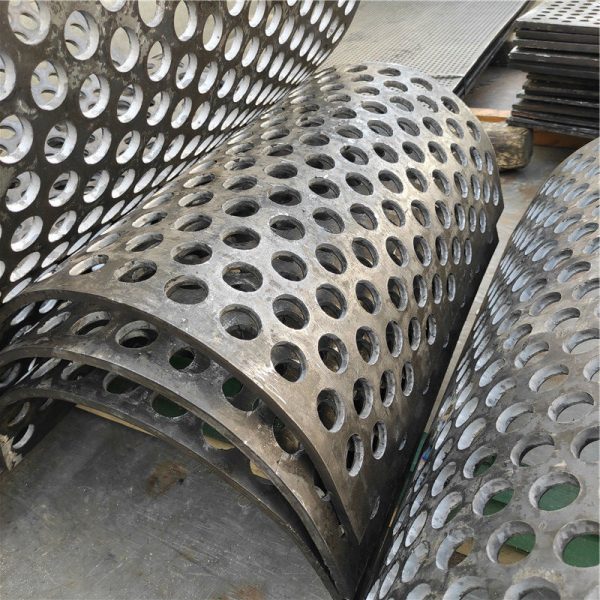
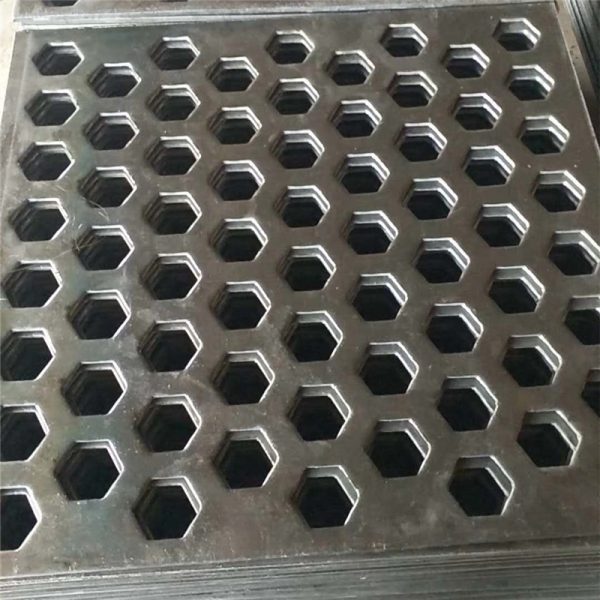


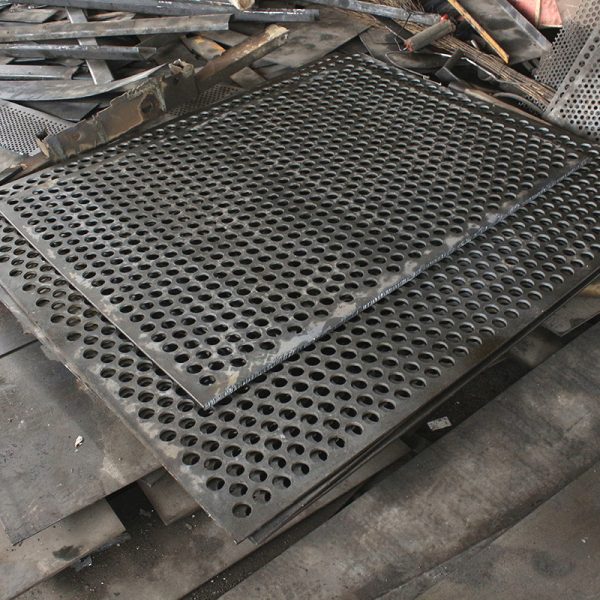
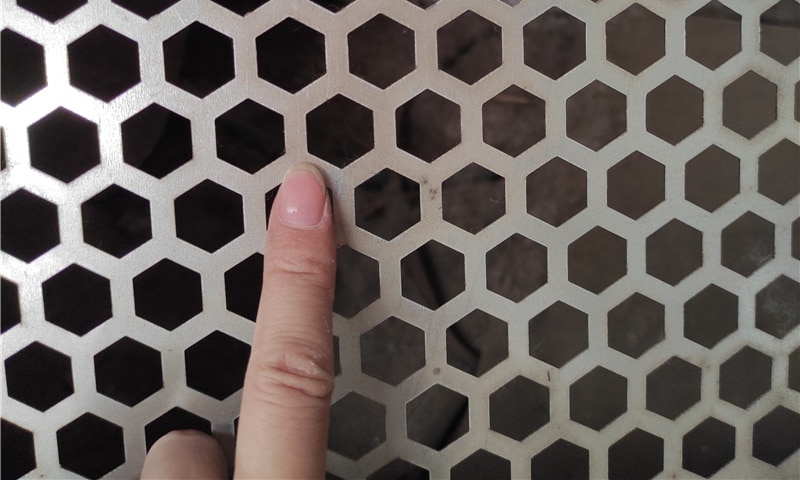
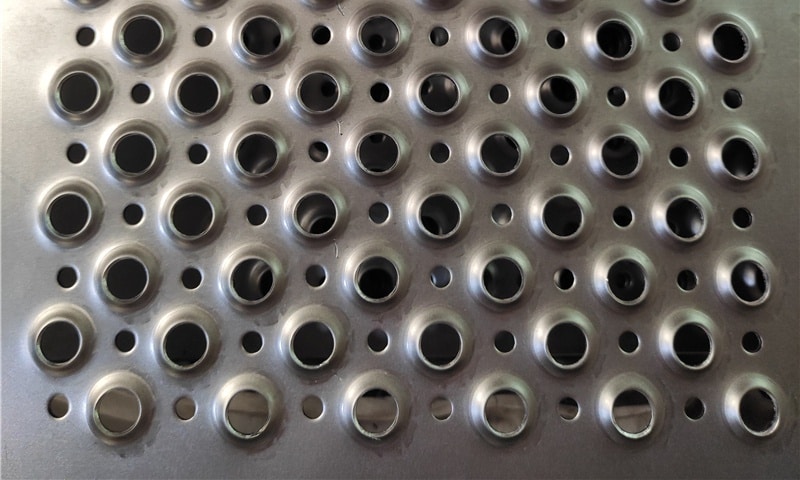
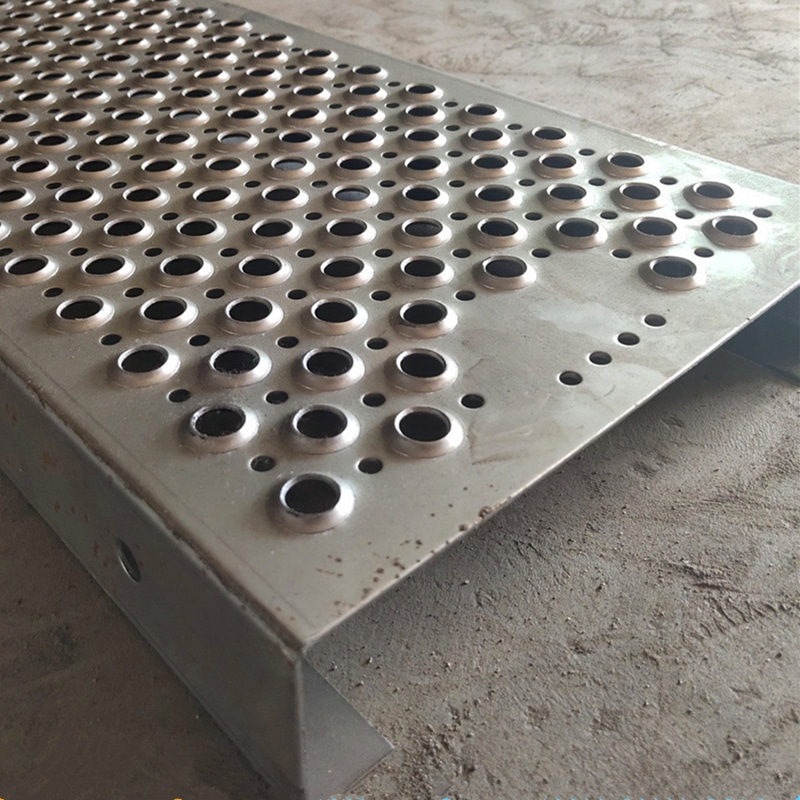
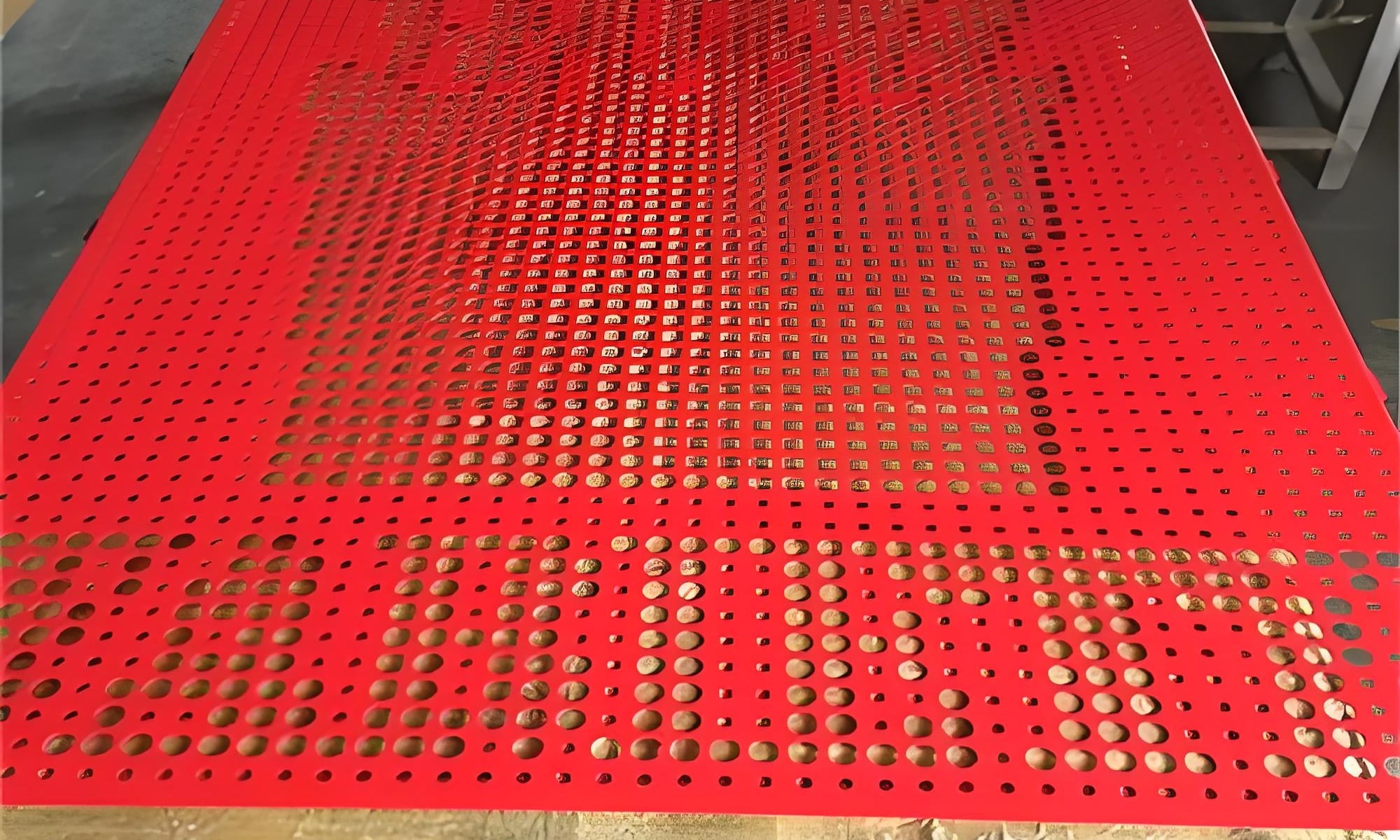
Heavy Duty Perforated Plates
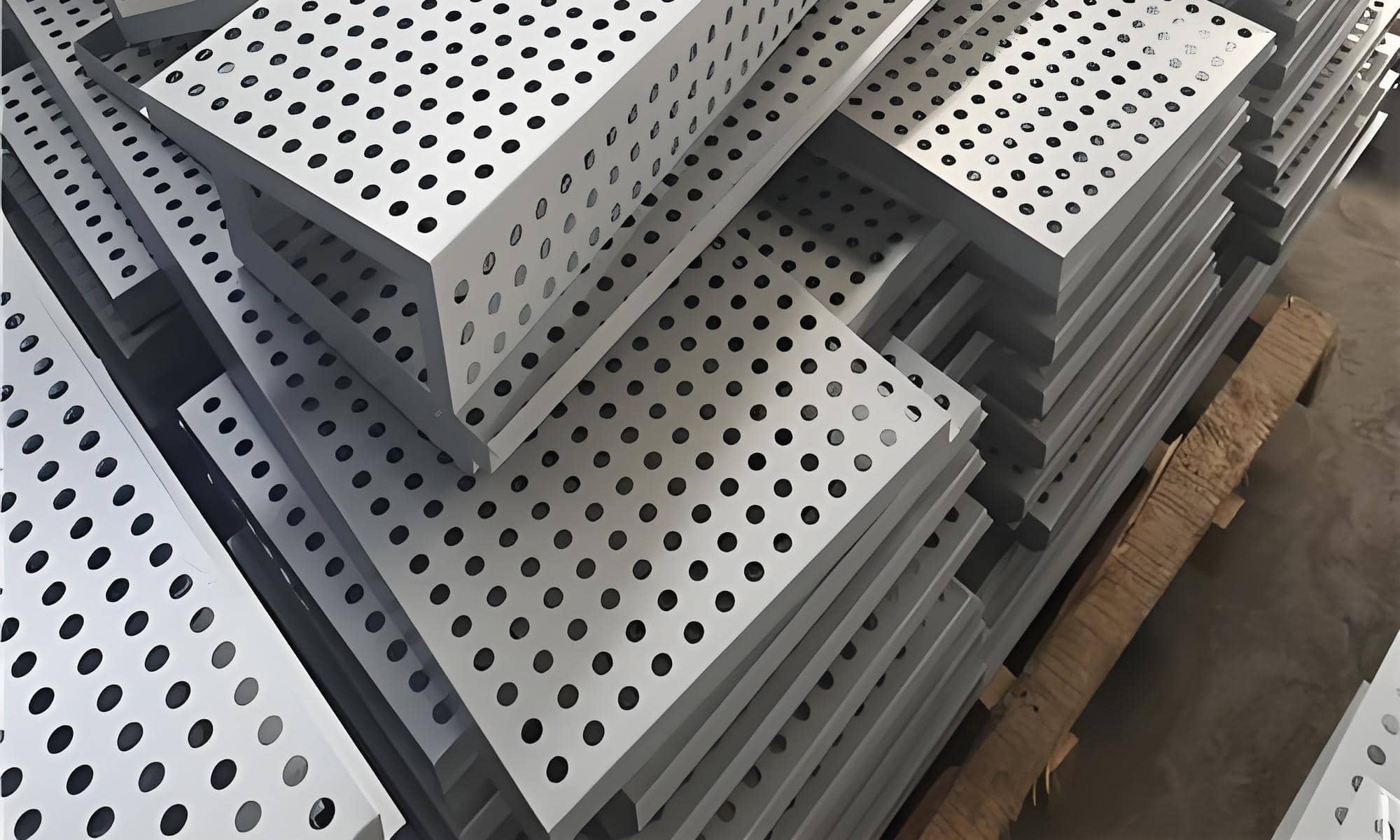
Heavy duty perforated plates often require careful deburring and edge finishing to improve handling safety, reduce coating risks, and support smoother installation. We provide CNC punched perforated plates with optional edge conditioning, surface finishing, and corrosion-resistant treatments based on project requirements. Share your drawing, material grade, and application details for a practical production recommendation.
Why Deburring Is Important for Safer Handling
Reducing Injury Risk
Heavy perforated plates are often moved manually during:
- Warehouse loading
- Site unpacking
- Positioning before installation
Sharp burrs can create:
- Hand injuries
- Torn gloves
- Unsafe handling during lifting
For projects requiring frequent manual handling, edge conditioning is often recommended.
Preventing Installation Damage
Burrs can interfere with assembly when plates must fit tightly into:
- Support frames
- Welded assemblies
- Mechanical fastening systems
Raised edges may prevent proper seating or create unwanted stress concentration during fastening.
This can lead to rework on site.
Protecting Surface Finishes
Sharp burrs can damage coating systems during stacking or transport.
This is particularly important for:
Powder Coated Plates
Burr peaks may receive uneven coating thickness.
This can create weak coating points that may reduce long-term durability.
Galvanized Plates
Sharp edges can sometimes show reduced zinc coverage depending on processing conditions.
Additional edge conditioning may help improve finish consistency.
Stainless Steel Decorative Panels
Unfinished burrs may scratch adjacent panels during packaging and installation.
Practical Acceptance Standards for Deburring Inspection
There is no universal burr acceptance standard for every perforated plate application.
Acceptance typically depends on:
- Plate application
- Material type
- Surface finish requirements
- Handling conditions
- Customer drawing notes
A practical inspection checklist often includes the following.
Visual Edge Inspection
Check for:
- Continuous sharp raised edges
- Local tearing
- Excessive roughness
- Inconsistent cut appearance
Visual consistency across production batches is often a key quality indicator.
Manual Touch Test
For many industrial orders, controlled hand inspection is used to confirm whether edges are reasonably safe for handling.
The goal is not mirror-polished smoothness.
The goal is to confirm that no aggressive burrs remain that may interfere with handling or installation.
Edge Uniformity Across the Sheet
Spot-check multiple locations:
- Center area
- Corner areas
- Sheet perimeter
- High-density perforation zones
This helps identify localized tooling issues.
Drawing-Based Finish Requirements
If a project requires a specific edge condition, this should be defined clearly on the drawing.
Examples may include:
- Deburred both sides
- Light edge break
- No sharp edges
- Suitable for powder coating preparation
Clear wording helps avoid production assumptions.
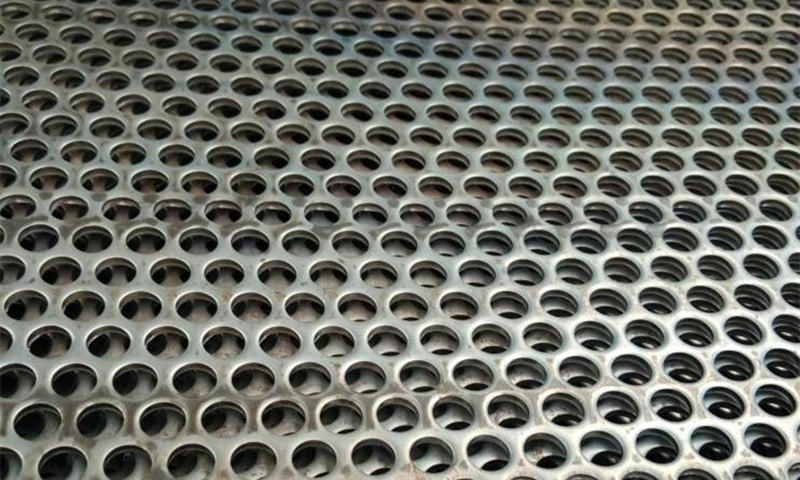
How Deburring Affects Transportation and Packaging
Heavy perforated plates often shift slightly during transit.
If burrs remain aggressive, they may:
- Scratch adjacent sheets
- Damage protective film
- Tear interleaving materials
- Create coating abrasion points
For export shipments, proper deburring combined with protective packaging can reduce transit-related surface claims.
Typical packaging measures may include:
- Paper or foam interleaving
- Corner protection
- Controlled stacking pressure
- Moisture-resistant wrapping for coated materials
Selecting the Right Edge Finishing Method
The most suitable method depends on material, thickness, and project requirements.
Mechanical Deburring
Often used for general industrial applications.
Suitable when:
- Functional safety is the main concern
- Surface appearance is secondary
Brushed Edge Finishing
Often selected for visible stainless steel architectural panels.
Helps create a more uniform appearance.
Surface Preparation Before Coating
For coated heavy duty perforated plates, edge preparation may support better finish consistency.
The exact process depends on coating specification and substrate material.
What Buyers Should Confirm Before Ordering
When requesting heavy duty perforated plates, it is helpful to specify:
Application Environment
Will plates be used for:
- Industrial platforms
- Exterior exposure
- Decorative façade systems
- Machine guarding
Surface Finish Requirements
Specify if the plate requires:
- Powder coating
- Hot-dip galvanizing
- Mill finish
- Brushed stainless finish
Handling Expectations
If plates will be frequently handled manually, deburring requirements should be stated clearly.
Inspection Expectations
Include any acceptance notes directly on the production drawing or RFQ.
This reduces ambiguity during manufacturing.
Final Recommendation
Deburring for heavy duty perforated plates should be treated as a functional manufacturing requirement, not an optional cosmetic step.
A clear edge finishing specification can help reduce:
- Site handling risks
- Installation delays
- Surface damage during shipment
- Quality disputes after delivery
For most projects, the right deburring level depends on material, tooling condition, finish requirements, and application use.
Early communication between buyer and manufacturer usually leads to smoother production and more predictable project outcomes.