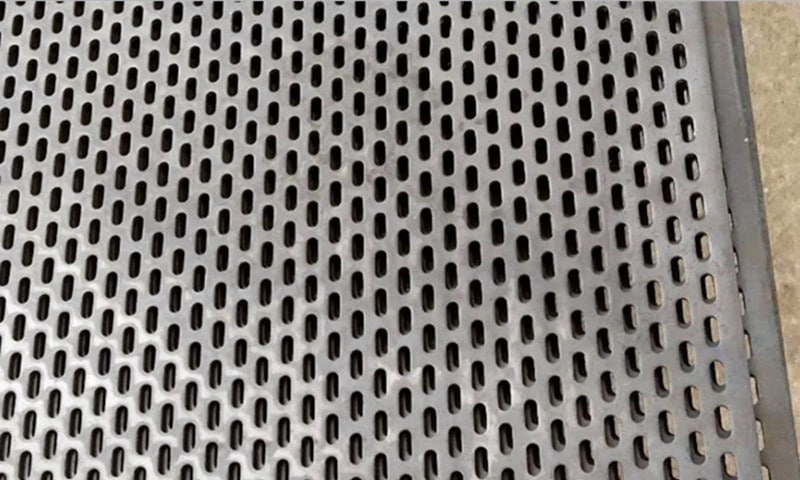
Relationship Between Hole Size and Output
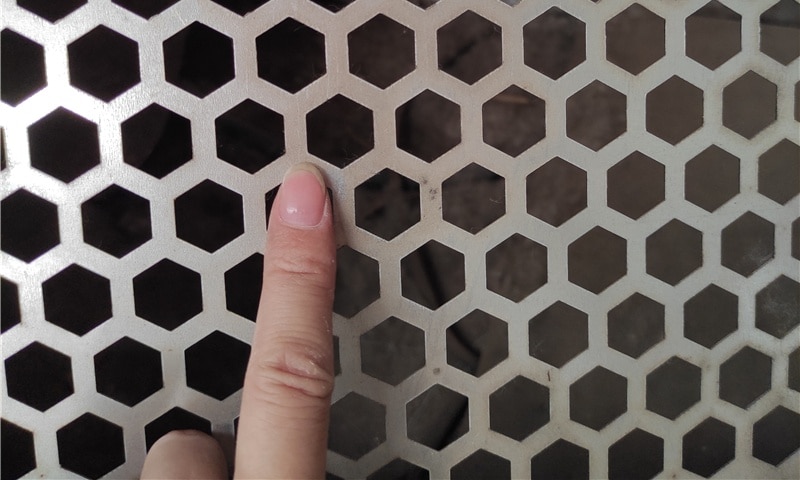
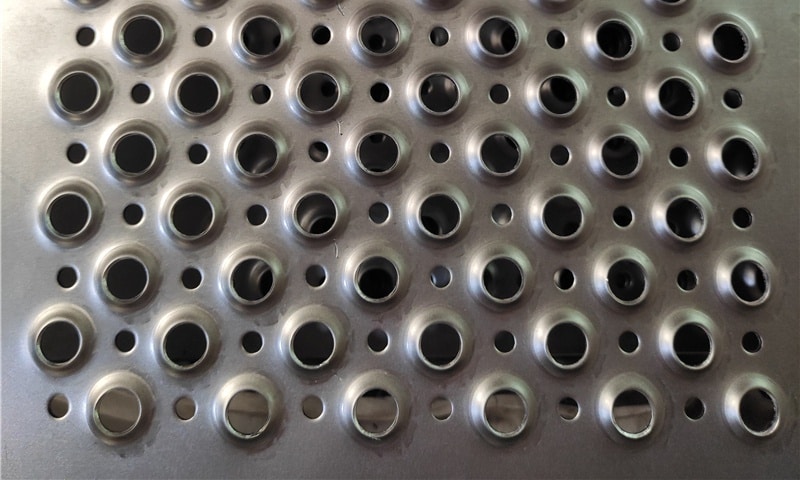
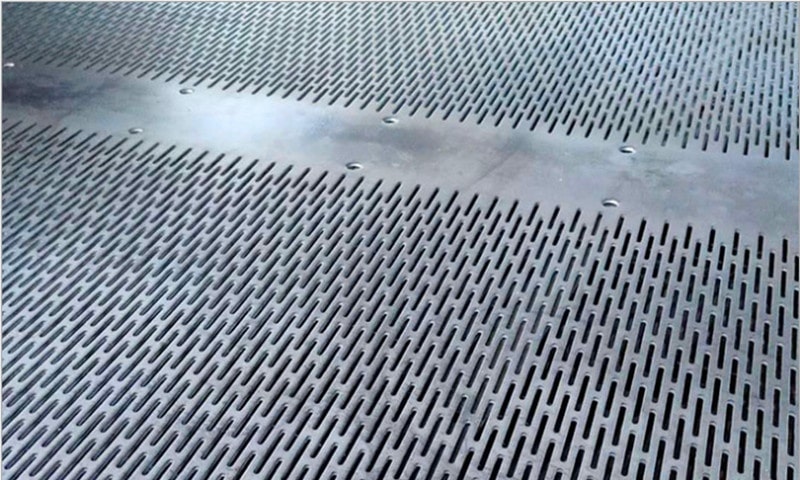
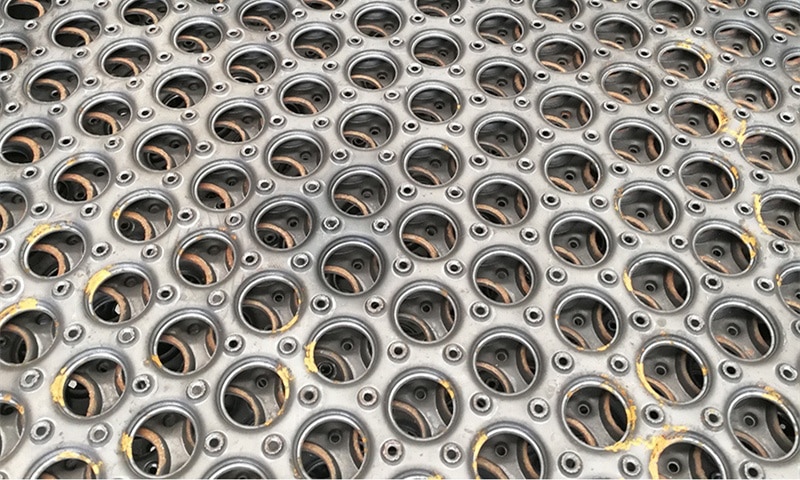
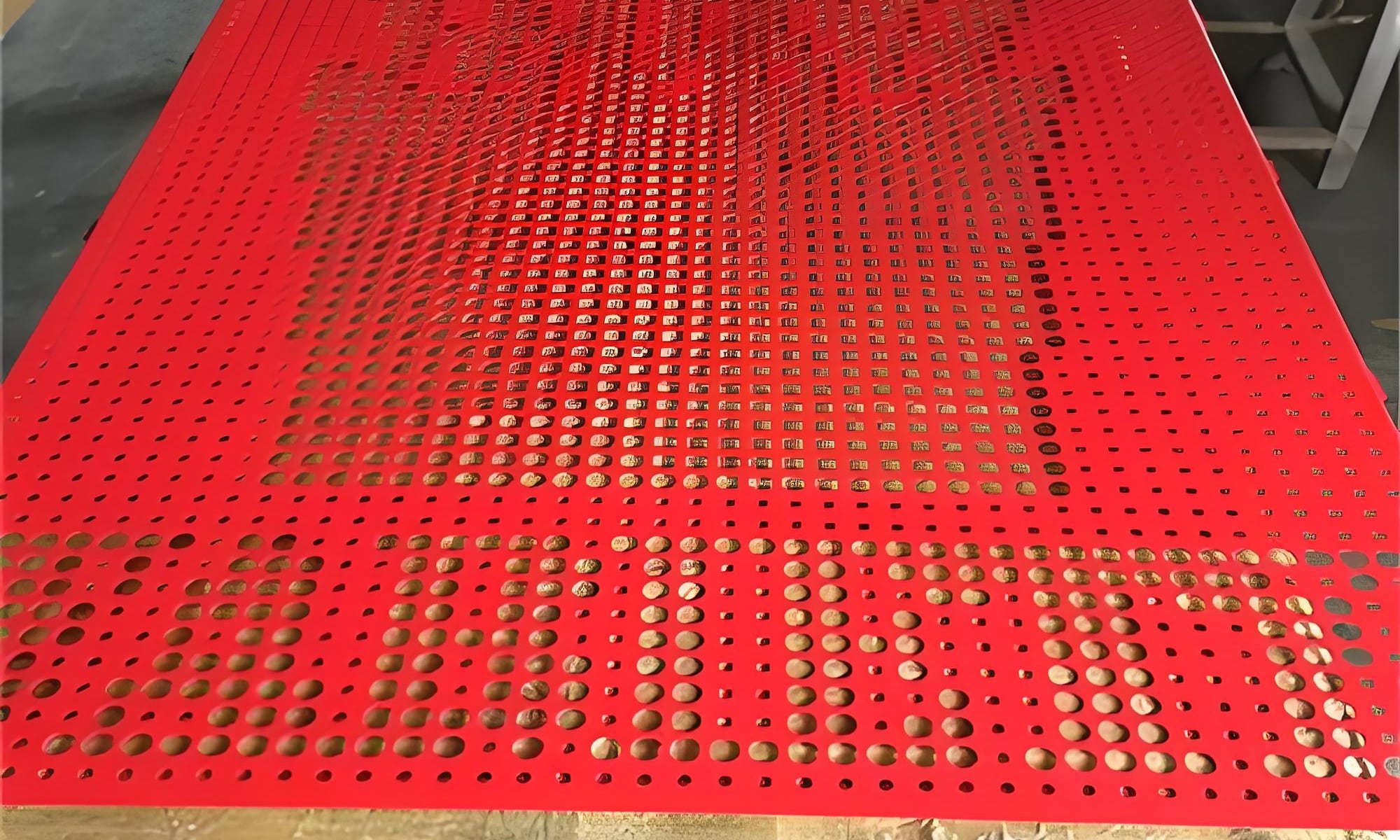
In industrial screening applications, hole size is one of the most important factors affecting separation performance. The opening size of a perforated screen directly determines which particles can pass through and which materials remain on the screening surface.
A larger hole diameter generally allows higher material flow and reduces the risk of blockage, especially when processing bulky or irregular materials. However, larger openings may reduce separation accuracy by allowing more oversized particles to pass through.
On the other hand, smaller holes improve classification accuracy but require more attention to material characteristics, feed rate, and screen design. If the openings are too small for the application, the screening surface may experience reduced throughput, increased wear, or frequent clogging.
For engineers selecting industrial screening components, hole size should always be considered together with material properties, equipment capacity, and final product requirements.
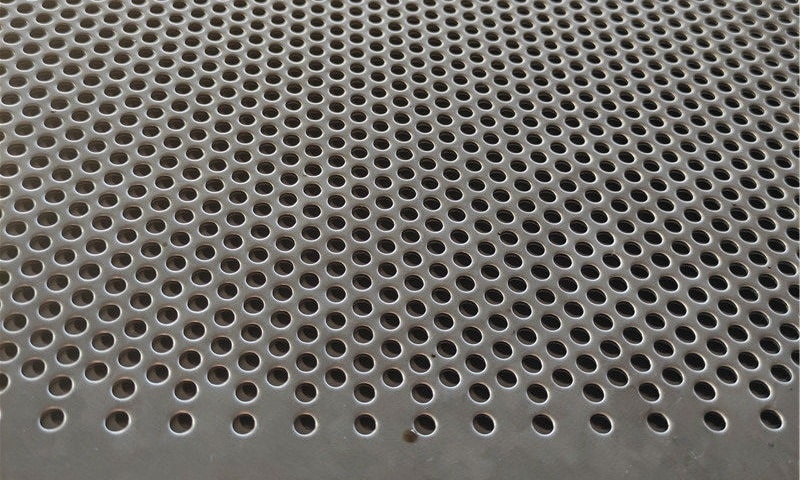
Impact on Flow Rate
Hole size has a direct influence on the open area of a perforated screen. Screens with larger openings typically provide more available space for material passage, improving flow efficiency and reducing processing time.
However, flow rate is not determined by hole size alone. Factors such as plate thickness, hole pattern, material shape, moisture content, and vibration conditions also affect actual performance.
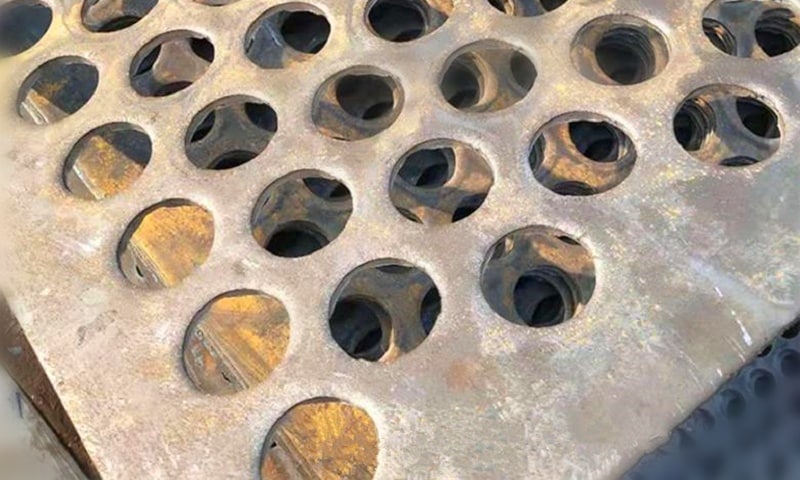
For example, a thick sieve plate with small holes may provide excellent durability but can limit material movement if the opening-to-thickness ratio is not properly designed. In wet or sticky applications, improper hole selection can cause material buildup and reduce overall screening capacity.
Experienced engineers usually evaluate the complete screening environment rather than selecting hole dimensions based only on particle size.
Balancing Efficiency and Accuracy
The biggest challenge in screen design is finding the right balance between screening efficiency and output accuracy.
A screen designed for maximum throughput may allow unwanted particles to pass through, affecting final product quality. A screen designed for maximum accuracy may slow production and increase operational costs.
In industries such as mining, aggregates, recycling, and chemical processing, the ideal hole size depends on the required separation range and acceptable tolerance levels. Engineers often consider factors such as:
- Target particle size distribution
- Feed material characteristics
- Required production capacity
- Equipment operating conditions
- Expected service life of the screen
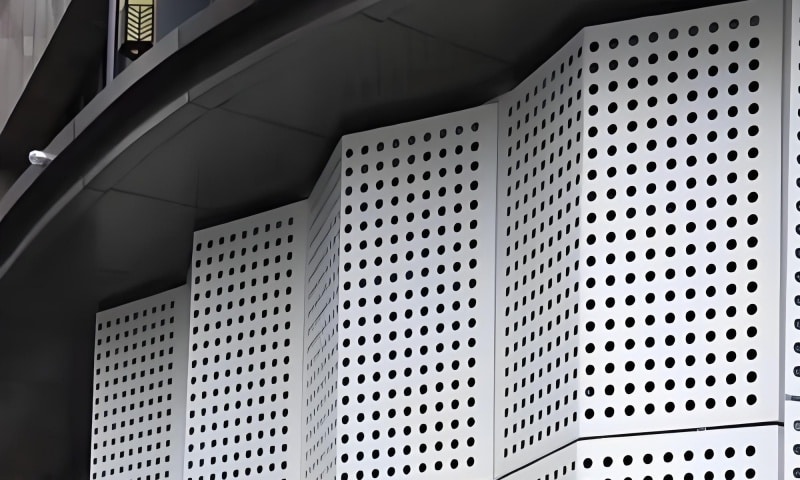
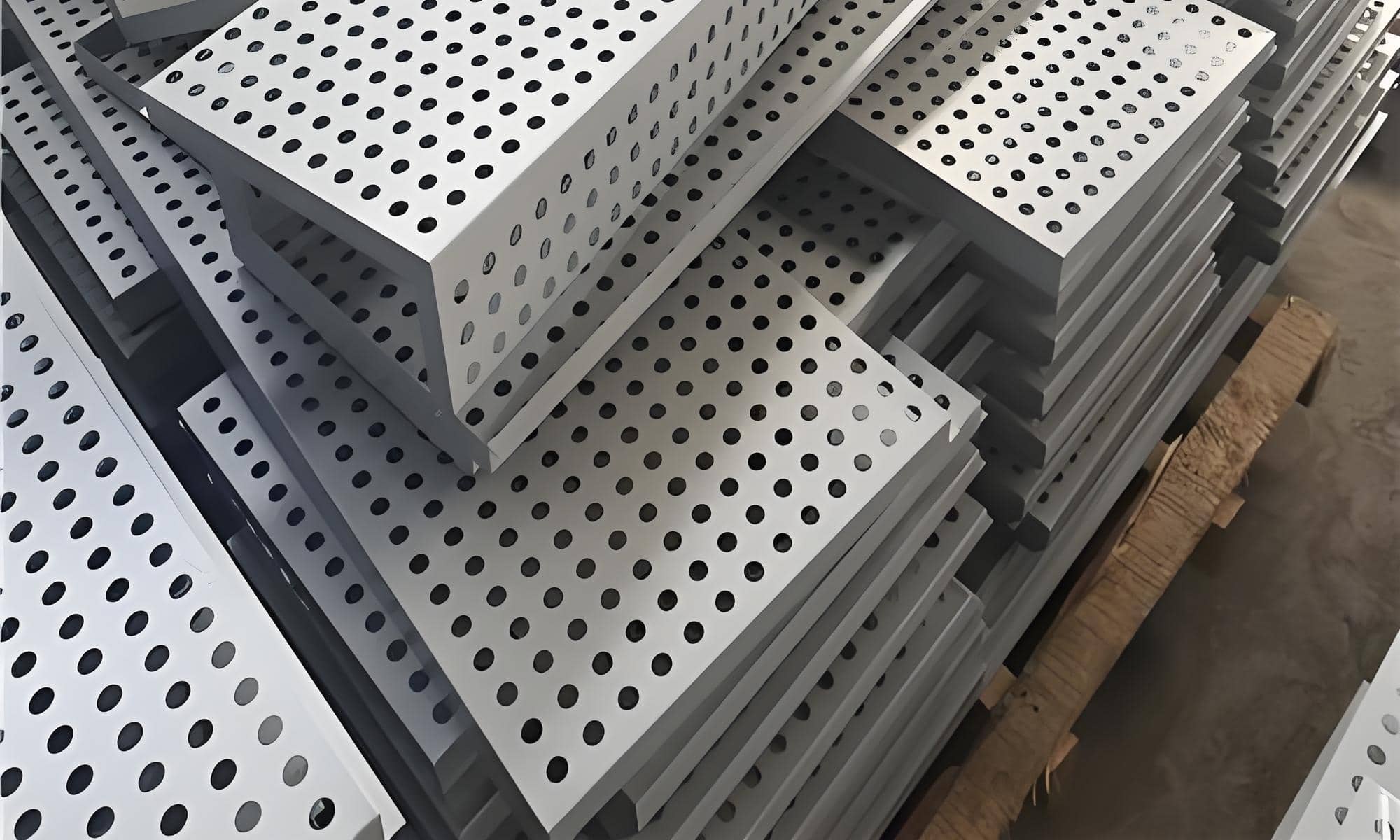
Proper hole geometry and manufacturing precision are also critical. Even small variations in hole diameter, spacing, or pattern alignment can influence screening results, particularly in high-volume applications.
Practical Selection Tips
When choosing industrial perforated screens, it is important to start with the actual operating conditions rather than only the desired output size.
Several practical considerations include:
Understand the Material Characteristics
Hard, abrasive materials may require stronger screen materials and optimized hole designs to reduce wear. Wet, sticky, or fibrous materials often require larger openings or specialized patterns to prevent blockage.
Consider Plate Thickness and Hole Design
The relationship between hole diameter and plate thickness affects both screening performance and durability. A properly designed screen maintains structural strength while allowing efficient material flow.
Evaluate Performance After Installation
Real operating conditions can differ from laboratory expectations. Monitoring throughput, separation accuracy, and wear patterns after installation helps determine whether adjustments are needed.
Selecting the correct hole size is not simply a dimensional decision. It is an engineering balance between material behavior, equipment design, and production goals.
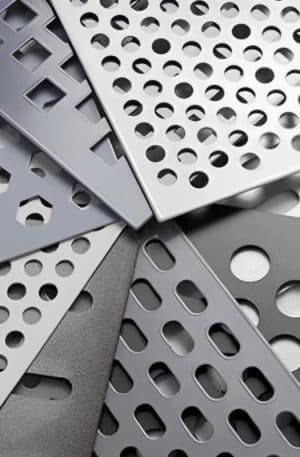
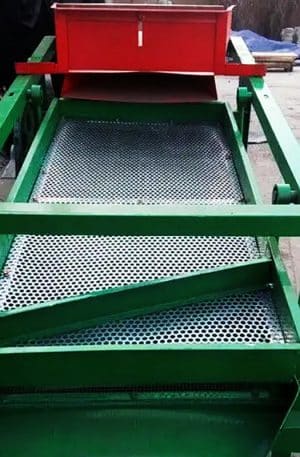


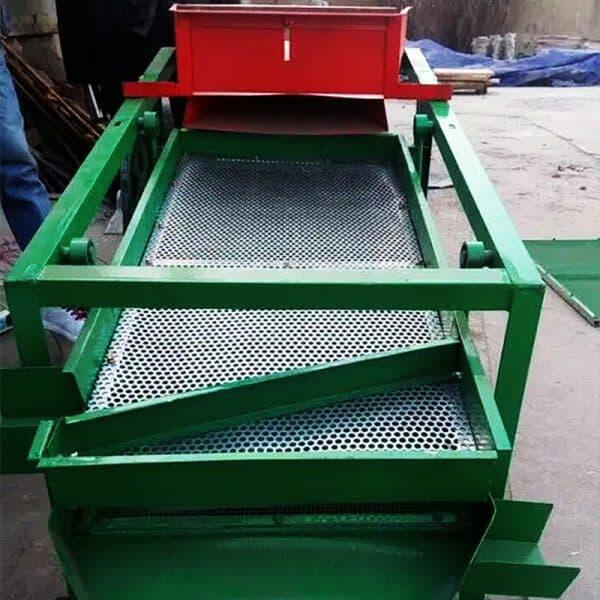
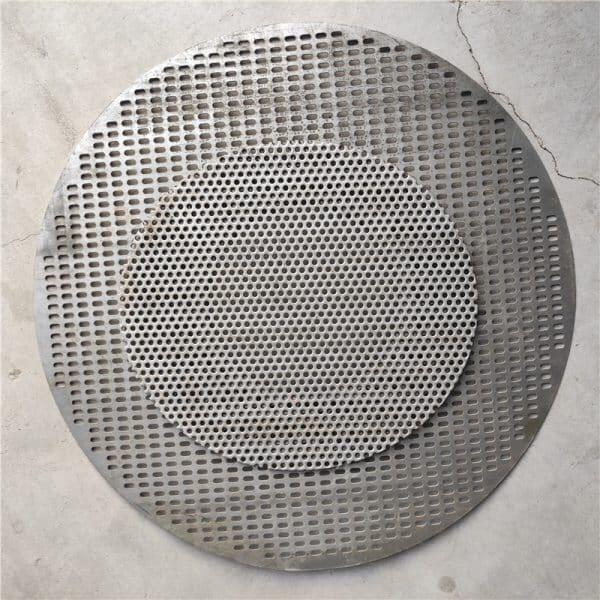
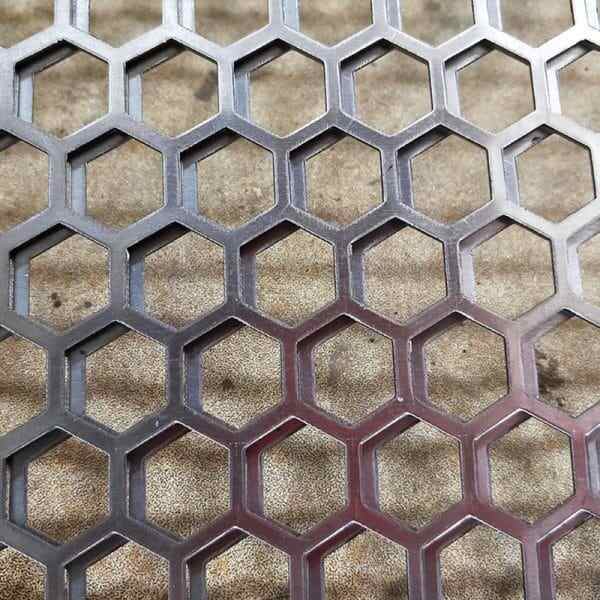
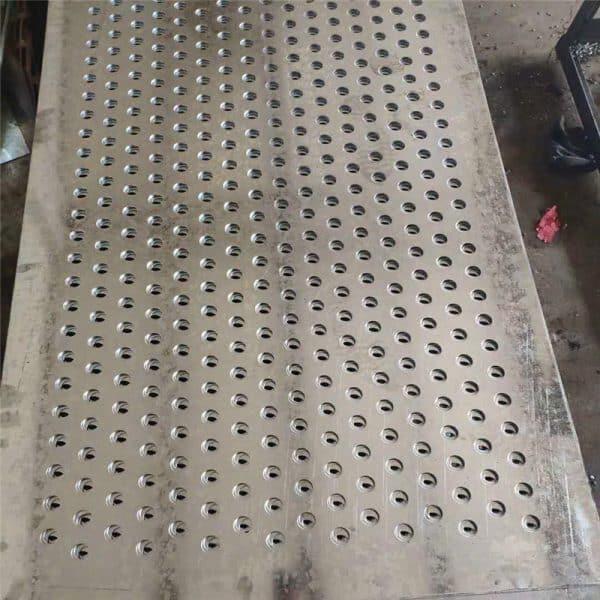
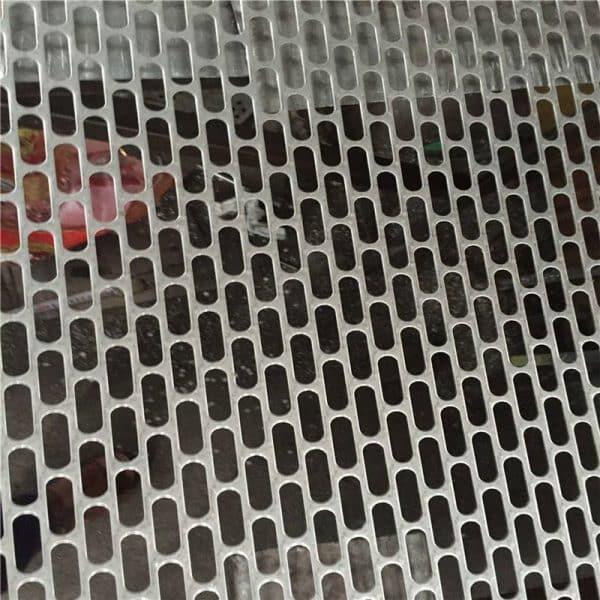
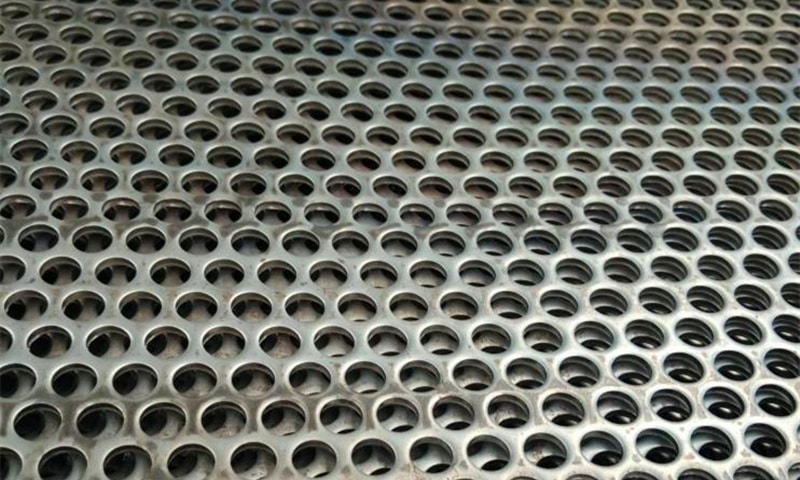
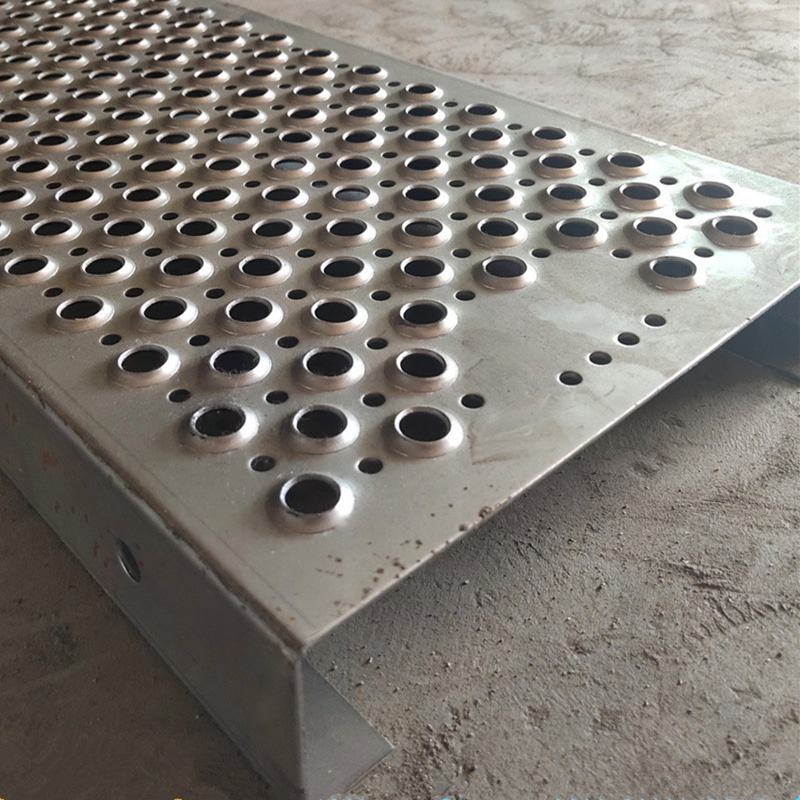
Industrial Perforated Screens & Sieve Plates
When producing industrial perforated screens and sieve plates, hole size accuracy and consistency are critical factors that directly affect screening performance in the field. Manufacturing requirements go beyond creating openings in a metal sheet; the hole diameter, spacing pattern, plate thickness, flatness, and edge condition must work together to maintain stable operation. Our production process focuses on controlling these details through suitable material selection, precision perforating methods, and inspection procedures. For applications requiring specific separation results, we can manufacture screens with different hole patterns, opening sizes, and material specifications according to equipment requirements. This approach helps ensure that the finished screen performs reliably under actual working conditions, including abrasive, high-volume, and continuous processing environments.