Why finish checks matter on facades
Powder coating does more than change color. On a facade, it also affects how the panel reads in daylight, how the edges look after punching, and how consistent the project appears from one batch to the next.
In many architectural jobs, the metal panel itself is only part of the result. The finish is what the client sees first. A panel can match the drawing and still look wrong on site if the color, gloss, or surface protection is not clearly defined before production.
Confirm the color before production starts
For facade work, color should not be left to general language like “silver,” “dark gray,” or “bronze.” These words are open to interpretation.
It is better to confirm:
- RAL color code, when the project uses RAL
- Custom color reference, if the architect has one
- Whether the color must match other facade elements
- Whether the project needs a matte, satin, or semi-gloss look
Color often shifts slightly under different light. That is normal. For that reason, the approved sample and the final production standard should be aligned before the order is released.


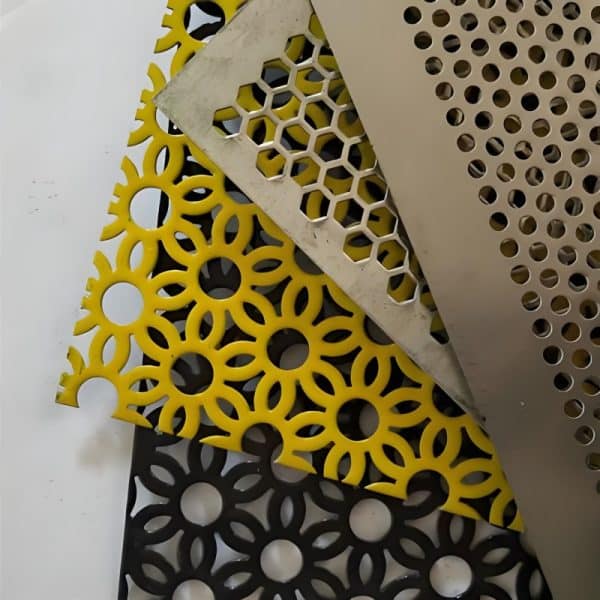
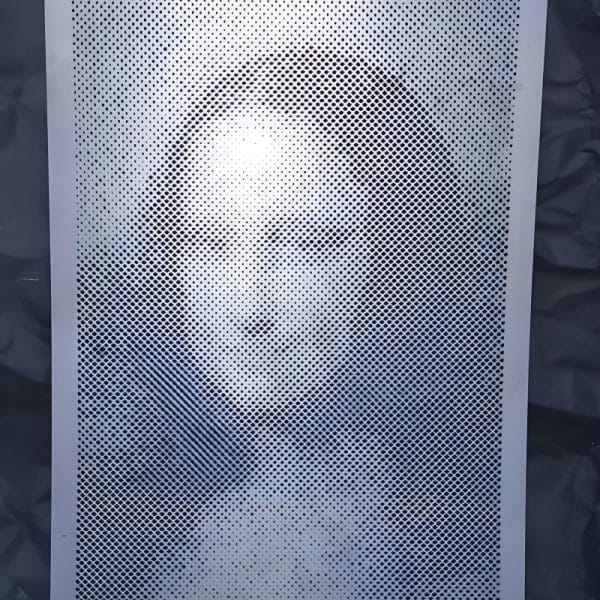
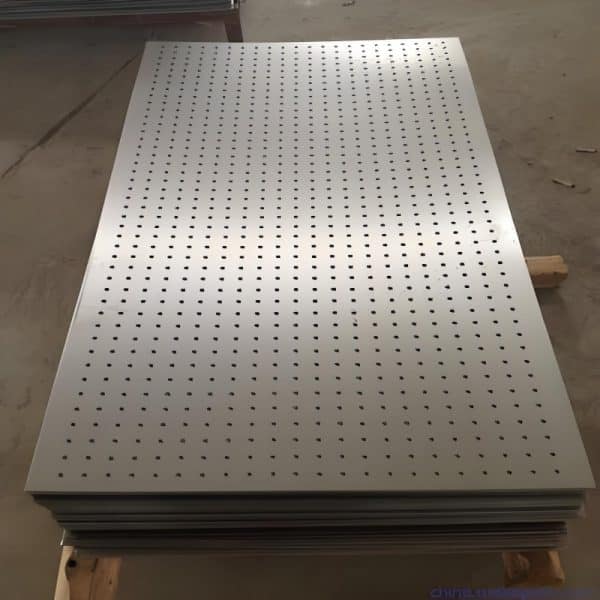
Architectural Perforated Metal Panels
Need a facade panel finish that looks consistent on site and still matches the approved sample? For powder coated perforated metal panels, we help you confirm color, gloss, edge coverage, and packing before production starts. Send your RAL code, target gloss level, drawing, and site exposure, and we can advise the finish build and packaging method for your project.
Gloss level changes the visual effect
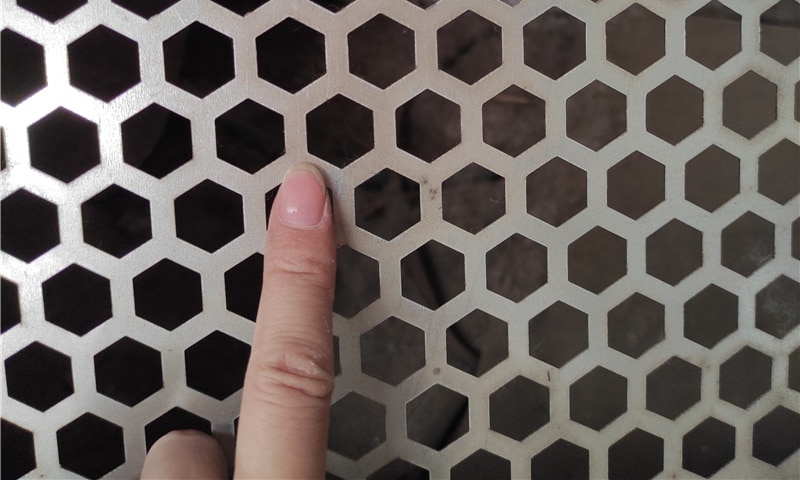
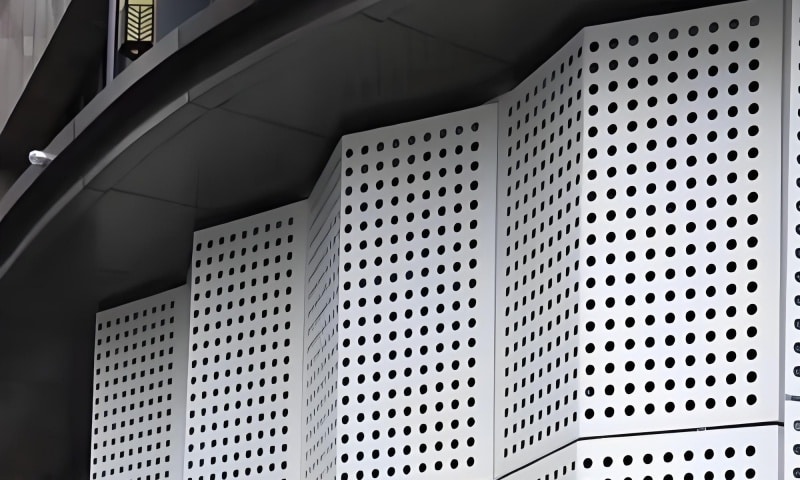
Gloss level has a direct effect on how perforation patterns appear on a facade.
A lower gloss finish usually gives a softer and calmer look. A higher gloss finish can reflect more light and make the surface feel more active. In many cases, the right choice depends on the building style, the viewing distance, and the surrounding materials.
When you request a quotation, it helps to state the gloss requirement clearly. If the project has a mock-up stage, the sample should reflect the real gloss level, not only the color.
Check edge coverage after punching
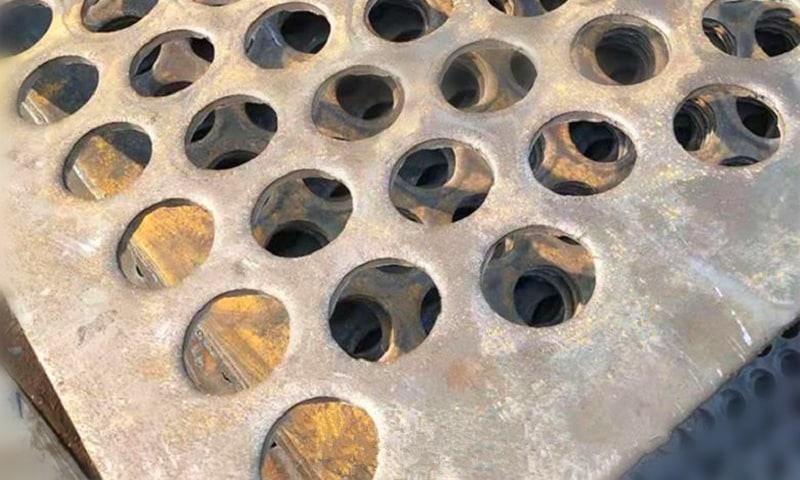
Powder coating on perforated metal should also be checked at the edges of the holes and cut lines.
This matters because punching creates many exposed points. If edge coverage is not considered early, the panel may look uneven after coating, especially on close-view projects. The result depends on the metal thickness, hole size, tooling condition, and coating process.
For this reason, buyers should share the drawing and ask how the coating will be applied on punched edges. That is especially important for facade systems with fine perforation, tight patterns, or high visual expectations.
Batch consistency is important for larger projects
One panel sample is not enough for a full facade order. Large projects often need several production batches, and slight variation can become visible after installation.
To reduce risk, ask how the supplier controls:
- Color consistency across batches
- Surface appearance after coating
- Rework or touch-up rules, if any
- Sample approval before mass production
This is particularly useful when the project has phased delivery or multiple facade elevations. A consistent finish across all shipments is often more important than a perfect sample alone.
Outdoor exposure should guide the finish choice
Not every facade faces the same environment. A panel in a sheltered urban location does not face the same conditions as a panel near the coast, a highway, or an industrial area.
When you send an RFQ, include the outdoor environment details. That helps the supplier judge whether the project needs extra attention on coating system, packing, or handling. In many cases, the finish specification becomes clearer once the exposure condition is known.
Useful project details to share include:
- Coastal or inland location
- Direct rain or sheltered installation
- Pollution level around the site
- Expected cleaning method
- Maintenance access after installation

Packing protection is part of the finish quality
A good coating can still be damaged before installation if the packaging is weak.
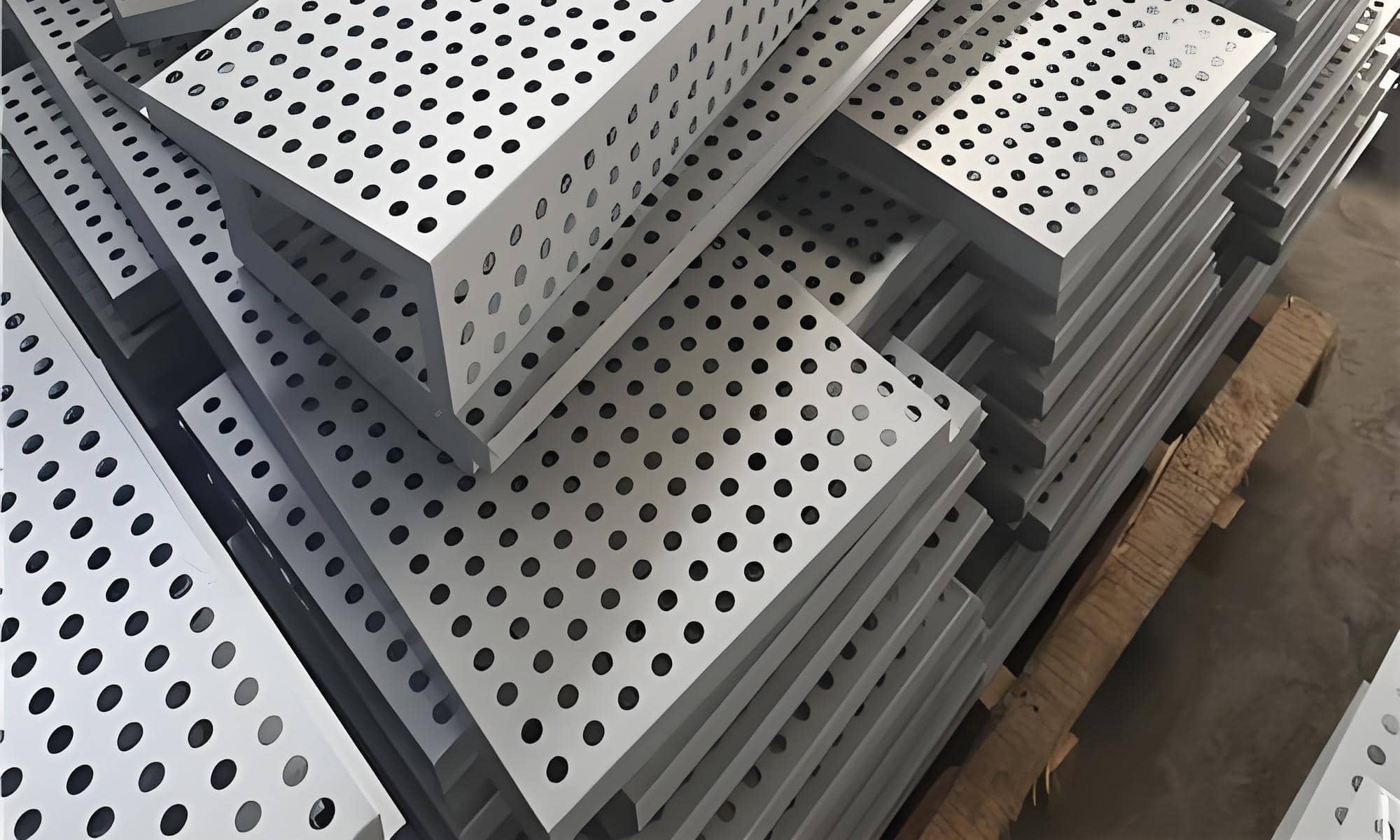
Perforated panels often have many contact points, and the coating surface can be marked by friction, stacking pressure, or movement during transport. That is why packaging should be discussed with the same care as color and gloss.
For facade orders, buyers should ask about:
- Surface protection film, if needed
- Separator material between panels
- Carton, crate, or pallet method
- Corner protection and anti-scratch measures
- Labeling for installation sequence
If the panels will travel overseas, the packing plan should match the route, transshipment risk, and storage time.
What to include in the RFQ
A complete RFQ helps avoid finish disputes later.
For powder coated perforated metal panels on facades, the RFQ should usually include:
- Drawing with hole pattern and dimensions
- Base material and thickness
- RAL color or approved color sample
- Gloss requirement
- Outdoor exposure information
- Quantity per batch
- Packaging requirement
- Delivery schedule and project location
When these details are clear, the supplier can quote more accurately and advise on coating and packing with fewer assumptions.
Final check before release
Before you approve production, confirm three things:
- The color and gloss are written clearly.
- The edge coverage expectation is understood.
- The packing method matches the site and shipping route.
For facade projects, these points are often the difference between a panel that looks acceptable on paper and a panel that looks right after installation.