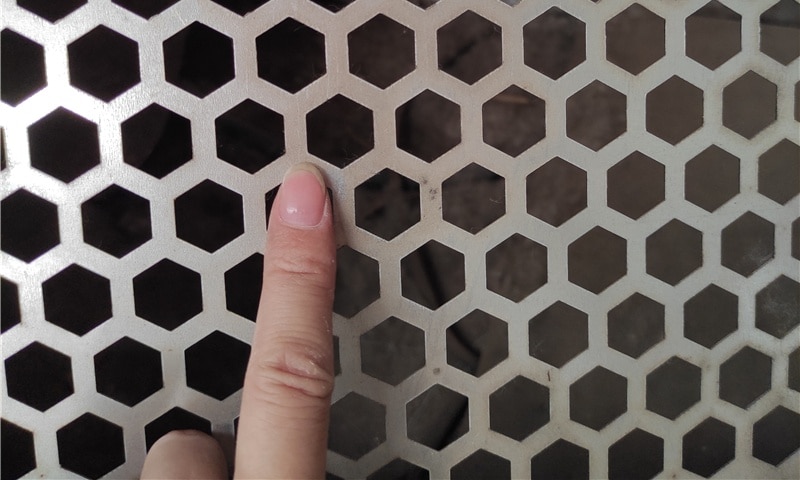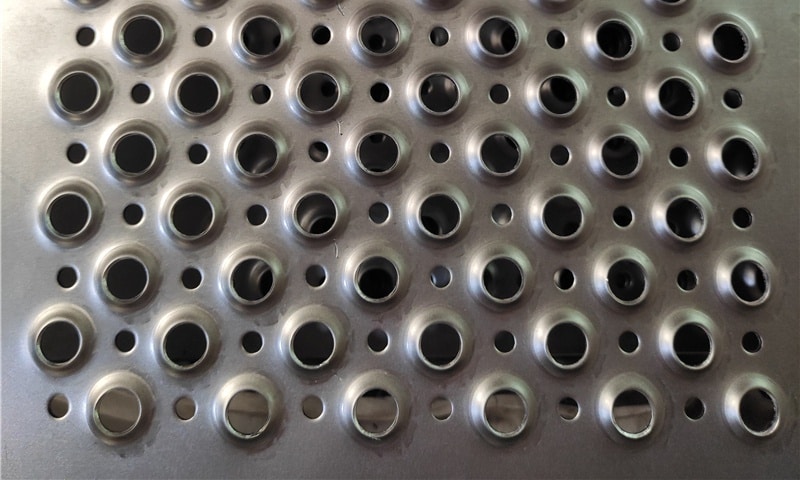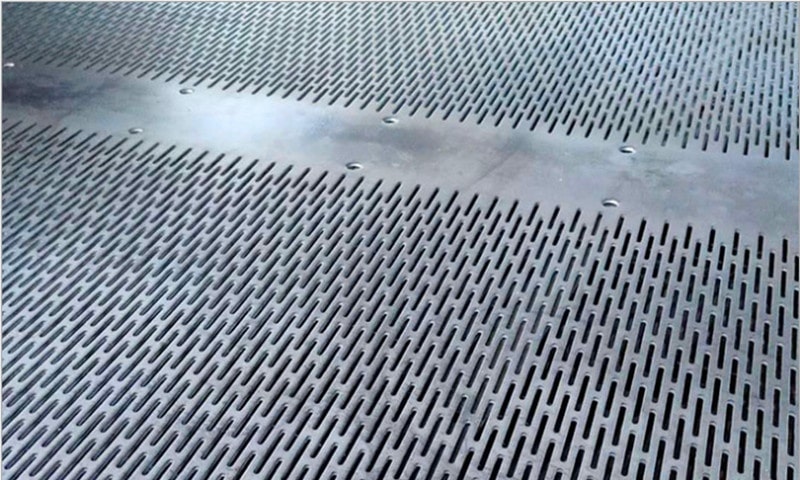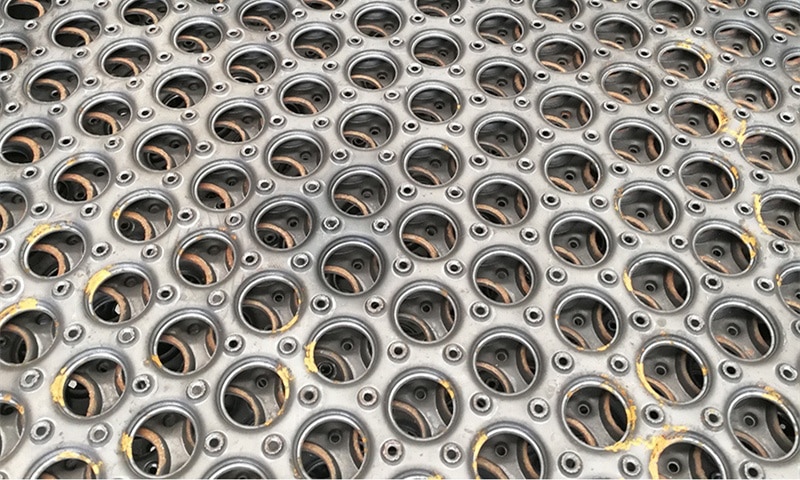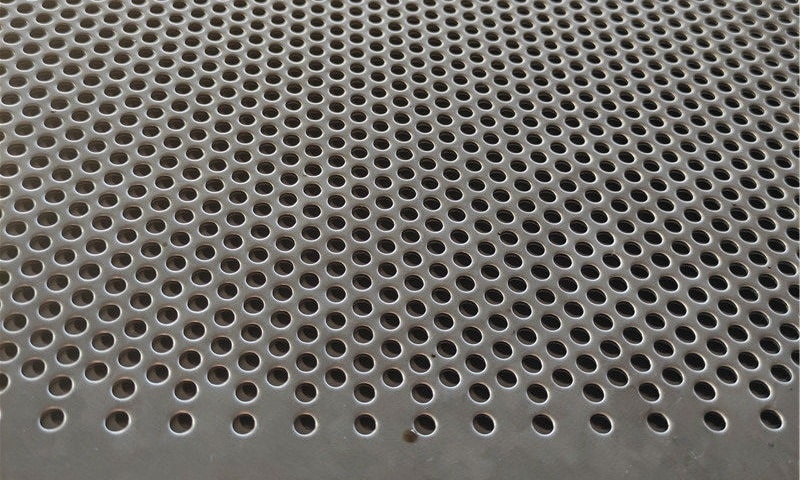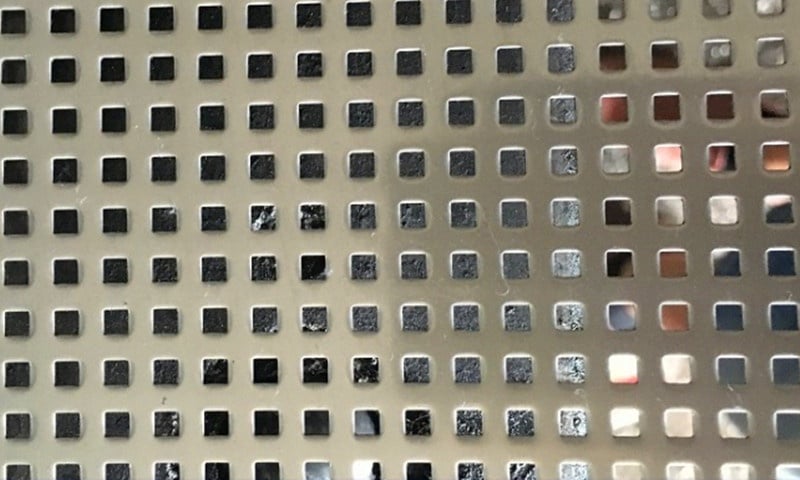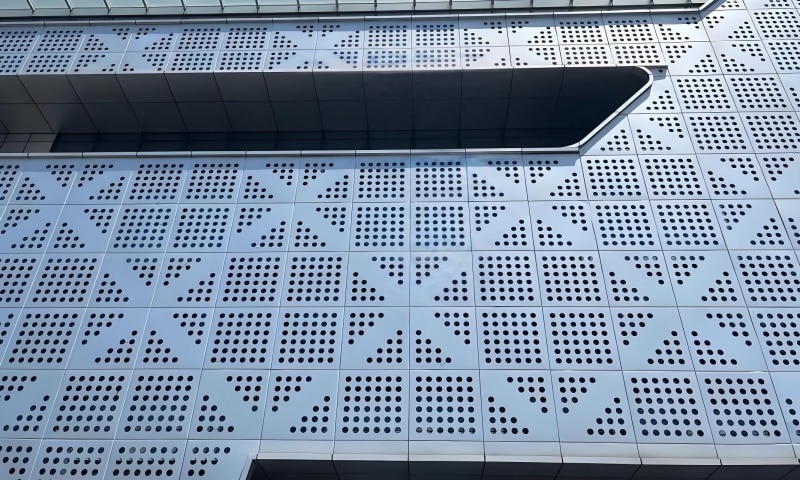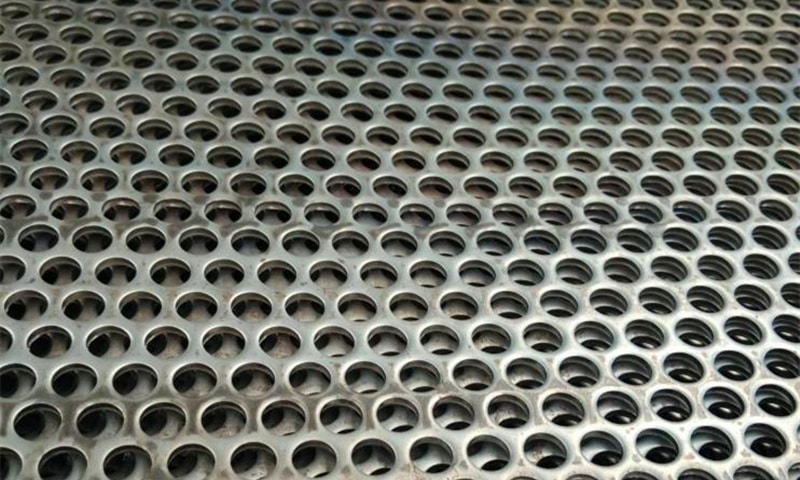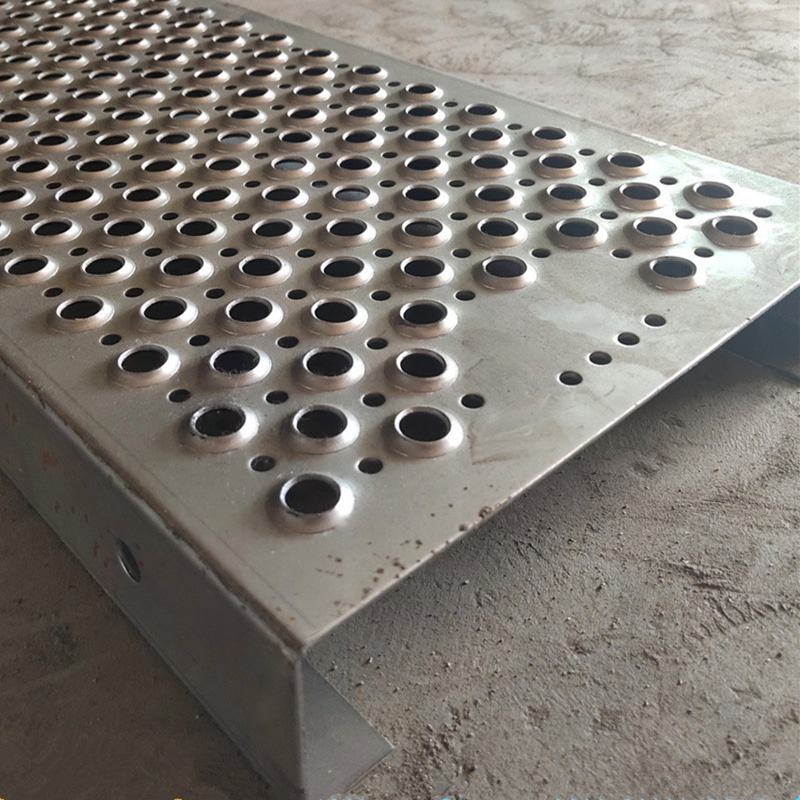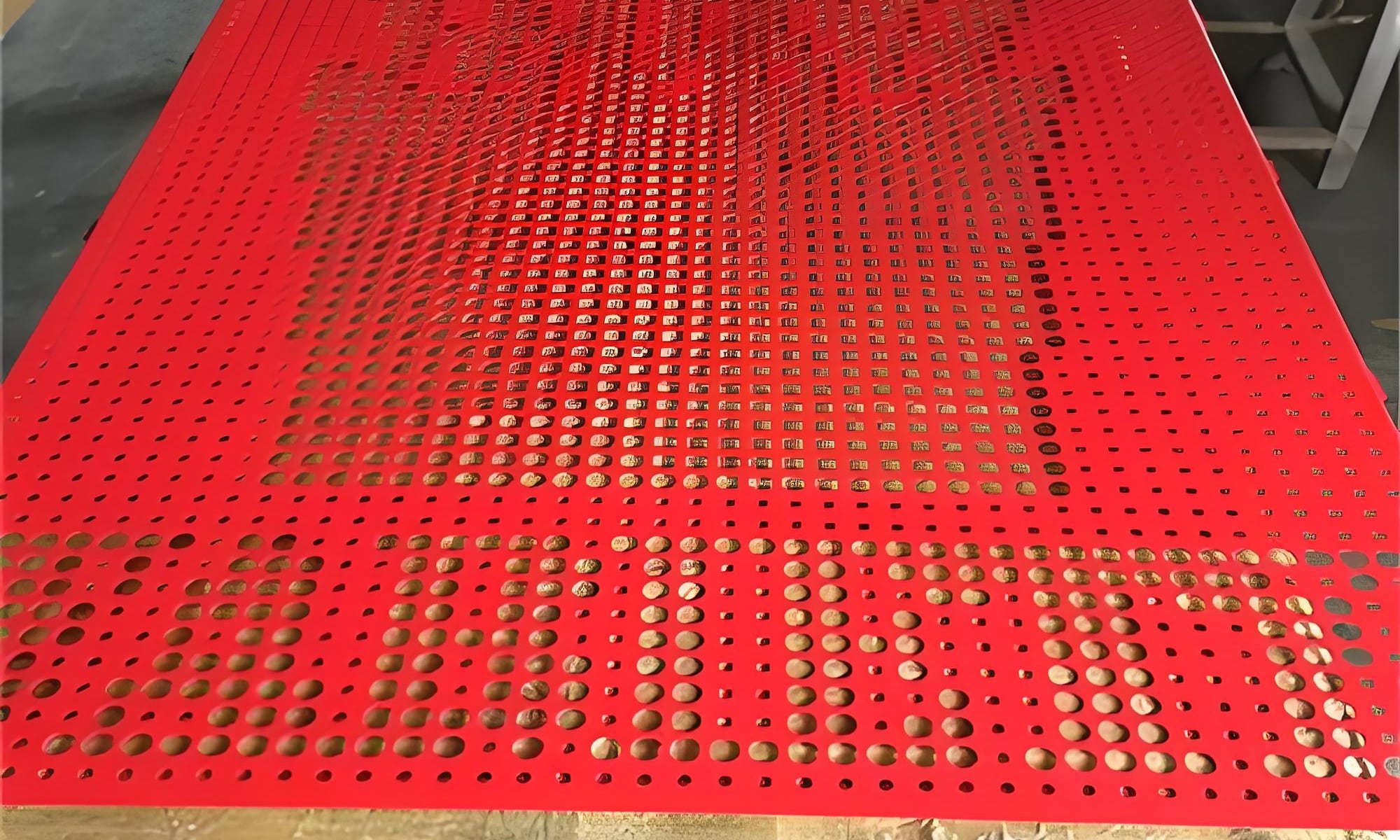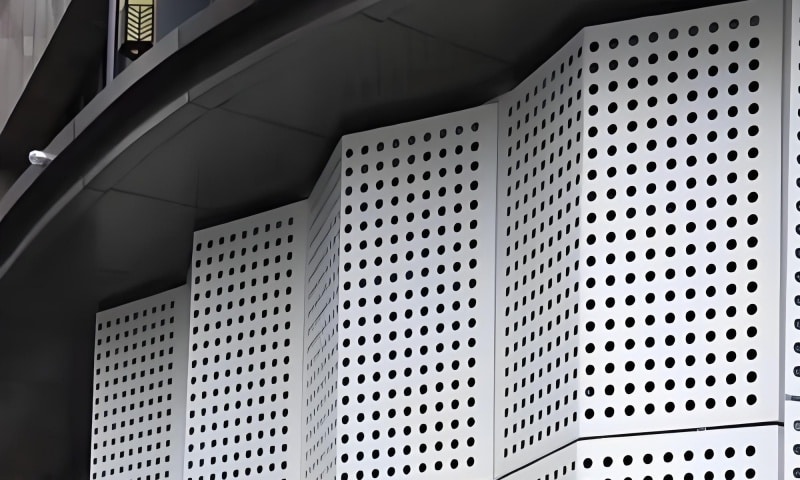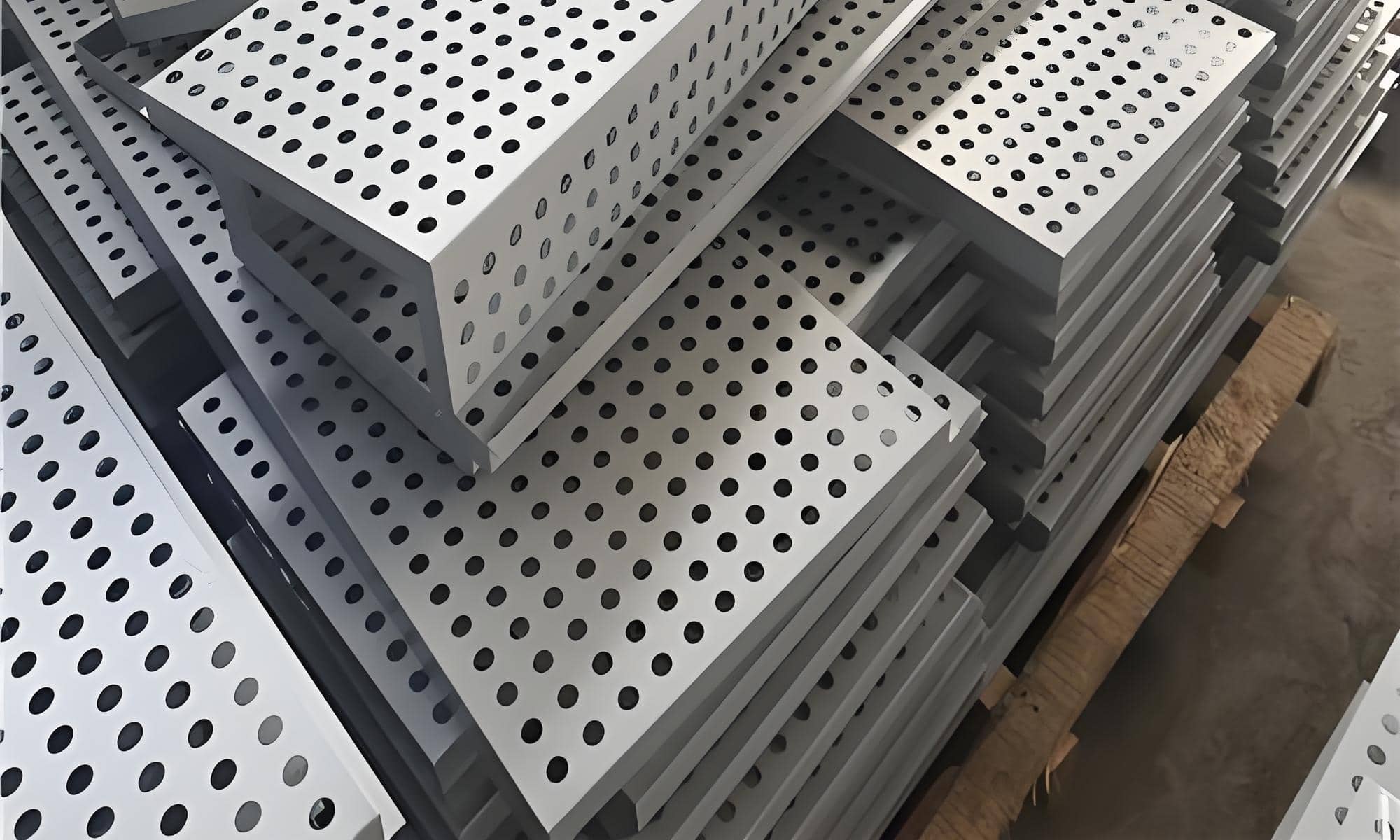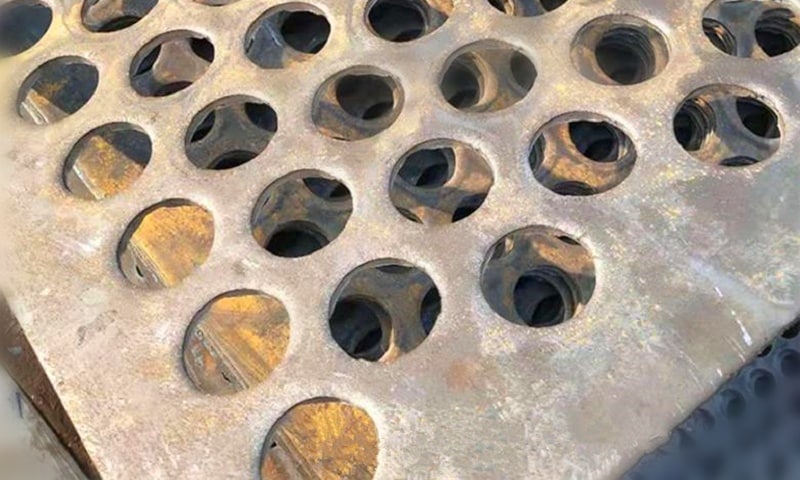
Carbon steel perforated metal sheets are widely used across various industries for their combination of strength, versatility, and affordability. Among the different types of perforations, slotted holes are particularly popular for their ability to handle larger volumes of airflow and liquids. However, while these panels may appear straightforward, their design requires careful consideration, especially at the edges and end points where tearing can occur if not handled correctly.
The Risk of Stress Concentration at the Edges
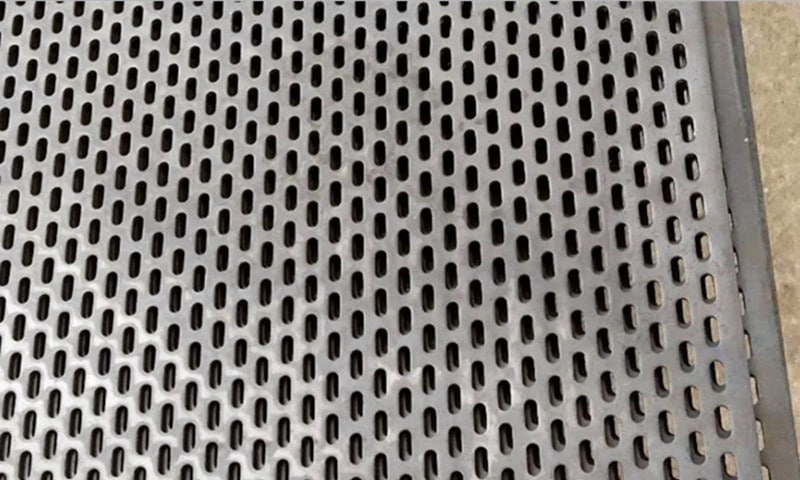
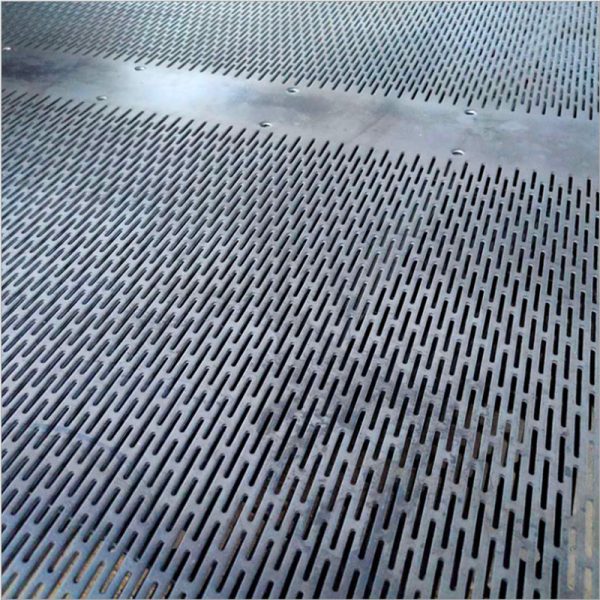
One of the primary concerns when using slotted perforations in carbon steel sheets is the potential for stress concentration at the ends of the slots. These areas, especially near the edges, are particularly vulnerable to cracking or tearing under load. The elongation of slotted holes can create points of weakness, particularly if the margin between the slot and the edge is too small. To prevent this, it’s crucial to optimize the design by ensuring sufficient edge margins.
The Importance of Edge Margin and Hole Spacing
Edge margin plays a significant role in the durability of slotted carbon steel perforated sheets. A short edge margin can significantly increase the likelihood of edge tearing due to the reduced material strength near the perforated holes. The best practice is to maintain a healthy margin between the hole and the edge, ideally no less than the hole’s diameter. This will distribute stress more evenly across the sheet, preventing localized weakness that could lead to failure.
Similarly, the spacing between the slotted holes should be carefully chosen. Too small a gap between the slots can cause the material to become fragile and prone to cracking, while too wide a gap can result in reduced functionality and strength. The balance between these factors is essential for ensuring that the panel maintains its structural integrity over time.
Thickness and Length of the Slotted Holes
Another key factor to consider when designing slotted carbon steel sheets is the thickness of the material and the ratio between the hole length and sheet thickness. A thicker sheet can better withstand stresses, while a thinner sheet may be more prone to bending or cracking. When designing slotted holes, it’s important to ensure that the length of the slots is appropriate relative to the sheet thickness to avoid weakening the material unnecessarily.
Additionally, for larger perforations, consider using reinforced or thicker edge designs. This can enhance the durability of the panel and reduce the risk of tearing over time.
Recommendations for Durability
To make carbon steel perforated sheets more durable, consider the following design adjustments:
- Increase edge margins: A larger edge margin reduces stress concentration and enhances durability.
- Optimize hole spacing: A balanced spacing between slots improves both strength and functionality.
- Adjust slot length and material thickness: Ensure that the ratio of hole length to material thickness does not weaken the panel.
- Reinforce edges: Adding reinforcements around the perforations can help prevent cracking.
By focusing on these design considerations, manufacturers can create slotted carbon steel perforated sheets that are not only functional but also long-lasting, even under demanding conditions.


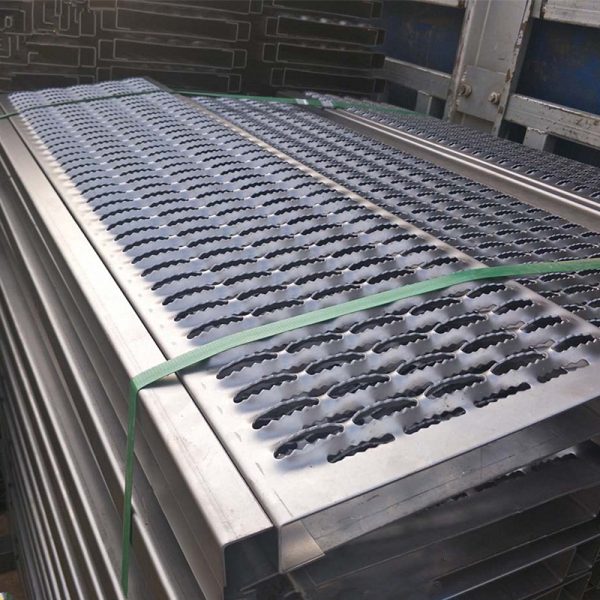

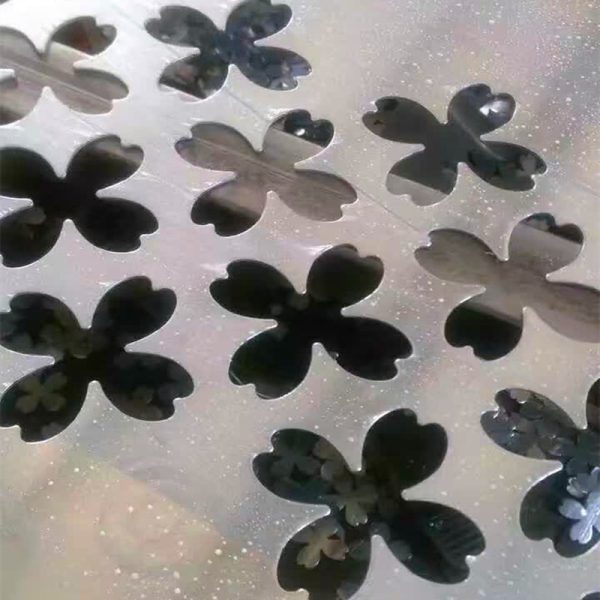
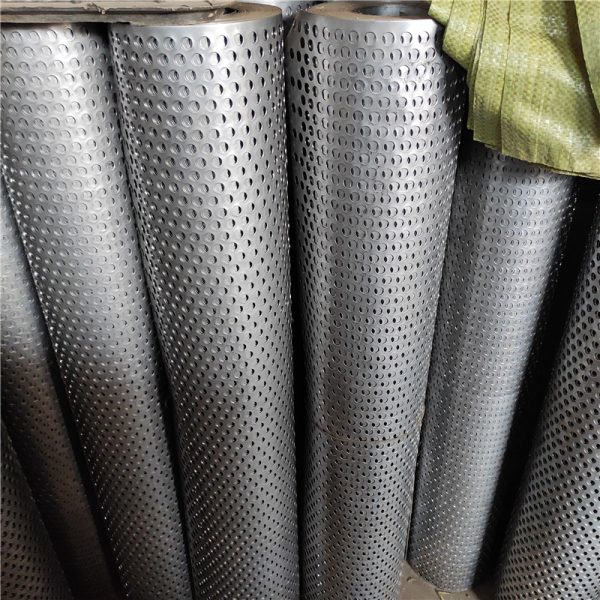
Carbon Steel Perforated Metal Sheets
We work with buyers and engineers who need carbon steel perforated sheets that are practical to manufacture and reliable in use.
If you’re preparing an RFQ or want to confirm specifications before sourcing, a short conversation often saves time on both sides.
Contact us via WhatsApp to talk through the details:
Conclusion
Slotted carbon steel perforated sheets are an invaluable material in many industrial and construction applications. However, without proper design attention—especially in terms of edge margins, hole spacing, and thickness—the risk of cracking and tearing increases. By implementing thoughtful design practices, manufacturers can significantly extend the lifespan of these panels, providing durable and reliable solutions for their clients.