Introduction to Hexagonal Perforated Aluminum
Hexagonal perforated aluminum offers a unique combination of style and function, making it a favored choice in various industries. Known for its distinctive “honeycomb” pattern, this material provides a sleek texture while maintaining a low weight profile. It is used extensively in architectural designs, industrial applications, and even in safety grating. But what makes it such a versatile material? Let’s dive into the visual appeal, practical applications, and processing considerations that make hexagonal perforated aluminum stand out in the market.
Visual and Aesthetic Appeal
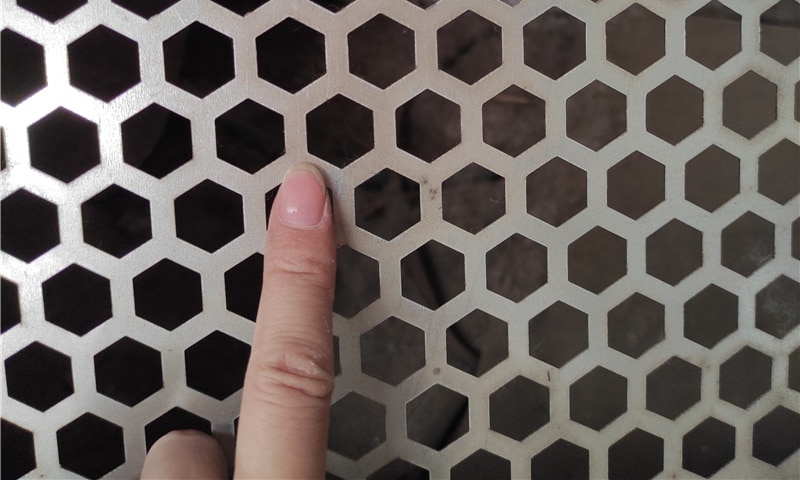
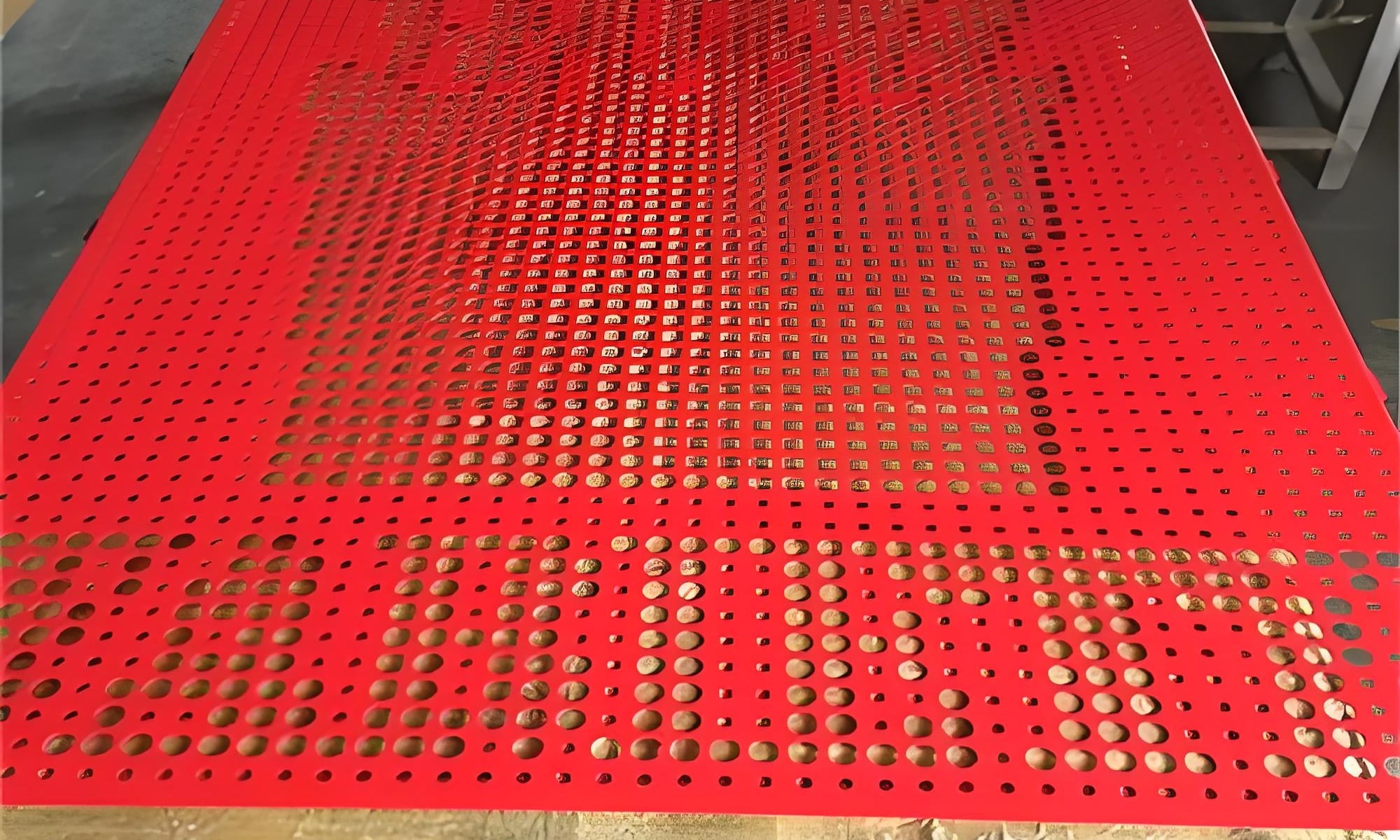
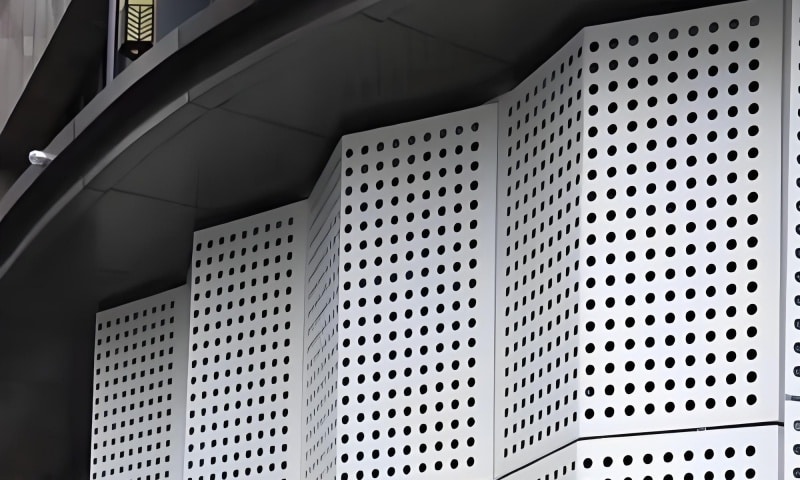
One of the most prominent features of hexagonal perforated aluminum is its distinctive geometric pattern. The hexagonal shape not only enhances the visual texture of any structure but also serves functional purposes, such as reducing the overall weight of panels while maintaining structural integrity. This unique pattern is ideal for creating facades, dividers, and architectural elements where both appearance and performance are critical.
The uniformity of the hexagonal design ensures that the perforated sheet has a sleek and modern look, perfect for applications that require a blend of form and function. Whether used for building facades or interior decorative elements, hexagonal perforated aluminum offers the right balance of style and strength, providing a clean yet distinctive aesthetic.


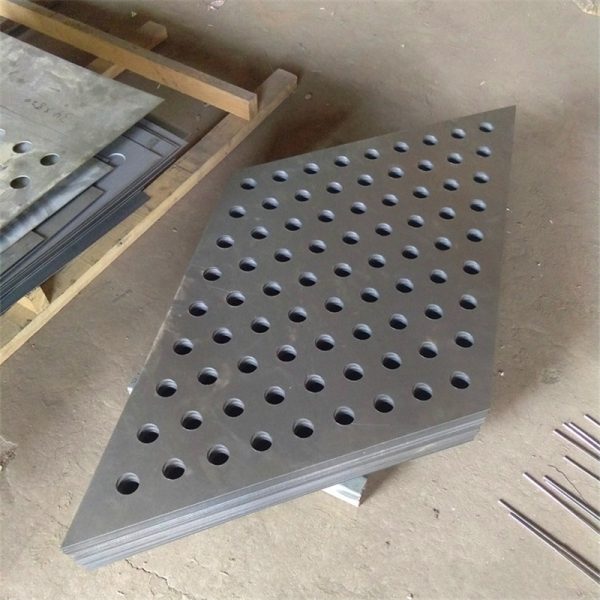

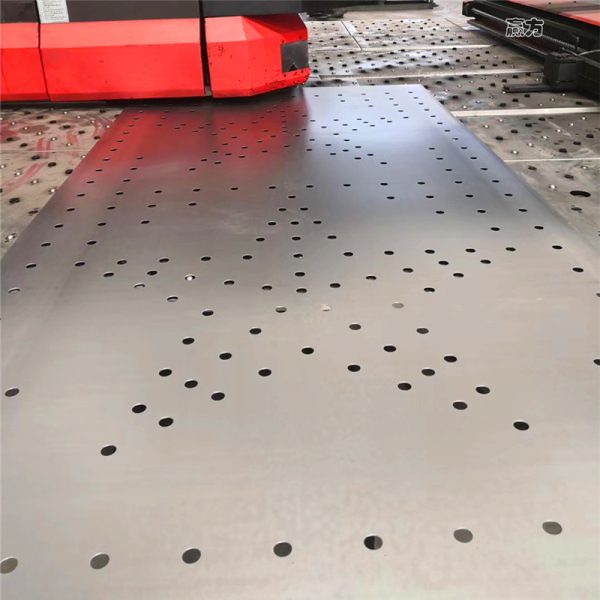

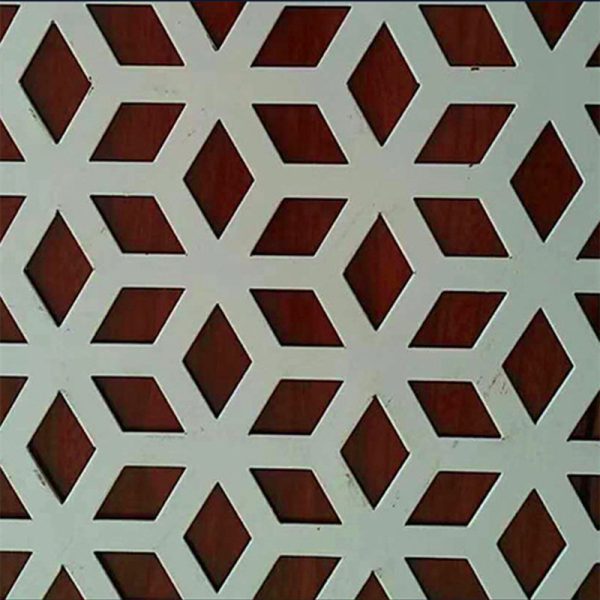

Aluminum Perforated Metal Sheets
Send a Quick Message, We’ll Do the Rest
Tell us what you need. We’ll match the right perforated aluminum sheet and quote it — no back-and-forth.
Fast quote + lead time
Sample before production if needed
Factory direct pricing
Open Area Ratio: A Balance of Efficiency and Durability
One of the key considerations when selecting perforated metal sheets is the open area ratio, which refers to the percentage of the sheet’s surface area that is open, allowing for airflow and light passage. Hexagonal perforated aluminum offers a high open area, which makes it an excellent choice for applications requiring ventilation or light filtration, such as outdoor screens or panels used in construction projects.
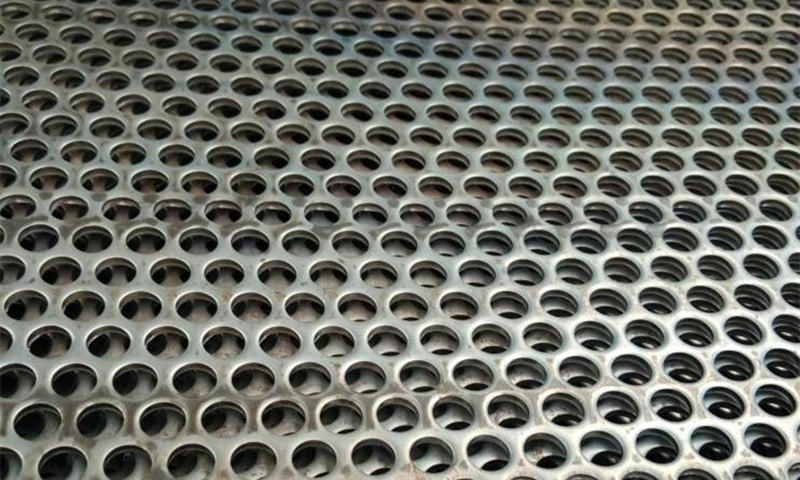
The perforation size and pattern also help optimize performance by allowing for efficient drainage and airflow while maintaining the strength and durability necessary for demanding environments. This balance between aesthetics and efficiency is a key factor that makes hexagonal perforated aluminum so popular in the building and manufacturing industries.
Applications Across Industries
Hexagonal perforated aluminum is used in a variety of industries, thanks to its balance of strength, flexibility, and design appeal. In the architecture and construction sectors, it is frequently employed in facade cladding, sunshades, and interior dividers. Its ability to withstand environmental stress while offering an attractive visual effect makes it perfect for modern building designs.
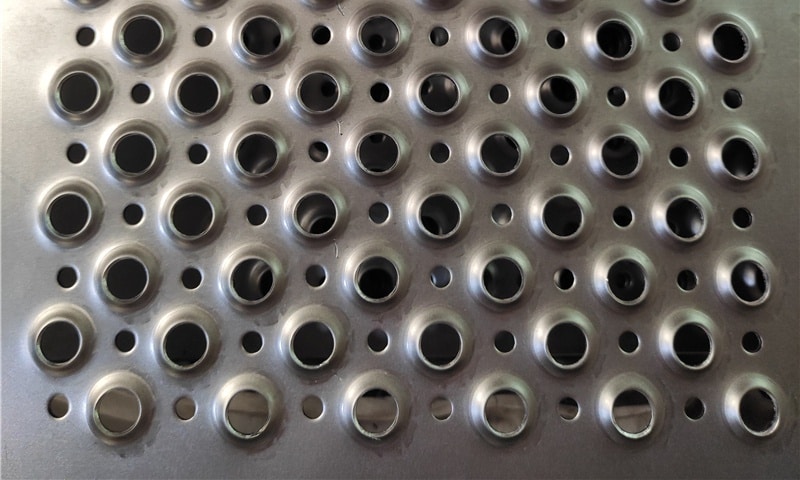
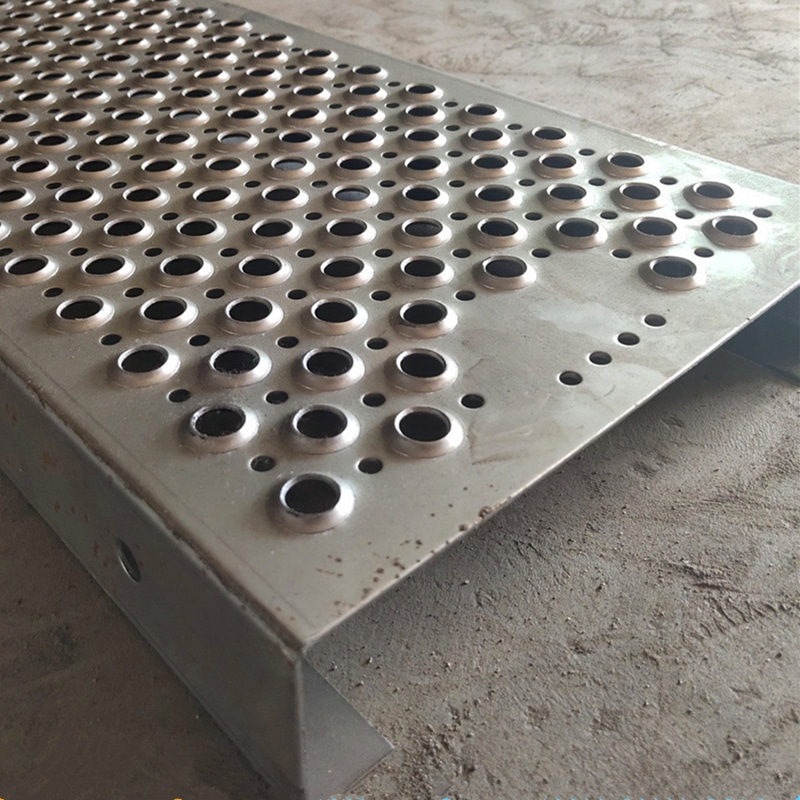
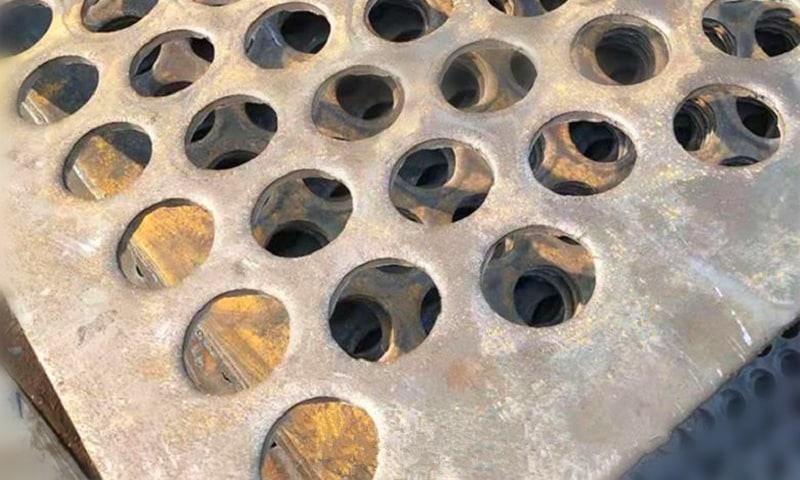
In the manufacturing and industrial sectors, hexagonal perforated aluminum is used for protective coverings, air filters, and safety grating. It is particularly beneficial in environments that demand materials that combine both high strength and lightweight characteristics.
Furthermore, its application in acoustics cannot be overlooked. With its unique hole pattern, it is also used in soundproofing solutions where material thickness and weight are key considerations. This versatility in usage allows it to play a role in everything from ventilation systems to aesthetic facades and more.

Processing and Surface Finishing Tips
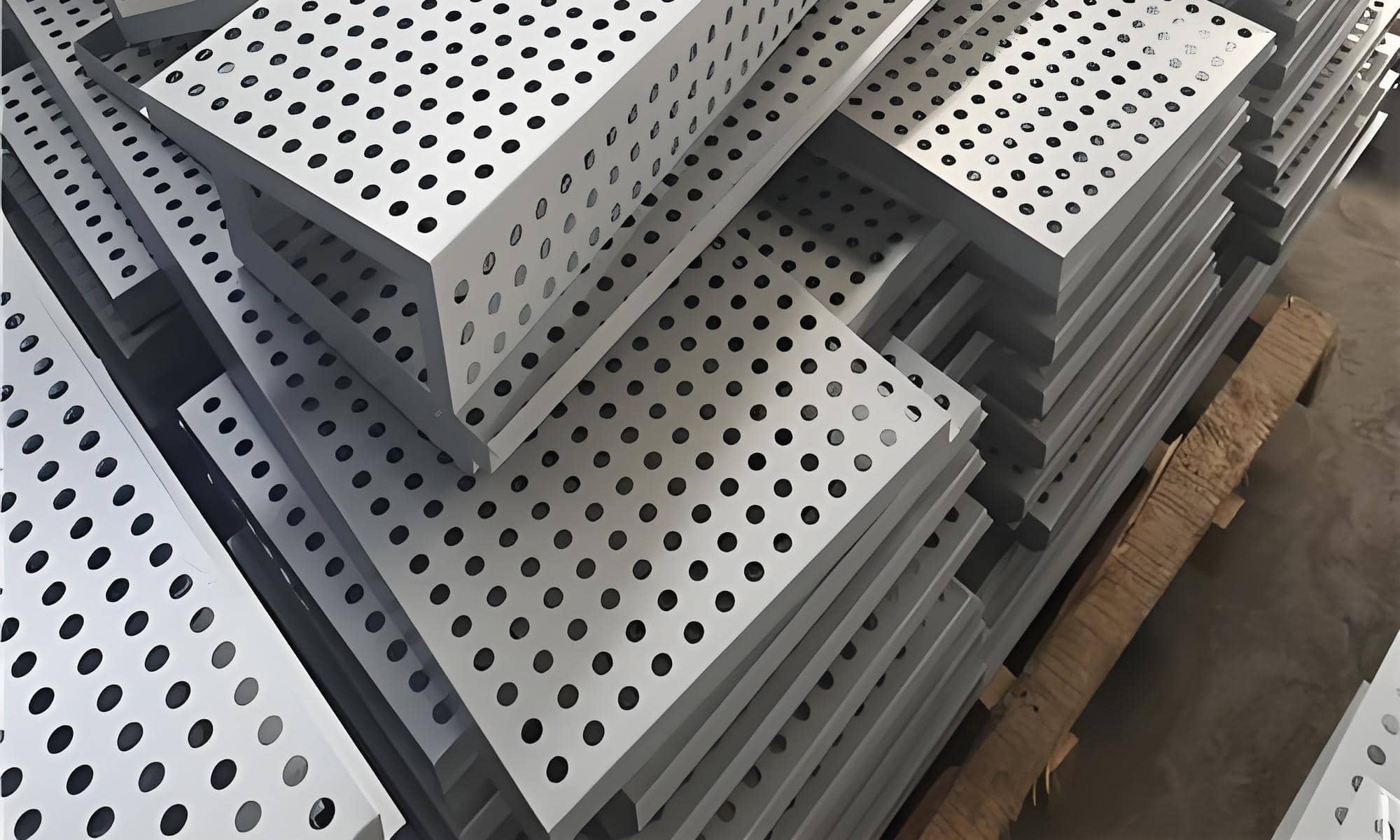
When it comes to processing hexagonal perforated aluminum, it’s important to consider the manufacturing techniques that will best suit the application. The material can be easily CNC punched to create precise hexagonal perforations, ensuring high-quality results even in large-scale orders.
Additionally, surface finishes such as anodizing, powder coating, or painting can further enhance the material’s durability and appearance. Anodizing, in particular, provides enhanced corrosion resistance, making it suitable for outdoor use in harsh weather conditions. Powder coating offers an additional layer of protection while allowing for customization in color, which can be especially important in decorative or architectural applications.
Conclusion
Hexagonal perforated aluminum is a unique, efficient, and highly versatile material that offers an unbeatable combination of visual appeal and practical functionality. Whether used in architecture, industrial applications, or safety systems, its strength-to-weight ratio, aesthetic appeal, and open area ratio make it a material of choice in multiple fields. By considering the right processing techniques and surface treatments, manufacturers and designers can unlock the full potential of this remarkable material.