When it comes to selecting perforated panels for industrial applications, the gauge (thickness) of the metal can make all the difference, especially in demanding environments. In industries such as mining, construction, and heavy machinery, the choice of material and its thickness directly impacts the panel’s performance. For applications where durability, high strength, and resistance to wear and tear are critical, heavy gauge carbon steel round hole punched panels provide a robust solution.
Why Choose Heavy Gauge Carbon Steel?
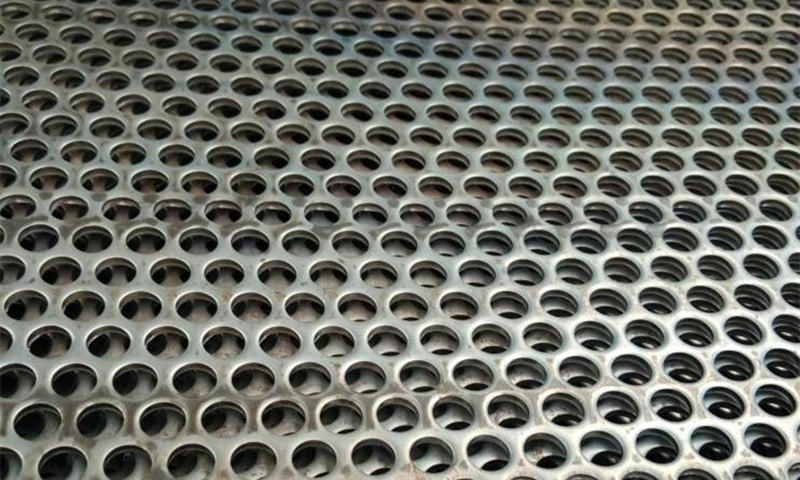
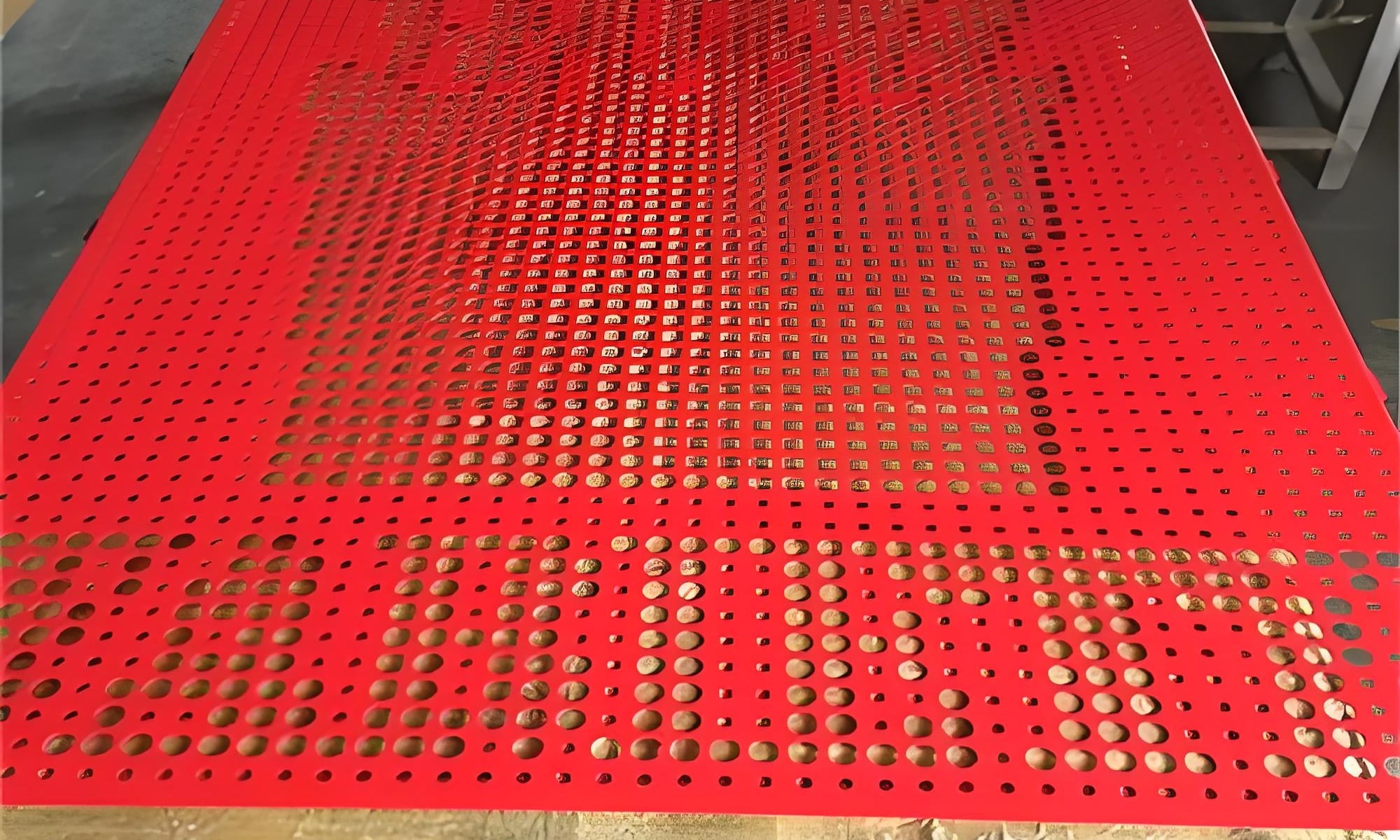
Heavy gauge carbon steel round hole punched panels are designed to withstand significant wear and pressure, making them ideal for high-stress environments. These panels are often specified for use in projects that require strength, such as mineral screening, load-bearing walkways, or as barriers in harsh environments.
Durability and Wear Resistance
In environments like mineral screening or aggregate sorting, the panels are exposed to abrasive materials that can quickly wear down thinner metal sheets. Heavy gauge steel, with its increased thickness, provides enhanced wear resistance. This ensures that the perforated panels remain effective over a longer period, reducing the need for frequent replacements and minimizing downtime in industrial operations.
Customization for Specific Applications
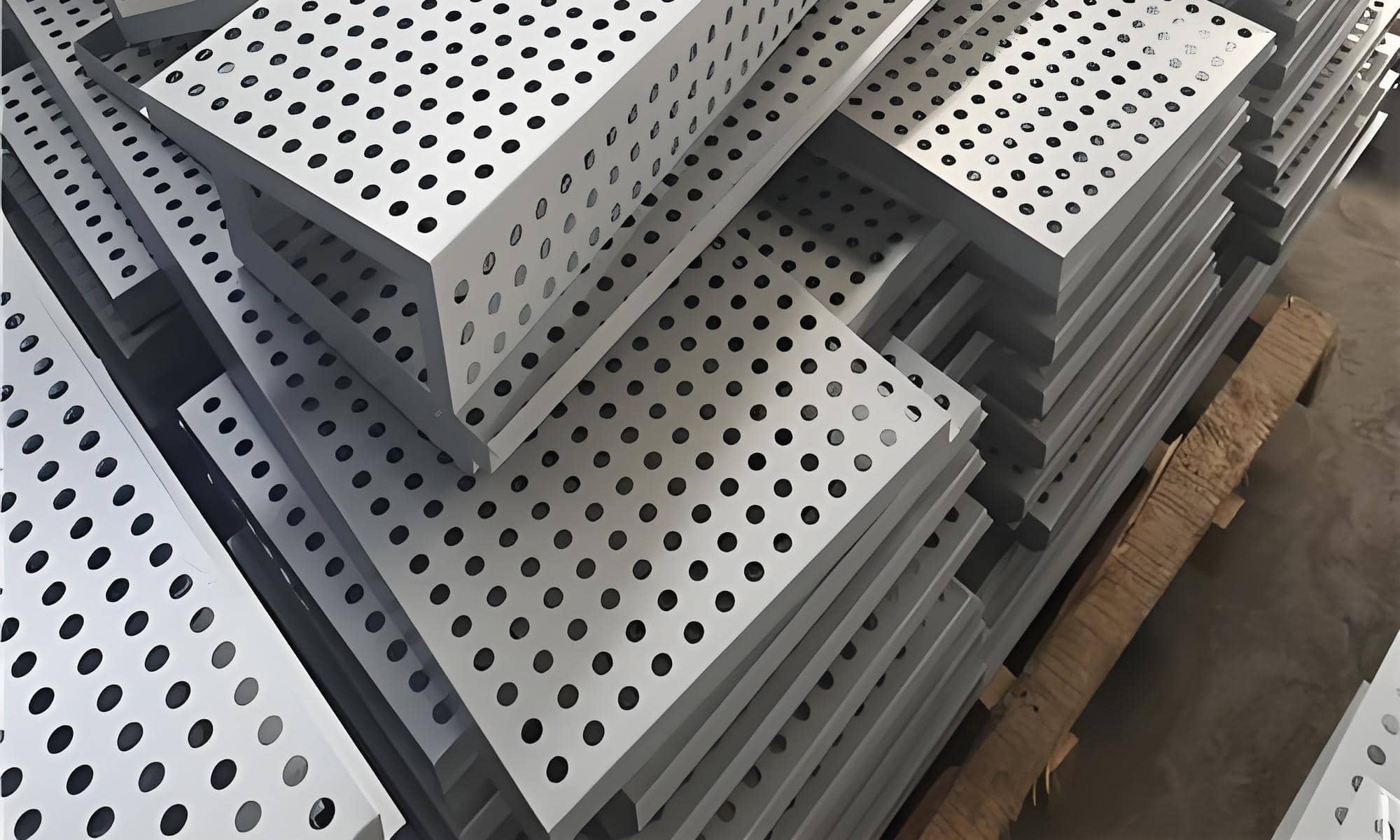
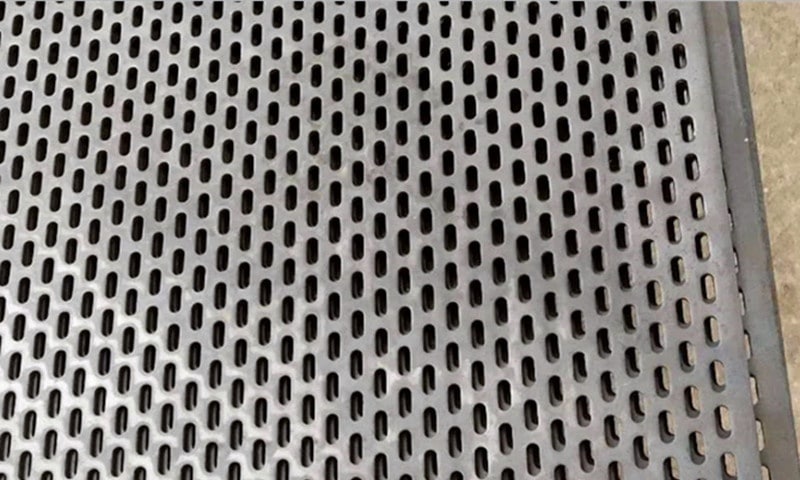
One of the key advantages of heavy gauge round hole punched panels is their customizability. These panels can be tailored to meet the specific needs of your project, whether it’s adjusting the size of the perforations or varying the thickness for added strength. Custom round hole punched panels allow businesses to optimize their designs to meet exact specifications, ensuring they perform optimally for their intended purpose.


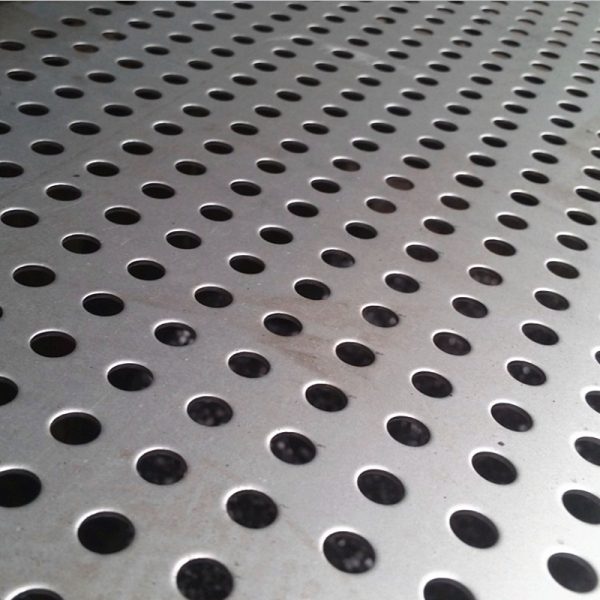
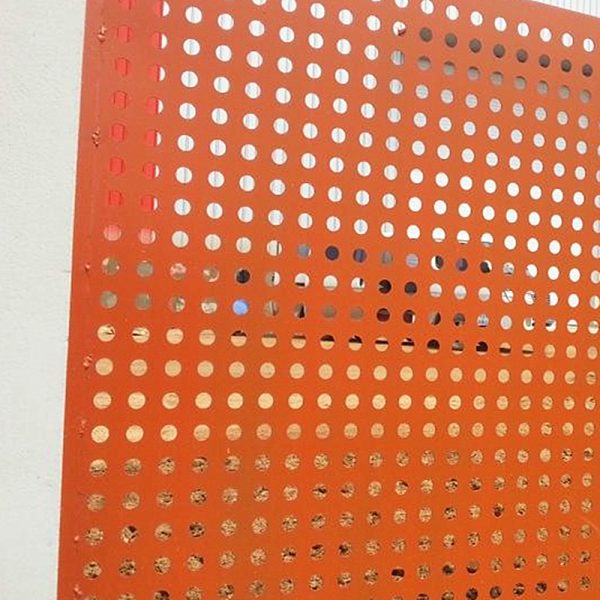
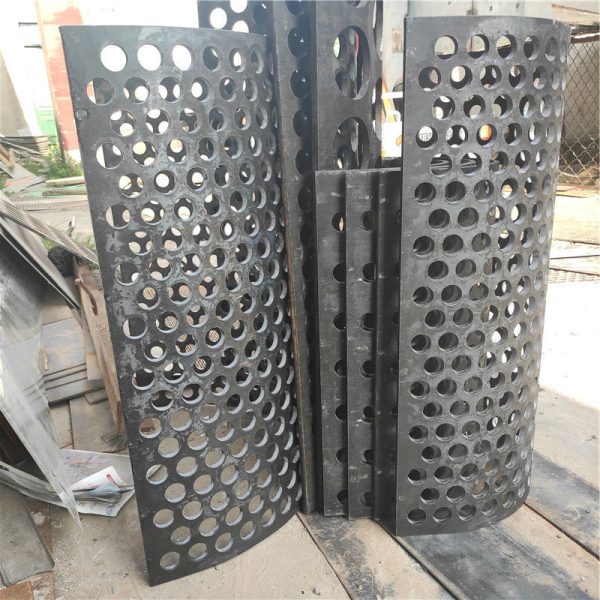

Round Hole Perforated Metal Sheets
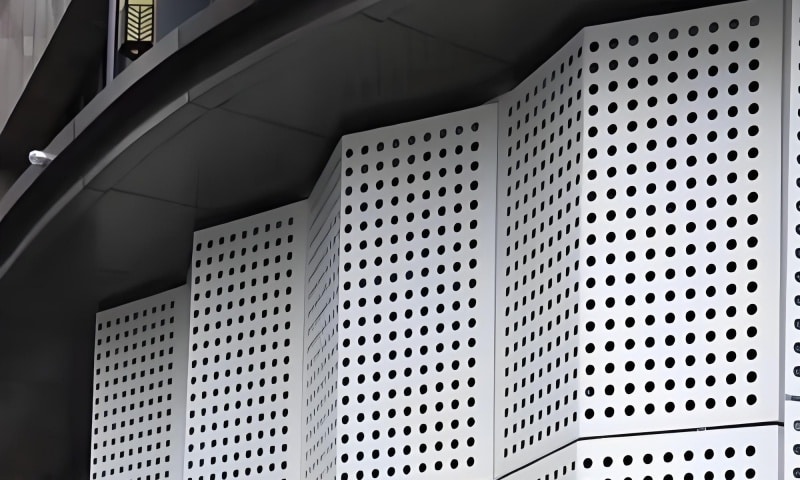
Custom perforated metal sheets with precise hole patterns in various materials: stainless steel, aluminum, galvanized steel, carbon steel, copper, brass, and plastic. Durable and corrosion-resistant.
Perfect for architectural screens, machinery guards, acoustic panels, and decorative elements. Factory-direct pricing with cutting/bending services. Request quote or sample today.
When Should You Specify Heavy Gauge Panels?
While heavy gauge carbon steel panels are not always necessary, there are specific scenarios where their use is highly recommended. Understanding when to opt for heavier gauge materials can help reduce costs and improve the longevity of your installations.
Applications Requiring High Strength
For projects like heavy-duty machinery platforms or mineral processing equipment, the need for a robust and durable solution is paramount. Heavy gauge panels provide the structural integrity needed to support significant loads and resist deformation under pressure. If your project involves constant high-impact use or large quantities of abrasive materials, specifying a heavier gauge is a smart choice.
Extreme Environmental Conditions
Applications exposed to extreme weather conditions, such as outdoor screening installations, may also benefit from the added protection of heavy gauge materials. The thicker metal sheets offer greater resistance to corrosion, oxidation, and other environmental factors, ensuring the longevity of the perforated panels even in harsh climates.
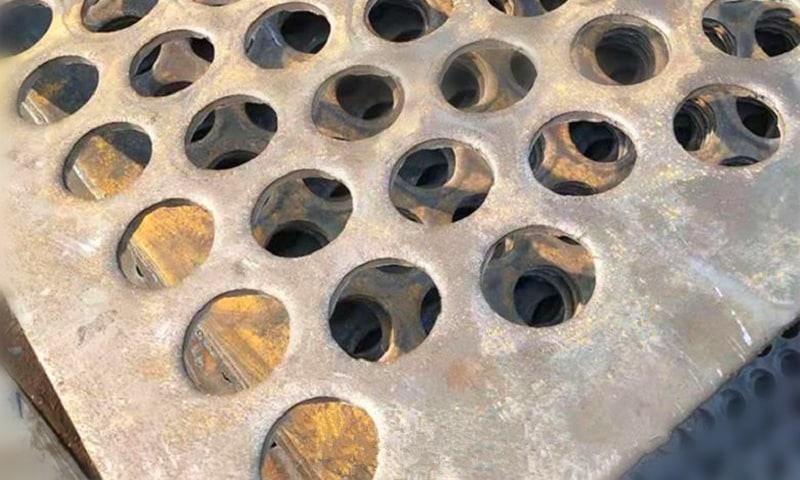
How to Select the Right Thickness
Selecting the appropriate thickness for your perforated panels depends on several factors, including the intended use, the type of materials being handled, and the required strength. For example, lighter loads and less abrasive environments may not require as thick a panel, while mining or construction environments might demand a more substantial sheet to handle heavier impacts and greater wear.
Thickness Range and Its Impact
Typically, heavy gauge panels fall within the 10-gauge to 14-gauge thickness range, depending on the specific needs of the project. Understanding the thickness specifications and their impact on the panel’s performance can help ensure that the panels provide adequate strength without being overly costly or difficult to handle.
Conclusion
When specifying round hole punched panels for heavy-duty applications, choosing the right gauge is critical to ensure optimal performance and durability. Heavy gauge carbon steel panels provide the strength, wear resistance, and customizability needed for demanding industrial applications. By understanding the factors that influence the choice of thickness, you can make an informed decision that best suits your project’s needs.