Choosing the right metal for the project
When buyers compare architectural perforated metal panels, the real question is not which metal is “better” in general. The better choice depends on the project environment, the visual target, and how the panels will be fabricated and installed.
In many cases, aluminum is selected for projects where weight control matters and the design calls for easier handling. Stainless steel is often considered when the project needs a harder surface feel, stronger corrosion resistance in demanding conditions, or a more refined metallic appearance. The right answer depends on the drawing, the finish, and the exposure conditions.
Aluminum: lighter and easier to handle
Aluminum is often preferred for large façade areas, sunscreens, and interior architectural features where lower weight helps reduce structural load and simplify installation.
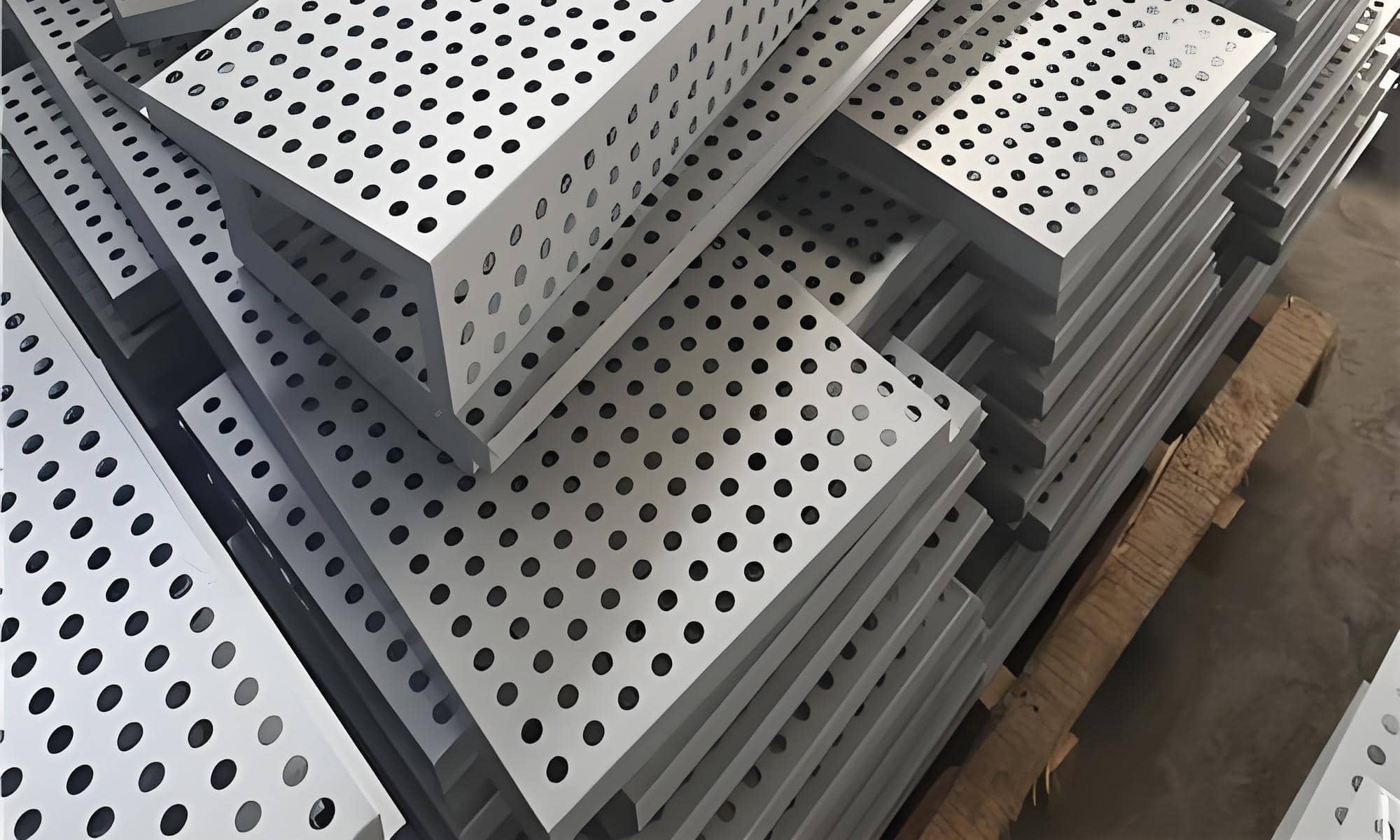
For perforated panel work, aluminum usually gives fabricators good forming and handling flexibility. It can be a practical choice when the project includes bending, cassette folding, or repeated panel modules. It also works well when the specification calls for powder coating or anodizing.
For many exterior projects, aluminum is a strong option because it combines appearance, weight efficiency, and fabrication convenience. Still, its suitability depends on coating system, site environment, and the design details around edges, fasteners, and drainage.



Architectural Perforated Metal Panels
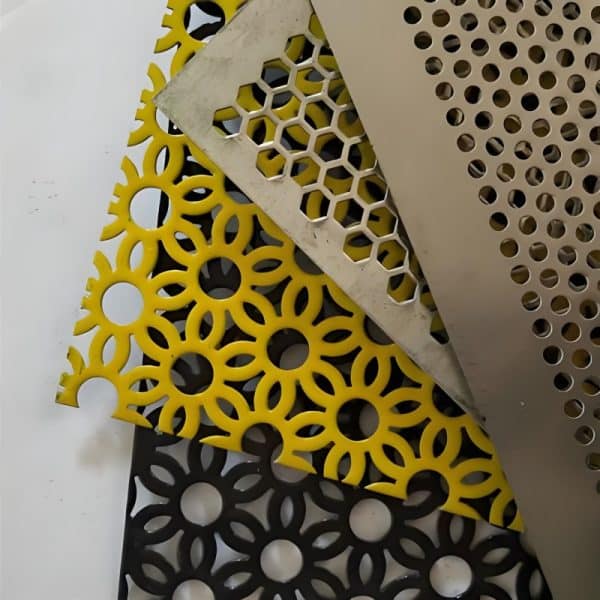
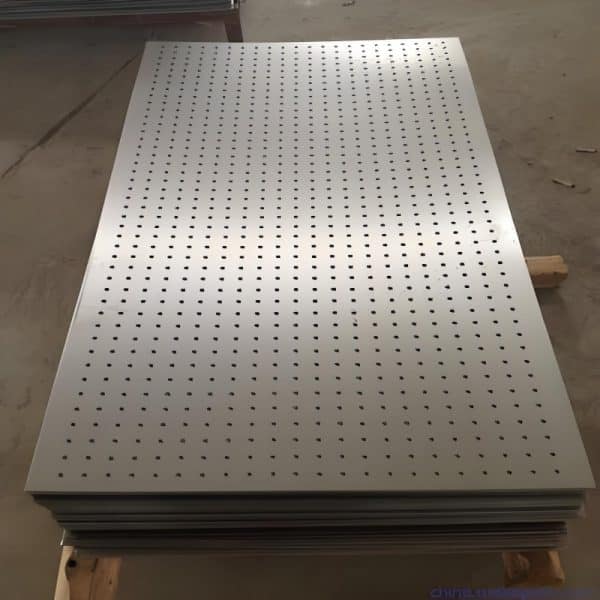
Custom architectural perforated metal panels for façades, screens, ceilings, and cladding. Available in aluminum or stainless steel, with hole pattern, open area, finish, and panel size made to drawing. Send your RFQ for a project-based review, so we can recommend the material that fits your site, appearance target, and installation method.
Stainless steel: stronger surface presence and tougher exposure tolerance
Stainless steel is often chosen when the project needs a more premium metallic look or when the site conditions are more demanding. It is commonly considered for coastal buildings, high-traffic public areas, and architectural elements that must keep a crisp surface appearance over time.
Compared with aluminum, stainless steel is heavier and usually harder to process. That can affect punching, bending, and welding, especially for complex shapes or tight tolerances. For some projects, this is acceptable. For others, it adds cost and fabrication time that may not be necessary.
Architects and contractors often choose stainless steel when the visual finish is a priority and the environment justifies the material.
Weight difference affects structure and installation
Weight is one of the first practical points to check. Aluminum panels are generally easier to lift, transport, and install. That can help on large cladding jobs, retrofit projects, and applications where support framing has limits.
Stainless steel panels can increase the load on the substructure. In some projects, that is not a problem. In others, it can change the framing design, the fixing method, or the panel size strategy. For this reason, material selection should always be reviewed together with the structural drawing and installation method.
Corrosion resistance depends on the site
Both materials can perform well outdoors, but they do not behave the same way.
Aluminum is often a good fit for general exterior use when the finish system is suitable for the site. Stainless steel is often preferred where the environment is harsher, such as marine exposure or areas with more aggressive moisture conditions.
That said, corrosion performance is not only about the base metal. It also depends on fabrication quality, cut edge protection, drainage design, contact with other metals, and the coating or passivation system. A panel that looks fine on paper may still need extra attention at the detail level.
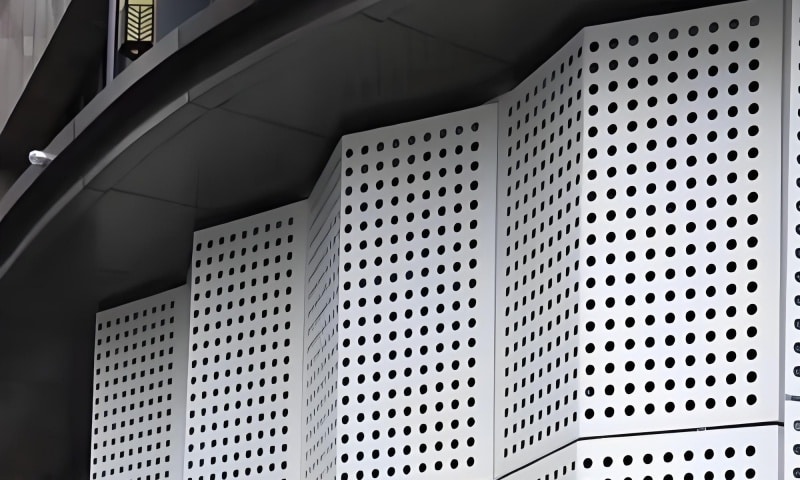
Surface effect and visual tone
Architectural perforated metal panels are usually judged by how they look in real light, not only by the spec sheet.
Aluminum typically gives a clean, adaptable surface for powder coating and anodizing. This makes it easy to match brand colors, warm tones, or a more restrained façade palette.
Stainless steel naturally gives a different visual feel. It often looks more technical, sharper, and more reflective, depending on the finish. That can be useful when the design wants a more premium or precise expression.
For façade projects, the best choice often comes down to how the material reads from a distance, how it reflects daylight, and how it supports the overall architectural effect.
Fabrication and processing differences
From a manufacturing point of view, aluminum is usually easier to punch, bend, and form. That can be helpful when the project involves complex perforation layouts, special edge details, or repeat production with consistent appearance.
Stainless steel is still fully workable, but it usually needs more attention to tooling, process control, and finishing. This is especially true when the panel design includes small holes, narrow bridges, or secondary operations such as welding and polishing.
If the project includes tight visual requirements, it is wise to confirm material choice early with the manufacturer. Small differences in material behavior can affect flatness, edge quality, and final appearance.
Cost is not only the sheet price
Many buyers compare aluminum and stainless steel by material price alone, but that is only part of the picture.
The full cost also includes fabrication difficulty, finishing, transport, installation, and long-term maintenance. A lower-cost sheet may still lead to higher total project cost if it requires more support, more labor, or more surface protection.
In some projects, aluminum is more economical because it is lighter and easier to process. In other cases, stainless steel can be the better value because the project environment justifies its use and reduces concern later in the life of the building.
How to choose for outdoor projects
For outdoor architectural perforated metal panels, the selection should follow the project conditions, not habit.
Aluminum is often suitable when:
- Weight reduction is important
- The panels need coating or color matching
- The project uses large panel formats
- The environment is moderate
Stainless steel is often suitable when:
- The site is more demanding
- The design needs a metallic, premium finish
- Surface durability is a major concern
- The project can accept higher weight and processing effort
In many cases, the best answer comes from balancing appearance, installation, and exposure.
A practical buyer rule
A simple way to approach the choice is this: use aluminum when the project is driven by weight, finishing flexibility, and easier fabrication. Use stainless steel when the project is driven by environmental resistance, surface character, and a more premium architectural look.
For procurement teams, the most useful next step is to share the drawing, the location, the finish requirement, and the installation method. That gives the supplier enough information to suggest the material that fits the project instead of making a general recommendation.