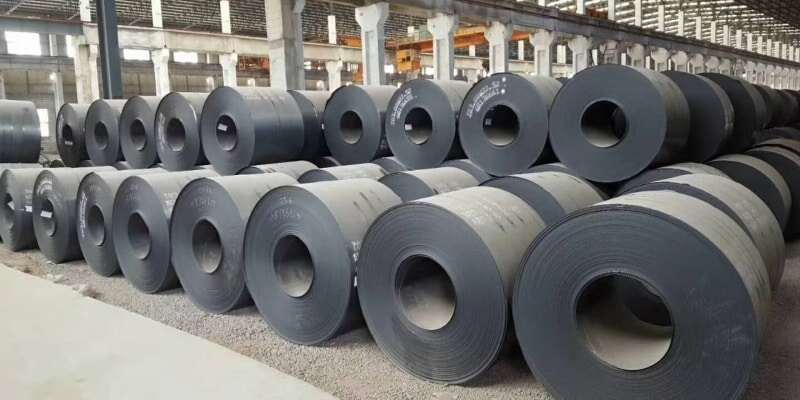
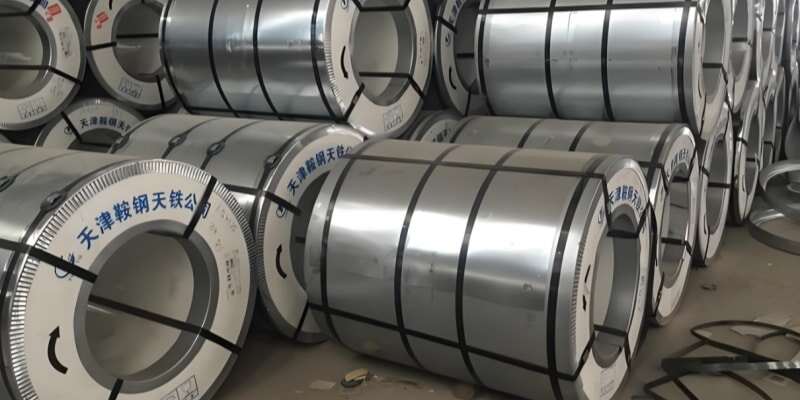
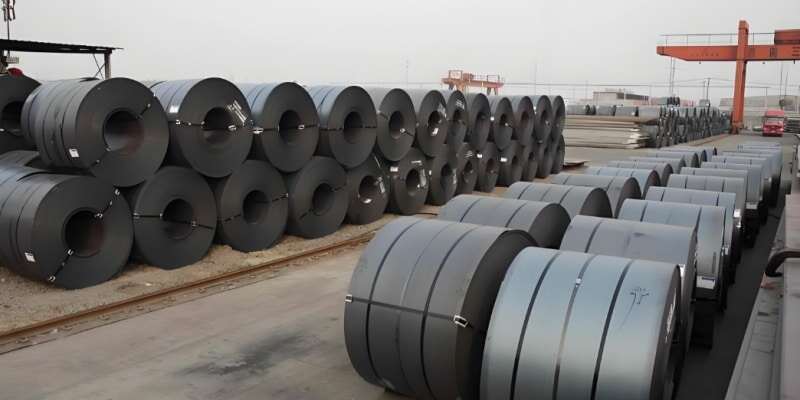
Carbon steel, stainless steel, aluminum alloy, galvanized steel, etc.
Hole types
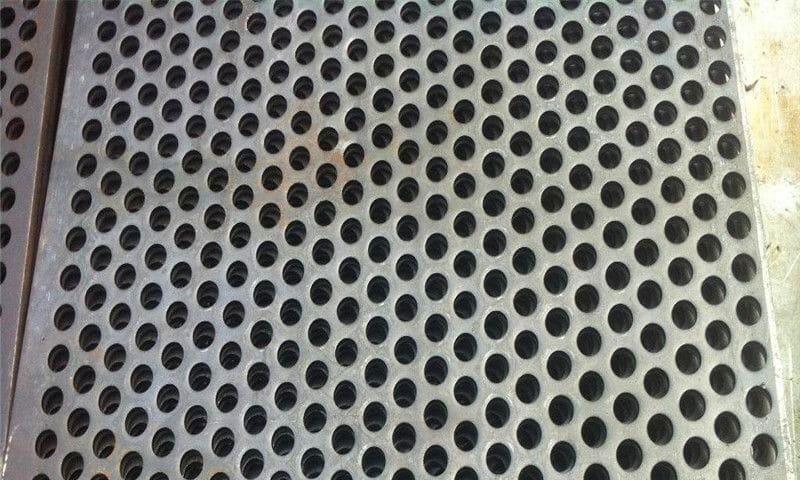
Round holes, square holes, rectangular holes, hexagonal holes, etc.
Hole size
3mm–300mm (Note: Hole diameter must be ≥ sheet thickness)
Please email us with your required specifications based on the above parameters. We will provide customized quotes and manufacturing according to your requirements.
Reliable Screening Solutions for Demanding Industrial Applications
Our industrial perforated screens and sieve plates are engineered for efficient material separation in a wide range of industries. Designed for durability, precision, and long-term performance, these screening components are widely used in hammer mills, mining operations, quarry processing, agriculture, and bulk material handling systems.
With years of manufacturing experience in perforated metal production, we provide high-strength, wear-resistant screening plates that maintain stable performance even under continuous impact and abrasive conditions.
Whether you are processing grain, crushing ore, or handling powders, our perforated screens deliver consistent sizing accuracy and reliable throughput.
What Are Perforated Screens & Sieve Plates?
Perforated screens, also known as sieve plates or screen plates, are metal sheets with precisely punched holes used for:
Material sizing
Particle separation
Filtration and grading
Flow control in processing systems
Compared with woven mesh, perforated sieve plates offer higher strength, better wear resistance, and longer service life, making them ideal for heavy-duty industrial environments.
Key Features & Advantages
High Wear Resistance for Harsh Conditions
Our perforated screens are manufactured using carbon steel, stainless steel, and wear-resistant steel, ensuring excellent durability in high-impact and abrasive applications such as mining and hammer milling.
Precise and Consistent Apertures
All holes are produced with strict tolerance control, ensuring uniform particle size distribution and stable screening efficiency.
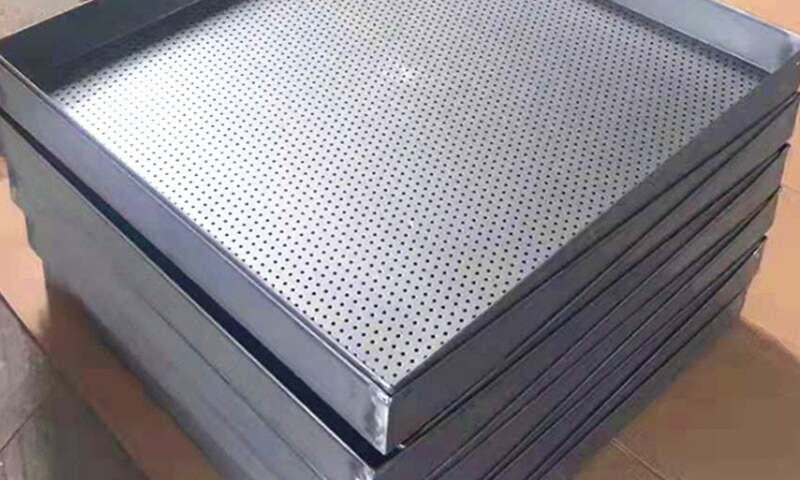
Excellent Flatness and Structural Stability
Flat panels improve installation accuracy and prevent vibration issues during operation, especially in high-speed equipment like hammer mills.
Long Service Life
Optimized material selection and advanced punching processes significantly extend service life and reduce downtime.
High Open Area Efficiency
Well-designed perforation patterns provide an optimal balance between strength and open area, improving throughput and productivity.
Typical Applications of Perforated Screens
our perforated screens are used in multiple industries:
Hammer Mill Screens
Used in grinding equipment to control particle size in:
Feed mills
Biomass processing
Wood and pellet production
Mining & Quarry Screening
Ore classification
Aggregate sizing
Stone and sand separation
Agriculture & Grain Processing
Grain cleaning and grading
Seed separation
Corn, wheat, and rice processing
Food Processing Industry
Flour milling
Powder screening
Dry food separation systems
Chemical & Industrial Processing
Powder classification
Filtration systems
Bulk material handling
Hole Types for Screening Applications
We offer multiple perforation patterns to meet different screening requirements:
Round holes – the most widely used for general screening
Square holes – higher open area for improved efficiency
Slotted holes – ideal for elongated or fibrous materials
Hexagonal holes – maximize open area while maintaining strength
Materials for Different Working Conditions
Material selection plays a critical role in performance:
Carbon Steel – cost-effective for general industrial use
Stainless Steel – corrosion-resistant for food and chemical environments
We provide fully customized perforated screen solutions based on your requirements:
Hole size and pattern
Plate thickness
Panel dimensions
Open area ratio
Reinforcement structure
Secondary Processing Services
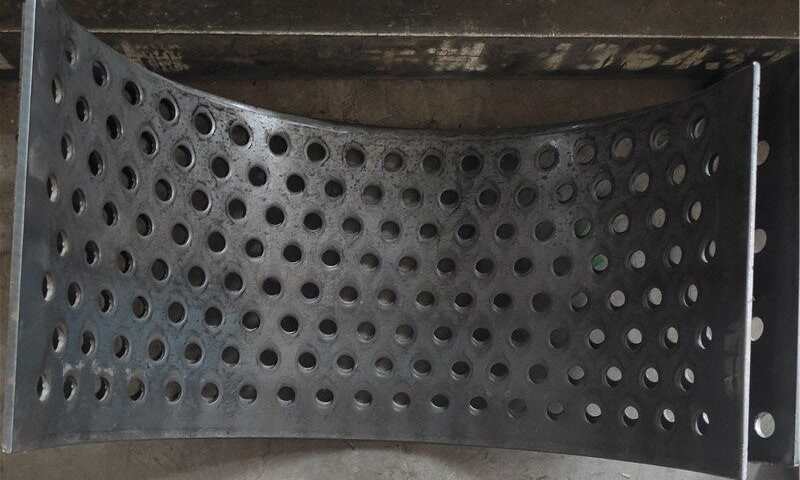
Bending
Rolling / Cylindrical forming
Welding and frame assembly
These services ensure seamless integration into your equipment and systems.
Technical Specifications
Parameter
Range / Option
Thickness
1 mm – 20 mm
Hole Size
0.5 mm – 100 mm
Hole Pattern
Round / Square / Hexagonal / Slotted
Panel Width
Up to 1500 mm
Panel Length
Custom
Surface Treatment
Plain / Galvanized / Coated
Why Choose Our Perforated Screens?
Experienced perforated metal manufacturer
Strict quality control system
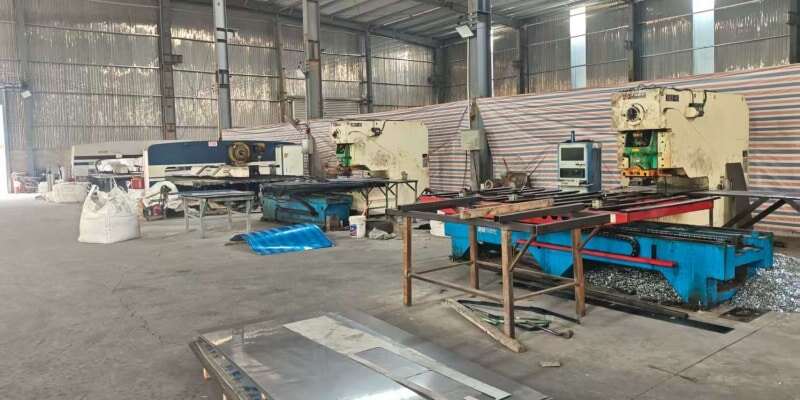
Advanced punching equipment
Stable product quality
Fast production and global delivery
Support OEM & custom orders
Request a Quote for Your Screening Application
Looking for reliable perforated screens, sieve plates, or hammer mill screens?
Send us your requirements including:
Material type
Hole size
Thickness
Application
Our team will provide a fast and professional quotation with technical support.
Page views:73
Q1: What is the difference between a perforated screen and a sieve plate?
They are essentially the same product. “Sieve plate” is more commonly used in industrial screening equipment, while “perforated screen” is a broader term.
Q2: What are hammer mill screens used for?
Hammer mill screens are used to control particle size during grinding, allowing only materials of a certain size to pass through.
Q3: Which material is best for perforated screens?
Wear-resistant steel: mining and heavy-duty use
Stainless steel: food and chemical industries
Carbon steel: general applications
Q4: Can perforated screens be customized?
Yes, we support full customization including hole size, pattern, thickness, and fabrication processes.
Q5: How do I choose the right hole size?
It depends on:
Required particle size
Material characteristics
Processing capacity
Q6: What industries use sieve plates?
Sieve plates are widely used in:
Mining
Agriculture
Food processing
Chemical industry
Recycling
Perforated sieve plate manufacturing video
After perforation, especially for plates with very dense hole patterns, the perforated sieve plates will experience significant deformation. We perform flattening treatment after completing all perforation processes. Below is the video of flattening perforated metal sheets:
After the leveling process, our perforated sieve plates can be precisely laser-cut into any custom shape as required. Below is a production video demonstrating the laser-cutting process:
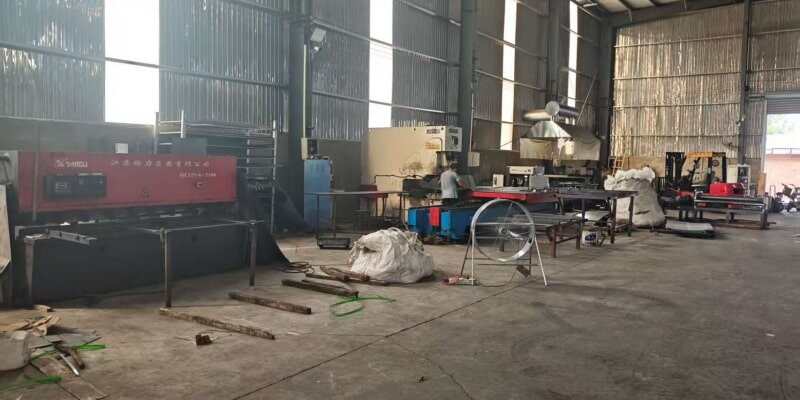
Below are some real-scene displays of our factory
Perforated Metal Sheet Automated Production Workshop Live Footage