Understanding Screening Requirements
Selecting the right perforated screen starts with a clear understanding of your screening process. In real-world industrial environments—whether in mining, aggregate processing, recycling, or food production—screen performance is directly tied to throughput, product quality, and operational uptime.
Before choosing a perforated screen, it’s important to define:
- The type of material being processed (wet, dry, sticky, abrasive)
- Target particle size distribution
- Required throughput capacity
- Operating conditions such as vibration intensity and temperature
From an engineering standpoint, these variables determine not only the hole configuration but also the structural integrity required for long-term use. From a business perspective, proper perforated screen selection can significantly reduce maintenance costs and unplanned downtime.
Key Factors in Screen Selection
Material Type and Abrasion Level
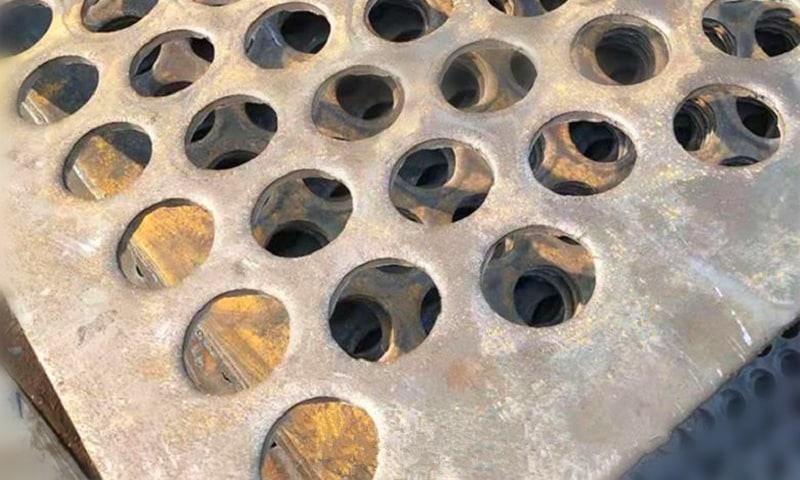
Material composition plays a critical role in determining the lifespan and efficiency of a perforated screen. For example, highly abrasive materials like crushed stone or metallic ores require wear-resistant materials such as hardened steel or stainless steel.
In contrast, applications involving food-grade or corrosive materials may require specialized alloys to ensure compliance and longevity.
Key considerations include:
- Abrasion resistance: Impacts service life and replacement frequency
- Corrosion resistance: Essential for chemical or wet environments
- Material thickness: Balances durability with open area efficiency
An experienced supplier will often recommend material grades based on field data and previous application cases, helping you avoid premature failure and unnecessary costs.
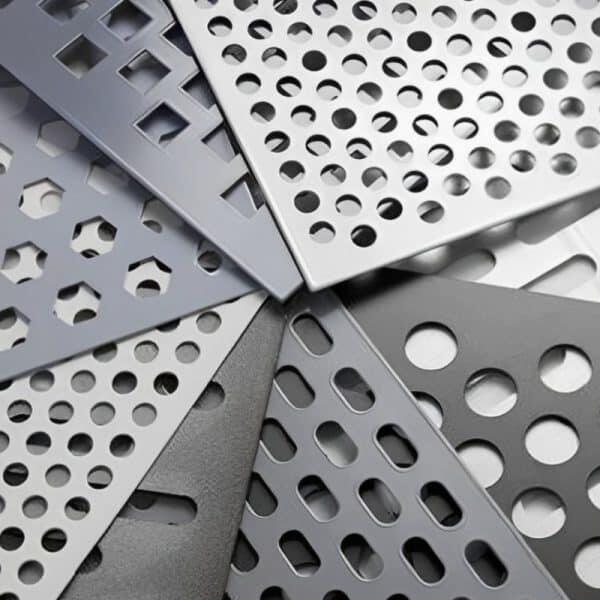
Industrial Perforated Screens & Sieve Plates
Looking for a perforated screen that actually fits your working conditions?
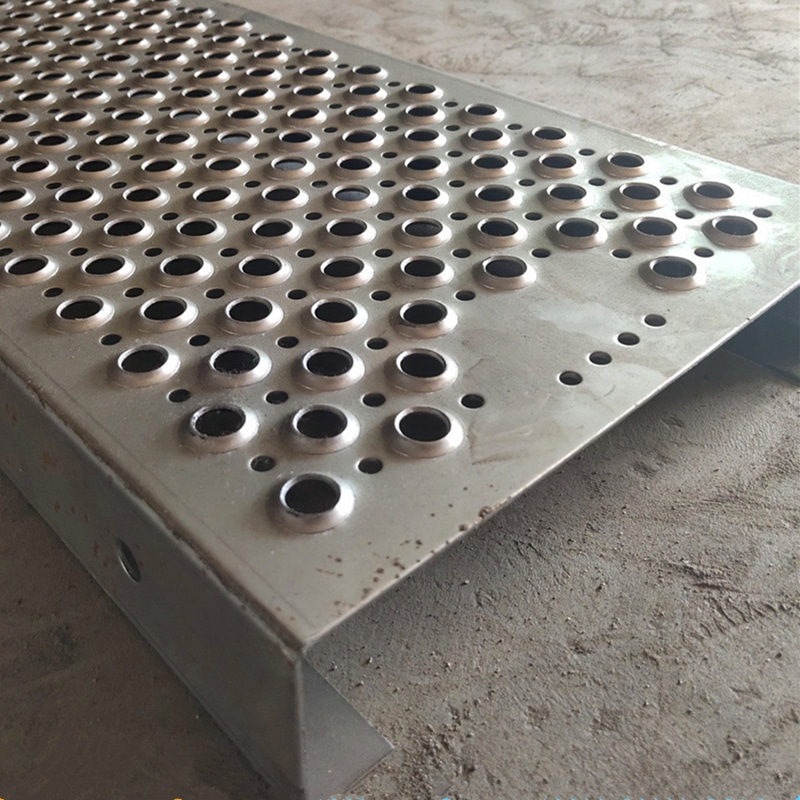
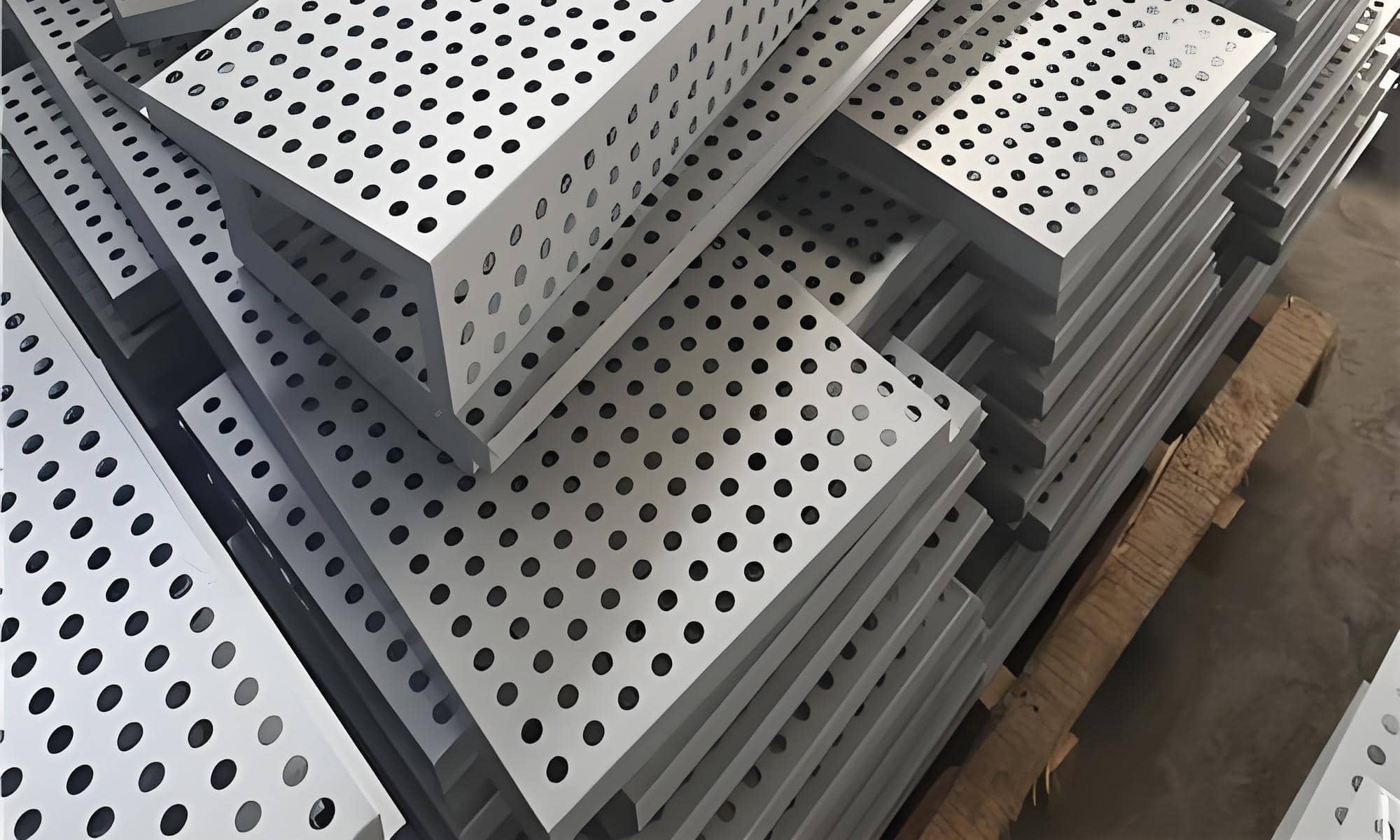
We manufacture custom sieve plates using CNC punching, with precise hole sizes, durable materials, and configurations tailored to your material type and screening requirements.
Whether you’re handling abrasive aggregates or fine materials, our solutions are designed to improve efficiency and reduce downtime in real production environments.
Hole Size and Open Area
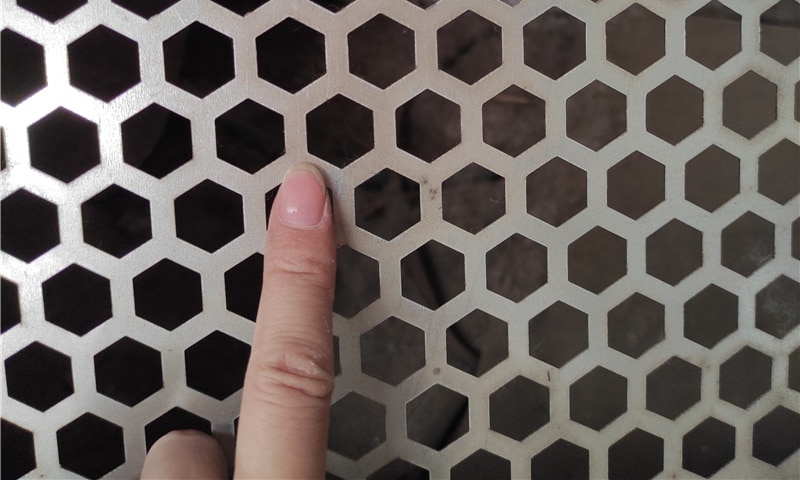
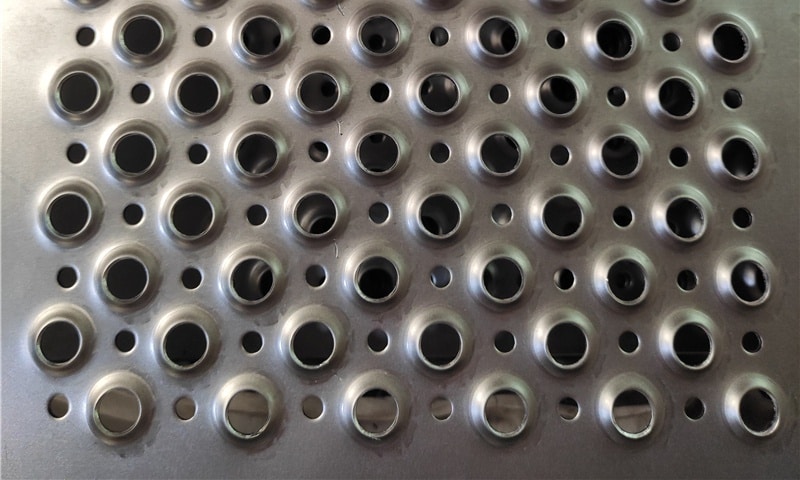
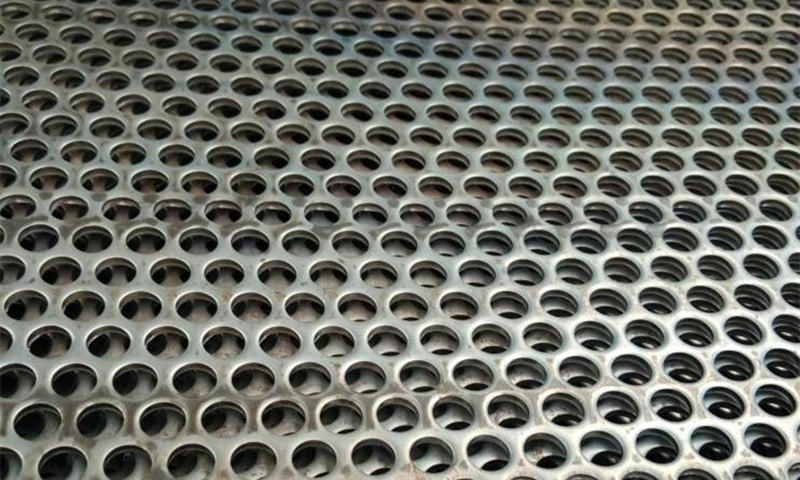
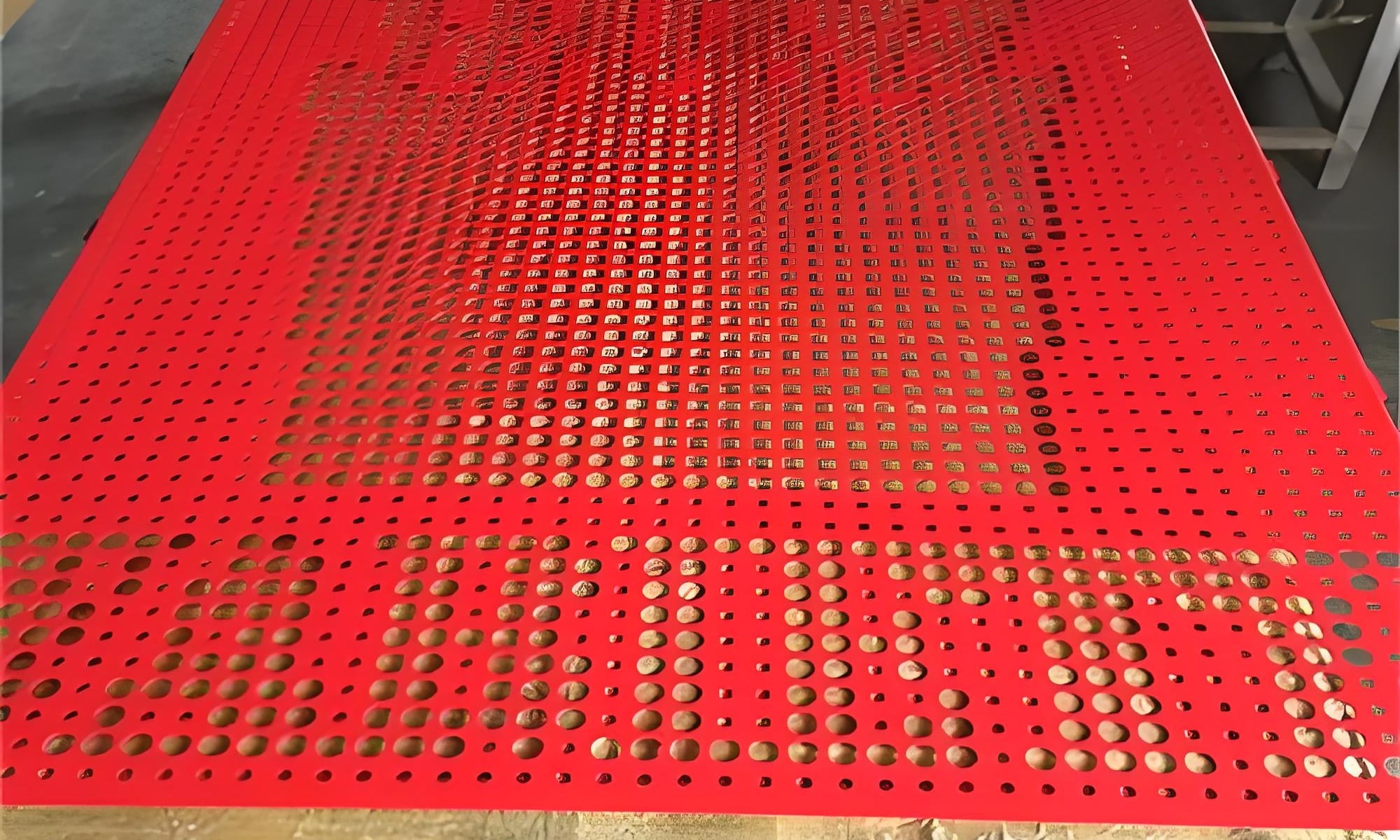
Hole size directly determines the separation accuracy of your screening process. However, it’s not just about choosing the right diameter—the arrangement and open area percentage are equally important.
- Smaller holes improve precision but may reduce throughput
- Larger holes increase capacity but may compromise screening accuracy
- Open area percentage affects both efficiency and flow rate
In high-capacity operations, optimizing open area while maintaining structural strength is key. This is where CNC punching technology offers a significant advantage, allowing precise and consistent hole patterns across large surface areas.
From a practical standpoint, a well-designed perforated screen balances:
- Screening efficiency
- Material flow rate
- Structural durability

Common Mistakes to Avoid
Even experienced buyers can run into issues if key details are overlooked. Some of the most common mistakes include:
- Ignoring material characteristics: يؤدي to rapid wear or clogging
- Selecting incorrect hole patterns: reduces screening accuracy
- Overlooking support structure compatibility: causes premature failure
- Focusing only on price: leads to higher long-term operational costs
In B2B procurement, it’s important to look beyond the initial quote. A lower-cost screen that fails quickly will ultimately increase total cost of ownership.
Working with a knowledgeable manufacturer can help identify these risks early and provide tailored solutions.
Matching Screens to Equipment
No perforated screen operates in isolation—it must integrate seamlessly with your existing equipment. Whether used in vibrating screens, trommels, or filtration systems, compatibility is critical.
Factors to evaluate include:
- Mounting system and panel dimensions
- Machine vibration characteristics
- Load distribution and support spacing
- Replacement and maintenance accessibility
For example, a high-frequency vibrating screen requires tighter tolerances and stronger fatigue resistance compared to static screening systems.
Custom fabrication is often the best route for ensuring a perfect fit. CNC punching enables consistent quality while allowing flexibility in design, ensuring each perforated screen meets both mechanical and operational requirements.
Final Thoughts
Choosing the right perforated screen is not just a technical decision—it’s a strategic investment in your operation’s efficiency and reliability. By carefully evaluating material type, hole configuration, and equipment compatibility, you can achieve better screening performance while minimizing downtime.
For B2B buyers, partnering with an experienced manufacturer ensures access to application-specific expertise, helping you make informed decisions that deliver long-term value.