What Is a Sieve Plate?
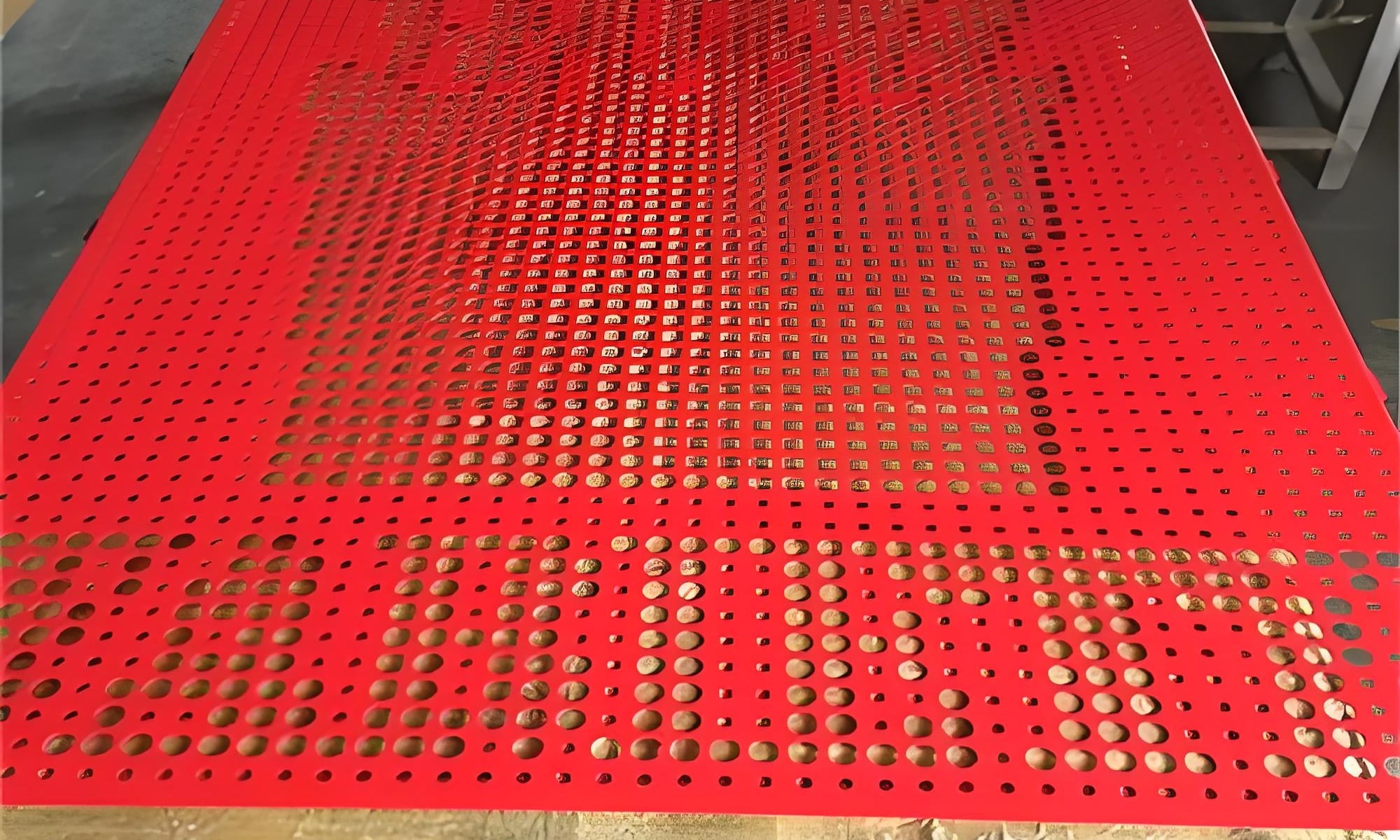
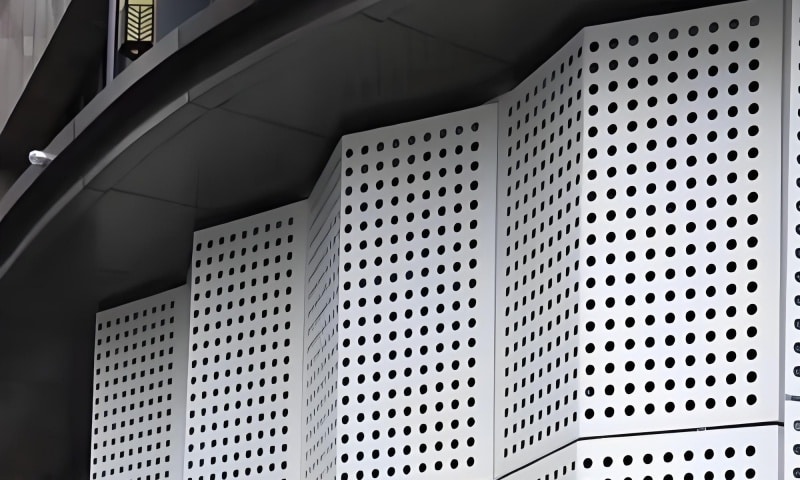
A sieve plate is a precision-engineered perforated metal panel used in industrial screening systems to separate materials by size. In simple terms, it acts as the working surface that allows smaller particles to pass through while retaining larger ones. You will find sieve plates in operations where consistency, throughput, and classification accuracy matter, especially in mining, food processing, chemical production, recycling, and aggregate handling.
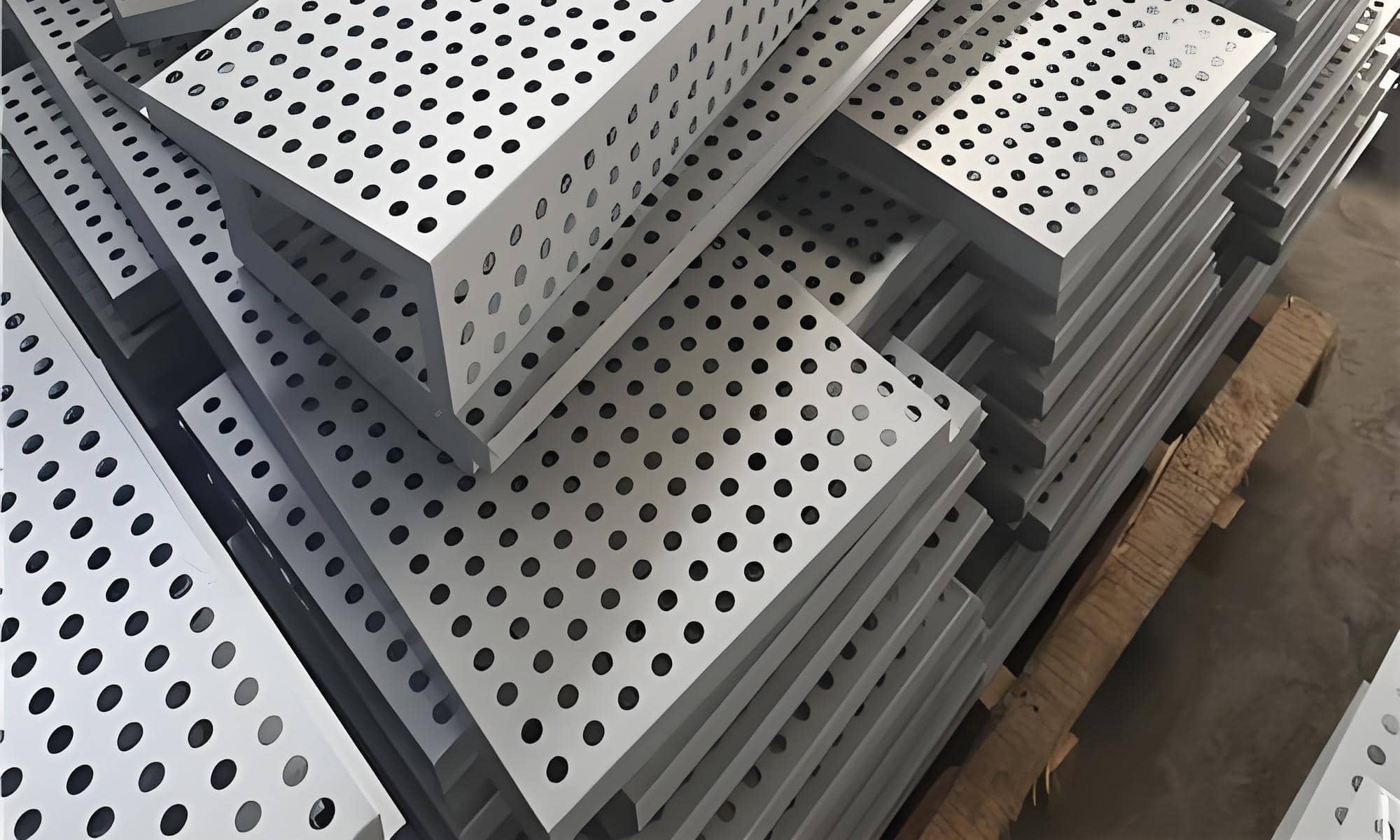
Unlike ordinary sheet metal with random openings, a sieve plate is designed with a specific hole pattern, thickness, open area, and material grade. Those details directly affect screening efficiency, wear life, and product quality. For many industrial buyers, that makes the sieve plate one of the most important components in the entire screening line.
Why It Matters in Real-World Screening
In a production environment, screening is not just about separating fine from coarse. It is about keeping the process stable. A well-made sieve plate helps reduce contamination, improve product uniformity, and protect downstream equipment from overload or damage. When the screen surface is matched correctly to the material, operators get smoother flow, less downtime, and more predictable output.
Working Principle
How a Sieve Plate Separates Material
The working principle is straightforward, but the engineering behind it is not. Material is fed across the sieve plate, usually by vibration, rotation, or mechanical agitation. As the material moves over the surface, particles smaller than the openings pass through the perforations. Larger particles remain on top and continue moving until they are discharged.
Screening performance depends on several factors:
- hole shape and size
- plate thickness
- open area
- material hardness and moisture content
- vibration intensity and feed rate
When these factors are balanced correctly, the sieve plate delivers efficient separation without excessive blinding, clogging, or premature wear.
Open Area and Screening Efficiency
One of the most important design considerations is open area, which is the percentage of the plate surface that is actually open for material passage. Higher open area usually improves throughput, but it must be balanced against structural strength and service life. In heavy-duty industrial screening, the right design is often a practical compromise between capacity and durability.
Why Plate Design Changes Performance
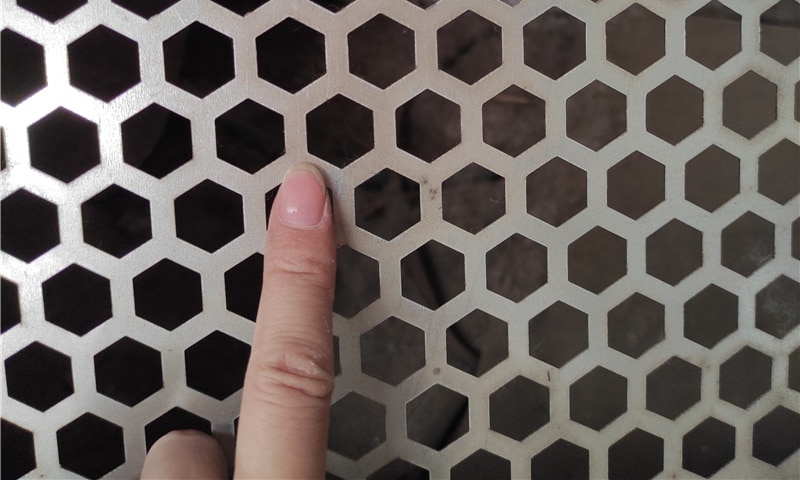
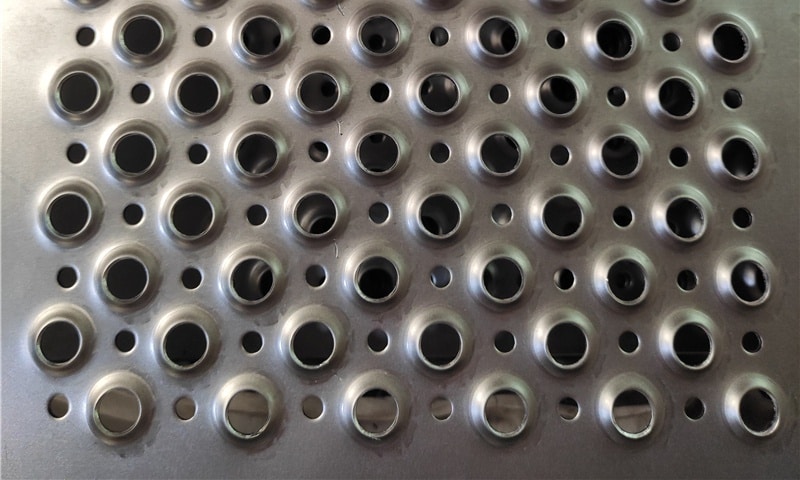
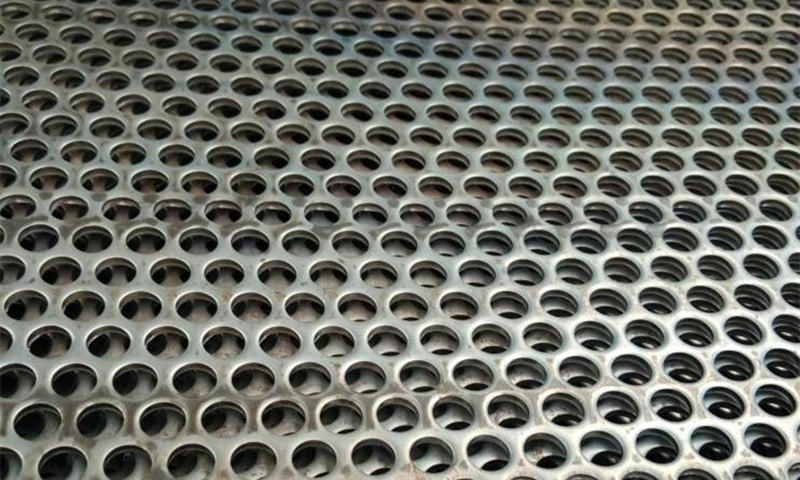
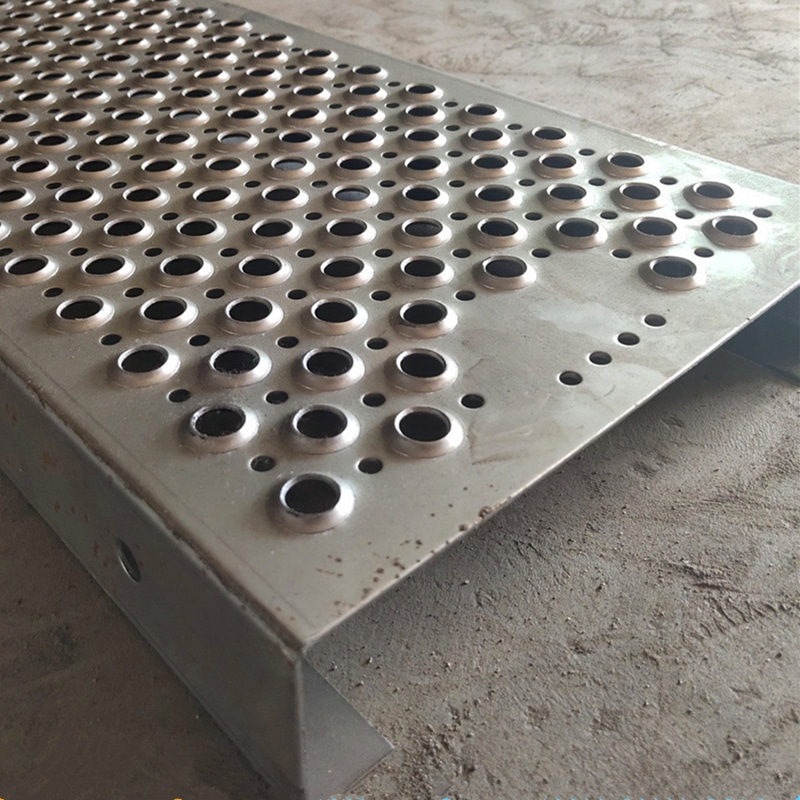
Even small changes in perforation pattern can alter how material behaves on the screen. Round holes, square holes, slotted holes, and staggered patterns each create different flow characteristics. For example, slotted openings may help elongated particles pass more easily, while round holes can provide more controlled classification in many applications. That is why experienced buyers rarely choose a sieve plate based on hole size alone.
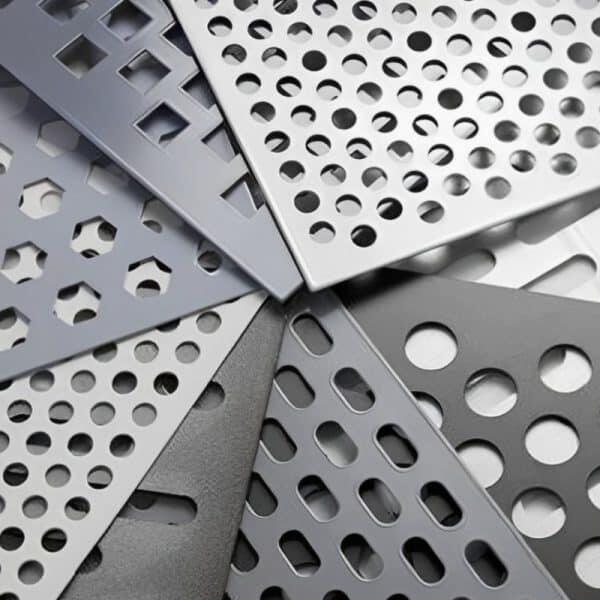
Industrial Perforated Screens & Sieve Plates
Looking for a perforated screen that actually fits your working conditions?
We manufacture custom sieve plates using CNC punching, with precise hole sizes, durable materials, and configurations tailored to your material type and screening requirements.
Whether you’re handling abrasive aggregates or fine materials, our solutions are designed to improve efficiency and reduce downtime in real production environments.
Role in Different Industries
Mining and Aggregate Processing
In mining and aggregate systems, sieve plates are used to classify crushed rock, ore, sand, and gravel. These environments demand abrasion resistance, strong load-bearing performance, and consistent aperture accuracy. A durable sieve plate helps keep screening lines moving and reduces the frequency of shutdowns for maintenance or replacement.
Food and Grain Processing
In food and grain applications, the role of the sieve plate is often tied to cleanliness, sorting accuracy, and process consistency. Screens may be used to remove oversized particles, separate kernels by size, or support cleaning stages before packaging. In this sector, material selection and surface finish matter just as much as hole geometry.
Chemical and Pharmaceutical Production
Chemical and pharmaceutical operations often rely on screening for granule sizing, powder classification, and contamination control. Precision is critical here. A properly manufactured sieve plate supports repeatable results and helps maintain batch quality across production runs.
Recycling and Waste Sorting
Recycling systems use sieve plates to separate mixed materials into usable fractions. Whether the target is metals, plastics, construction waste, or compostable material, the screen surface must handle irregular feed, variable moisture, and challenging wear conditions. In this type of environment, durability and anti-clogging design become especially important.

Advantages Over Other Screening Methods
More Controlled Separation
Compared with less structured screening methods, a sieve plate gives operators a defined and repeatable separation surface. That means better control over particle size distribution and more stable process results. For industrial buyers, predictability often matters more than theoretical capacity.
Stronger and More Serviceable
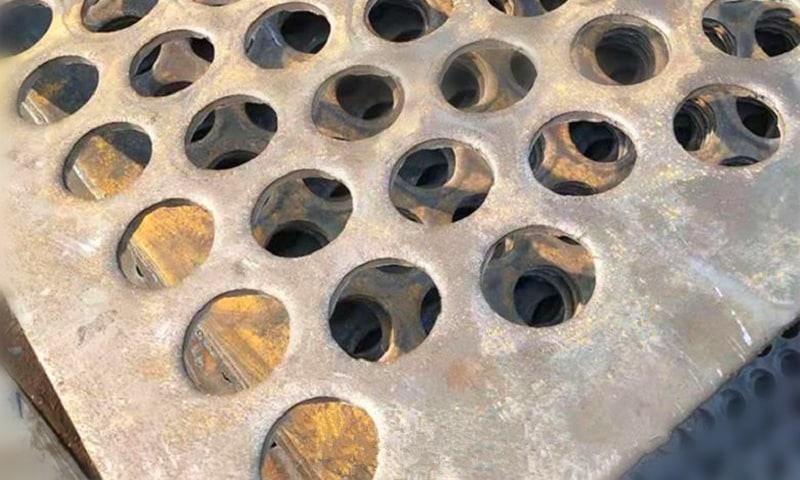
Because sieve plates are made from perforated metal, they can be engineered for heavy-duty service. Depending on the application, they may be produced from carbon steel, stainless steel, galvanized steel, or other wear-resistant materials. This makes them suitable for harsh environments where screens must withstand constant mechanical stress.
Better Fit for Custom Applications
Another major advantage is customizability. Hole size, pitch, thickness, shape, and panel dimensions can all be adjusted to match the equipment and the material being processed. That flexibility makes sieve plates suitable for both standard industrial systems and specialized screening setups.
Cost-Effective Over Time
A lower-cost screen is not always the better investment. When a sieve plate lasts longer, screens more accurately, and reduces downtime, the total operating cost often improves. For B2B buyers, long service life and stable performance are usually more valuable than the cheapest upfront option.
How to Choose the Right Sieve Plate
Start With the Material Being Screened
The first step is always to understand the material. Fine powders, wet slurries, abrasive minerals, and irregular recycled content all behave differently. The right sieve plate should be selected based on particle size, moisture level, flow characteristics, and wear conditions.
Match the Plate to the Machine
The screen surface must also fit the equipment. Panel size, mounting method, curvature, and thickness all need to align with the screening machine. A high-quality sieve plate that does not fit properly will never perform well in practice.
Consider Wear Life and Maintenance
For industrial buyers, maintenance intervals matter. If a screen wears too quickly or clogs too often, production suffers. That is why good sieve plate selection should always consider both initial screening performance and long-term operating cost.
Final Thoughts
A sieve plate may look simple, but it plays a critical role in industrial screening. It controls particle separation, supports product consistency, and helps keep production systems efficient. In demanding B2B environments, the best sieve plate is the one that matches the material, the machine, and the real working conditions on site.
For engineers, procurement teams, and production managers, choosing the right sieve plate is not just a technical detail. It is a decision that affects throughput, quality, downtime, and operating cost across the entire process.