Role of Screens in Hammer Mills
In a hammer mill, the screen is not just a finishing component. It is one of the main factors that determines how consistent the final product will be. As material is struck by rotating hammers, it stays inside the grinding chamber until particles are small enough to pass through the screen openings.
That means the screen acts as a controlled exit point. It helps regulate throughput, product uniformity, and overall grinding performance. In feed processing, biomass size reduction, and a wide range of industrial applications, the screen has a direct effect on downstream efficiency, energy use, and product quality.
For many buyers, the screen is one of the simplest parts of the machine, but it often has the biggest influence on output consistency. A well-chosen screen can reduce overgrinding, improve flow, and help the mill run more efficiently over time.
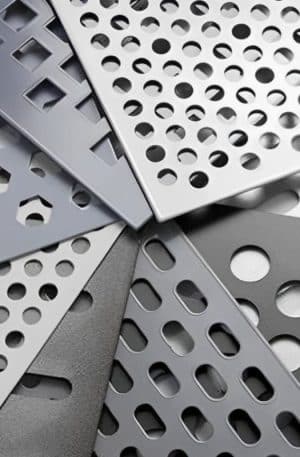
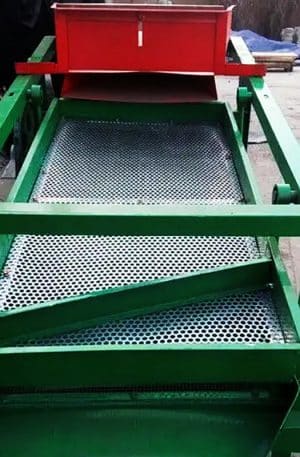


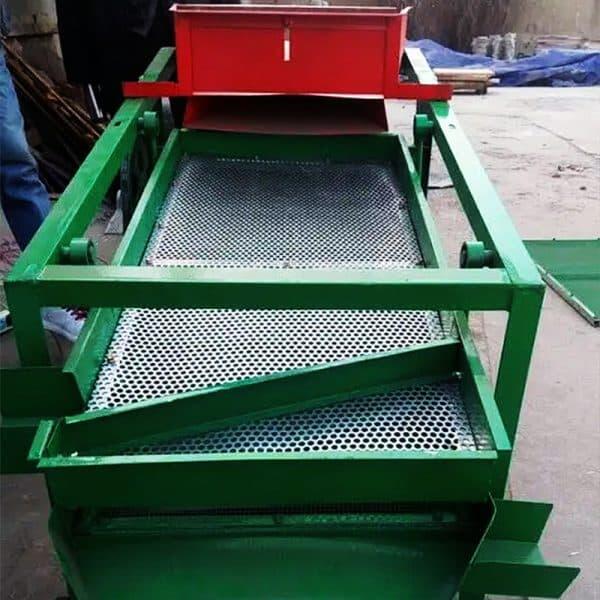
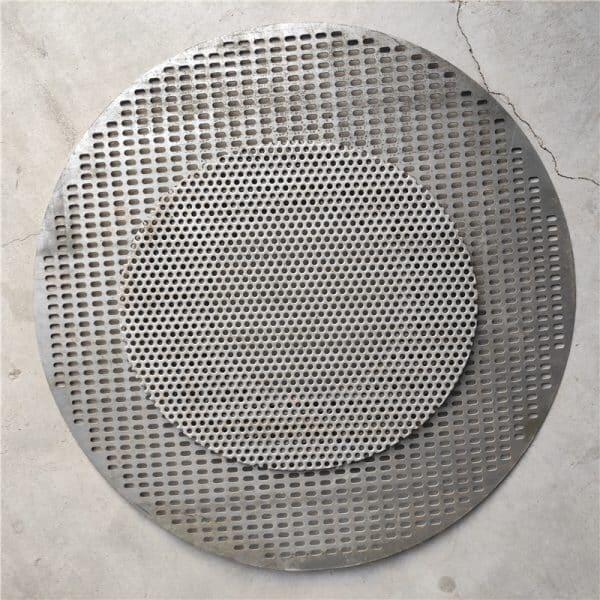
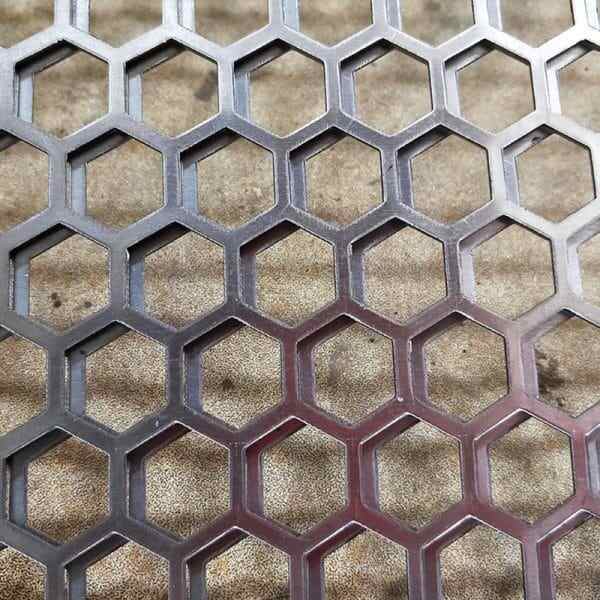
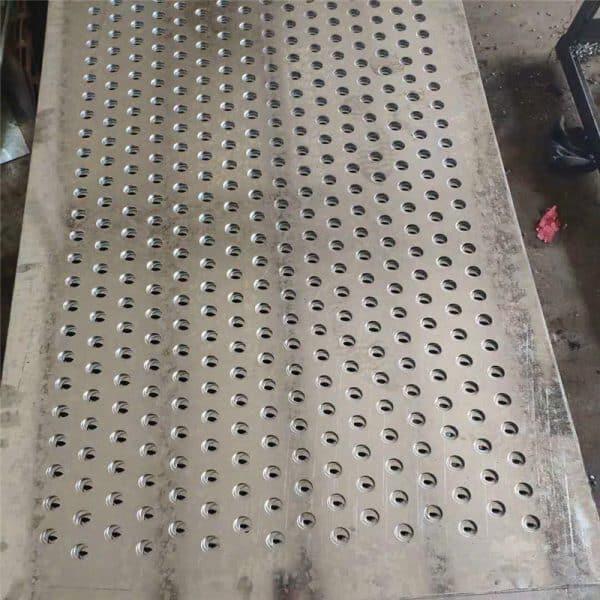
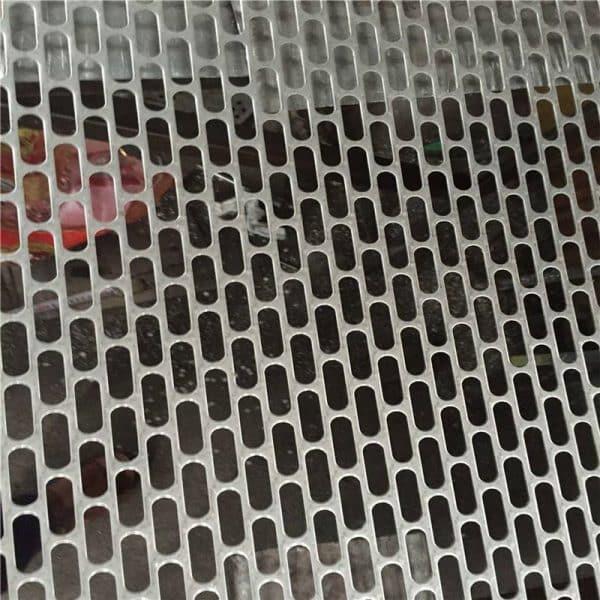
Industrial Perforated Screens & Sieve Plates
Looking for a perforated screen that actually fits your working conditions?
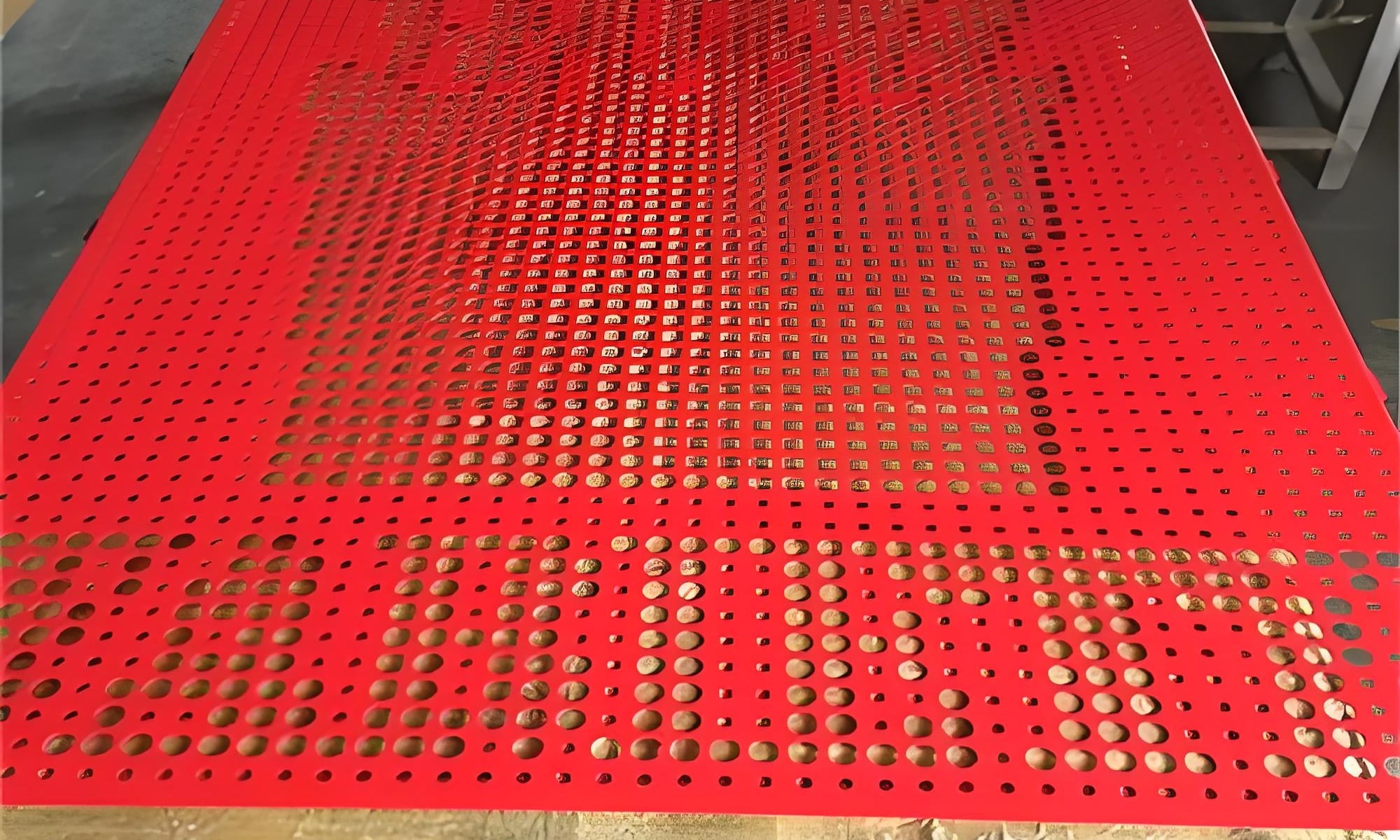
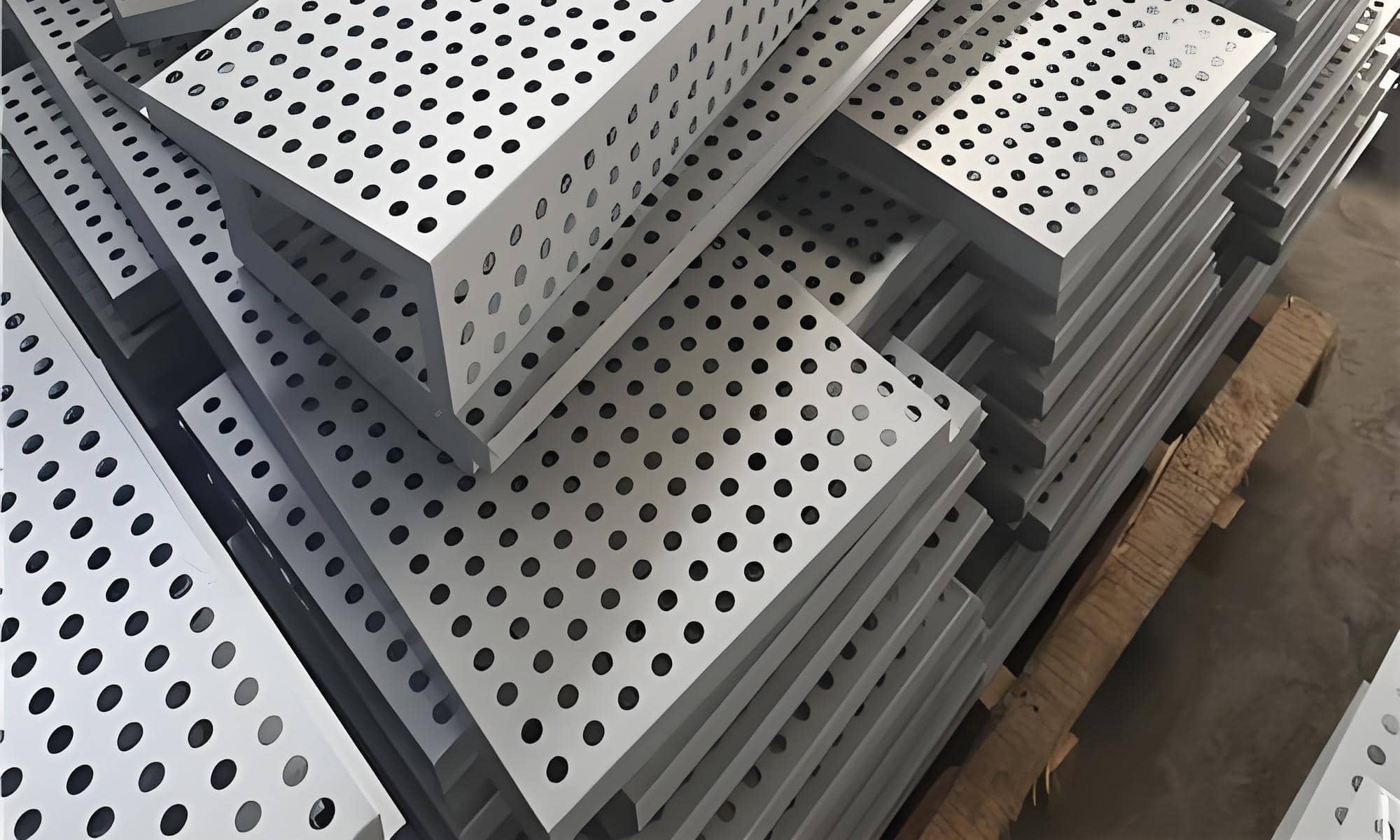
We manufacture custom sieve plates using CNC punching, with precise hole sizes, durable materials, and configurations tailored to your material type and screening requirements.
Whether you’re handling abrasive aggregates or fine materials, our solutions are designed to improve efficiency and reduce downtime in real production environments.
How Particle Size Is Controlled
Particle size control starts with the relationship between hammer impact and screen opening size. If the openings are smaller, material must be reduced more before it can leave the chamber. If the openings are larger, the material exits sooner and the finished product tends to be coarser.
This is why hammer mill screens are selected based on the final product target, not just on the machine model. In real production settings, operators also have to consider feed rate, moisture content, material hardness, and the desired balance between capacity and fineness.
Main factors that affect particle size
Several operating conditions influence how effectively the screen controls size:
- Hole size: Smaller openings produce finer material, but they can also reduce throughput.
- Open area: Higher open area improves discharge and can support higher capacity.
- Screen thickness: Thicker screens may improve wear life, but they can also affect discharge behavior.
- Material characteristics: Fibrous, abrasive, or moisture-heavy materials behave differently in the chamber.
- Hammer speed and condition: Even a high-quality screen cannot compensate for poor hammer performance.
For process engineers, the goal is usually not the smallest possible particle size. The goal is the right particle size for the application, with stable production and minimal waste.
Impact of Hole Design
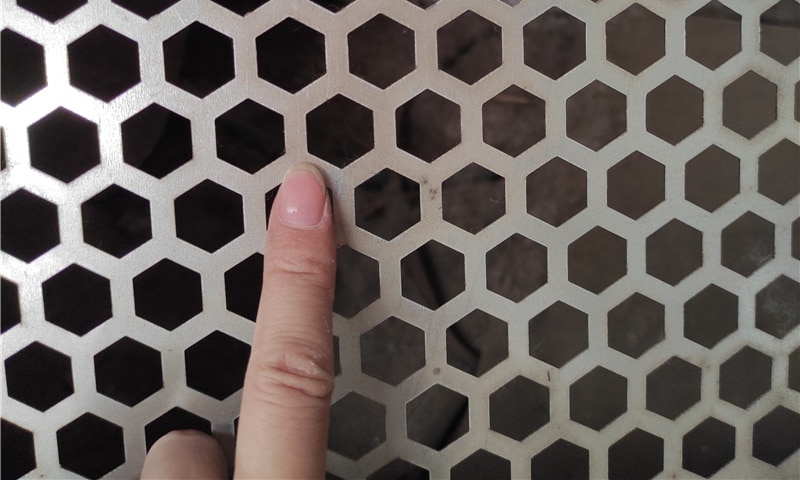
Hole design has a larger impact than many buyers first expect. It affects how material passes through the screen, how much usable open area is available, and how well the screen resists clogging and wear.
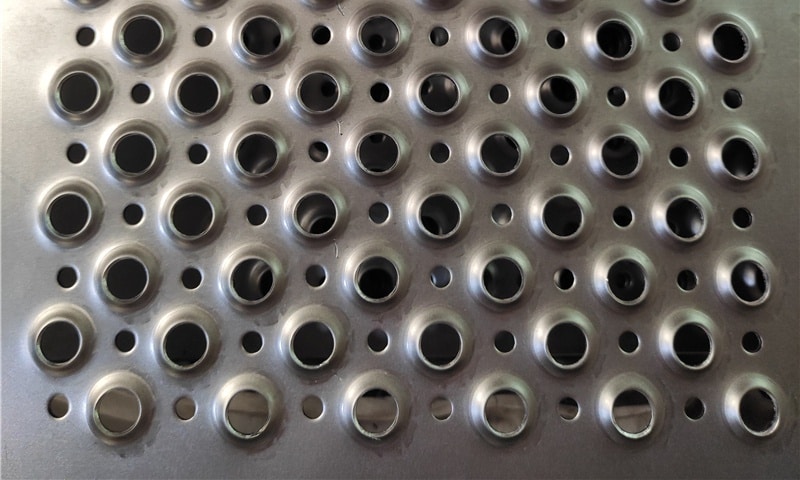
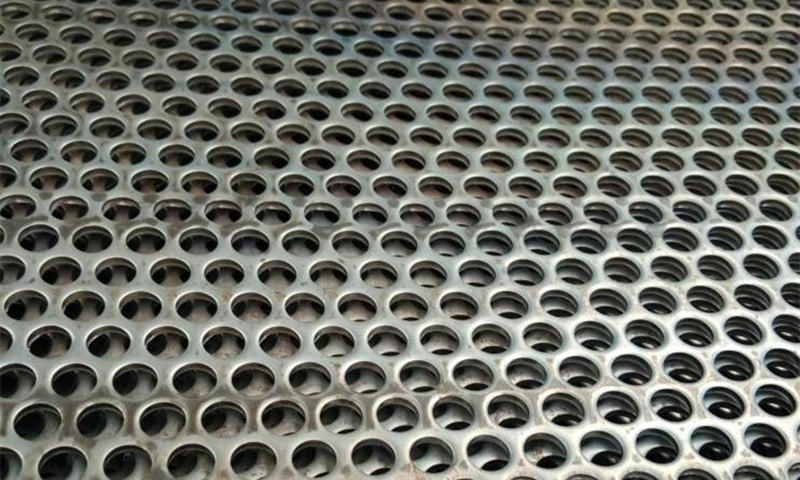
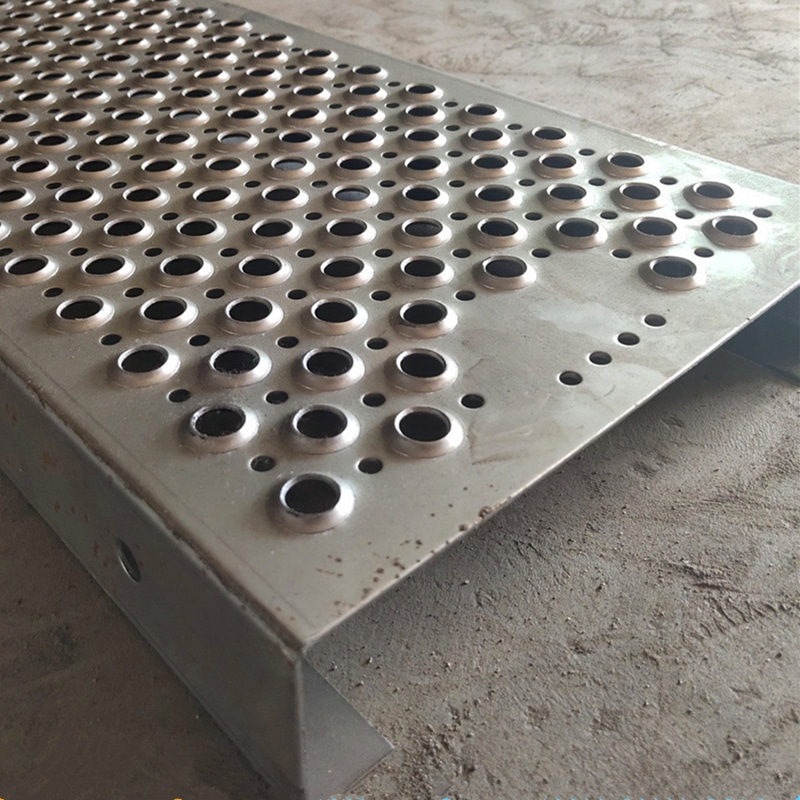
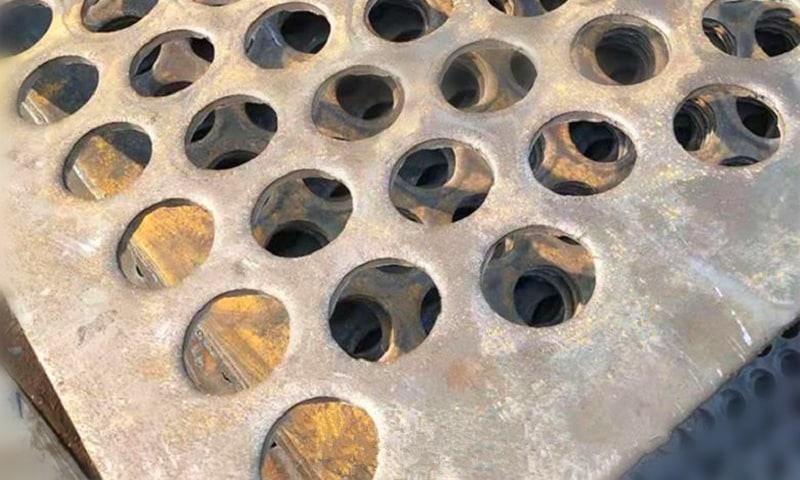
Round holes are common because they are versatile and relatively easy to manufacture. Slotted or specially arranged openings may be better for certain materials that need better flow or more aggressive discharge. The hole pattern also matters, because it influences strength, structural stability, and the way material moves across the screen surface.
For industrial users, the right hole design is often a practical balance between four things: precision, capacity, wear life, and resistance to blockage. In applications where particle size control is critical, a screen design that supports consistent discharge can make the whole grinding line more predictable.

Why hole geometry matters in production
A screen that looks suitable on paper may perform differently in the field. The real challenge is not only opening size, but how the openings interact with the material stream. If holes plug too easily, the mill may lose capacity. If the openings are too large, the product may fall outside specification. This is where experience in screen design becomes valuable.
Choosing the Right Configuration
Selecting the right hammer mill screen means matching the screen to the actual production environment. That includes the raw material, target particle size, machine horsepower, and operating conditions.
A feed mill may need a different configuration than a biomass processor. A plant running abrasive industrial material may prioritize wear resistance, while another plant may care more about open area and throughput. In other words, the “best” screen is the one that fits the process, not just the catalog.
Key points to review before selection
Before choosing a screen configuration, buyers should confirm:
- target particle size range
- material type and moisture level
- desired throughput
- wear requirements
- machine compatibility
- clogging risk
- cleaning and maintenance needs
For many facilities, the most cost-effective choice is a screen that delivers stable performance over time rather than the cheapest option upfront. A screen that maintains consistent particle size and reduces downtime often creates better long-term value.
Why Screen Quality Matters in Industrial Processing
In industrial grinding systems, screen quality affects more than product size. It also influences energy consumption, maintenance intervals, and overall process stability. A weak or poorly designed screen can lead to uneven sizing, excess rework, and unnecessary wear on other mill components.
That is why experienced buyers look closely at material thickness, hole accuracy, edge quality, and fabrication consistency. In B2B manufacturing, these details translate into real operating results. A reliable hammer mill screen supports better process control, better output consistency, and fewer production interruptions.
Final Thoughts
Hammer mill screens play a central role in controlling particle size effectively. By managing discharge, shaping the final product, and supporting stable grinding performance, they help determine whether a mill runs efficiently or struggles with inconsistency.
For feed, biomass, and industrial processing users, the right screen is not a minor accessory. It is a working part of the process control system. Choosing the correct hole design, open area, and configuration can improve product quality, protect equipment, and support more predictable production.