Slotted Stainless Steel Perforated Sheets: A Practical Choice for Demanding Applications
When a project calls for controlled flow, directional screening, or cleaner separation of elongated material, slotted stainless steel perforated sheets often perform better than standard round-hole panels. The shape of the opening matters. A slot gives you a longer edge and a more directional path, which can make a real difference in industries that handle seeds, fibers, liquids, or irregular particles.
In B2B manufacturing, the best material is rarely chosen by appearance alone. It is chosen by performance, repeatability, and service life. That is where slotted perforated stainless steel earns its place.


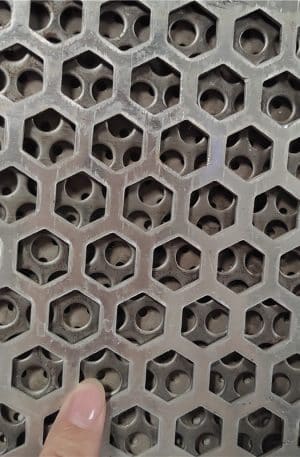
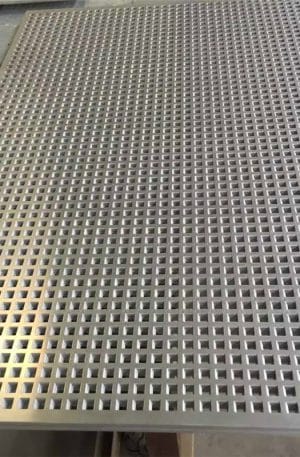


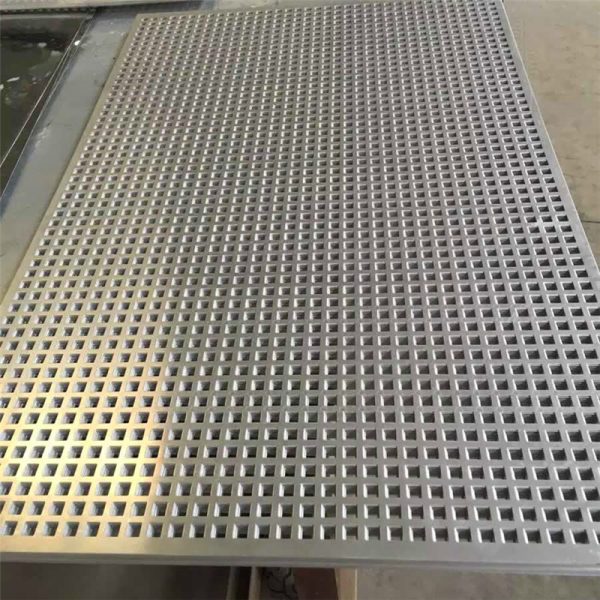


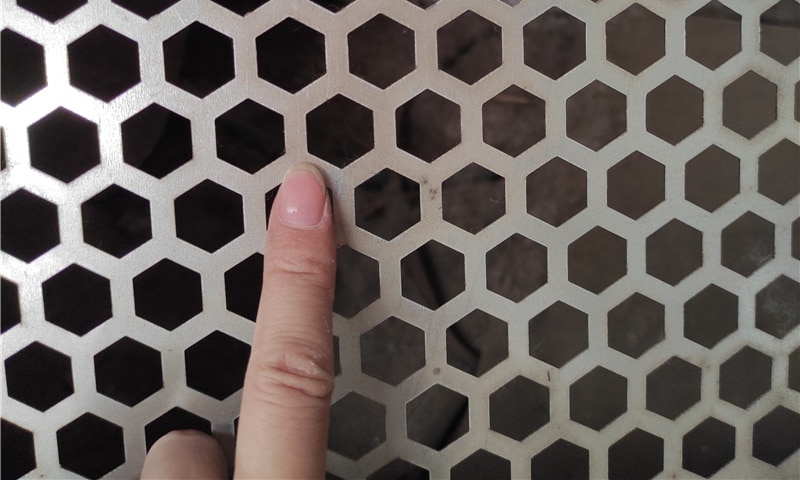
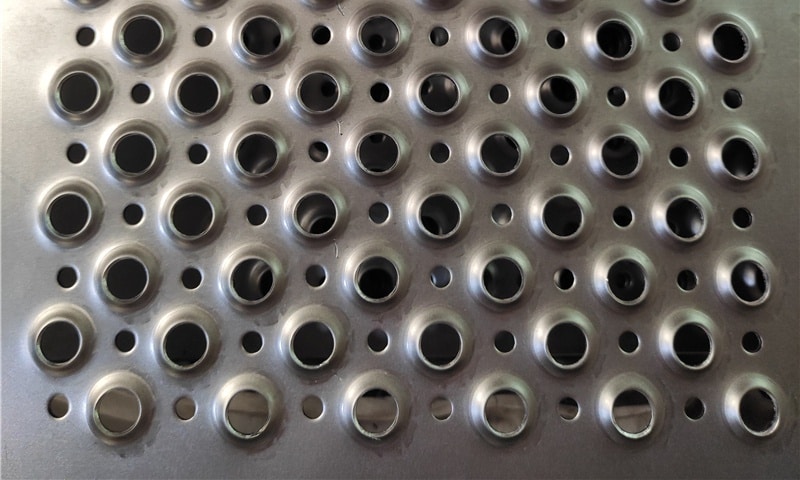
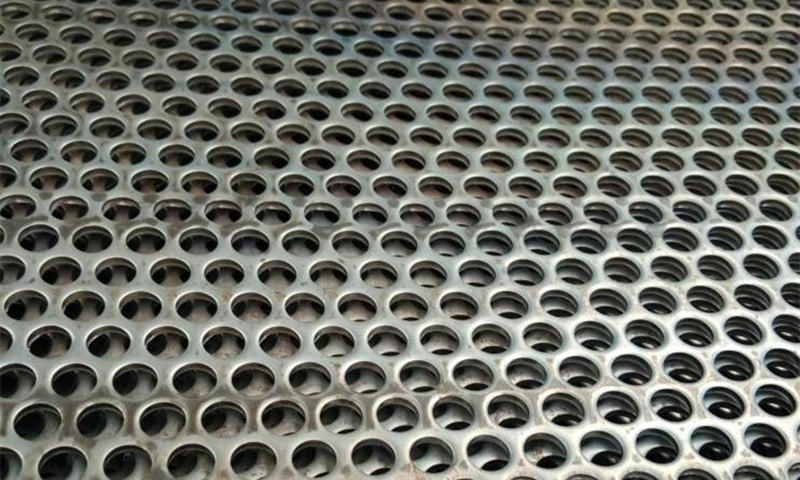
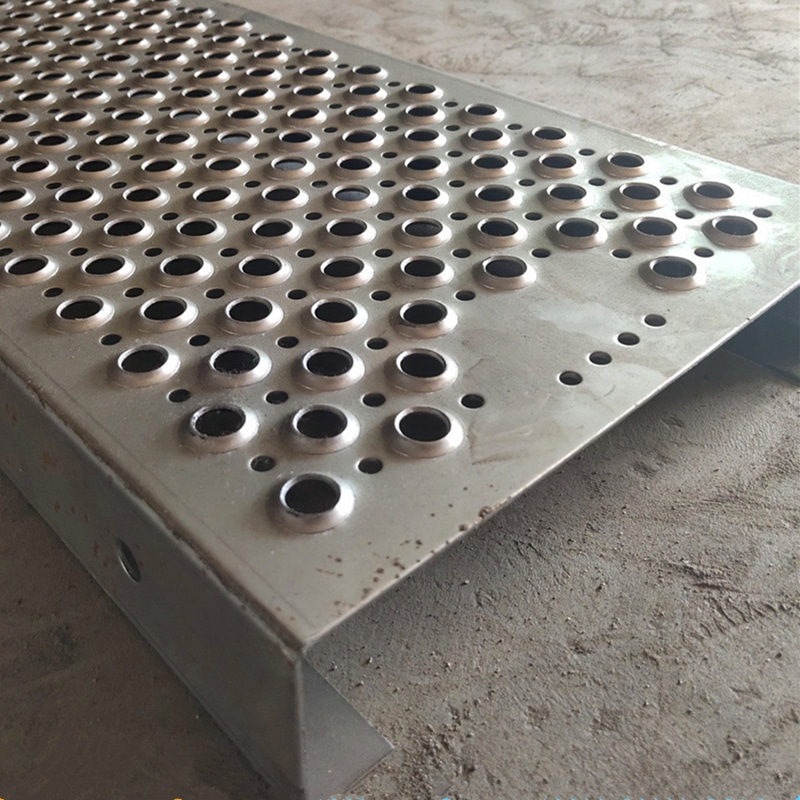
Stainless Steel Perforated Metal Sheets
Stainless steel perforated sheet is a commonly used material in both architectural and industrial applications. It offers stable corrosion resistance and good fabrication flexibility.
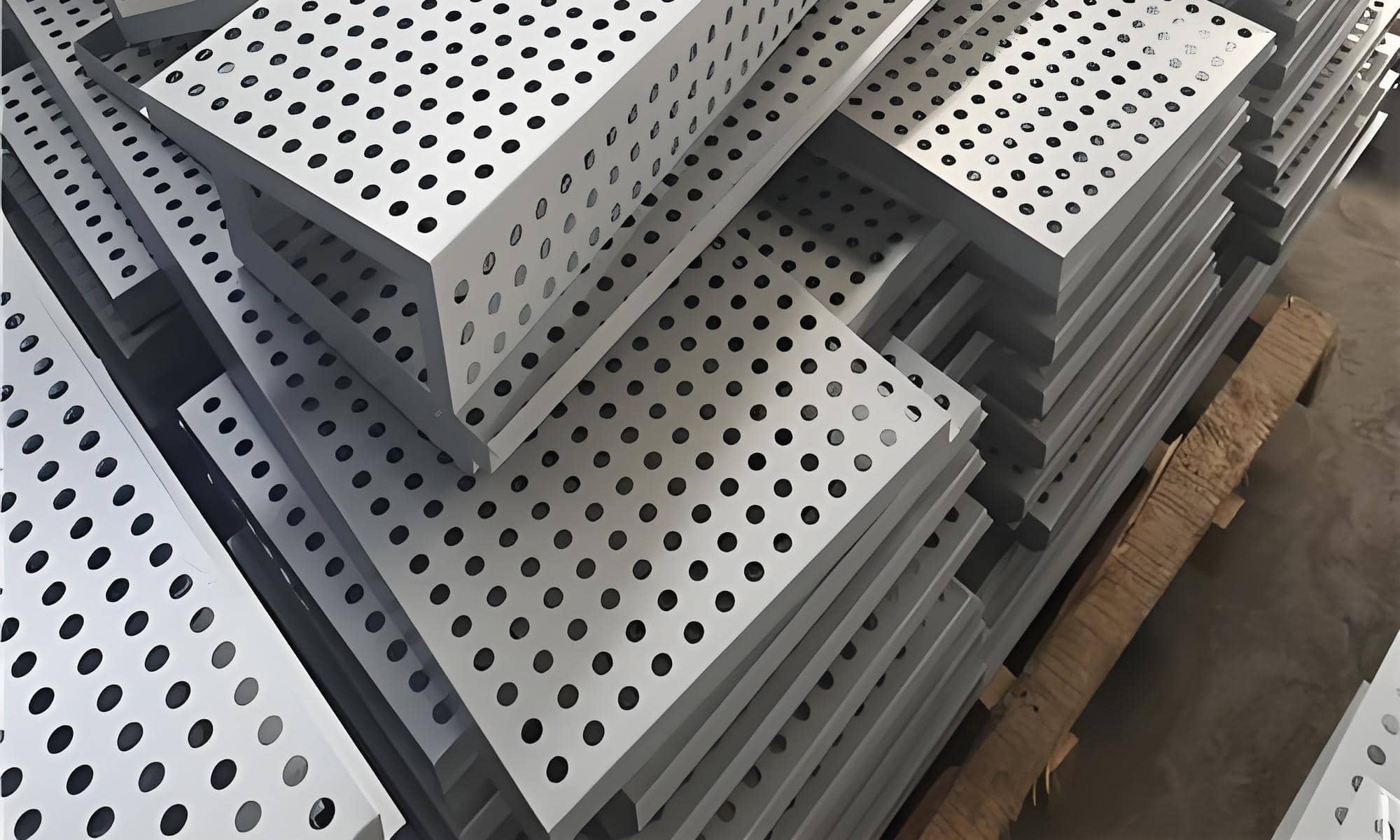
Hole patterns, open area, dimensions and surface finishes can all be customized according to project drawings. Typical uses include facades, ventilation and filtration, partitions and equipment protection.
Feel free to view the product details or contact us for samples and pricing information.
Why Slotted Holes Work Better Than Round Holes in Some Jobs
Directional screening and material flow
A slotted hole is naturally more directional than a round hole. That geometry helps when the product being processed is long, flat, fibrous, or not perfectly uniform in shape. Instead of forcing everything through a single equal-diameter opening, the slot allows the material to orient itself and pass more efficiently.
This is especially useful in screening applications where clogging is a concern. Long particles, seed husks, shredded material, and certain granular products can bridge more easily over round holes. A slotted opening can reduce that problem by giving the material a better entry angle.
Better separation for elongated particles
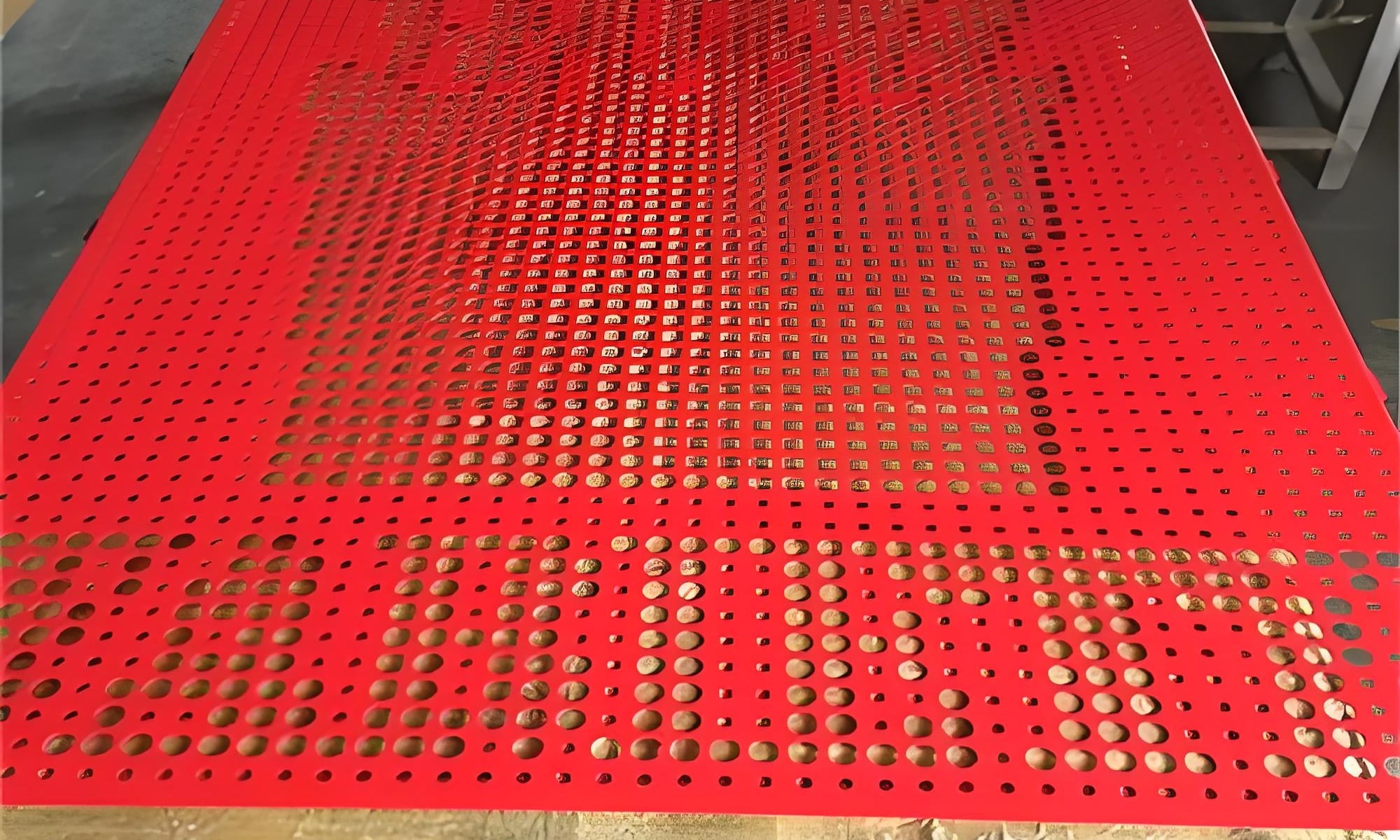
For products such as seeds, grains, recycled materials, and some industrial solids, the goal is often to separate by length rather than by diameter alone. Slotted stainless steel perforated sheets are well suited to that task because the opening can reject oversized or misaligned particles while letting the intended material pass through.
That is one reason these panels are widely used in seed sorting, food processing, and lightweight material classification.
Why Stainless Steel Matters
Strength at the narrowest point
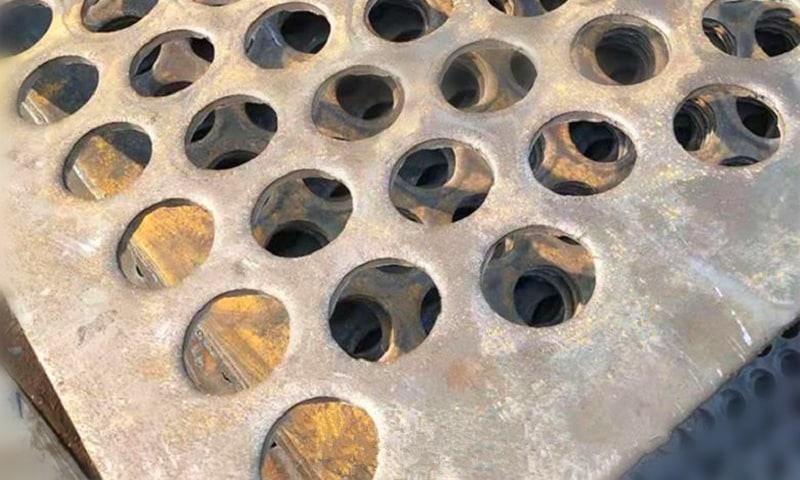
Slotted openings leave more metal around the cutout than many users expect, but the narrow bridges between holes still carry load. That is where stainless steel makes a difference. Compared with softer base metals, stainless steel offers better structural stability, better wear resistance, and better long-term performance in harsh operating environments.
For applications with vibration, repeated impact, or continuous product flow, the sheet has to keep its shape. If the panel flexes too much, the hole pattern can lose consistency, which affects screening accuracy and service life. Stainless steel helps maintain that consistency.
Corrosion resistance for demanding environments
Many buyers choose stainless steel perforated metal sheets because the material handles moisture, washdown, humidity, and exposure to chemicals better than carbon steel. That matters in agricultural processing, wastewater treatment, architectural systems, and industrial equipment that operates outdoors or in wet environments.
A well-made stainless sheet is not just about corrosion resistance. It is about keeping the perforation pattern reliable over time.
Common Applications for Slotted Stainless Steel Perforated Sheets
Seed screening and agricultural processing
In seed cleaning and grading, elongated or uneven particles often need to be separated quickly and consistently. Slotted perforated stainless steel can improve throughput while helping protect product quality. The shape of the hole makes it easier to sort materials by length, which is often more practical than sorting by round diameter alone.
Solid-liquid separation
In filtration and dewatering systems, slot patterns can support more efficient flow while reducing blockage from larger suspended solids. This makes slotted stainless steel perforated sheets a strong option for screens, strainers, and support panels used in solid-liquid separation equipment.
Because the openings are directional, they can help liquids pass while controlling how particles are retained. That balance is often critical in process systems where flow rate and filtration accuracy both matter.
Decorative louvers and architectural facades
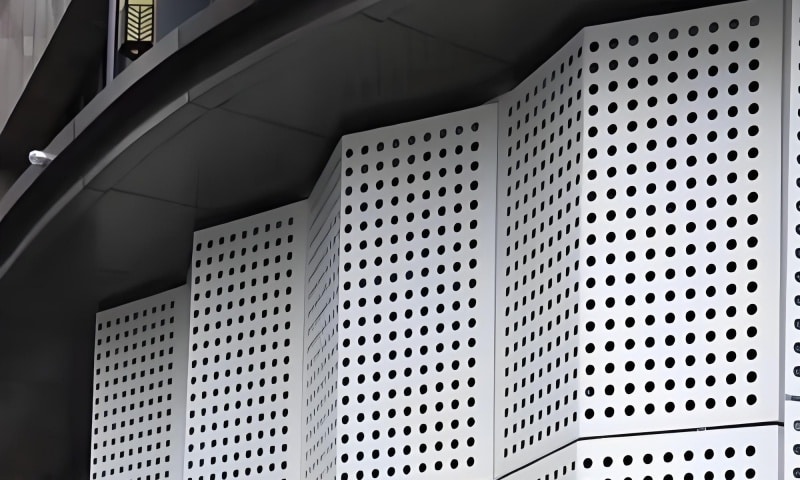
Slotted stainless steel perforated sheets are also used in decorative and architectural applications. In louvers, sunshades, facades, and ventilation panels, the slot creates a cleaner linear visual effect than round perforations. Designers often choose this pattern when they want a modern industrial appearance with functional airflow and light control.
Stainless steel adds another benefit here: it holds up well in exposed installations and helps maintain a sharp finish over time.

How Hole Direction Affects Performance
Parallel slot direction
When the slots run in the same direction as material movement, the panel can encourage faster passage and smoother flow. This is often useful in screening systems where throughput is the priority and the product tends to align naturally with the openings.
Parallel orientation can also create a more uniform visual direction in architectural work.
Staggered or offset layout
A staggered pattern can improve strength and change the way material moves across the sheet. In some designs, offset rows help distribute load more evenly and reduce the chance of weak points forming in one line.
This layout is often worth considering when the sheet must handle vibration, repeated impact, or heavier service conditions. It can also influence the final appearance in decorative projects.
Choosing the right direction
The best perforation direction depends on the material being processed, the direction of product flow, the required open area, and the mechanical load on the panel. For engineering buyers, this is not a detail to guess at. It should be matched to the application.
A screening panel for seeds may need a different slot direction than a facade panel or a dewatering screen. That is why technical consultation matters before production begins.
Slotted vs. Round: Which One Should You Choose?
Round holes are often the right answer for general-purpose screening, ventilation, and uniform classification. But when the product is longer, flatter, more irregular, or more prone to bridging, slotted stainless steel perforated sheets can deliver better results.
In practice, the choice comes down to function:
If the application needs directional separation, improved flow, or a linear aesthetic, slotted holes are often the better fit. If the application needs equal distribution and simple all-purpose screening, round holes may be enough.
Built for Industrial Buyers Who Need Predictable Results
For OEMs, fabricators, equipment builders, and architectural contractors, slotted perforated stainless steel offers a useful balance of performance and durability. It supports efficient separation, reliable airflow, clean visual lines, and long service life in tough environments.
When the application depends on consistent performance, the geometry of the hole is not a minor detail. It is part of the engineering.