When buyers compare perforated screens vs wire mesh, the question is rarely about appearance. In most industrial projects, the real question is performance: Which screen will hold its shape longer, handle impact better, reduce downtime, and give the right open area for the material being processed?
Both options have their place. Wire mesh is widely used for fine screening, filtration, ventilation, and light-duty separation. Perforated screens, also called perforated sieve plates or punched screen plates, are usually preferred when the application needs higher rigidity, better wear resistance, and more consistent hole geometry under load.
For procurement teams, engineers, and plant managers, the better choice depends on the working environment, material size, impact level, cleaning requirements, and expected service life.
Key Differences
The main difference between perforated screens and wire mesh is how they are made.
Wire mesh is produced by weaving or welding wires together. The openings are formed between the wires. This gives wire mesh good flexibility and a high open area, especially for smaller apertures.
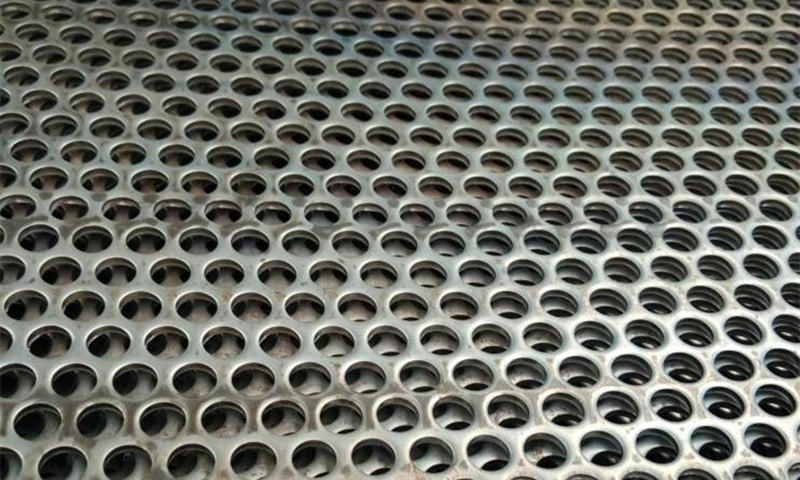
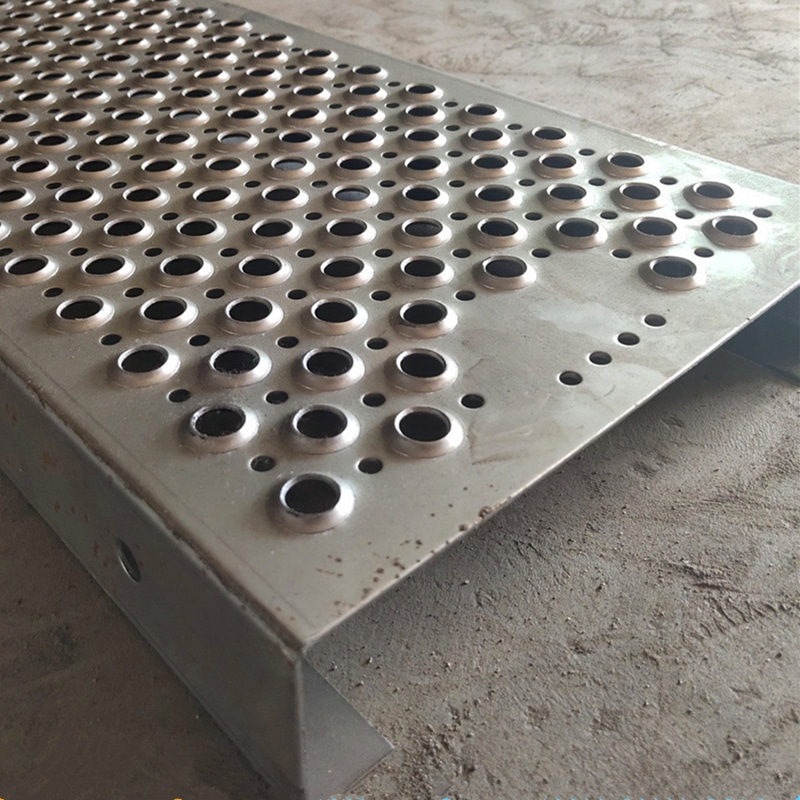
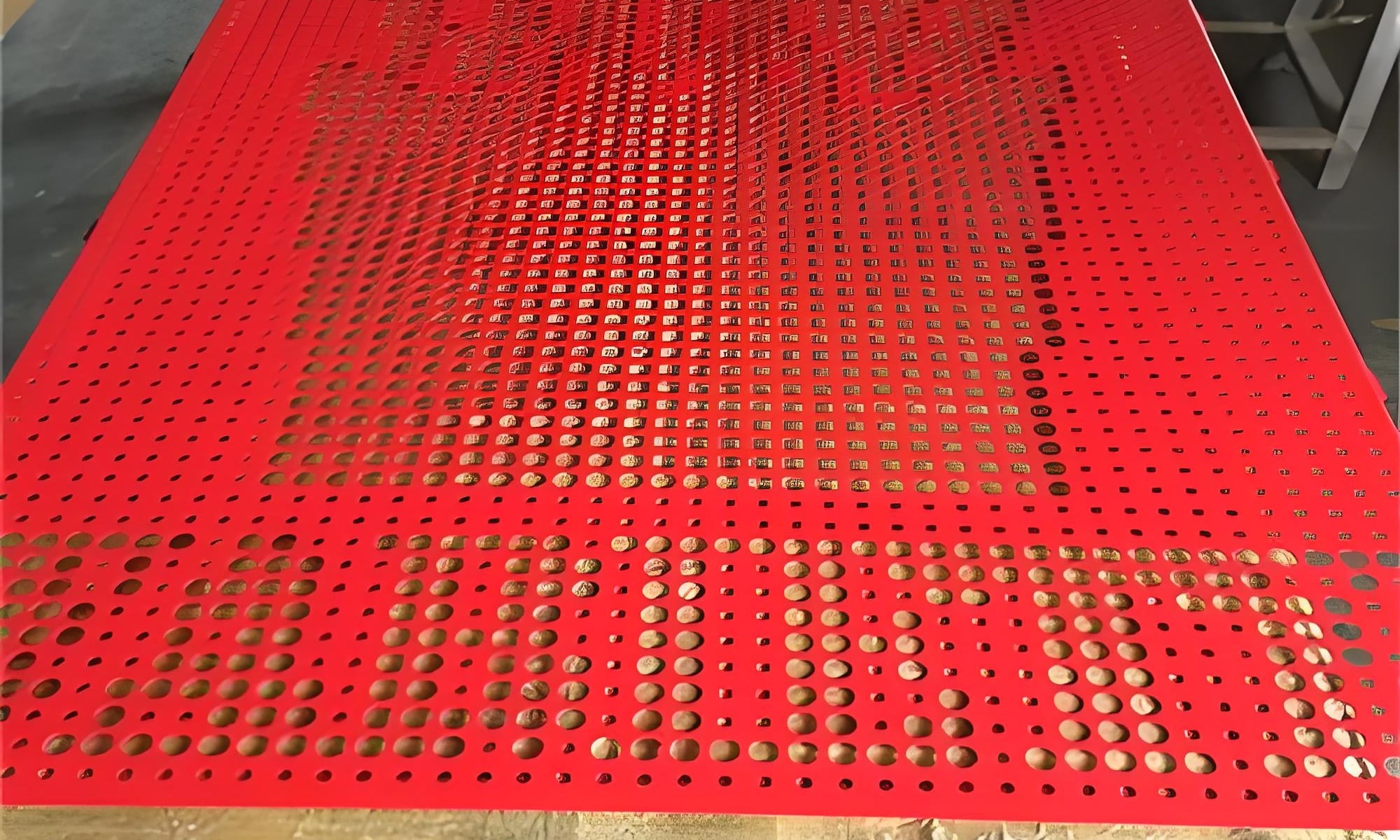
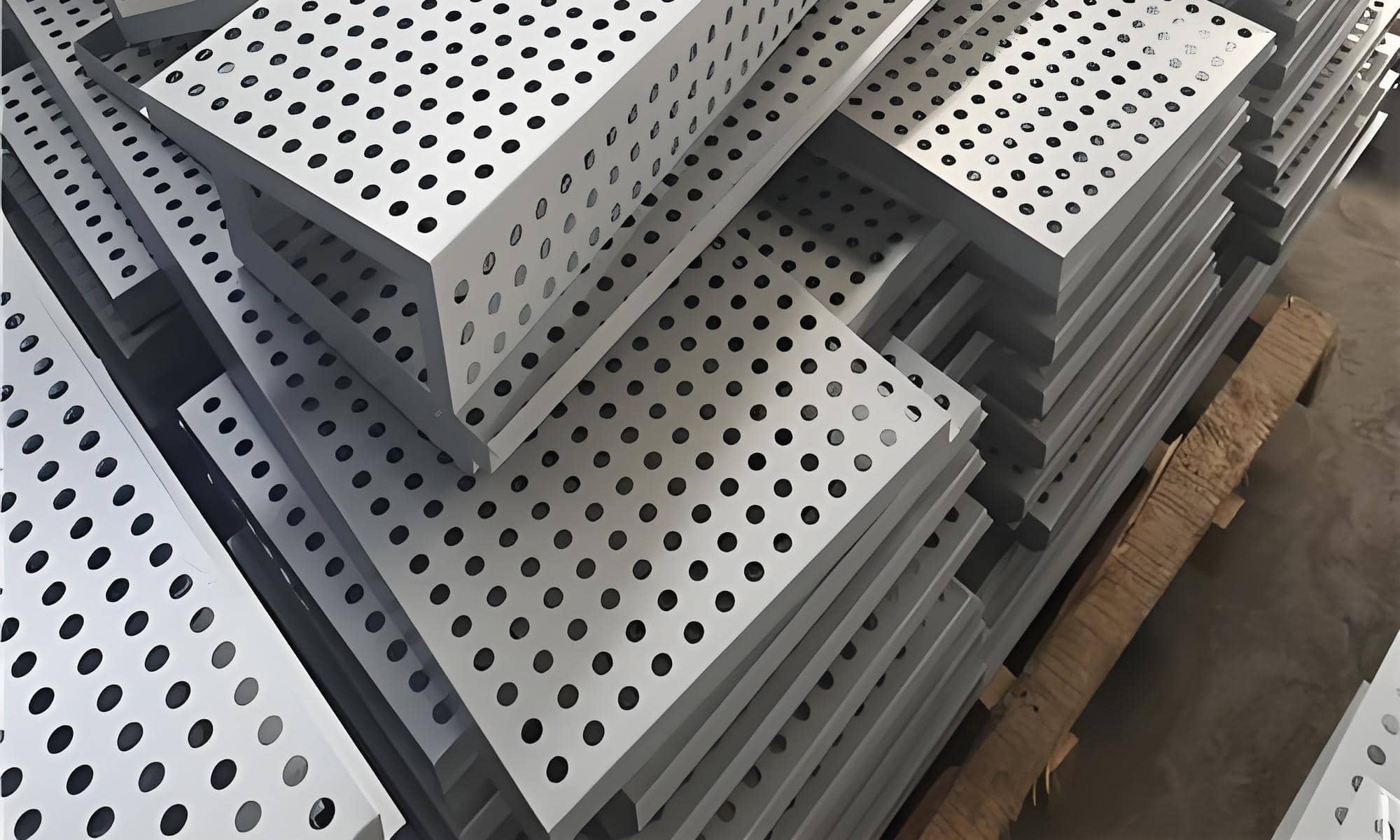
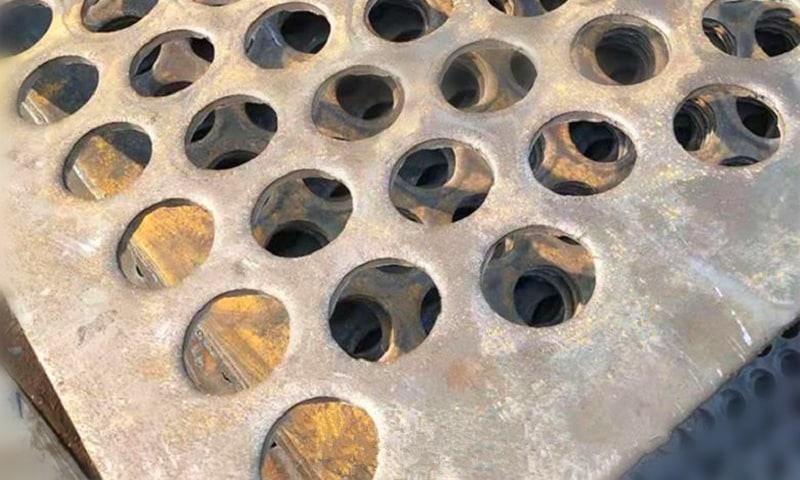
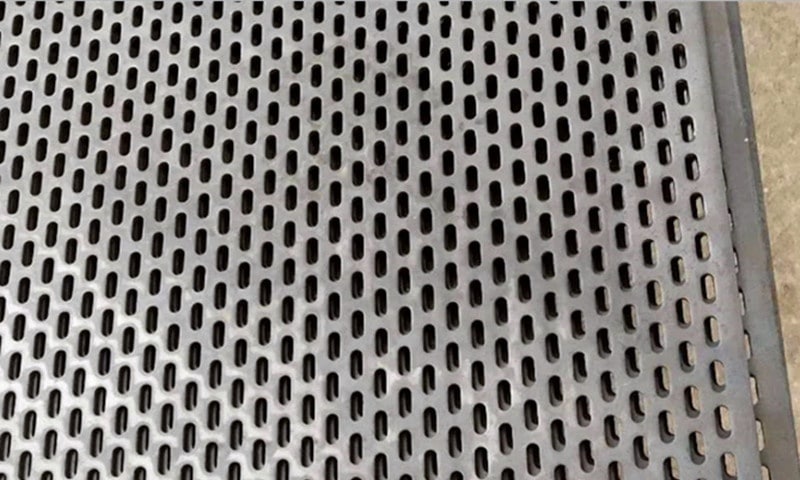
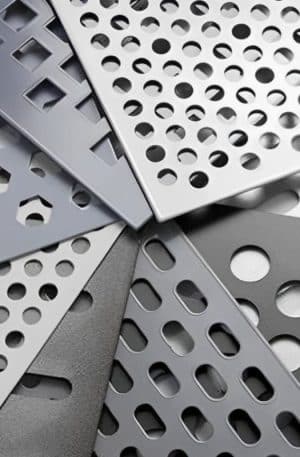
Perforated screens are made by punching holes into solid metal sheets or plates. The hole pattern can be round, square, slotted, hexagonal, or customized for a specific screening requirement. Because the screen starts as one solid plate, it usually provides stronger structural stability than woven mesh.
Material Structure
Wire mesh depends on individual wires. If one wire breaks, stretches, or wears down, the surrounding opening size can change. In vibrating or abrasive applications, this may lead to inconsistent screening performance over time.
A perforated screen is one continuous sheet of metal. The punched holes remain fixed in position, and the plate maintains better flatness when properly manufactured. This is one reason industrial perforated screens are often used in mining, quarrying, hammer mills, chemical processing, grain handling, and heavy-duty material separation.
Opening Accuracy
For many screening jobs, opening size is not only a drawing dimension. It directly affects product quality.
Wire mesh openings can shift slightly because the wires may move, loosen, or deform. This is more noticeable under vibration, repeated impact, or when handling angular materials.
Perforated sieve plates provide more stable aperture control. The holes are punched according to tooling dimensions, and the plate keeps the openings in a fixed pattern. For applications where particle size consistency matters, perforated screens often offer a more predictable result.
Thickness and Rigidity
Wire mesh is generally lighter and more flexible. This can be helpful when the screen needs to be rolled, shaped, or installed in a curved frame.
Perforated screens are available in thicker gauges and heavy-duty plates. They can be designed for higher impact loads and longer operating cycles. When a screen must resist bending, denting, or tearing, perforated metal usually has the advantage.
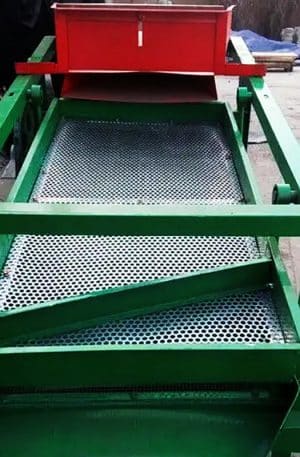


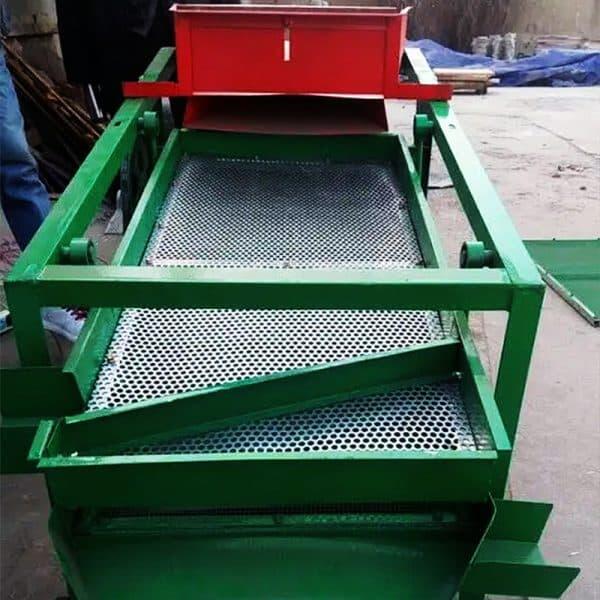
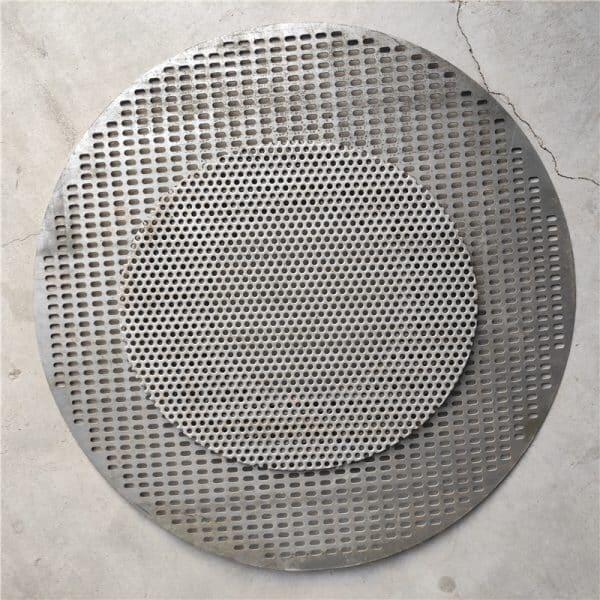
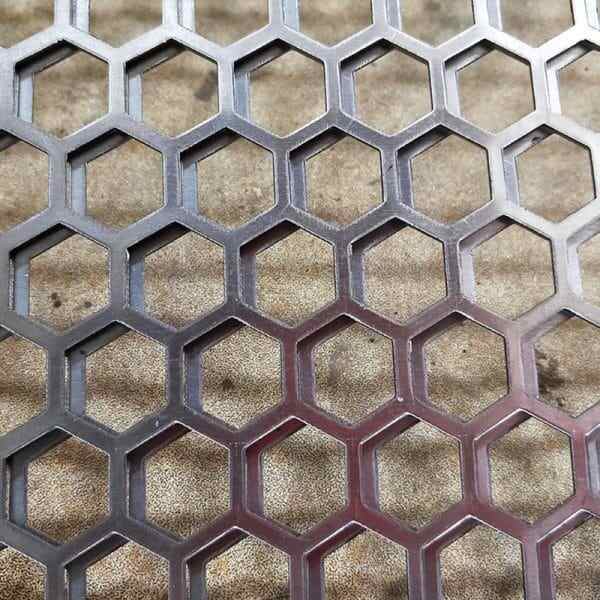
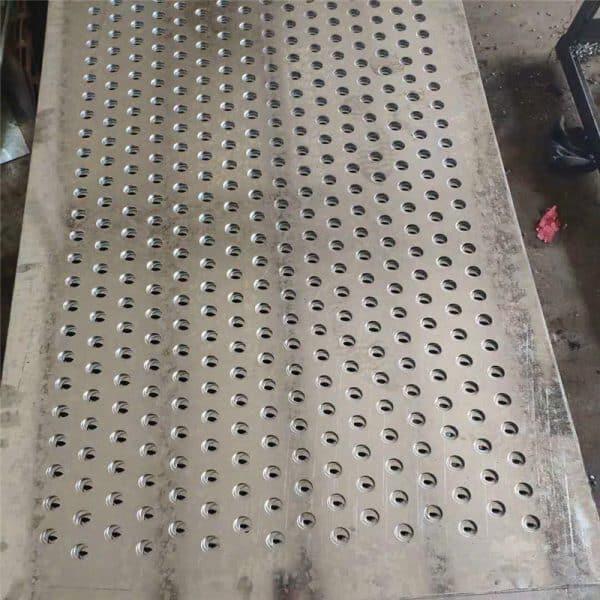
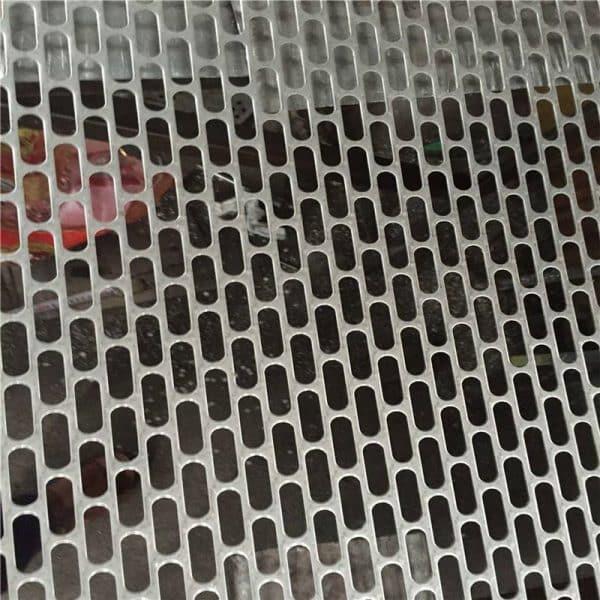
Industrial Perforated Screens & Sieve Plates
Looking for a perforated screen that actually fits your working conditions?
We manufacture custom sieve plates using CNC punching, with precise hole sizes, durable materials, and configurations tailored to your material type and screening requirements.
Whether you’re handling abrasive aggregates or fine materials, our solutions are designed to improve efficiency and reduce downtime in real production environments.
Strength and Durability Comparison
Strength is one of the biggest reasons buyers choose perforated screens over wire mesh.
In abrasive or high-impact environments, wire mesh may fail at the wire intersections or along worn strands. Once the wire diameter becomes thinner, the mesh loses strength quickly. This can cause broken wires, enlarged openings, and unplanned screen replacement.
Perforated screens distribute stress across a solid sheet. The plate body supports the hole pattern, which makes it better suited for heavy materials, repeated vibration, and mechanical cleaning.
Wear Resistance
Wear resistance depends on material grade, thickness, hole pattern, and operating conditions. However, in many industrial screening applications, perforated screens last longer because they offer more metal mass around each opening.
For example, a hammer mill screen may face continuous impact from rotating hammers and processed material. A quarry screen may handle sharp stone, gravel, or aggregate. In these cases, thin wire mesh can wear or break faster, while a properly selected perforated plate can provide longer service life.
Common material choices for perforated screens include:
- Carbon steel for general industrial screening
- Stainless steel 304 for corrosion resistance and cleaner processing environments
- Wear-resistant steel for high-abrasion mining and quarry applications
- Galvanized steel for moderate corrosion protection in outdoor or humid conditions
The right material is not always the most expensive one. It should match the actual working environment.
Flatness and Shape Stability
Flatness is often overlooked until problems appear on site. A screen that does not sit flat in the frame can vibrate unevenly, leak oversized particles, or wear faster at contact points.
Wire mesh can stretch or sag, especially when it is used in larger panels or under strong vibration. Tensioning helps, but it also adds installation and maintenance requirements.
Perforated screens are easier to keep flat when the plate thickness, margin design, and supporting frame are properly matched. For equipment manufacturers and replacement screen buyers, this can reduce installation issues and improve long-term screening consistency.
Resistance to Impact
If the screened material drops from height or hits the surface with force, impact resistance becomes critical.
Wire mesh works well in light to medium-duty conditions, but it may deform when exposed to heavy impact. Perforated screen plates are better for applications where material falls onto the screen surface, slides across it, or strikes it repeatedly.
This is why perforated screens are commonly used in crushers, mills, rotary screens, vibrating screens, and other equipment where the screen must handle both separation and mechanical stress.
Performance in Different Environments
The best screen is not the same for every plant. A food processing facility, a cement plant, and a mining site do not have the same priorities.
When comparing perforated screens vs wire mesh, the working environment should guide the decision.
Mining and Quarry Applications
Mining and quarry operations usually require strength, wear resistance, and stable opening size. Materials such as stone, ore, coal, and aggregate are often heavy and abrasive.
In these applications, perforated screens are usually a better choice for primary or heavy-duty screening. The solid plate structure handles impact better, and the openings stay more consistent over time.
Wire mesh may still be used for lighter classification or finer screening stages, but it is more vulnerable to wire breakage in harsh conditions.
Hammer Mill and Grain Processing
Hammer mill screens need accurate hole size and reliable wear performance. The screen affects particle size, throughput, and energy efficiency.
Perforated hammer mill screens are widely used because round holes, slotted holes, and customized patterns can be punched with consistent spacing. The screen plate can also be rolled to match the mill design.
For processors, the goal is not only to buy a screen that fits. The goal is to maintain particle consistency while reducing replacement frequency. In this type of application, perforated sieve plates often provide a practical balance of precision and durability.
Chemical and Industrial Processing
In chemical plants, screen selection depends on corrosion, temperature, cleaning methods, and material compatibility.
Stainless steel perforated screens are often selected when the screen must resist corrosion or be cleaned regularly. The smooth punched surface is also easier to wash than some woven mesh structures, where material can become trapped between wires.
Wire mesh may still be suitable for filtration or very fine separation, especially when the particle size is small. But when the process requires stronger support and easier cleaning, perforated screens are often the safer choice.
Construction and Equipment Protection
In construction-related equipment, screens may be used for guards, separators, ventilation panels, drainage covers, or protective barriers.
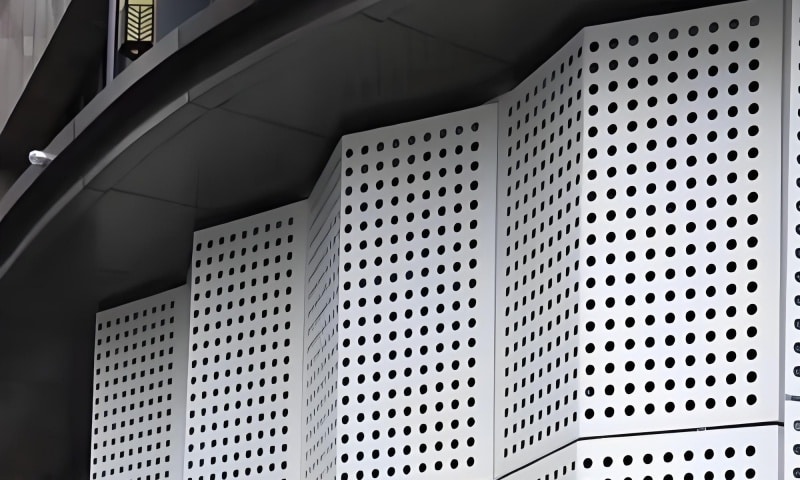
Wire mesh is often chosen when airflow and visibility are important. Perforated metal screens are preferred when the panel needs a cleaner appearance, higher rigidity, and better resistance to denting.
For OEM equipment, perforated screens can also be formed, bent, rolled, or welded into custom parts. This gives manufacturers more design control than standard mesh rolls.

Cost vs Lifetime Value
The lowest purchase price is not always the lowest cost.
Wire mesh is often cheaper at the beginning, especially for simple light-duty uses. It is easy to source, easy to cut, and suitable for many general applications.
Perforated screens may cost more upfront because they require sheet metal, punching tooling, and sometimes secondary processing such as flattening, bending, rolling, welding, or surface finishing. However, the longer service life can make them more economical in demanding environments.
Replacement Frequency
If wire mesh needs to be replaced often, the real cost includes more than the screen itself. It also includes labor, downtime, lost production, and possible quality issues caused by worn or enlarged openings.
A perforated screen that lasts longer can reduce these hidden costs. For plants running continuous production, fewer screen changes can be more valuable than a small saving on the initial purchase.
Screening Accuracy Over Time
Lifetime value also depends on how long the screen keeps working within specification.
Wire mesh can lose opening accuracy when wires wear, stretch, or break. This may allow oversized particles to pass through or reduce product consistency.
Perforated screens maintain fixed hole geometry for a longer period, especially when the right thickness and material are selected. For buyers who care about stable output size, this is an important cost factor.
Customization Value
Perforated screens offer strong customization flexibility. The buyer can specify:
- Hole shape
- Hole size
- Pitch and open area
- Plate thickness
- Edge margin
- Blank zones
- Mounting holes
- Bending or rolled shape
- Welding or frame assembly
- Material and surface treatment
This is useful when the screen must fit existing equipment or solve a specific production problem. Wire mesh is flexible, but it does not offer the same level of plate-based structural customization.
When Wire Mesh Makes More Sense
Wire mesh is still a good choice when the application requires very fine openings, high open area, low weight, flexibility, or low-cost replacement.
It may be the better option for light filtration, insect screening, airflow panels, small guards, or low-impact separation.
The mistake is not using wire mesh. The mistake is using wire mesh in a duty level where it will fail too quickly.
When Perforated Screens Are the Better Choice
Perforated screens are usually the better choice when the application involves impact, abrasion, vibration, heavy materials, repeated cleaning, or strict aperture stability.
They are especially suitable for:
- Mining and quarry screening
- Hammer mill screens
- Industrial sieve plates
- Aggregate and stone separation
- Chemical processing screens
- Equipment protection panels
- Custom punched screen plates
- Heavy-duty replacement screens
For industrial buyers, the decision should be based on the full working condition, not only the screen opening size. A good supplier will ask about material type, particle size, impact level, moisture, corrosion risk, frame design, and expected service life before recommending a screen.
Final Selection Advice
When comparing perforated screens vs wire mesh, start with the duty level.
If the application is light-duty, flexible, or very fine, wire mesh may be enough. If the application is abrasive, high-impact, or requires long-term aperture stability, perforated screens are usually the stronger option.
In real production environments, the right screen should do three things well: separate material accurately, survive the working conditions, and reduce maintenance interruptions. For many industrial screening jobs, a custom perforated screen plate provides that balance better than standard wire mesh.
For projects that require precise hole patterns, strong flatness, wear-resistant materials, or custom forming, Industrial Perforated Screens & Sieve Plates are often the more reliable long-term solution.