In marine engineering, material selection is rarely just a purchasing decision. It affects service life, maintenance schedules, safety margins, and long-term operating costs. A sheet that performs well in a warehouse, food plant, or architectural façade may not survive the same way on an offshore platform, ship deck, coastal ventilation enclosure, or splash-prone equipment guard.
That is why many marine contractors and shipbuilding engineers specify 316L stainless steel perforated sheets instead of ordinary stainless steel or carbon steel alternatives. When salt spray, humid air, wave splash, and industrial contaminants are part of the working environment, the metal must resist corrosion while still delivering airflow, screening, drainage, protection, and structural stability.
For these applications, marine grade perforated metal sheets are not chosen only for appearance. They are selected because the material, hole pattern, thickness, open area, and fabrication quality all influence how well the component performs after years of exposure.


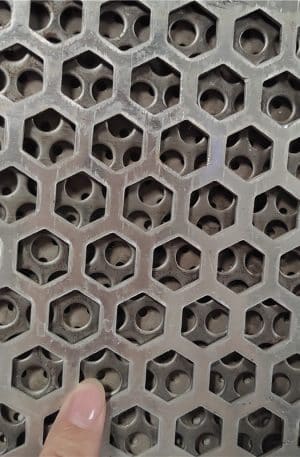
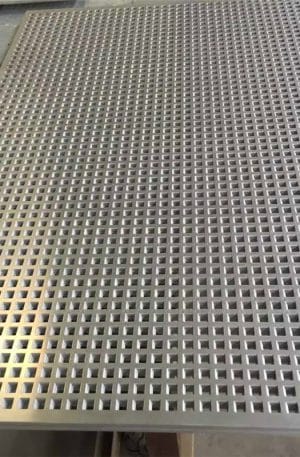


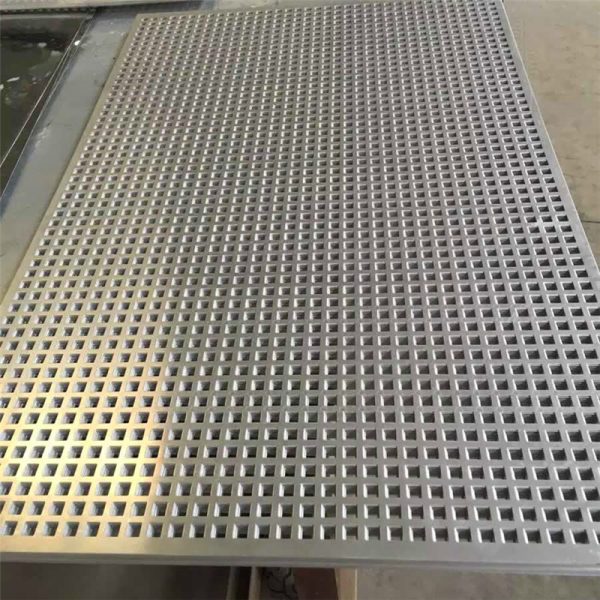


Stainless Steel Perforated Metal Sheets
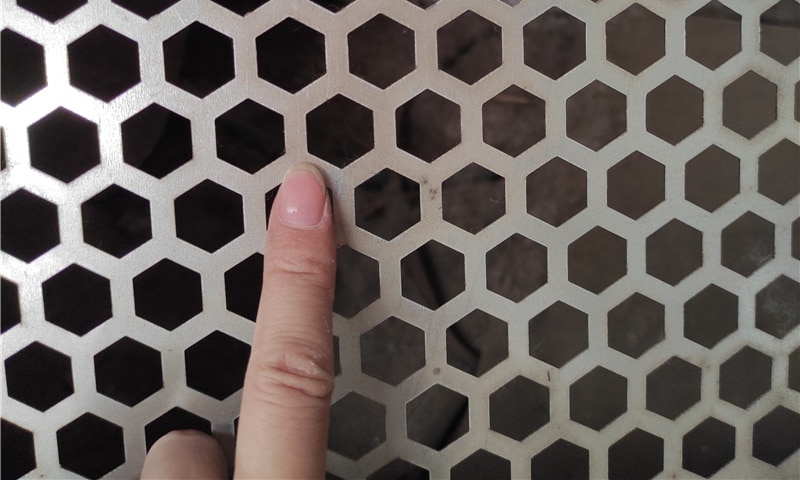
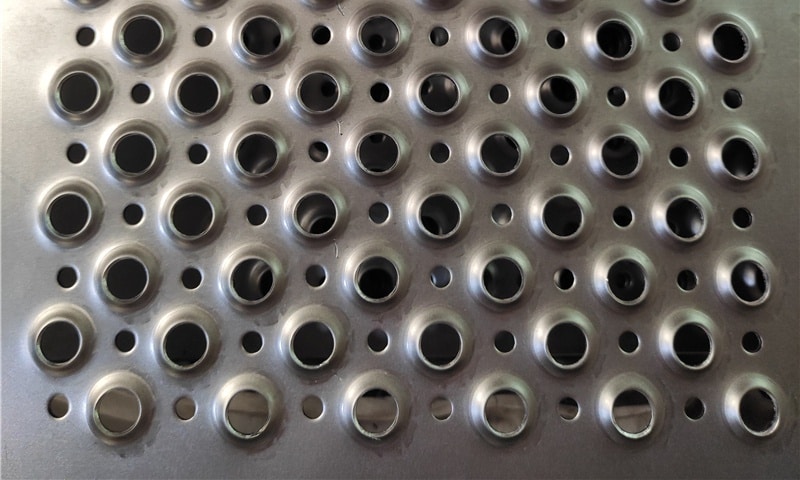
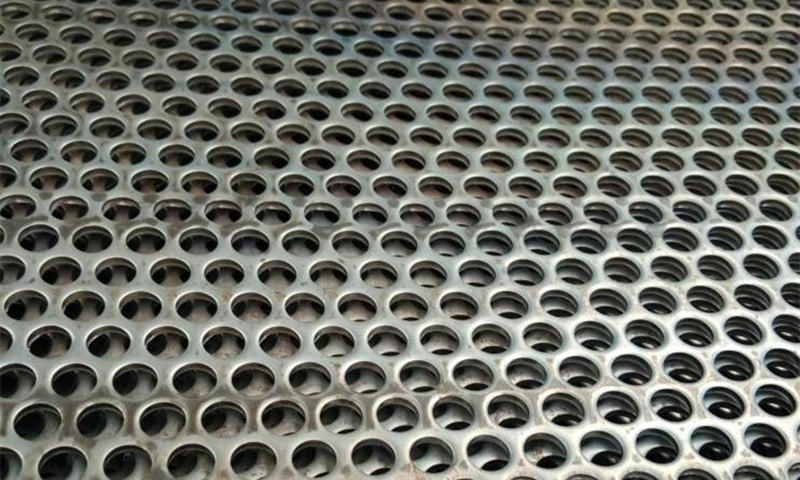
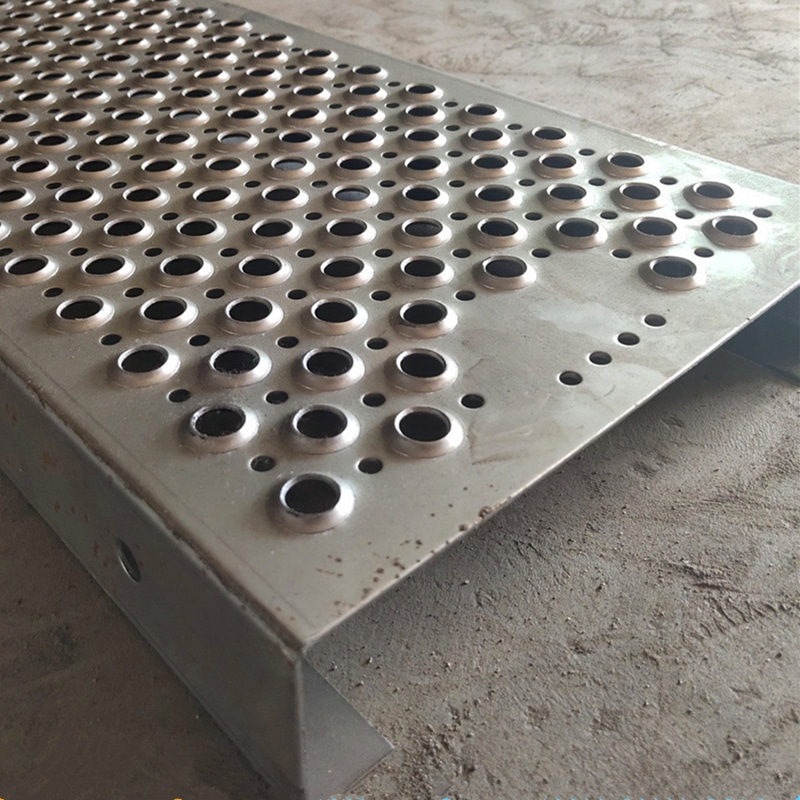
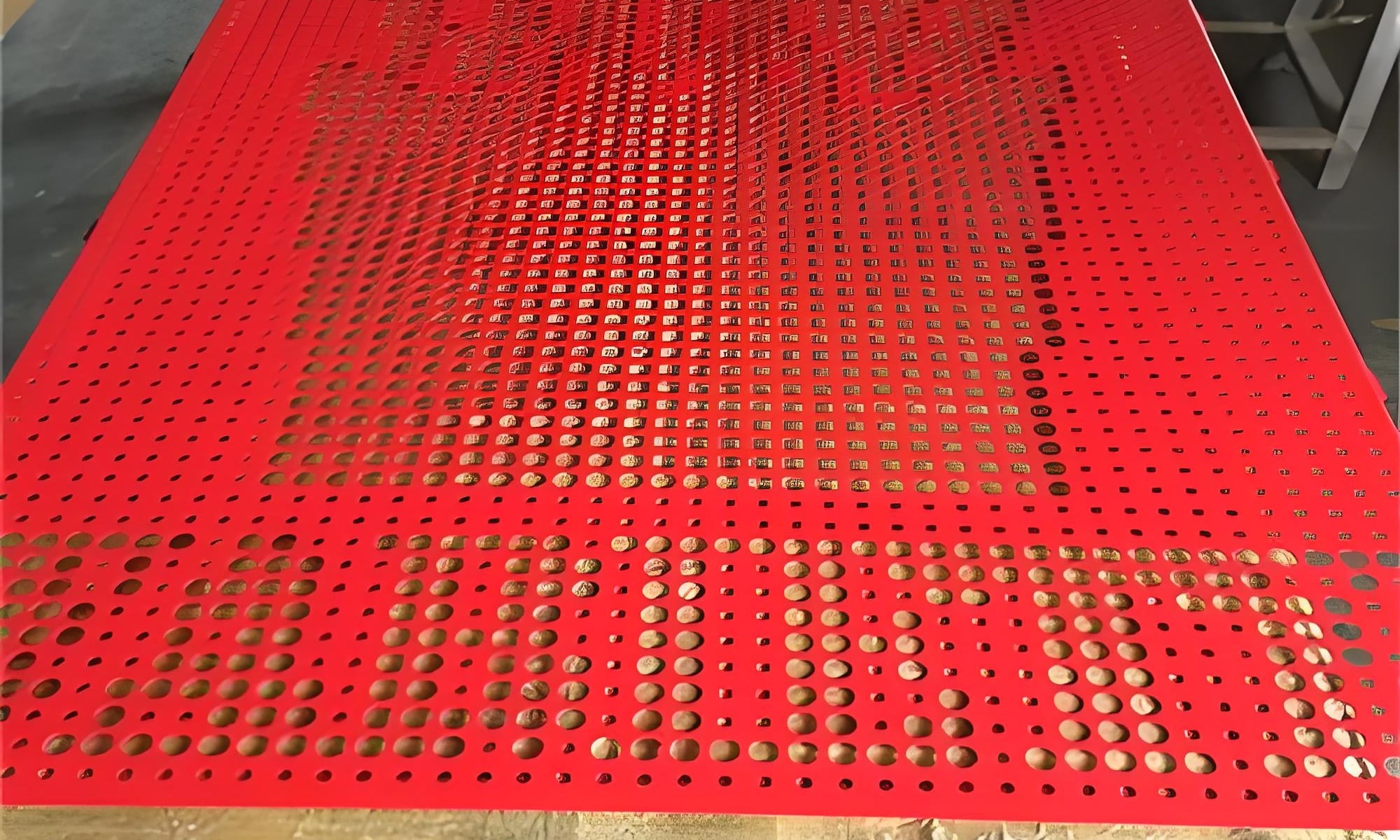
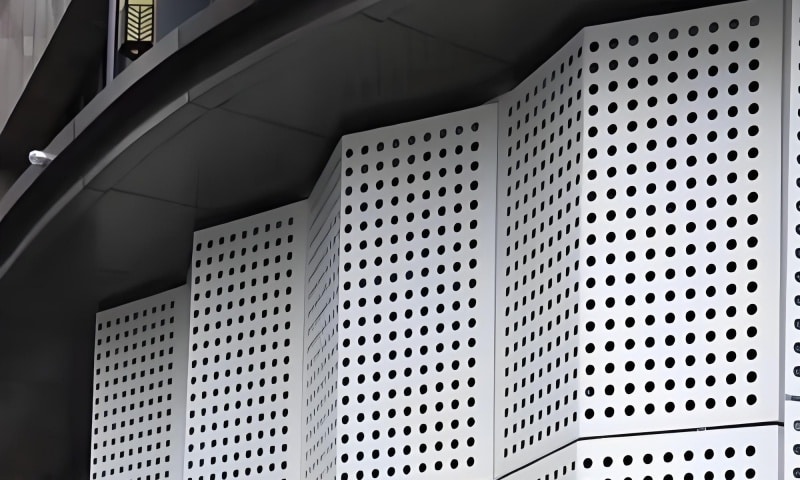
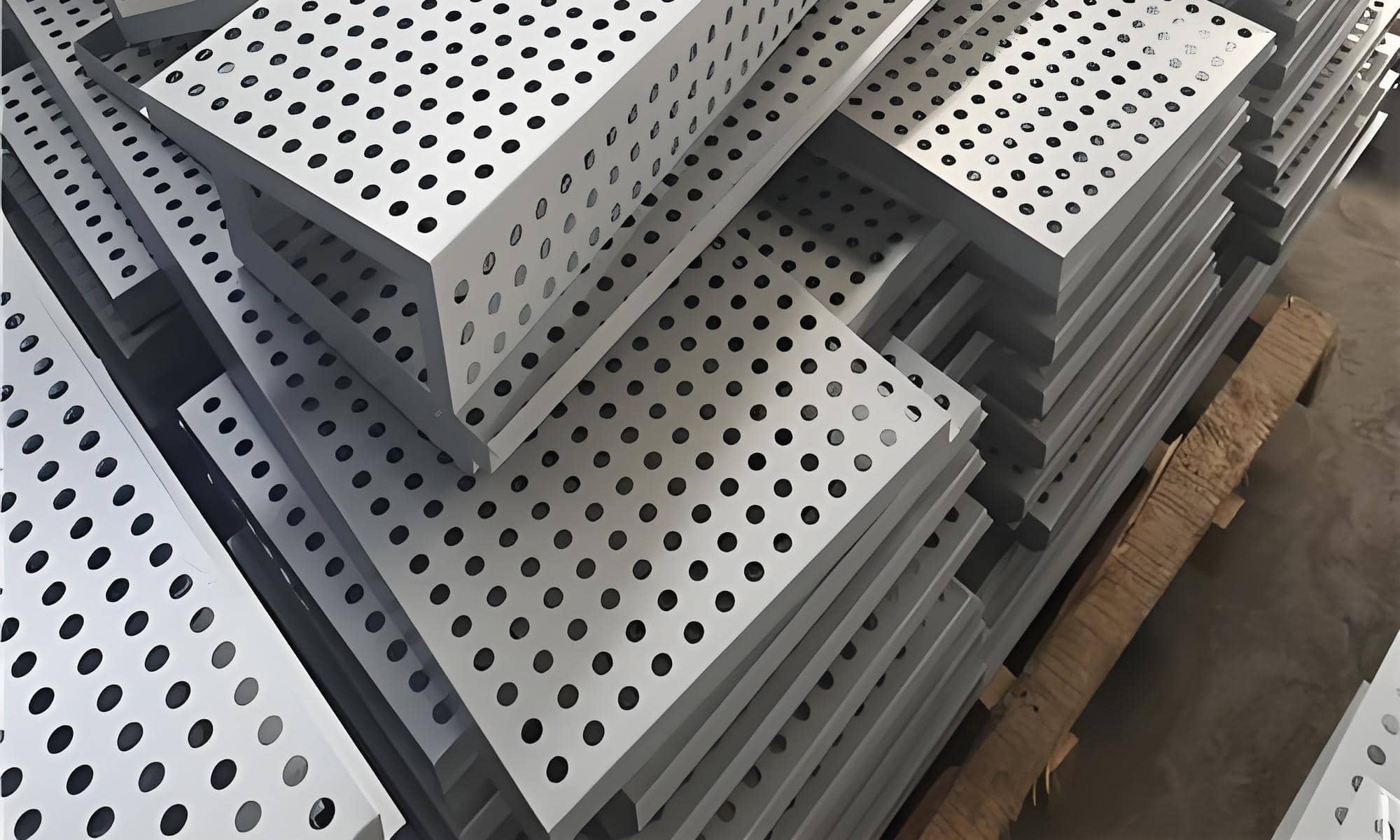
Stainless steel perforated sheet is a commonly used material in both architectural and industrial applications. It offers stable corrosion resistance and good fabrication flexibility.
Hole patterns, open area, dimensions and surface finishes can all be customized according to project drawings. Typical uses include facades, ventilation and filtration, partitions and equipment protection.
Feel free to view the product details or contact us for samples and pricing information.
How Salt Spray Attacks Stainless Steel
Stainless steel is often described as “corrosion resistant,” but that does not mean it is corrosion proof. Its protection comes from a thin chromium oxide passive film on the surface. In clean environments, this film can repair itself naturally when scratched or damaged. Marine environments are more aggressive because chloride ions from salt can break down that passive layer.
Why Chlorides Cause Pitting
Pitting corrosion is one of the most common concerns for stainless steel used near seawater. Unlike general rusting, pitting often starts in small localized areas. The surface may look acceptable at first, while corrosion develops deeper inside tiny pits.
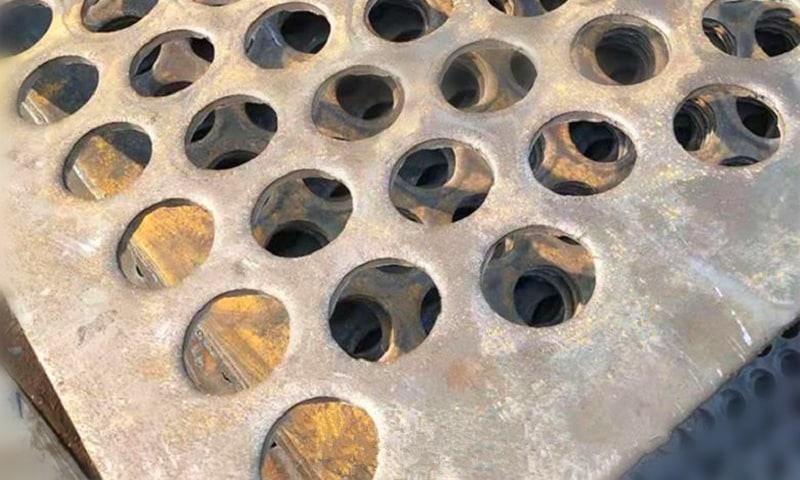
This is especially important for perforated metal because each hole creates additional exposed edge area. If the punching process leaves burrs, rough edges, or embedded contamination, these areas can become weak points where chlorides collect.
In marine projects, corrosion risk increases when several conditions appear together:
Salt spray remains on the surface after repeated wet-dry cycles.
Moisture collects around hole edges, folds, welds, or overlapping panels.
Poor drainage allows seawater or cleaning chemicals to sit on the sheet.
Airborne contaminants mix with chloride deposits.
The sheet is installed near dissimilar metals without proper isolation.
This is why marine grade perforated metal sheets require more than a stainless label. They need suitable alloy selection, clean punching, proper finishing, and an installation design that reduces trapped moisture.
Why 316L Stainless Steel Is Preferred for Marine Perforated Sheets
316L stainless steel contains molybdenum, which improves resistance to chloride-related corrosion compared with many standard stainless grades. The “L” version has lower carbon content, which helps reduce the risk of sensitization during welding and fabrication.
For offshore platforms and shipbuilding projects, that difference matters. Perforated sheets may be cut, bent, framed, rolled, welded, or fixed into equipment housings. If the material is exposed to heat during fabrication, 316L provides better long-term corrosion reliability around welded areas than standard 316 in many practical conditions.
316 vs. 316L: The Maintenance Cost Difference
At first glance, 316 and 316L may look almost identical. They also share many of the same mechanical and corrosion-resistant characteristics. The difference becomes more important when the sheet is welded or installed in a highly corrosive marine environment.
Standard 316 can perform well in many coastal and industrial applications. However, for welded assemblies, offshore equipment, or ship components exposed to salt spray for long periods, 316L is often the safer choice. Its lower carbon content helps protect the heat-affected zone near welds, where corrosion problems can develop if fabrication is not carefully controlled.
From a purchasing perspective, 316L may cost slightly more than some alternatives. From a project lifecycle perspective, it can reduce the frequency of replacement, surface repair, shutdown maintenance, and corrosion-related inspection issues.
For marine operators, the real question is not only “What is the sheet price?” A better question is “How much will this panel cost after five or ten years of salt exposure, cleaning, repair labor, downtime, and replacement?”
That is where 316L perforated stainless steel often proves its value.

Practical Uses in Offshore Platforms and Shipbuilding
Marine grade perforated metal sheets are used in many areas where airflow, drainage, shielding, or safety protection is required. The advantage of perforated stainless steel is that it can provide openness without leaving equipment fully exposed.
Offshore Equipment Ventilation
Offshore platforms rely on ventilation around machinery, electrical systems, generator rooms, compressor units, pump enclosures, and utility cabinets. These areas need airflow, but they also need protection from debris, spray, and accidental contact.
316L perforated metal sheets are commonly used for ventilation covers, intake screens, equipment guards, and access panels. The hole size and open area can be adjusted according to airflow requirements. For example, a higher open area may support better ventilation, while a smaller hole diameter may improve debris control and splash reduction.
In this type of project, the perforated panel must remain stable after forming and installation. Flatness, hole consistency, and clean edges are important because poor-quality punching can create vibration noise, stress points, or corrosion-prone edges.
Splash Protection and Spray Barriers
Ship decks, offshore walkways, and equipment zones are often exposed to wave splash and high-humidity air. Perforated stainless steel can be used in splash guards, protective barriers, drain covers, and shielding panels where full solid sheet would block too much airflow or visibility.
A well-designed perforated splash system helps reduce direct water impact while still allowing air movement and drainage. This balance is useful around mechanical equipment, service areas, and protected walkways.
For shipbuilding applications, 316L perforated sheets are also valued because they can be fabricated into custom shapes. Panels can be bent, rolled, welded to frames, or cut to fit tight equipment layouts.
Protective Screens for Marine Machinery
Marine machinery often needs guards that are strong enough to protect workers and equipment, but open enough for heat release and inspection visibility. Stainless steel perforated sheets can be used around rotating equipment, filters, exhaust-related systems, and access zones.
For these components, material thickness and hole pattern should be selected based on both mechanical strength and corrosion exposure. A very high open area may improve ventilation, but it can reduce stiffness. A thicker sheet may improve strength, but it may also increase weight and fabrication cost.
The best specification is usually a balance between airflow, safety, corrosion resistance, and installation requirements.
Important Design Factors for Marine Grade Perforated Metal Sheets
Specifying 316L is a strong starting point, but alloy grade alone does not guarantee good field performance. The perforated sheet design must match the environment and the equipment function.
Hole Pattern and Open Area
Round holes are widely used because they provide good strength, clean appearance, and predictable airflow. Slotted holes may be useful when drainage or directional flow is important. Square or custom patterns can also be considered depending on the project.
For marine ventilation panels, open area is especially important. Too little open area can restrict airflow. Too much open area may reduce stiffness or allow too much spray penetration. Engineers should confirm airflow demand, panel size, mounting distance, and exposure level before choosing the pattern.
Thickness and Flatness
Marine panels often face vibration, wind pressure, handling stress, and repeated cleaning. Thin sheets may be easier to form, but they may also deform during punching or installation. Heavy-duty panels may need thicker stainless steel, reinforced frames, or smaller hole spacing to maintain rigidity.
Flatness is not only a visual issue. A warped panel may not seal properly against a frame, may vibrate during operation, and may create areas where water collects.
Edge Quality and Fabrication Cleanliness
Punching quality is critical for stainless steel perforated sheets used in marine environments. Burrs, sharp edges, surface scratches, iron contamination, and poor weld cleaning can all reduce corrosion performance.
After fabrication, panels should be handled with clean tools and protected from carbon steel contamination. If stainless steel is processed on equipment that also handles carbon steel, surface contamination can create rust stains even when the stainless material itself is correct.
For this reason, experienced manufacturers pay close attention to punching, leveling, deburring, washing, and packaging before shipment.
For more product specifications, custom hole patterns, and fabrication options, you can review our Stainless Steel Perforated Metal Sheets product page.
Chemical Cleaning and Anti-Corrosion Maintenance
Even 316L stainless steel needs proper maintenance in marine service. Good maintenance does not mean constant polishing. It means removing chloride deposits before they have time to concentrate on the surface.
Routine Cleaning for Salt Exposure
For many marine installations, regular freshwater rinsing is the first and most practical step. It helps remove salt deposits, especially in areas that are exposed to spray but not directly washed by rain.
Where oil, grease, or industrial dirt is present, use a neutral or mild alkaline stainless-steel-safe cleaner. Avoid cleaners that contain chlorides. Also avoid hydrochloric acid or aggressive products not approved for stainless steel.
After cleaning, the surface should be rinsed thoroughly and allowed to dry. Cleaning chemicals left around perforation edges can create new corrosion risks.
Passivation and Pickling After Fabrication
For welded or heavily fabricated 316L perforated components, chemical treatment may be needed after manufacturing. Pickling can remove heat tint and scale from welding, while passivation helps restore the protective surface condition.
Common stainless steel treatment systems may include nitric acid or citric acid-based passivation, depending on project requirements and local safety regulations. These processes should be handled by qualified personnel because chemical concentration, contact time, temperature, and rinsing quality all affect the final result.
For marine-grade parts, post-fabrication cleaning is especially important around welds, cut edges, and punched holes. These are the locations where corrosion often begins if contamination or heat tint remains.
Inspection Schedule for Offshore and Shipboard Panels
A practical inspection plan should check for early signs of staining, pitting, loose fasteners, trapped debris, and contact with dissimilar metals. Inspection intervals depend on the location. A sheltered coastal building may need less frequent cleaning than a splash zone on an offshore platform.
When small rust stains appear, they should not be ignored. Early cleaning and passivation can often prevent minor surface problems from becoming deeper pitting damage.
Why Fabrication Experience Matters
Marine projects demand more than raw material supply. A perforated sheet manufacturer must understand how punching, leveling, cutting, bending, welding, and finishing affect corrosion resistance.
For example, a ventilation panel for an offshore equipment enclosure may require a specific open area, tight dimensional tolerance, deburred edges, and protective packaging. A shipbuilding splash guard may require formed edges, welded frames, or custom mounting holes. A coastal infrastructure project may need both corrosion resistance and architectural consistency across multiple panels.
In each case, production details influence the final result.
A low-cost panel that arrives with rough edges, oil residue, poor flatness, or inconsistent hole spacing may create problems during installation. In marine environments, those small production issues can become long-term maintenance costs.
Final Thoughts
Marine environments are unforgiving. Salt spray, humidity, heat, vibration, and cleaning chemicals all test the limits of metal components. For offshore platforms, shipbuilding projects, ventilation systems, and splash protection, 316L stainless steel perforated sheets offer a strong balance of corrosion resistance, fabrication performance, and long service life.
The best results come from matching the material grade with the correct hole pattern, thickness, open area, edge finish, and maintenance plan. When these factors are specified properly, marine grade perforated metal sheets can provide dependable performance in some of the toughest operating conditions.