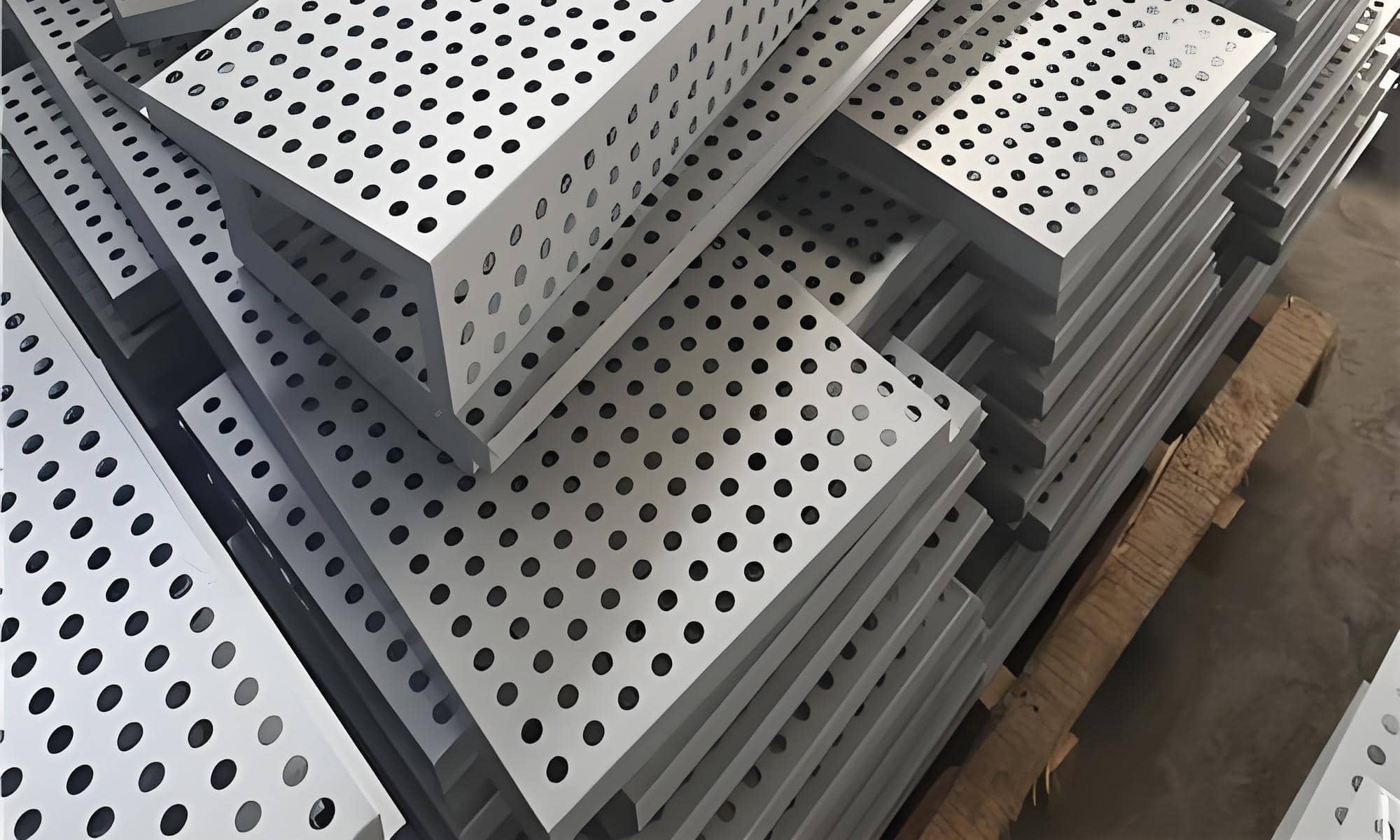
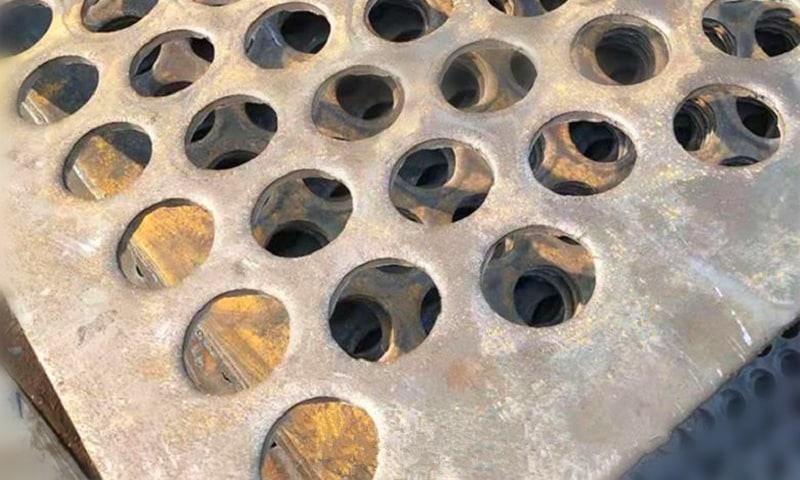
Why Edge Margin Matters More on Heavy Duty Perforated Plates
When a heavy duty perforated plate is loaded, welded, formed, or installed in a vibrating system, the edge area is often the first place where stress concentrates. That is why the heavy duty perforated plate edge margin should never be treated as a minor drawing detail. In real production, a margin that looks “small but acceptable” on paper can become the weak point that starts a crack, especially around larger holes, thicker stock, or parts exposed to cyclic loading.
For industrial buyers, this is not only a manufacturing issue. It is a reliability issue. A cracked edge can reduce service life, create downtime, and increase replacement cost. In screening, filtration, architectural, and machine guard applications, the edge condition directly affects how well the plate performs once it leaves the workshop and enters the field.
What Edge Margin Means in Perforated Plate Design
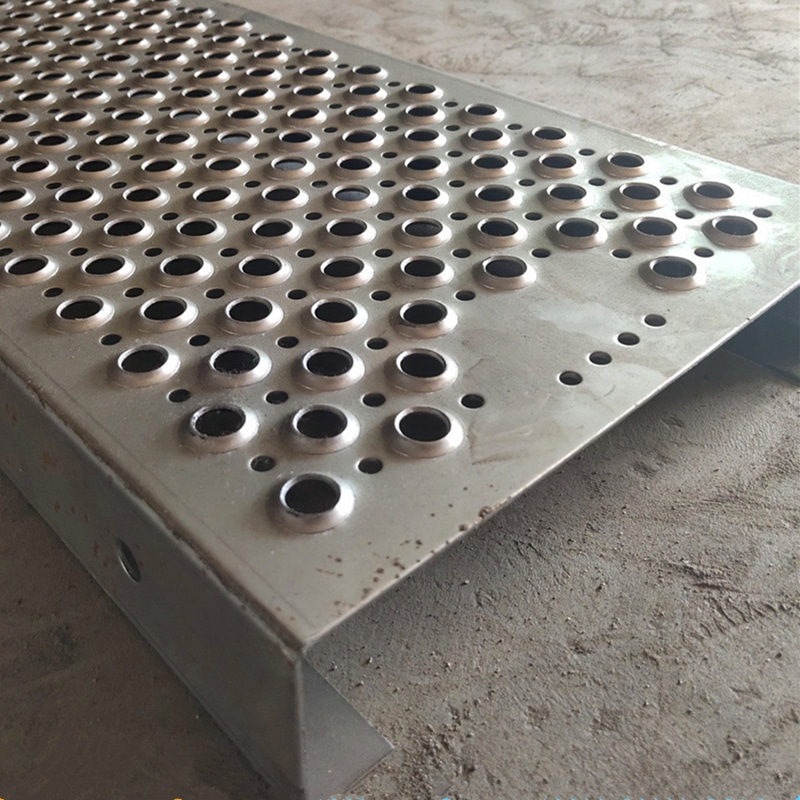
Edge margin is the distance from the edge of the plate to the nearest part of the perforation. In practical terms, it is the “hole-to-edge” distance. On drawings, it is usually shown as a dimension from the plate boundary to the centerline of the first hole, or from the plate boundary to the nearest hole edge, depending on the way the fabricator standardizes the layout.
For heavy duty perforated plate work, the margin must be large enough to preserve metal around the hole pattern. Too little material between the cut edge and the perforation can lead to tearing, distortion during punching, or crack growth after installation. Too much margin may be structurally safe, but it can reduce open area and change the flow, screening, or appearance requirements. The right answer is usually a balanced one: enough edge strength without sacrificing the function of the plate.


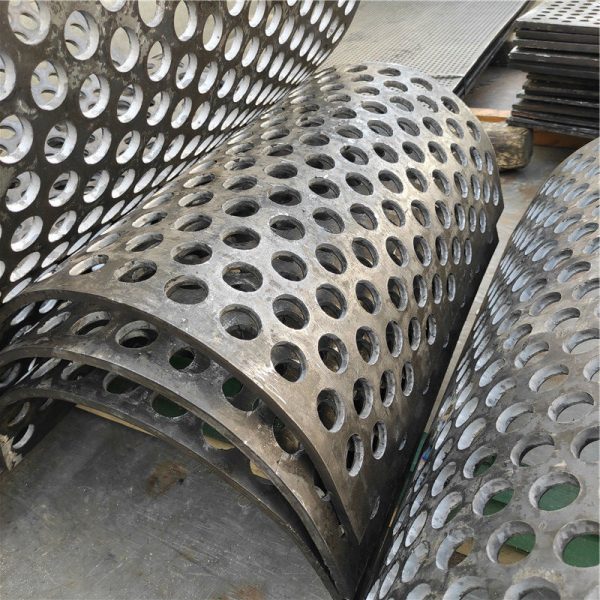
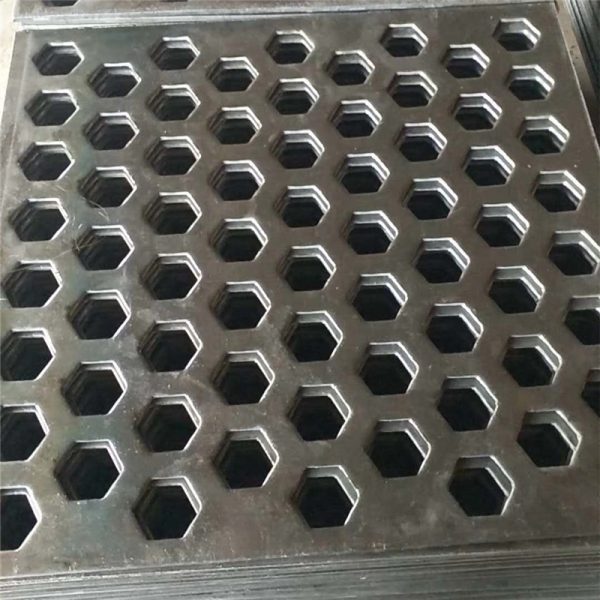


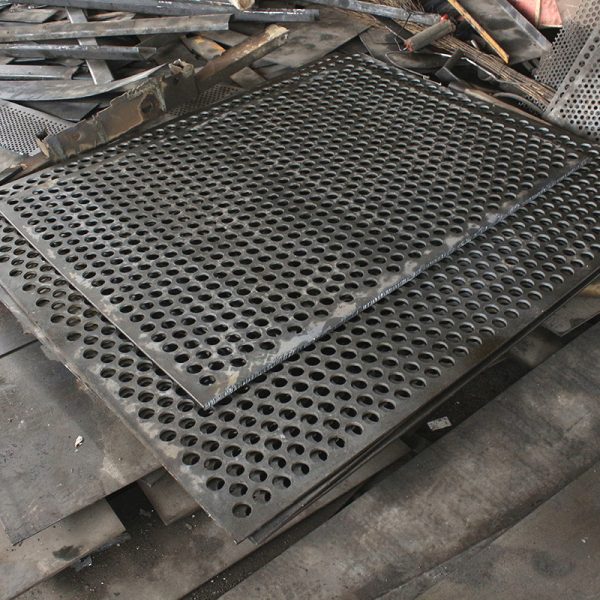
Heavy Duty Perforated Plates
Need a custom heavy-duty perforated plate?
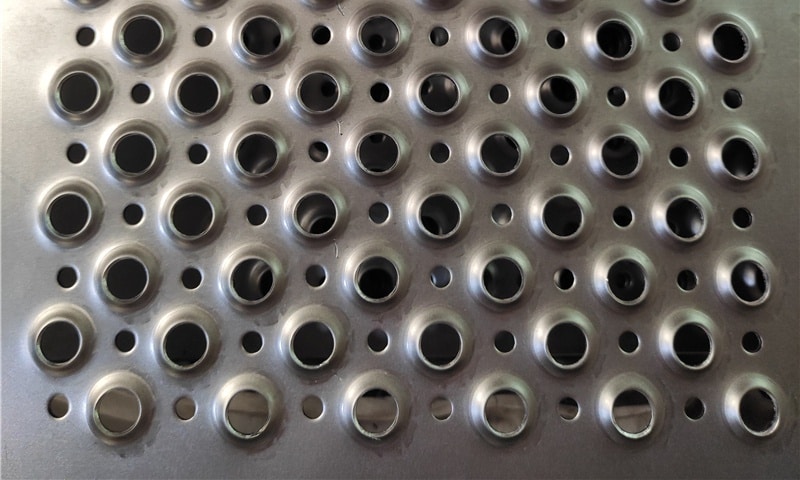
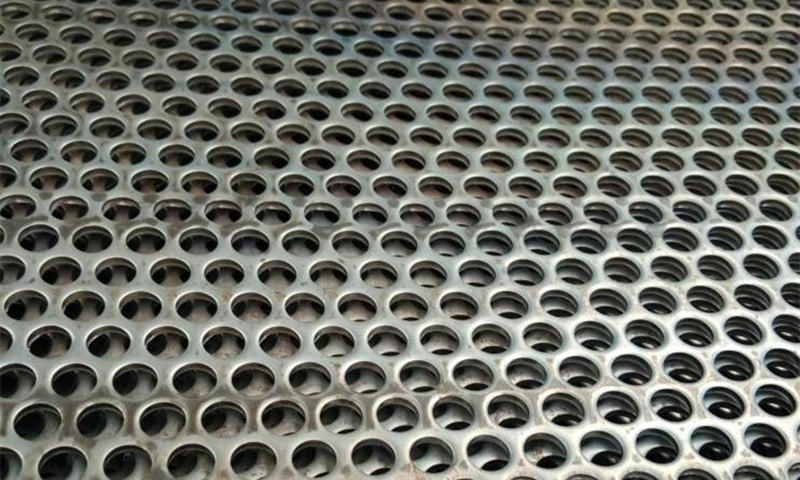
We offer perforated plates with thickness ranging from 2.75mm to 30mm, and up to 6000×1500mm in size, available in round, square, hexagonal, and slotted patterns.
Additionally, we provide precise cutting, surface protection, and other processing services tailored to meet industrial installation requirements.
Feel free to contact us anytime, and we’ll provide a personalized solution that perfectly matches your project needs.
Why Cracking Happens When the Margin Is Too Small
Cracking is rarely caused by one single factor. In most cases, it is the result of several forces working together.
A narrow edge margin leaves less metal to absorb punching stress. During fabrication, the punch creates localized deformation around the hole. If the remaining ligament is too thin, the edge can deform excessively or form microcracks that grow later under vibration or repeated impact.
Material thickness matters as well. Thicker heavy duty plates usually need more careful spacing because the punching load is higher and the stress path is more concentrated. Hole size, hole shape, pattern orientation, and plate grade all influence the minimum safe margin. A stainless steel plate, for example, behaves differently from carbon steel or wear-resistant steel. The same drawing rule does not always produce the same field performance.
Heat, welding, and forming can add another layer of risk. If a perforated plate is welded near the edge or bent after punching, residual stress can accumulate. Once the plate is put into service, that stress may reveal itself as edge cracking.
Practical Edge Margin Guidelines for Engineers and Buyers
There is no single universal number that fits every perforation pattern, but there are reliable design principles that help prevent cracking.
As a rule, the edge margin should be evaluated together with plate thickness, hole diameter, hole pitch, and service load. For heavier gauge plates and demanding applications, a conservative edge margin is usually the safer choice. In many industrial projects, designers prefer a margin that gives the edge enough metal to remain stable during punching and during the life of the part.
When the plate will be exposed to vibration, impact, or alternating load, the edge-to-hole distance should be treated as a structural parameter, not just a layout detail. In those cases, it is better to increase the margin slightly than to rely on the material “holding up” after production. For critical equipment, prototyping or sample approval is often the smartest way to confirm performance before full production.
How to Call Out “Hole-to-Edge Distance” on a Drawing
Clear drawings save time, reduce mistakes, and help both the engineering team and the supplier work from the same assumption. If you want to specify the hole-to-edge distance properly, your drawing should make three things unmistakable: how the distance is measured, where it is measured from, and what tolerance is allowed.
A good callout will state the edge margin directly, for example: Hole center to plate edge = 12 mm or Hole edge to plate edge = 8 mm. The key is to avoid ambiguity. If the design team uses centerline dimensions, make that clear. If the fabrication team needs the distance from the nearest hole wall to the plate edge, say so on the print.
It also helps to include a note such as:
“Maintain minimum edge margin from perforation to finished plate edge as shown. Do not reduce margin without engineering approval.”
For complex patterns, add a detail view of the corner area. This is especially useful when the first row of holes starts close to the edge, or when the plate has non-standard contours. A simple sketch with a labeled dimension is often more effective than a long paragraph of notes.

Recommended Drawing Notes for Heavy Duty Perforated Plates
When specifying a heavy duty perforated plate edge margin, the drawing should communicate both intent and production control. In addition to the hole-to-edge dimension, consider adding notes about:
- whether the edge is as-punched, trimmed, laser-cut, or sheared
- whether burr direction matters
- whether corners require special reinforcement
- whether post-processing such as deburring or stress relief is required
- whether the margin applies to all sides or only selected sides
These details reduce the chance that a supplier will interpret the drawing differently from your engineering team. In B2B manufacturing, that kind of clarity is often what separates a smooth project from a costly revision.
How Suppliers Should Review Edge Margin Before Production
A good supplier should not simply punch the pattern and move on. Before production starts, the supplier should review the margin against material thickness, hole geometry, machine capability, and the final use case. This is especially important for heavy duty perforated plates because the plate often works in harsher conditions than standard decorative panels.
At the quotation stage, a competent fabricator should flag any edge margin that looks risky. If the margin is too small, they should recommend a redesign, a larger sheet size, a different hole layout, or a process adjustment. That kind of early feedback is valuable because it protects both the buyer and the manufacturer from avoidable failure.
Final Takeaway
The edge of a perforated plate is not a leftover zone. It is part of the working structure. When the heavy duty perforated plate edge margin is designed correctly, the plate is more likely to resist cracking, maintain its shape, and perform reliably in demanding service.
For engineering and procurement teams, the best practice is simple: define the hole-to-edge distance clearly, check it against the application, and avoid squeezing the margin just to maximize open area. In heavy duty service, a stronger edge almost always pays for itself in longer life and fewer failures.