Ağır Hizmet Tipi Delikli Plakalarda Kenar Marjı Neden Daha Önemlidir?
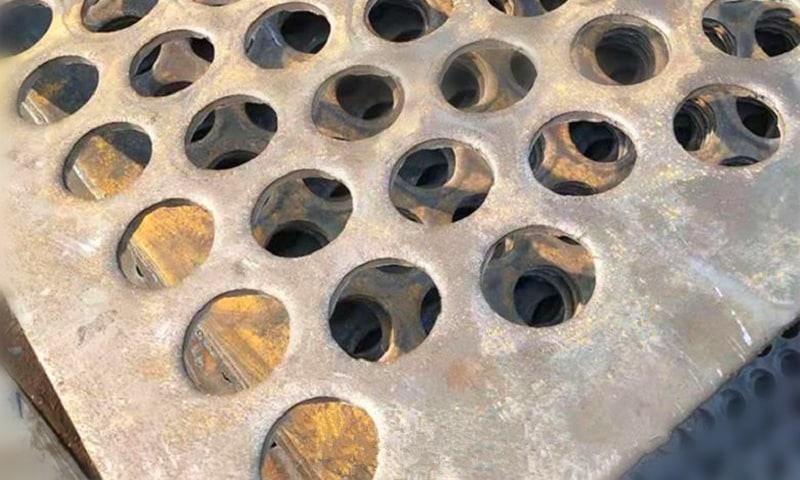
Ne zaman bir ağır hizmet tipi delikli plaka yüklendiğinde, kaynaklandığında, şekillendirildiğinde veya titreşimli bir sisteme monte edildiğinde, kenar bölgesi genellikle gerilimin yoğunlaştığı ilk yerdir. Bu nedenle ağır hizmet tipi delikli plaka kenar marjı asla küçük bir çizim detayı olarak ele alınmamalıdır. Gerçek üretimde, kağıt üzerinde “küçük ama kabul edilebilir” görünen bir kenar boşluğu, özellikle daha büyük delikler, daha kalın stoklar veya döngüsel yüklemeye maruz kalan parçalar etrafında bir çatlağı başlatan zayıf nokta haline gelebilir.
Endüstriyel alıcılar için bu sadece bir üretim sorunu değildir. Bu bir güvenilirlik sorunudur. Çatlak bir kenar hizmet ömrünü kısaltabilir, arıza süresine neden olabilir ve değiştirme maliyetini artırabilir. Eleme, filtreleme, mimari ve makine koruma uygulamalarında kenar durumu, plakanın atölyeden çıkıp sahaya girdiğinde ne kadar iyi performans göstereceğini doğrudan etkiler.
Delikli Plaka Tasarımında Kenar Marjı Ne Anlama Gelir?
Kenar marjı, plakanın kenarından perforasyonun en yakın kısmına kadar olan mesafedir. Pratik anlamda “delikten kenara” mesafedir. Çizimlerde, imalatçının düzeni standartlaştırma şekline bağlı olarak, genellikle plaka sınırından ilk deliğin merkez çizgisine veya plaka sınırından en yakın delik kenarına kadar bir boyut olarak gösterilir.
Ağır hizmet tipi delikli plaka işlerinde, kenar boşluğu delik deseninin etrafındaki metali koruyacak kadar büyük olmalıdır. Kesme kenarı ile delik arasında çok az malzeme olması yırtılmaya, delme sırasında bozulmaya veya montajdan sonra çatlak büyümesine yol açabilir. Çok fazla marj yapısal olarak güvenli olabilir, ancak açık alanı azaltabilir ve akış, perdeleme veya görünüm gereksinimlerini değiştirebilir. Doğru cevap genellikle dengeli bir cevaptır: plakanın işlevinden ödün vermeden yeterli kenar mukavemeti.


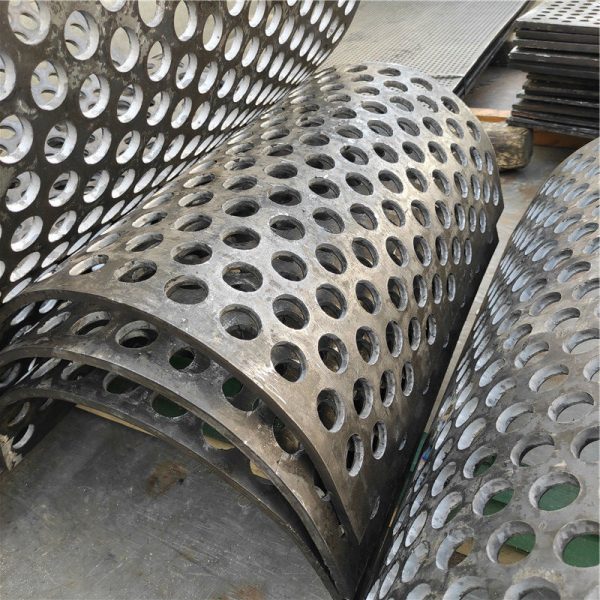
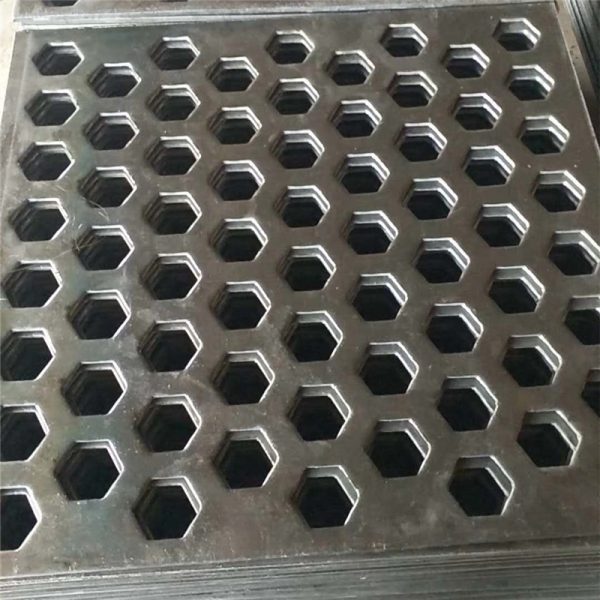


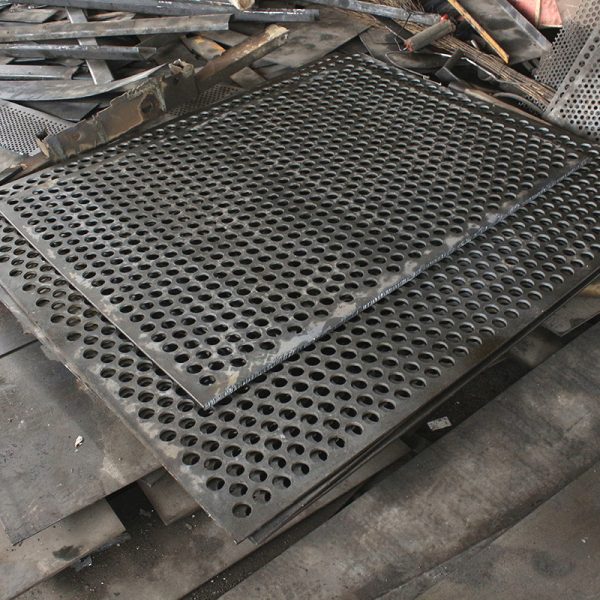
Ağır Hizmet Tipi Delikli Plakalar
Özel bir ağır hizmet tipi delikli plakaya mı ihtiyacınız var?
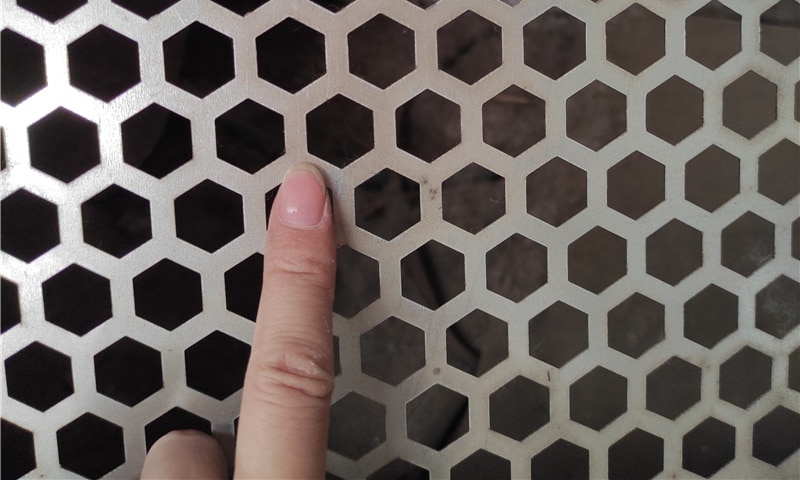
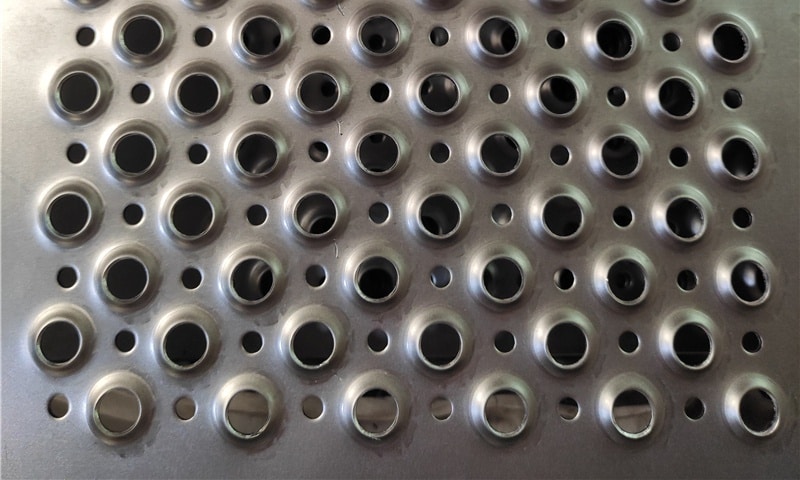
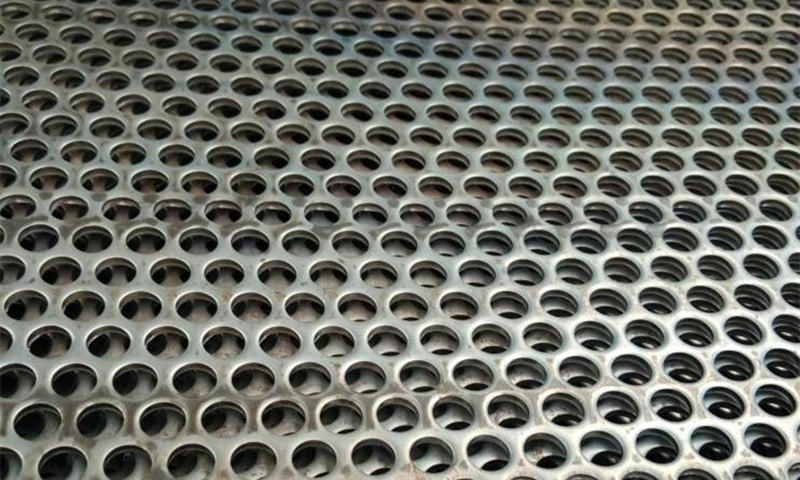
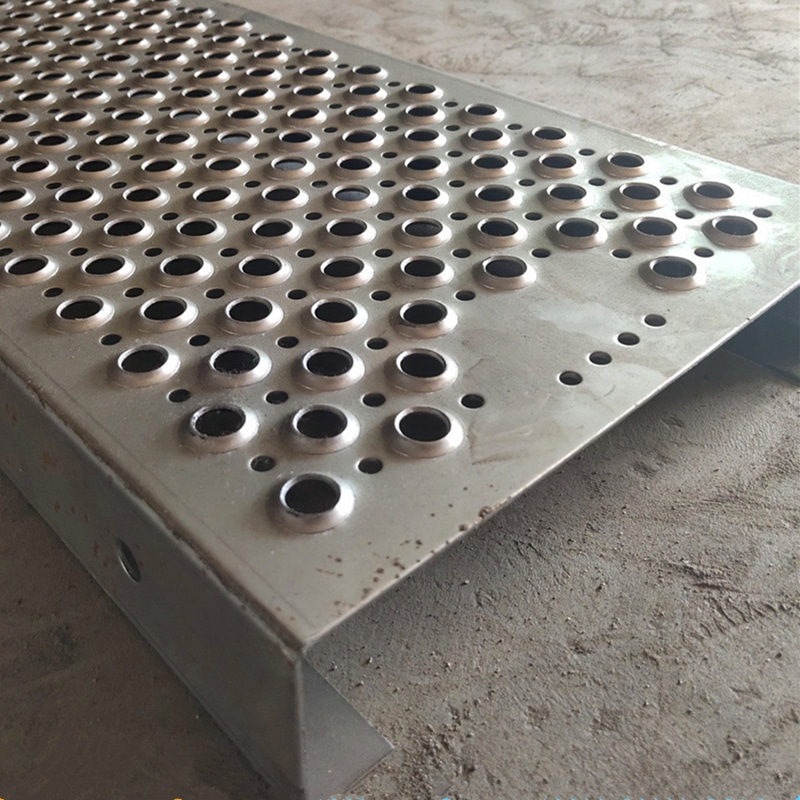
Kalınlığı 2,75 mm ila 30 mm arasında değişen ve 6000×1500 mm boyuta kadar yuvarlak, kare, altıgen ve oluklu desenlerde delikli plakalar sunuyoruz.
Ayrıca, endüstriyel kurulum gereksinimlerini karşılamak için özel olarak tasarlanmış hassas kesim, yüzey koruma ve diğer işleme hizmetleri sunuyoruz.
İstediğiniz zaman bizimle iletişime geçmekten çekinmeyinve proje ihtiyaçlarınıza mükemmel şekilde uyan kişiselleştirilmiş bir çözüm sunacağız.
Marj Çok Küçük Olduğunda Çatlama Neden Olur?
Çatlama nadiren tek bir faktörden kaynaklanır. Çoğu durumda, birlikte çalışan birkaç kuvvetin sonucudur.
Dar bir kenar marjı, zımbalama gerilimini absorbe etmek için daha az metal bırakır. İmalat sırasında zımba delik etrafında lokal deformasyon yaratır. Kalan bağ çok inceyse, kenar aşırı deforme olabilir veya daha sonra titreşim veya tekrarlanan darbe altında büyüyen mikro çatlaklar oluşturabilir.
Malzeme kalınlığı da önemlidir. Daha kalın ağır hizmet plakaları genellikle daha dikkatli aralıklara ihtiyaç duyar çünkü delme yükü daha yüksektir ve gerilme yolu daha konsantredir. Delik boyutu, delik şekli, desen yönü ve plaka sınıfı minimum güvenli marjı etkiler. Örneğin paslanmaz çelik bir plaka, karbon çeliğinden veya aşınmaya dayanıklı çelikten farklı davranır. Aynı çizim kuralı her zaman aynı saha performansını üretmez.
Isı, kaynak ve şekillendirme başka bir risk katmanı ekleyebilir. Delikli bir plaka kenara yakın bir yerden kaynaklanırsa veya delme işleminden sonra bükülürse, artık gerilim birikebilir. Plaka hizmete girdiğinde, bu gerilim kendini kenar çatlaması olarak gösterebilir.
Mühendisler ve Alıcılar için Pratik Kenar Marjı Kılavuzları
Her perforasyon modeline uyan tek bir evrensel numara yoktur, ancak çatlamayı önlemeye yardımcı olan güvenilir tasarım ilkeleri vardır.
Kural olarak, kenar marjı plaka kalınlığı, delik çapı, delik aralığı ve servis yükü ile birlikte değerlendirilmelidir. Daha ağır plakalar ve zorlu uygulamalar için muhafazakar bir kenar marjı genellikle daha güvenli bir seçimdir. Birçok endüstriyel projede tasarımcılar, kenara delme sırasında ve parçanın ömrü boyunca sabit kalması için yeterli metal sağlayan bir kenar boşluğunu tercih eder.
Plaka titreşime, darbeye veya alternatif yüke maruz kalacaksa, kenardan deliğe mesafe sadece bir yerleşim detayı olarak değil, yapısal bir parametre olarak ele alınmalıdır. Bu gibi durumlarda, üretimden sonra malzemenin “dayanacağına” güvenmektense marjı biraz artırmak daha iyidir. Kritik ekipmanlar için prototipleme veya numune onayı, tam üretimden önce performansı teyit etmenin genellikle en akıllıca yoludur.
Bir Çizim Üzerinde “Delikten Kenara Mesafe” Nasıl Belirtilir
Net çizimler zaman kazandırır, hataları azaltır ve hem mühendislik ekibinin hem de tedarikçinin aynı varsayımla çalışmasına yardımcı olur. Delik-kenar mesafesini doğru bir şekilde belirtmek istiyorsanız, çiziminiz üç şeyi açık bir şekilde belirtmelidir: mesafenin nasıl ölçüldüğü, nereden ölçüldüğü ve hangi toleransa izin verildiği.
İyi bir belirtme çizgisi, örneğin kenar marjını doğrudan belirtecektir: Delik merkezinden plaka kenarına = 12 mm veya Delik kenarından plaka kenarına = 8 mm. Önemli olan belirsizlikten kaçınmaktır. Tasarım ekibi merkez hattı ölçülerini kullanıyorsa bunu açıkça belirtin. İmalat ekibi en yakın delik duvarından plaka kenarına kadar olan mesafeye ihtiyaç duyuyorsa, bunu baskıda belirtin.
Ayrıca aşağıdaki gibi bir not eklemek de yardımcı olur:
“Gösterildiği gibi perforasyondan bitmiş plaka kenarına kadar minimum kenar boşluğunu koruyun. Mühendislik onayı olmadan kenar boşluğunu azaltmayın.”
Karmaşık desenler için köşe alanının ayrıntılı bir görünümünü ekleyin. Bu özellikle ilk delik sırası kenara yakın başladığında veya plaka standart olmayan konturlara sahip olduğunda kullanışlıdır. Etiketlenmiş bir boyuta sahip basit bir çizim genellikle uzun bir not paragrafından daha etkilidir.

Ağır Hizmet Tipi Delikli Plakalar için Önerilen Çizim Notları
Ağır hizmet tipi bir delikli plaka kenar boşluğu belirlerken, çizim hem amacı hem de üretim kontrolünü iletmelidir. Delikten kenara boyutuna ek olarak, aşağıdakilerle ilgili notlar eklemeyi düşünün:
- kenarın delinmiş, kesilmiş, lazerle kesilmiş veya makaslanmış olup olmadığı
- çapak yönünün önemli olup olmadığı
- köşelerin özel takviye gerektirip gerektirmediği
- çapak alma veya gerilim giderme gibi son işlemlerin gerekli olup olmadığı
- kenar boşluğunun tüm kenarlara mı yoksa yalnızca seçilen kenarlara mı uygulanacağı
Bu ayrıntılar, bir tedarikçinin çizimi mühendislik ekibinizden farklı yorumlama olasılığını azaltır. B2B üretiminde, bu tür bir netlik genellikle sorunsuz bir projeyi maliyetli bir revizyondan ayıran şeydir.
Tedarikçiler Üretimden Önce Kenar Marjını Nasıl Gözden Geçirmeli?
İyi bir tedarikçi sadece kalıbı delip yoluna devam etmemelidir. Üretim başlamadan önce tedarikçi malzeme kalınlığı, delik geometrisi, makine kapasitesi ve nihai kullanım durumuna göre marjı gözden geçirmelidir. Bu özellikle ağır hizmet tipi delikli plakalar için önemlidir, çünkü plaka genellikle standart dekoratif panellerden daha zorlu koşullarda çalışır.
Teklif aşamasında, yetkin bir imalatçı riskli görünen herhangi bir kenar marjını işaretlemelidir. Kenar boşluğu çok küçükse, yeniden tasarım, daha büyük bir levha boyutu, farklı bir delik düzeni veya bir süreç ayarlaması önermelidir. Bu tür bir erken geri bildirim değerlidir çünkü hem alıcıyı hem de imalatçıyı önlenebilir başarısızlıklardan korur.
Son Çıkarım
Delikli bir plakanın kenarı artık bir bölge değildir. Çalışma yapısının bir parçasıdır. Ne zaman ağır hizmet tipi delikli plaka kenar marjı doğru tasarlandığında, plakanın çatlamaya karşı direnç göstermesi, şeklini koruması ve zorlu hizmetlerde güvenilir bir performans sergilemesi daha olasıdır.
Mühendislik ve tedarik ekipleri için en iyi uygulama basittir: delik-kenar mesafesini net bir şekilde tanımlayın, uygulamaya göre kontrol edin ve sadece açık alanı en üst düzeye çıkarmak için marjı sıkıştırmaktan kaçının. Ağır hizmette, daha güçlü bir kenar neredeyse her zaman daha uzun ömür ve daha az arıza ile kendini amorti eder.