Warum der Rand bei Lochblechen für hohe Beanspruchung eine größere Rolle spielt
Wenn ein Schwerlast-Lochblech belastet, geschweißt, geformt oder in ein schwingendes System eingebaut wird, ist der Kantenbereich oft die erste Stelle, an der sich die Spannung konzentriert. Deshalb ist die Schwerlast-Lochblech-Randstreifen sollte nie als unbedeutendes Zeichnungsdetail behandelt werden. In der realen Produktion kann ein Rand, der auf dem Papier “klein, aber akzeptabel” aussieht, zum Schwachpunkt werden, der einen Riss verursacht, insbesondere bei größeren Löchern, dickerem Material oder Teilen, die einer zyklischen Belastung ausgesetzt sind.
Für industrielle Abnehmer ist dies nicht nur eine Frage der Herstellung. Es ist ein Problem der Zuverlässigkeit. Eine gerissene Kante kann die Lebensdauer verkürzen, Ausfallzeiten verursachen und die Ersatzkosten erhöhen. Bei Sieb-, Filter-, Architektur- und Maschinenschutzanwendungen wirkt sich der Zustand der Kante direkt darauf aus, wie gut die Platte funktioniert, sobald sie die Werkstatt verlässt und in den Einsatz geht.
Die Bedeutung des Randes bei der Konstruktion von Lochblechen
Der Randabstand ist der Abstand zwischen dem Rand der Platte und dem nächstgelegenen Teil der Perforation. In der Praxis ist dies der Abstand “von Loch zu Rand”. Auf Zeichnungen wird er in der Regel als Maß von der Plattengrenze bis zur Mittellinie des ersten Lochs oder von der Plattengrenze bis zur nächstgelegenen Lochkante angegeben, je nachdem, wie der Hersteller das Layout standardisiert hat.
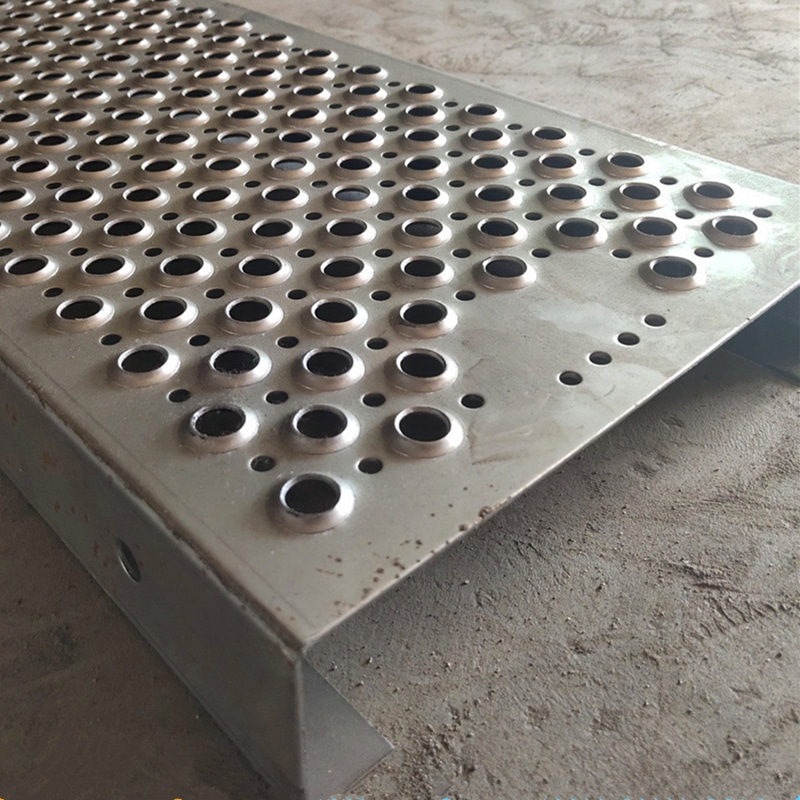
Bei schweren Lochblecharbeiten muss der Rand groß genug sein, um das Metall um das Lochmuster herum zu erhalten. Zu wenig Material zwischen der Schnittkante und der Perforation kann zu Rissen, Verformung beim Stanzen oder Rissbildung nach der Installation führen. Ein zu großer Rand ist zwar strukturell sicher, kann aber die offene Fläche verringern und die Anforderungen an Durchfluss, Abschirmung oder Aussehen verändern. Die richtige Antwort ist in der Regel eine ausgewogene: genügend Randfestigkeit, ohne die Funktion des Blechs zu beeinträchtigen.


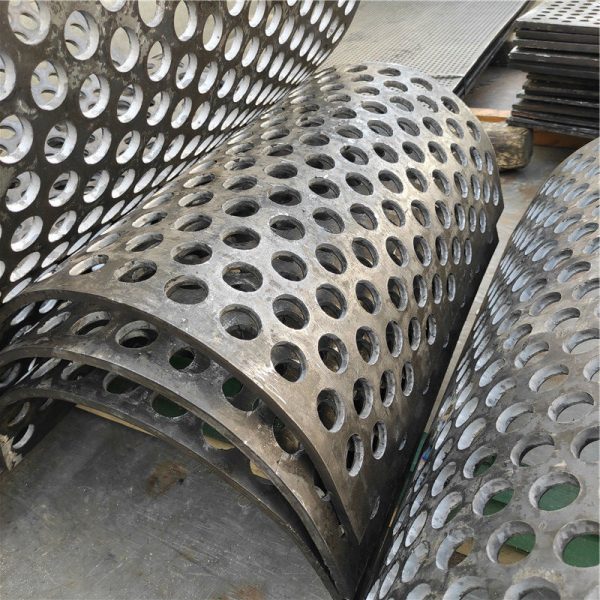
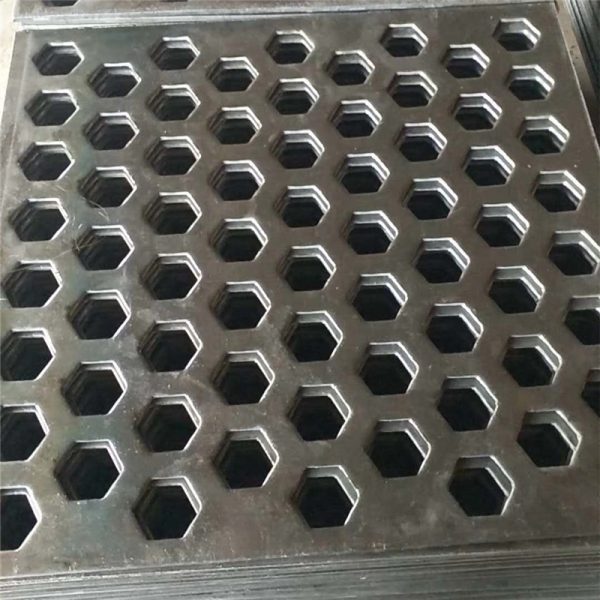


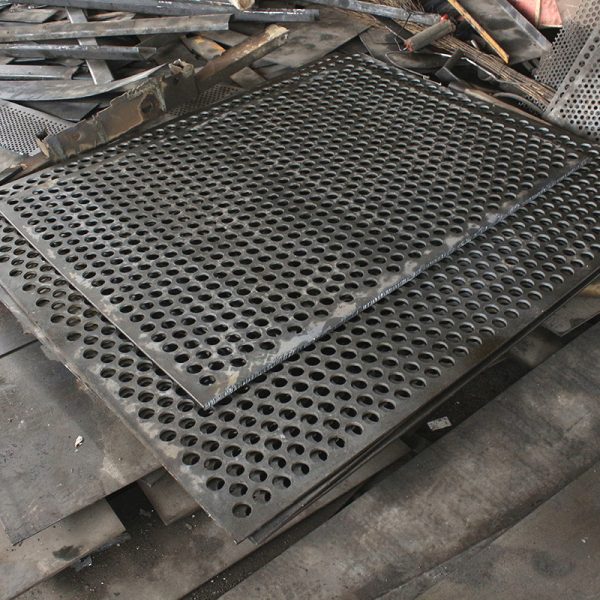
Hochbelastbare Lochbleche
Benötigen Sie ein individuelles Schwerlast-Lochblech?
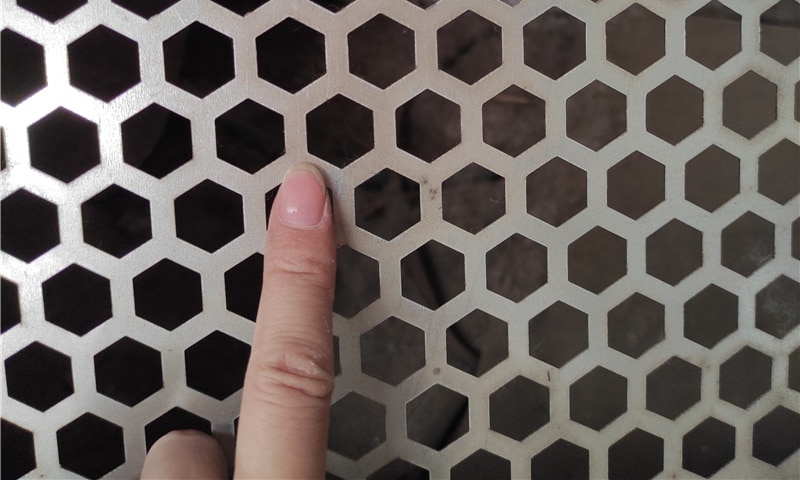
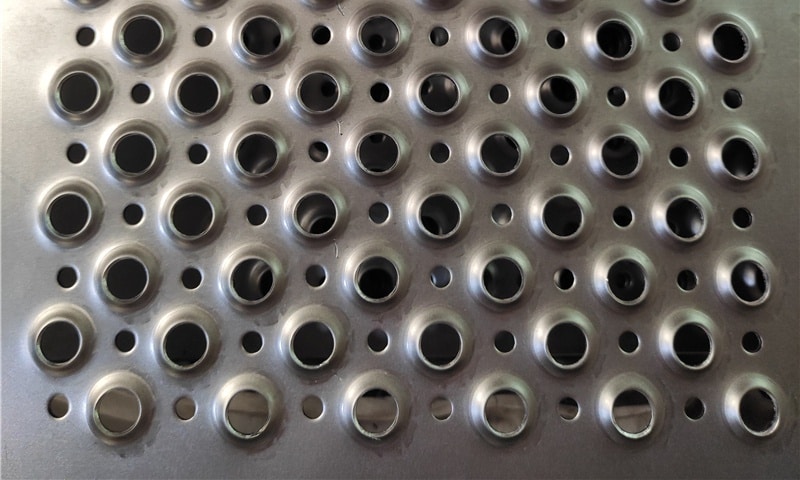
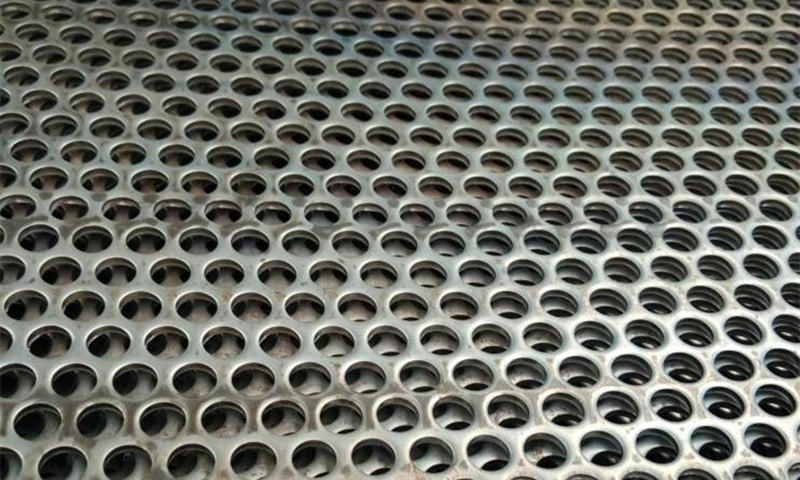
Wir bieten Lochbleche mit einer Dicke von 2,75 mm bis 30 mm und einer Größe von bis zu 6000×1500 mm an, die in runden, quadratischen, sechseckigen und geschlitzten Mustern erhältlich sind.
Darüber hinaus bieten wir präzisen Zuschnitt, Oberflächenschutz und andere Verarbeitungsdienstleistungen an, die auf die Anforderungen industrieller Anlagen zugeschnitten sind.
Sie können uns jederzeit kontaktierenund wir bieten Ihnen eine individuelle Lösung an, die perfekt auf Ihre Projektanforderungen zugeschnitten ist.
Warum es zu Rissen kommt, wenn der Spielraum zu klein ist
Risse werden selten durch einen einzigen Faktor verursacht. In den meisten Fällen sind sie das Ergebnis des Zusammenwirkens mehrerer Kräfte.
Ein schmaler Rand lässt weniger Metall übrig, das die Stanzspannung aufnehmen kann. Bei der Herstellung erzeugt der Stempel eine lokale Verformung um das Loch herum. Wenn das verbleibende Band zu dünn ist, kann sich der Rand übermäßig verformen oder Mikrorisse bilden, die später bei Vibrationen oder wiederholten Stößen wachsen.
Auch die Materialstärke spielt eine Rolle. Dickere Grobbleche erfordern in der Regel sorgfältigere Abstände, da die Stanzlast höher ist und der Spannungspfad konzentrierter ist. Die Lochgröße, die Lochform, die Ausrichtung des Musters und die Blechsorte beeinflussen alle den minimalen Sicherheitsabstand. Ein Blech aus rostfreiem Stahl verhält sich zum Beispiel anders als Kohlenstoffstahl oder verschleißfester Stahl. Die gleiche Ziehvorschrift führt nicht immer zur gleichen Leistung im Feld.
Hitze, Schweißen und Umformen können eine weitere Risikoebene darstellen. Wenn ein Lochblech in der Nähe der Kante geschweißt oder nach dem Stanzen gebogen wird, können sich Restspannungen ansammeln. Sobald das Blech in Betrieb genommen wird, kann sich diese Spannung in Form von Kantenrissen bemerkbar machen.
Praktische Randspannenrichtlinien für Ingenieure und Einkäufer
Es gibt keine allgemeingültige Zahl, die für jedes Perforationsmuster passt, aber es gibt zuverlässige Konstruktionsprinzipien, die helfen, Risse zu vermeiden.
In der Regel sollte der Randabstand zusammen mit der Blechdicke, dem Lochdurchmesser, dem Lochabstand und der Betriebslast bewertet werden. Bei dickeren Blechen und anspruchsvollen Anwendungen ist ein konservativer Randabstand normalerweise die sicherere Wahl. Bei vielen industriellen Projekten bevorzugen die Konstrukteure einen Rand, der der Kante genügend Metall gibt, um beim Stanzen und während der Lebensdauer des Teils stabil zu bleiben.
Wenn das Blech Vibrationen, Stößen oder Wechselbelastungen ausgesetzt ist, sollte der Abstand von Kante zu Loch als struktureller Parameter und nicht nur als Layout-Detail betrachtet werden. In diesen Fällen ist es besser, den Abstand geringfügig zu erhöhen, als sich darauf zu verlassen, dass das Material nach der Produktion “durchhält”. Bei kritischen Geräten ist die Herstellung von Prototypen oder die Freigabe von Mustern oft der beste Weg, um die Leistung vor der eigentlichen Produktion zu bestätigen.
So geben Sie den “Loch-zu-Kante-Abstand” in einer Zeichnung an
Klare Zeichnungen sparen Zeit, reduzieren Fehler und helfen sowohl dem Konstruktionsteam als auch dem Zulieferer, von den gleichen Voraussetzungen auszugehen. Wenn Sie den Abstand zwischen Bohrung und Kante korrekt angeben wollen, sollte Ihre Zeichnung drei Dinge unmissverständlich darstellen: wie der Abstand gemessen wird, von wo aus er gemessen wird und welche Toleranz zulässig ist.
Eine gute Beschriftung gibt z. B. direkt den Randstreifen an: Lochmitte bis Plattenrand = 12 mm oder Lochrand zu Plattenrand = 8 mm. Der Schlüssel liegt darin, Mehrdeutigkeiten zu vermeiden. Wenn das Konstruktionsteam Mittellinienmaße verwendet, sollten Sie dies deutlich machen. Wenn das Fertigungsteam den Abstand zwischen der nächstgelegenen Lochwand und der Plattenkante benötigt, geben Sie dies auf dem Druck an.
Hilfreich ist auch ein Vermerk wie z. B.:
“Halten Sie den Mindestrand von der Perforation bis zur fertigen Plattenkante wie gezeigt ein. Verringern Sie den Rand nicht ohne technische Genehmigung.”
Bei komplexen Mustern fügen Sie eine Detailansicht des Eckbereichs hinzu. Dies ist besonders nützlich, wenn die erste Lochreihe nahe am Rand beginnt oder wenn die Platte nicht standardmäßige Konturen hat. Eine einfache Skizze mit einer beschrifteten Bemaßung ist oft effektiver als ein langer Absatz mit Notizen.

Empfohlene Zeichnungshinweise für Schwerlast-Lochbleche
Bei der Angabe eines Lochrandes für Schwerlastbleche sollte die Zeichnung sowohl die Absicht als auch die Produktionskontrolle vermitteln. Fügen Sie zusätzlich zum Lochrandmaß Hinweise zu folgenden Punkten hinzu:
- ob die Kante gestanzt, beschnitten, lasergeschnitten oder geschert ist
- ob die Richtung des Grats eine Rolle spielt
- ob Ecken eine besondere Verstärkung erfordern
- ob Nachbearbeitungen wie Entgraten oder Spannungsabbau erforderlich sind
- ob der Rand für alle Seiten oder nur für ausgewählte Seiten gilt
Diese Details verringern die Wahrscheinlichkeit, dass ein Lieferant die Zeichnung anders interpretiert als Ihr Konstruktionsteam. In der B2B-Fertigung ist diese Art von Klarheit oft das, was ein reibungsloses Projekt von einer kostspieligen Revision trennt.
Wie Zulieferer vor der Produktion den Randbereich überprüfen sollten
Ein guter Lieferant sollte nicht einfach das Muster stanzen und dann weitermachen. Bevor die Produktion beginnt, sollte der Lieferant die Marge im Hinblick auf die Materialstärke, die Lochgeometrie, die Maschinenkapazität und den endgültigen Verwendungszweck überprüfen. Dies ist besonders wichtig für Schwerlast-Lochbleche, da diese oft unter härteren Bedingungen arbeiten als Standard-Dekorplatten.
In der Angebotsphase sollte ein kompetenter Verarbeiter jeden Rand, der riskant erscheint, kennzeichnen. Wenn der Rand zu klein ist, sollte er ein neues Design, ein größeres Blechformat, eine andere Lochanordnung oder eine Prozessanpassung empfehlen. Diese Art der frühzeitigen Rückmeldung ist wertvoll, weil sie sowohl den Käufer als auch den Hersteller vor vermeidbaren Fehlern schützt.
Letzte Erkenntnis
Der Rand einer perforierten Platte ist keine Restzone. Er ist Teil der Arbeitsstruktur. Wenn die Schwerlast-Lochblech-Randstreifen Wenn das Blech richtig konstruiert ist, ist es wahrscheinlicher, dass es rissfest ist, seine Form beibehält und auch bei anspruchsvollen Einsätzen zuverlässig funktioniert.
Für Konstruktions- und Beschaffungsteams ist die beste Praxis einfach: Definieren Sie den Abstand zwischen Bohrung und Kante klar, überprüfen Sie ihn anhand der Anwendung und vermeiden Sie es, den Rand zu verkleinern, nur um die offene Fläche zu maximieren. Bei hoher Beanspruchung macht sich eine stärkere Kante fast immer durch längere Lebensdauer und weniger Ausfälle bezahlt.