Why Slip Resistance Matters in Industrial Walkways
In industrial environments, a walkway is not just a path from one point to another. It is part of the safety system. When employees move between platforms, mezzanines, catwalks, maintenance areas, or production lines, the surface underfoot directly affects accident risk.
A Slip Resistant Walkway Safety Grating is designed to improve footing in places where moisture, oil, dust, or debris can turn a normal walking surface into a hazard. For plant managers, engineers, and procurement teams, the goal is simple: reduce the chance of slips without sacrificing drainage, airflow, or structural performance.
That is where perforated safety grating earns its place. It combines traction, durability, and practical maintenance advantages in one engineered surface.
Understanding COF: The Real Measure Behind Traction
The term COF, or coefficient of friction, is one of the most important concepts in slip resistance. In plain terms, COF describes how much resistance exists between a shoe sole and the walking surface. The higher the friction, the more grip a person typically has when walking.
But COF is not a standalone promise. Real-world slip performance depends on several factors:
Static vs. dynamic conditions
A floor may feel safe when dry and become hazardous the moment water, grease, or process residue appears. That is why slip resistance should be evaluated in the conditions where the grating will actually be used, not just in a clean lab environment.
Surface texture and contact points
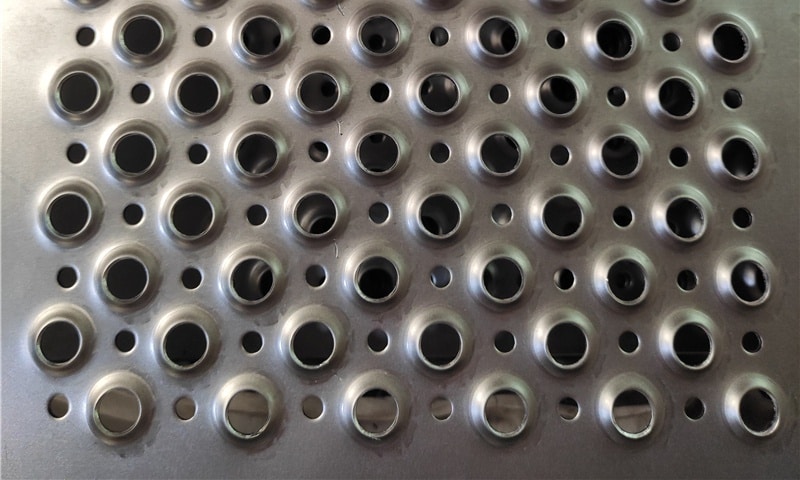
A smooth surface may offer little resistance once contaminated. By contrast, a perforated surface creates more contact edges, which can help footwear maintain traction. The design details matter just as much as the material itself.
Contaminants change everything
Dust, hydraulic oil, coolant, rainwater, and ice can all reduce friction. A good Slip Resistant Walkway Safety Grating is built to stay dependable even when the walking environment is less than ideal.


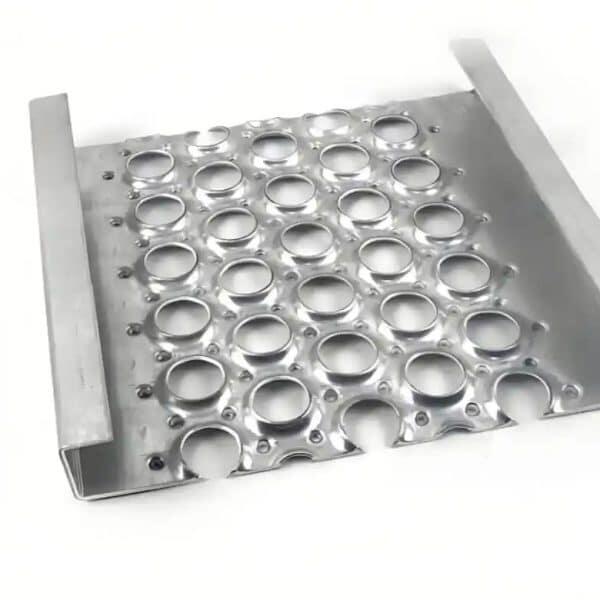
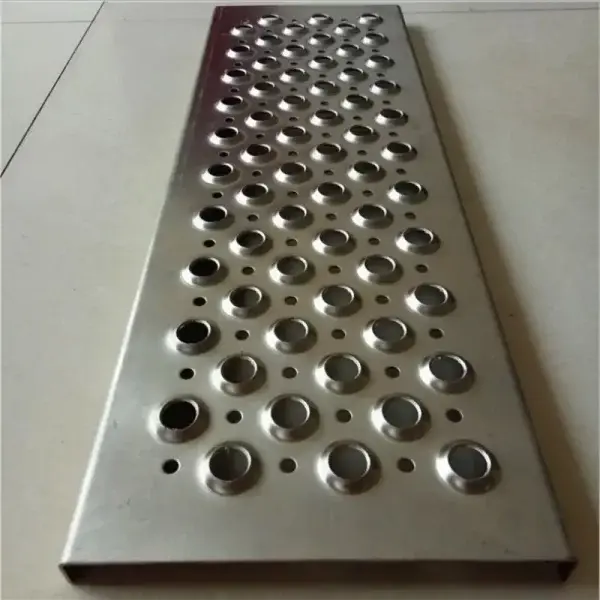
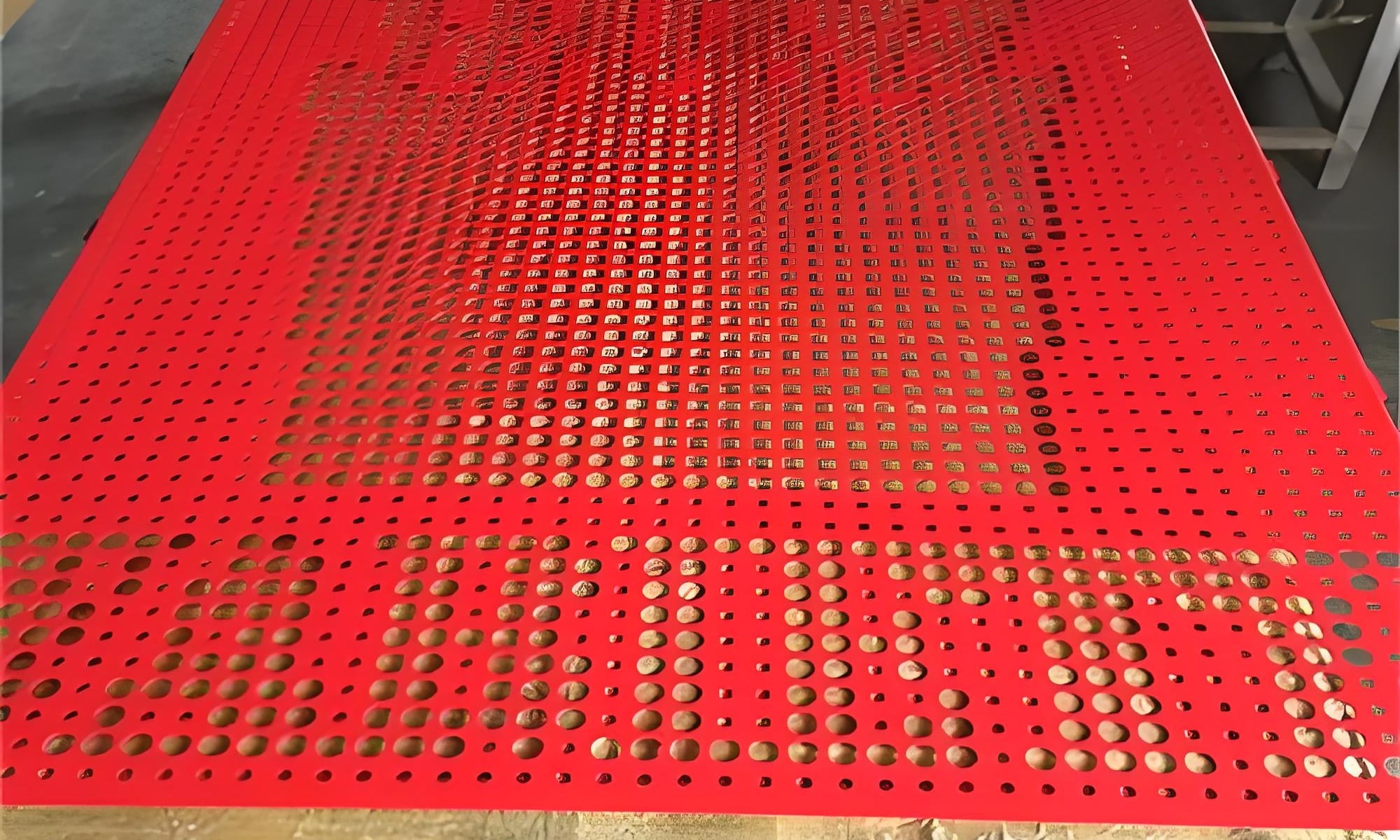
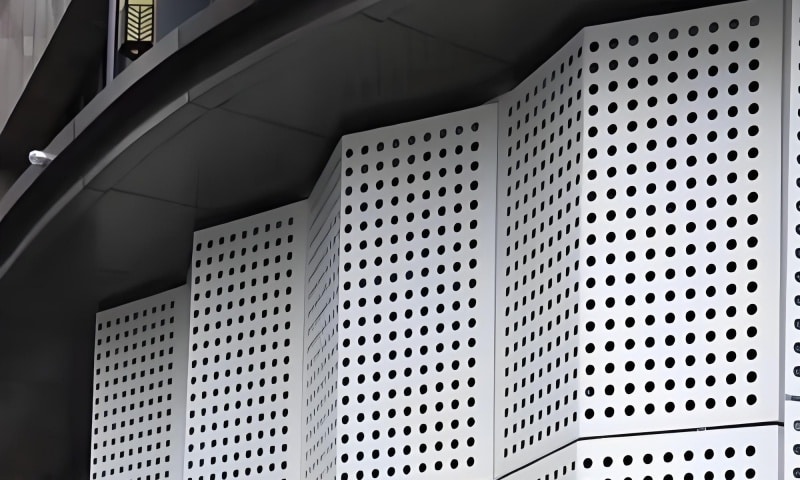
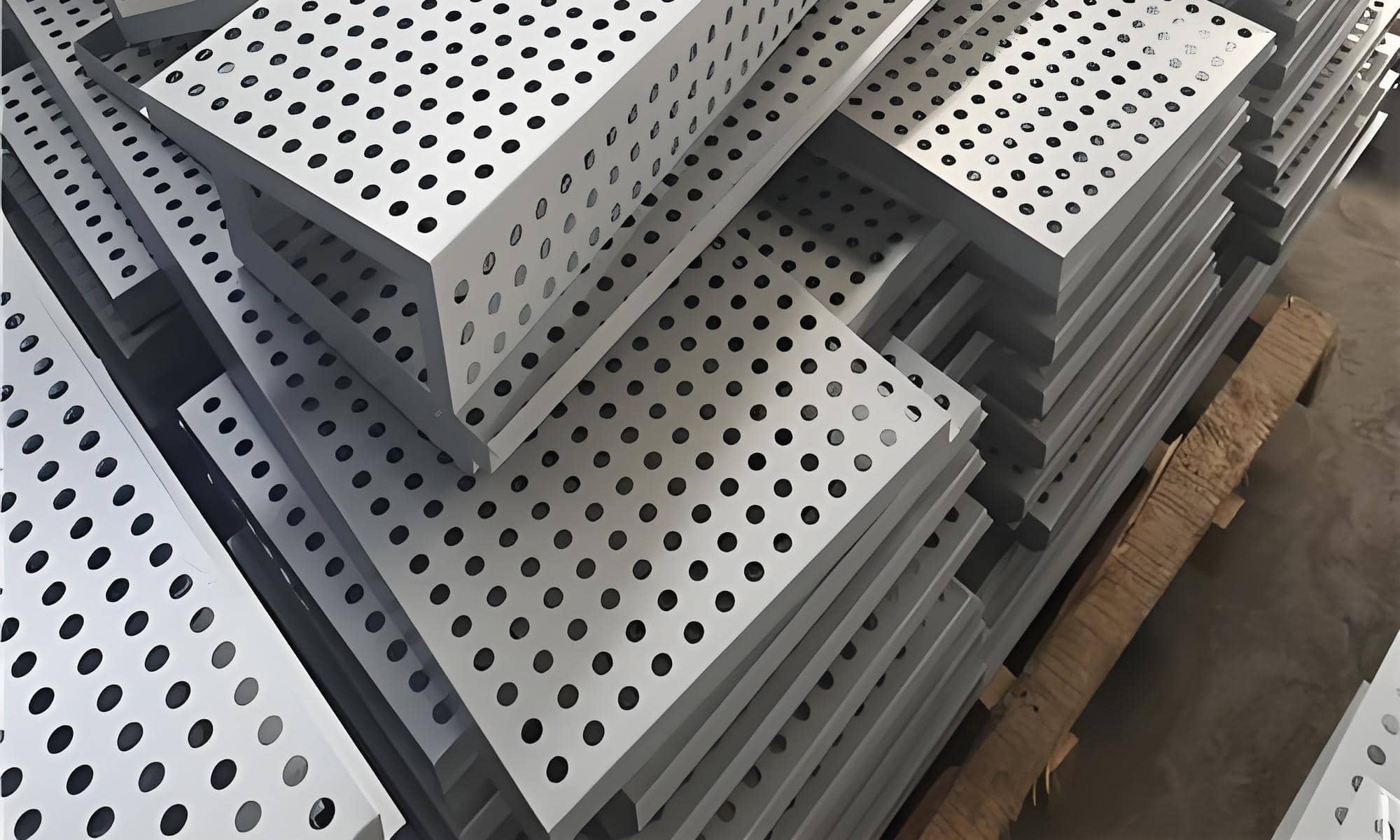
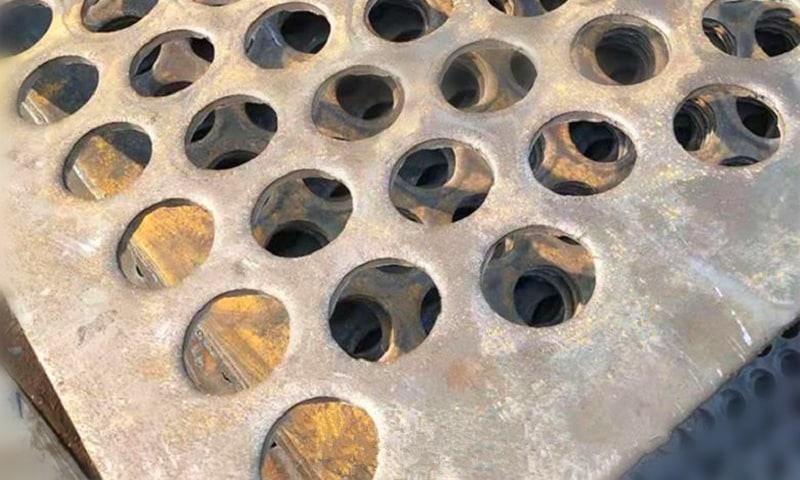
Perforated Safety Grating
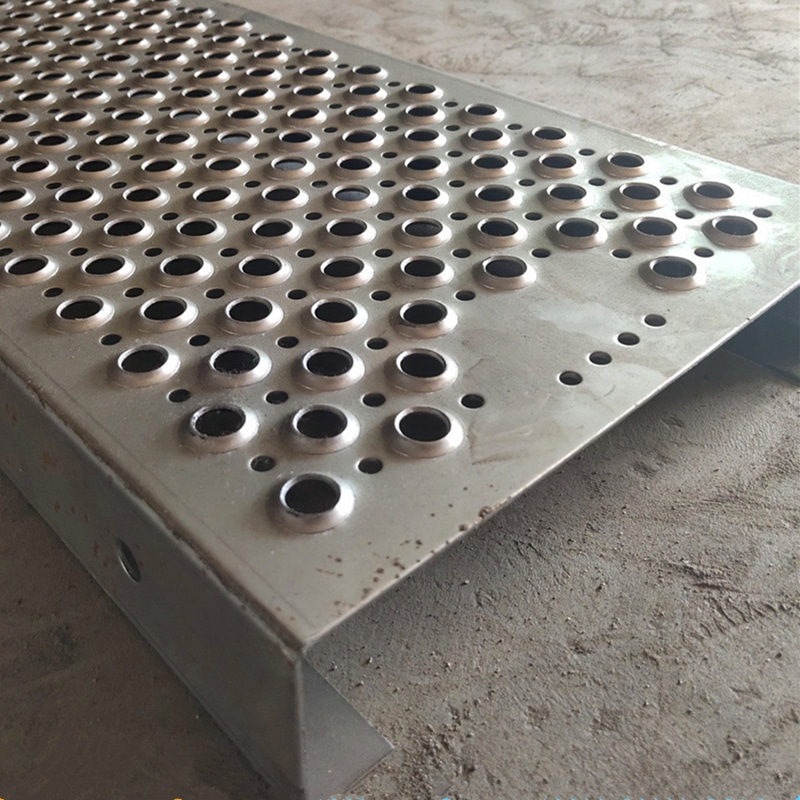
Engineered perforated safety grating plate for industrial access systems.
Designed to provide slip resistance, drainage and structural strength in demanding environments such as manufacturing plants, utilities and processing facilities.
Commonly specified for:
- Stair treads and step assemblies
- Elevated walkways and access platforms
- Industrial ramps and service catwalks
Available in multiple metals and custom-fabricated to project requirements.
You can click on the product image to view the specific producible parameters or place an order.
How Perforation Design Improves Grip
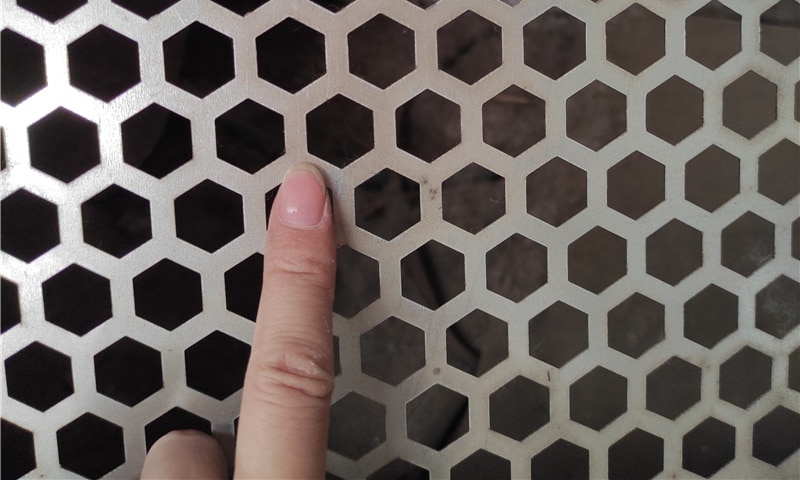
Not all perforated grating performs the same way. Hole shape, hole size, spacing, and pattern layout all influence how the surface behaves underfoot.
Round holes for balanced drainage and traction
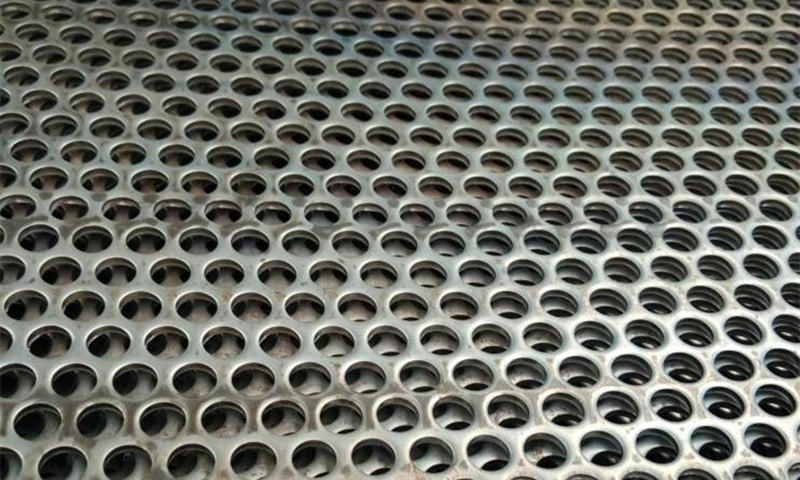
Round perforations are often chosen because they offer a practical balance between open area, strength, and footing. They allow liquids to pass through while leaving enough metal around each opening to support stable foot placement.
Slotted holes for directional drainage
Slotted patterns can help channel water or light debris away from the walking zone. In some applications, that directional flow improves performance in wet areas where puddling would otherwise create a slip risk.
Staggered layouts for more edge contact
A staggered perforation pattern can increase the number of edges that interact with footwear. That added edge contact can improve perceived grip, especially on oily or damp surfaces where plain flat steel would be less reliable.
Smaller openings where traction is critical
In high-risk areas, tighter perforation spacing may deliver a more secure walking feel. The tradeoff is that open area may decrease slightly, so the right balance depends on drainage needs, load requirements, and maintenance conditions.

Wet and Oily Environments Demand Better Surface Control
The biggest value of a Slip Resistant Walkway Safety Grating shows up in demanding environments. Manufacturing plants, food processing areas, utility platforms, wastewater facilities, and maintenance corridors often deal with constant exposure to moisture or residue.
When water is the main issue
Rain, washdown water, and condensation can collect quickly on flat walking surfaces. Perforated grating helps reduce standing liquid by allowing water to move through the panel instead of sitting on top of it.
When oil and grease are involved
Oil is more challenging than water because it reduces friction more aggressively. In these environments, hole design alone is not enough. Surface geometry, edge definition, and cleaning access all matter. A well-designed perforated grating gives workers a more dependable walking surface than smooth plate or worn painted flooring.
When debris is part of the problem
Dust, shavings, mud, and small particulate matter can also make surfaces slippery. Perforated panels are often easier to flush clean, which helps keep the walkway more predictable over time.
Why Safety Grating Is More Than a Slip Solution
People often think of grating only in terms of traction. In practice, the best systems do much more than that.
Better drainage supports safer operations
A walkway that drains well is easier to maintain and less likely to develop hidden hazards. That matters in outdoor installations, washdown zones, and elevated service paths.
Visibility helps workers move with confidence
Perforated surfaces can provide visual cues that help employees understand where the walking path begins and ends. In complex facilities, that can support safer movement, especially near machinery or access points.
Maintenance access stays practical
Unlike coatings that can wear down or peel, metal grating offers a more durable long-term solution. It can handle repeated foot traffic, cleaning cycles, and industrial use without depending on frequent refinishing.
Choosing the Right Slip Resistant Walkway Safety Grating
Selecting the right panel is not just about picking a pattern that looks safe. It is about matching the grating to the environment.
Start with the surface condition
Ask a simple question: will the walkway be dry most of the time, or is it routinely exposed to water, oil, dust, or process residue? The answer should guide the hole pattern and material choice.
Consider foot traffic and load requirements
A maintenance walkway does not have the same demands as a heavy-use platform in a production facility. Load capacity, support spacing, and panel thickness should be reviewed together with slip resistance.
Match the design to cleaning practices
If the surface must be washed frequently, the grating should support fast drainage and easy cleanup. If debris tends to collect, the perforation pattern should help prevent buildup without creating maintenance headaches.
Think beyond one feature
A safer walkway is usually the result of several good decisions working together: proper perforation design, correct material selection, solid installation, and routine inspection.
The Business Case for Better Traction
For B2B buyers, the value of a Slip Resistant Walkway Safety Grating goes beyond compliance language. Slips and falls can disrupt operations, create avoidable costs, and damage confidence on the shop floor.
A better walking surface can help support:
- fewer slip-related incidents
- more reliable access for maintenance teams
- improved drainage in problem areas
- longer service life than coated alternatives
- a cleaner, more professional industrial appearance
In many facilities, that combination makes perforated safety grating a practical investment rather than just a safety upgrade.
Final Thoughts
A well-designed Slip Resistant Walkway Safety Grating does more than look industrial. It helps create a safer walking surface by improving traction, supporting drainage, and performing reliably in wet or oily conditions.
When the perforation pattern is matched to the operating environment, the result is a walkway that feels more stable, works harder, and supports safer day-to-day movement across the facility.