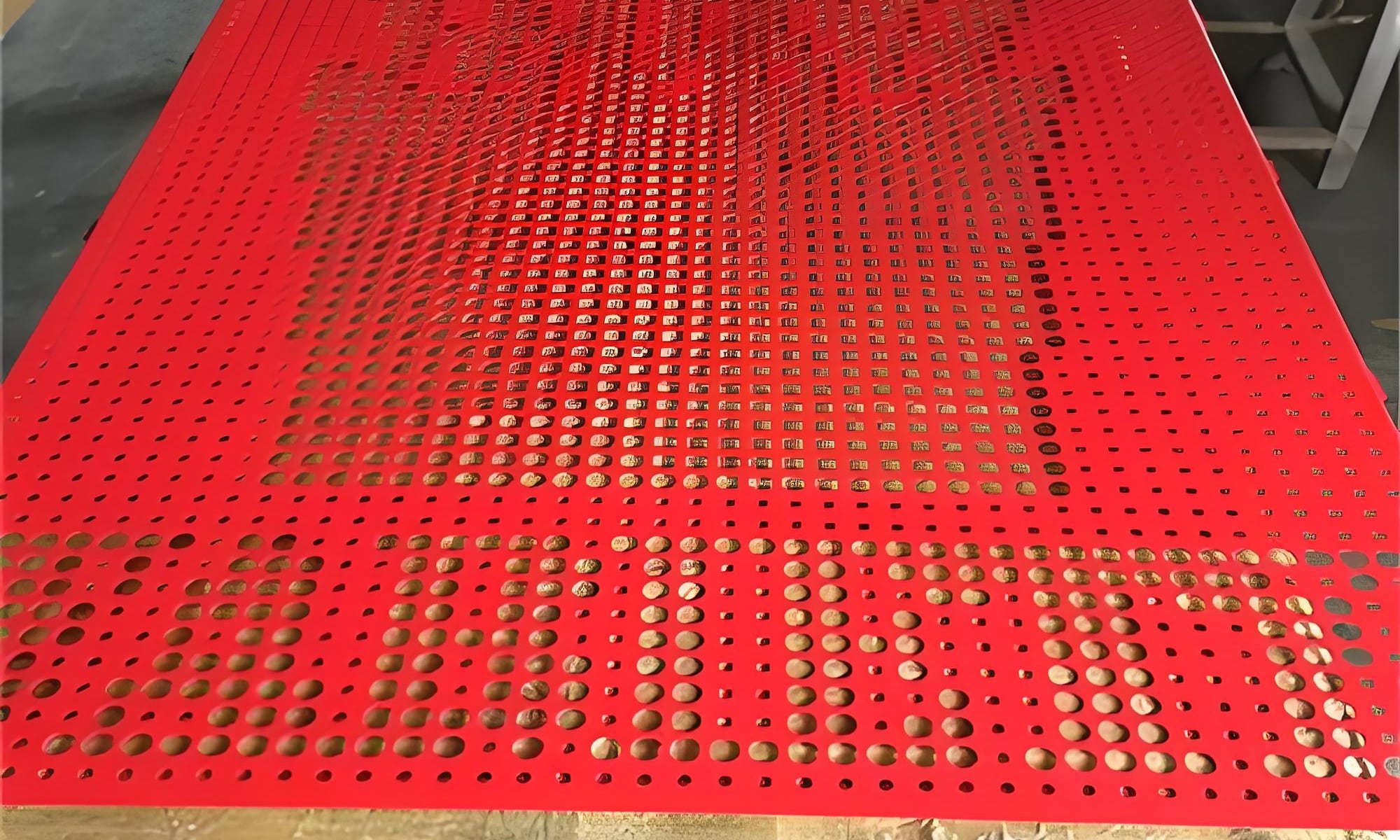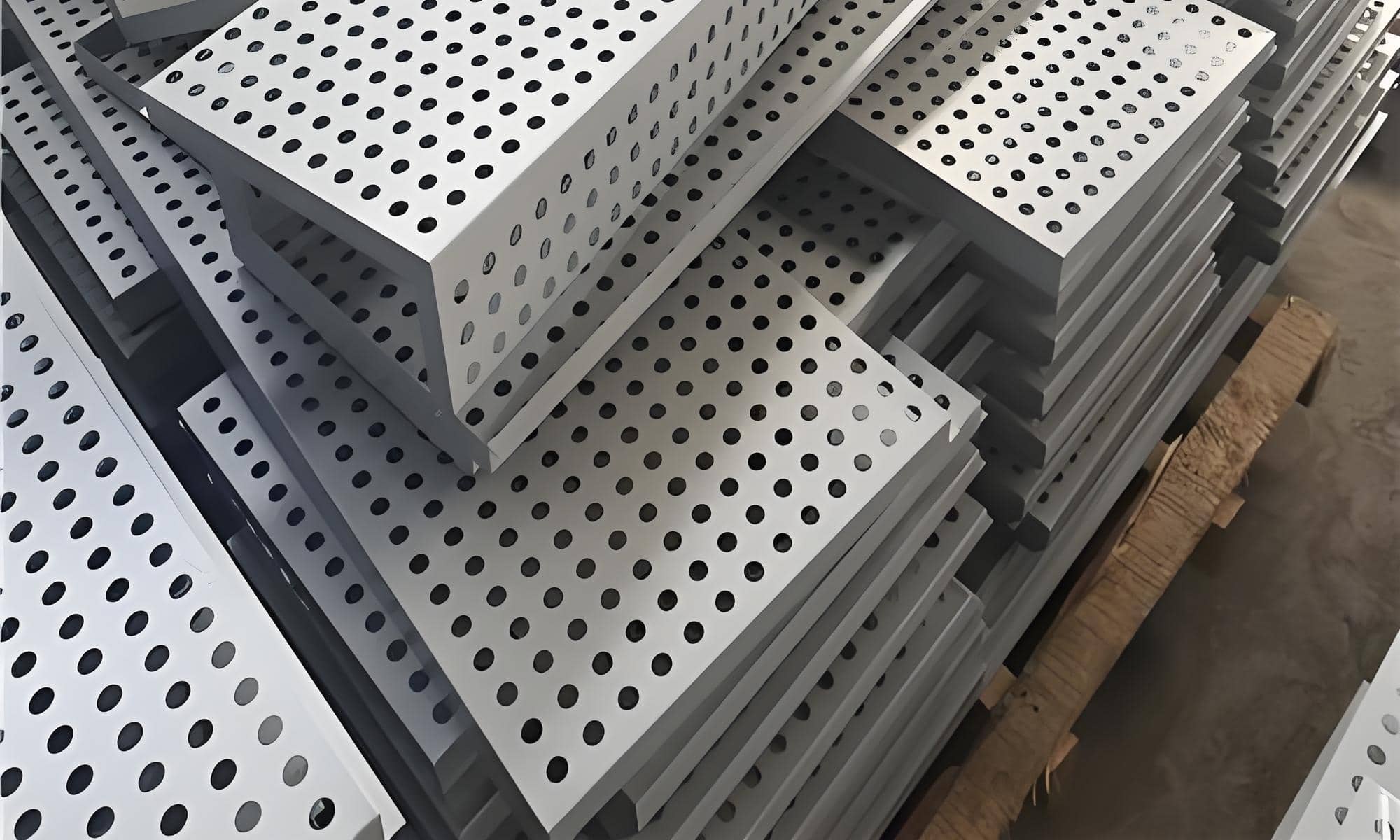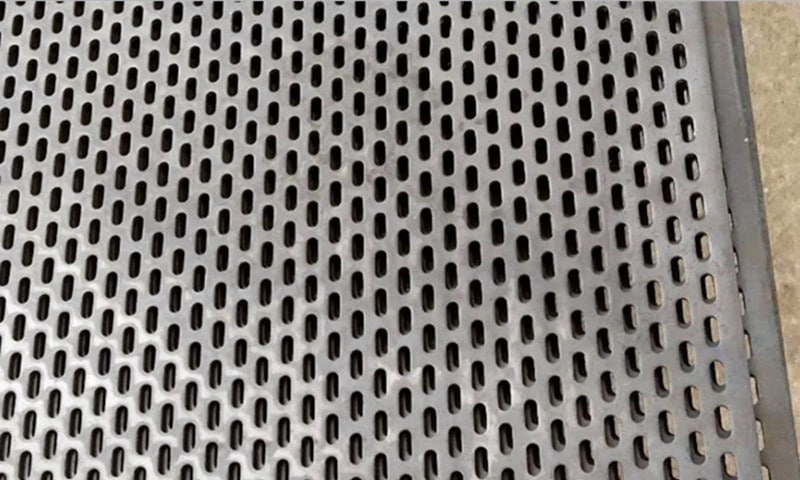
Why Honeycomb Perforations Behave Differently from Round Hole Patterns
When engineers select perforated carbon steel sheets, the open area ratio is usually one of the first specifications reviewed. However, the shape and arrangement of the perforations also influence how a panel performs under real working conditions.
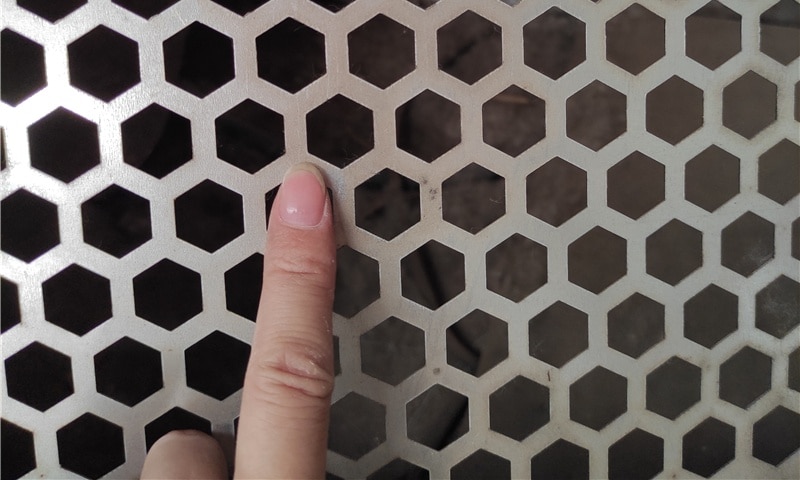
Hexagonal perforations, often called honeycomb patterns, create a continuous geometric structure that distributes material more efficiently compared with many traditional hole layouts. The close-packed arrangement allows more open space while maintaining a stable connection between the remaining metal areas.
For applications where airflow, visibility, weight reduction, and panel stiffness need to be balanced, hex perforated carbon steel sheets can provide a practical alternative to standard round hole designs.
The honeycomb appearance is not only a visual feature. The pattern changes how forces move through the sheet, especially when the panel is used as a protective cover, enclosure component, or architectural screen.
How Honeycomb Patterns Influence Panel Strength and Stability
Efficient Material Distribution Through Hexagonal Geometry
A perforated sheet loses part of its original strength because sections of the metal are removed. The challenge is creating enough open area without weakening the remaining structure.
Hexagonal perforations are arranged with shared edges between openings, creating a consistent metal framework across the sheet. This geometry helps maintain more uniform load distribution compared with irregularly arranged openings.
In industrial applications, this can be useful for panels that need to resist vibration, minor impacts, or repeated handling while still allowing ventilation or visibility.
However, the actual performance depends on several factors:
- Sheet thickness
- Hole size
- Hex pattern arrangement
- Open area percentage
- Material grade
- Panel support method
A honeycomb pattern alone does not guarantee higher strength. Engineers need to evaluate the complete design together.
Open Area Considerations for Honeycomb Perforated Panels
Balancing Airflow, Visibility, and Structural Requirements
One reason honeycomb perforated panels are widely used is their ability to achieve a high open area percentage while maintaining a visually balanced surface.
For equipment guards and ventilation covers, open area affects airflow efficiency and heat dissipation. For architectural applications, it controls transparency, lighting effects, and visual privacy.
For example, a perforated enclosure around industrial equipment may require enough ventilation to prevent overheating while still protecting operators from moving components. A decorative screen may require a different balance, prioritizing appearance and light transmission.
The correct open area selection should always be based on the function of the panel rather than appearance alone.
Applications Where Hex Perforated Carbon Steel Sheets Perform Well
Equipment Guards and Protective Covers
Honeycomb perforated panels are commonly used for machine covers, safety guards, and equipment enclosures where visibility and airflow are important.
The pattern allows operators to observe equipment conditions while maintaining a physical barrier. When properly processed, the edges can be made safer for frequent contact during maintenance operations.
Architectural Screens and Decorative Panels
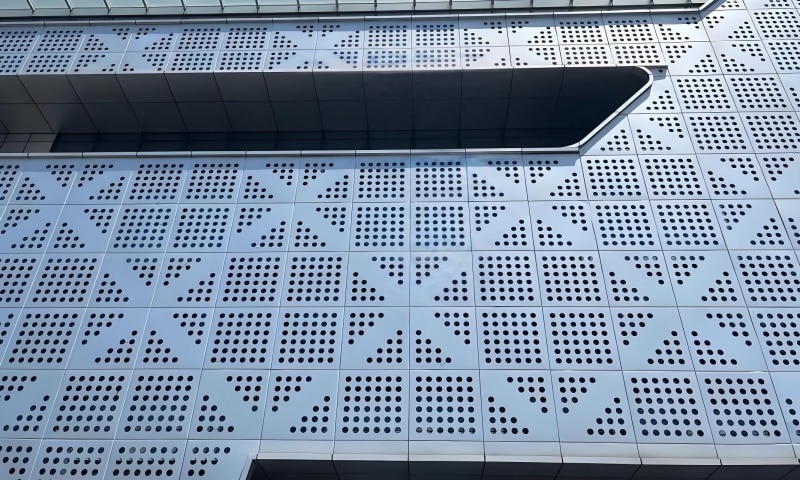
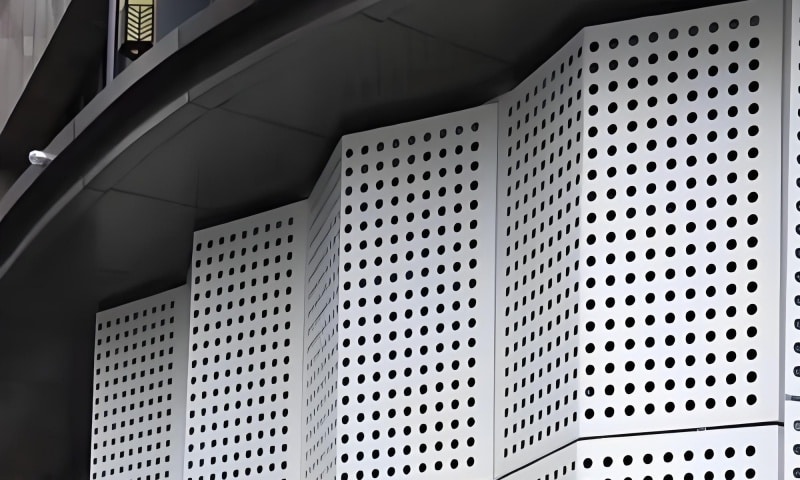
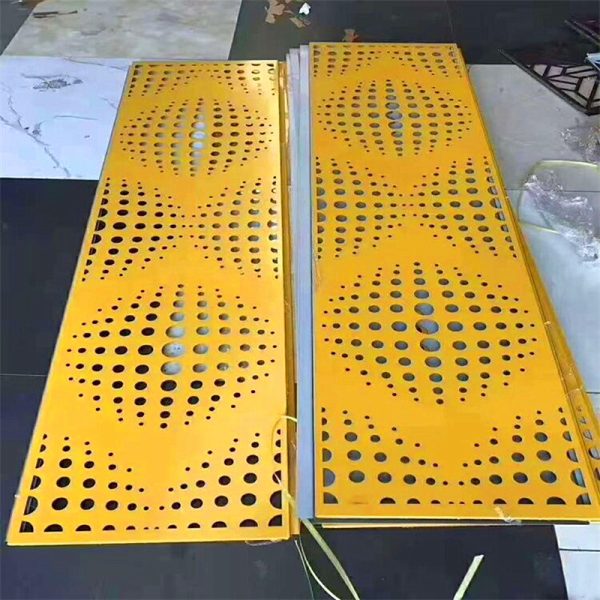
In architectural projects, honeycomb perforated panels are valued for their geometric appearance and ability to create changing visual effects under different lighting conditions.
Carbon steel provides a durable base material that can be finished with powder coating, painting, or other surface treatments depending on environmental requirements.
These panels are often used for:
- Interior partitions
- Exterior facade elements
- Privacy screens
- Ceiling features
- Decorative wall panels
The final appearance depends heavily on hole accuracy, surface quality, and finishing consistency.
Why Deburring Matters More Than Many Buyers Expect
Hole Edges Affect Safety, Handling, and Final Appearance
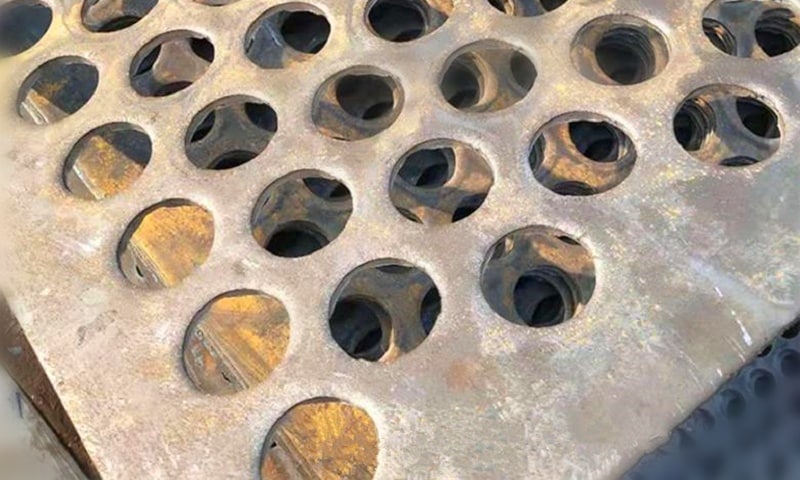
During perforation, the punching process creates small burrs around the openings. The size and sharpness of these burrs depend on factors such as material thickness, tooling condition, machine settings, and production speed.
For decorative applications, rough edges can affect the visual quality and make surface finishing more difficult. For protective covers or panels handled during installation, sharp edges can create safety concerns.
Professional deburring processes help remove unwanted sharp edges and improve:
- Operator safety during installation
- Surface appearance
- Coating consistency
- Panel handling quality
The required level of deburring depends on the application. A machine enclosure accessed frequently by workers may require more edge treatment than a panel installed in a protected architectural location.


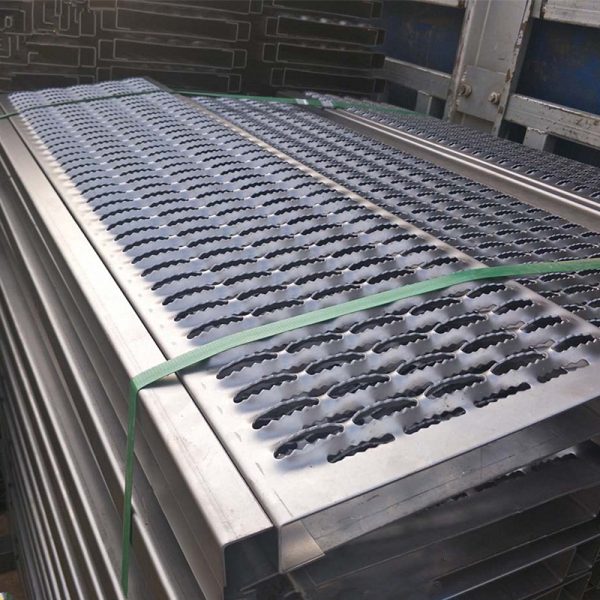

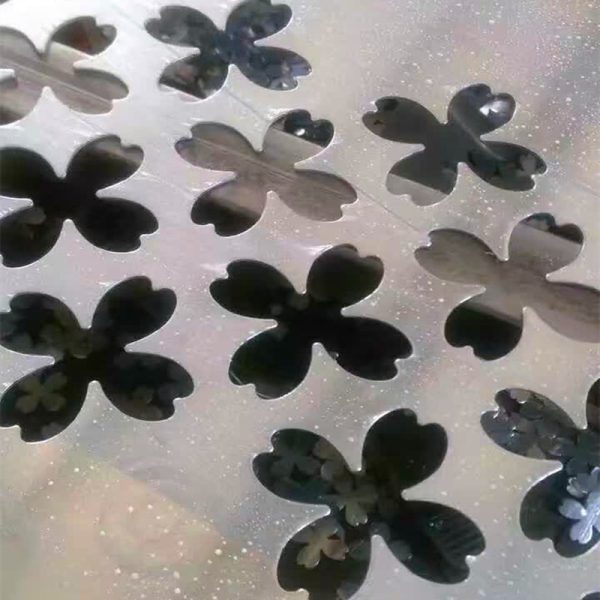
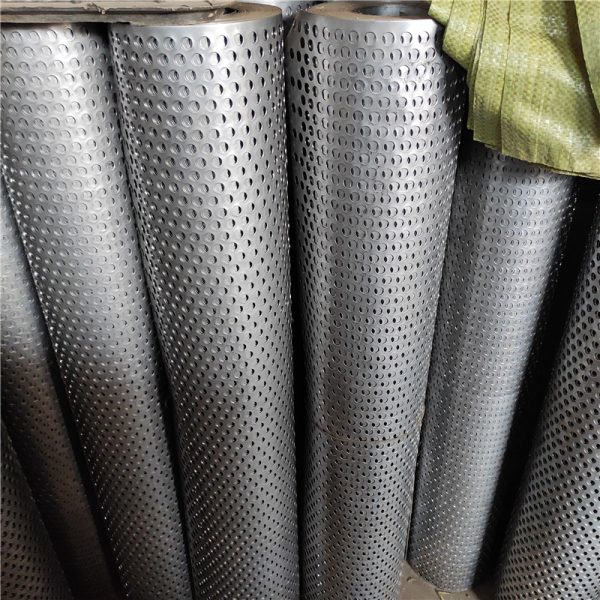
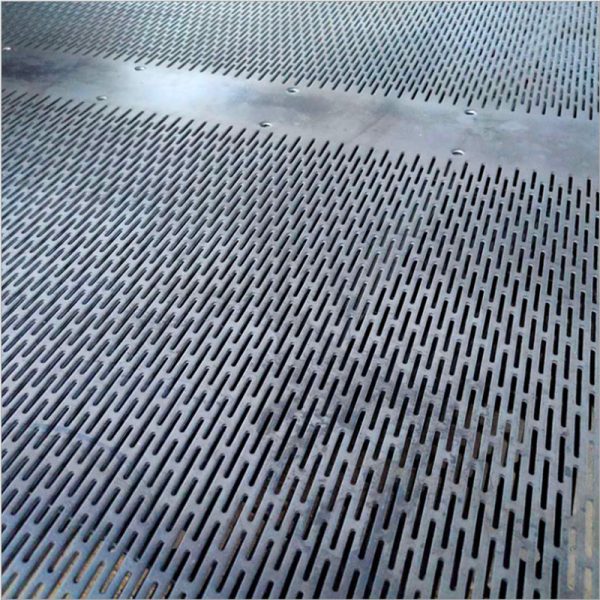
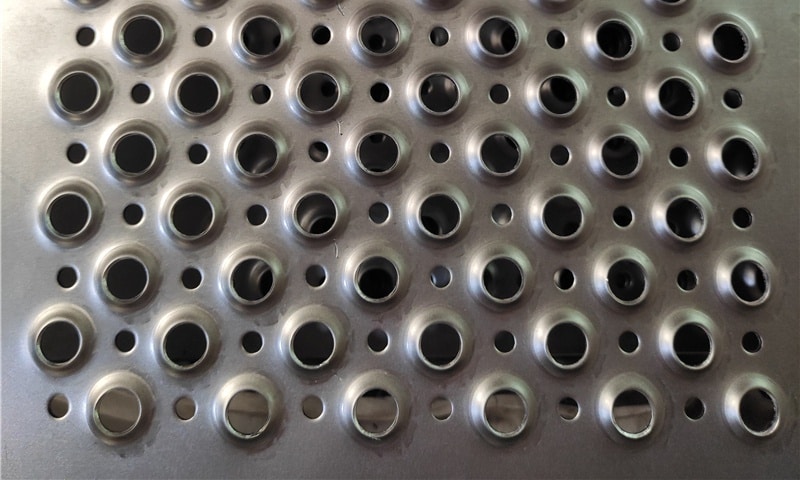
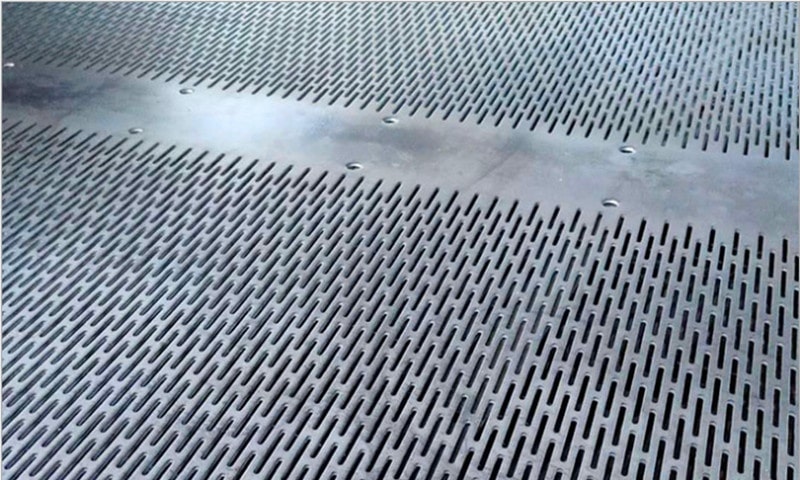
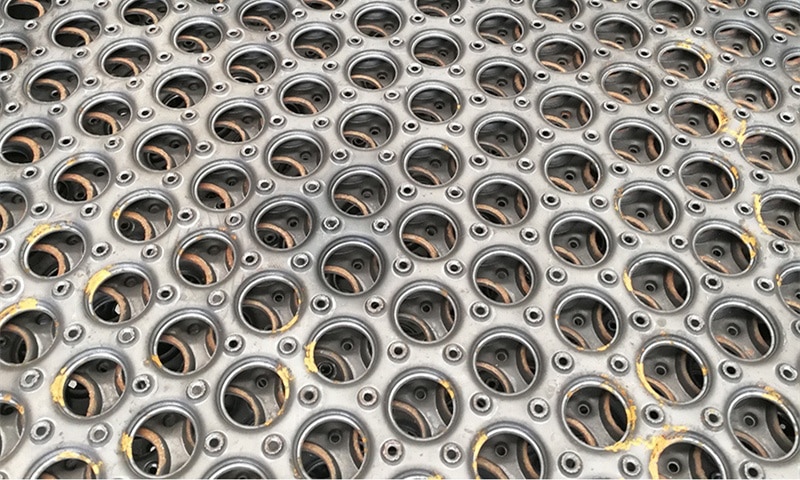
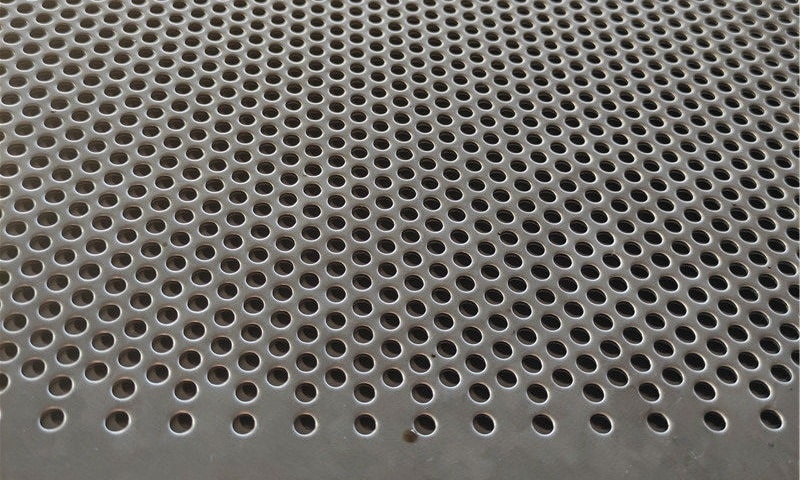
Carbon Steel Perforated Metal Sheets
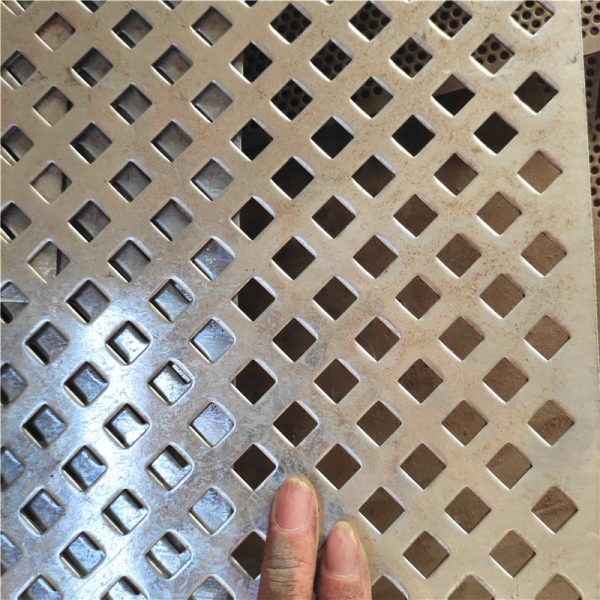
Producing hex perforated carbon steel sheets requires more than selecting a honeycomb punching pattern. The relationship between material thickness, tooling accuracy, hole consistency, and edge condition determines the final panel performance. In our manufacturing process, production parameters are adjusted according to the application requirements, including open area targets, panel strength considerations, and surface handling expectations. Hexagonal perforation requires precise alignment because small variations can affect the visual consistency of large panels. After perforation, deburring and surface preparation are carefully controlled to reduce sharp edges and improve finishing results. This approach helps ensure that honeycomb perforated panels are suitable for both functional industrial applications and architectural projects where appearance and safety are equally important.