Understanding the Function Behind Raised Perforated Aluminum
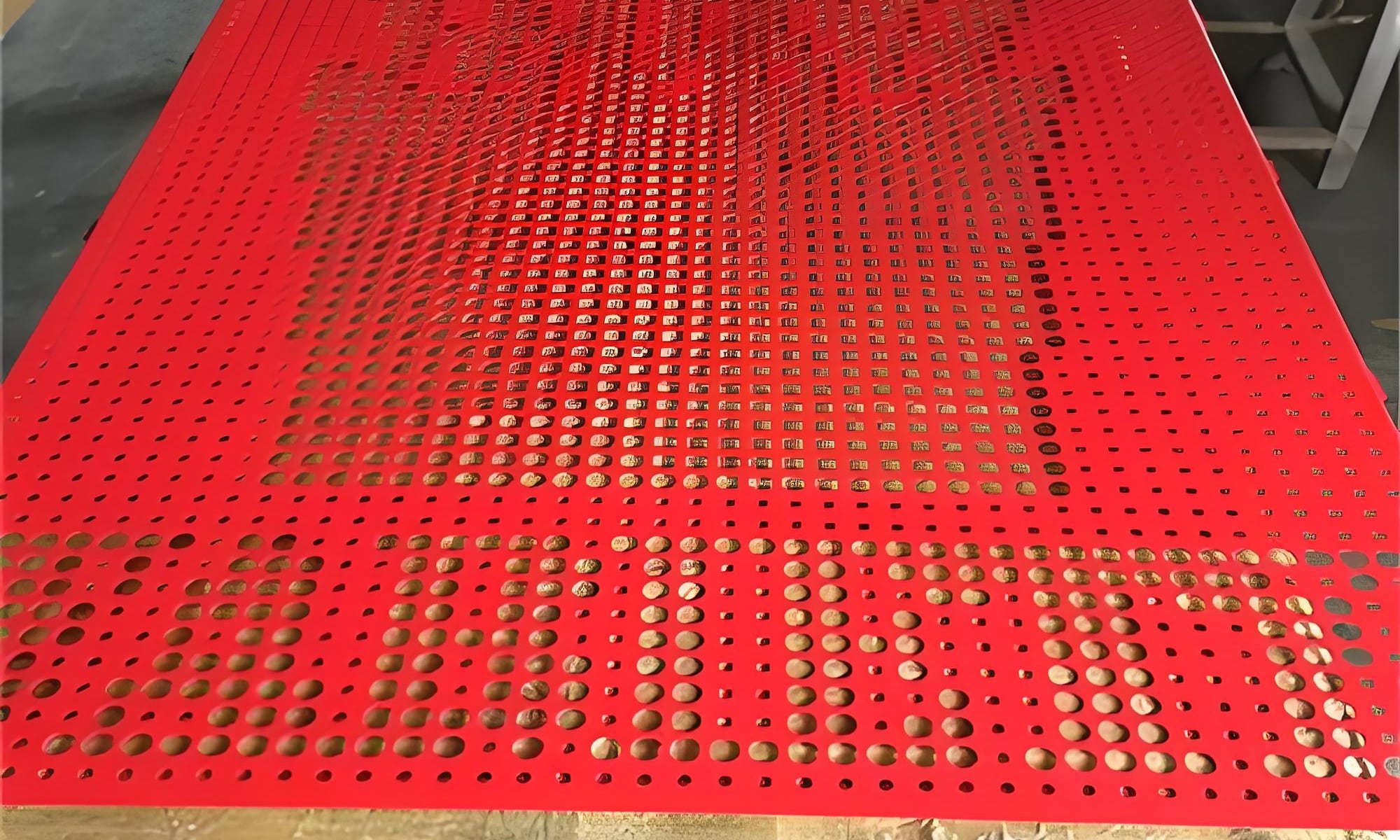
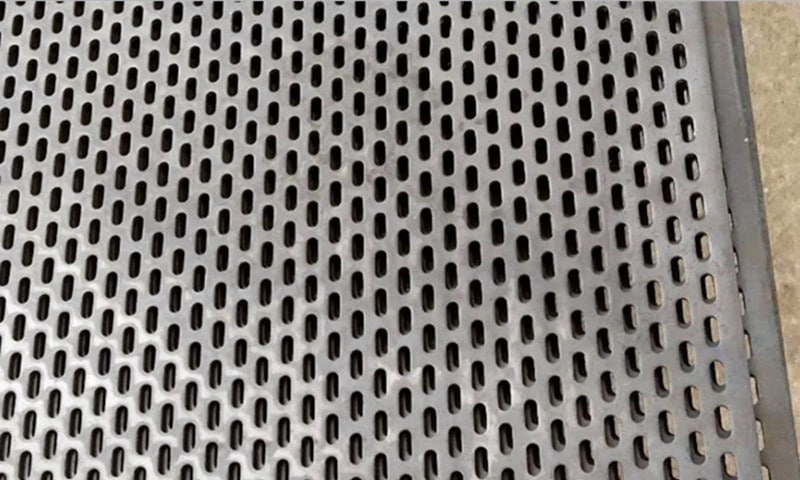
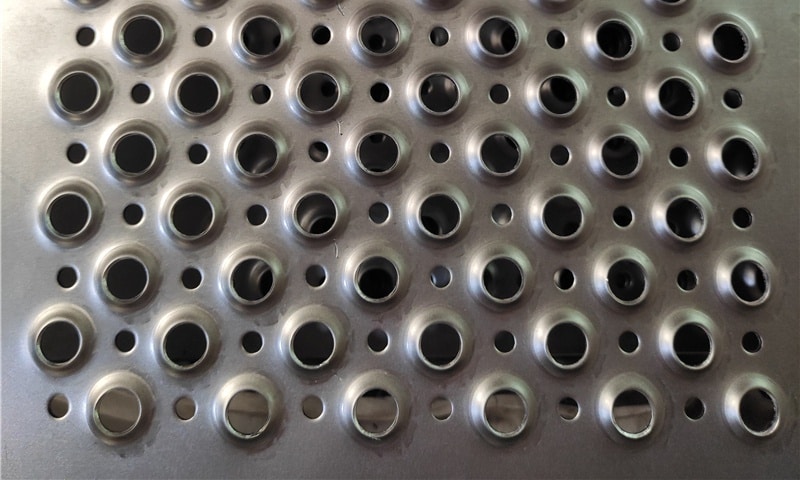
Raised perforated aluminum, also known as dimpled perforated sheet, is often selected for its unique three-dimensional appearance. However, its value goes beyond visual design. The raised surface changes how the sheet interacts with people, equipment, and airflow.
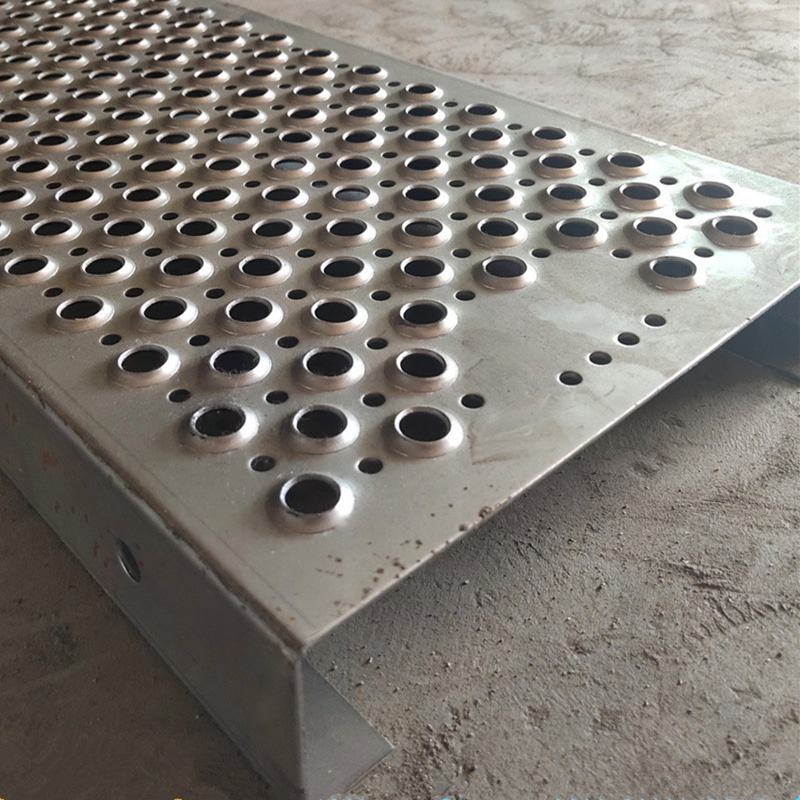
Unlike standard flat perforated aluminum sheets, the formed dimples create additional surface texture and depth. This can improve slip resistance, reduce direct contact areas, and provide a more functional surface in applications where both performance and appearance matter.
For engineers and designers, the key consideration is not only how the panel looks after installation, but how the forming process affects strength, durability, and long-term performance.
Where Raised Perforated Aluminum Is Commonly Used
Anti-Slip and Functional Applications
One of the main reasons customers choose raised perforated aluminum is improved traction. The embossed surface creates small raised areas that help increase grip compared with a flat metal surface.
Typical applications include:
- Walkway panels and access platforms
- Equipment covers and service areas
- Stair treads and protective flooring components
- Vehicle and transportation interior panels
In these situations, the pattern design, opening size, and forming height need to work together. Excessive embossing may affect flatness, while insufficient height may not provide the expected surface performance.
Architectural and Decorative Applications
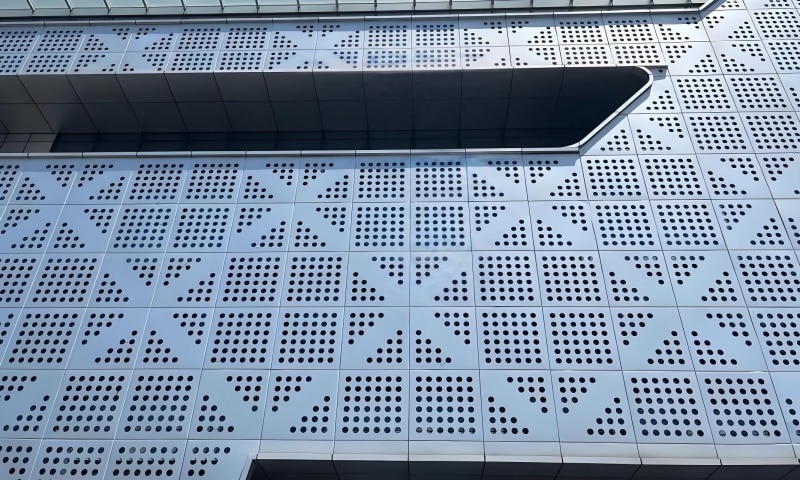
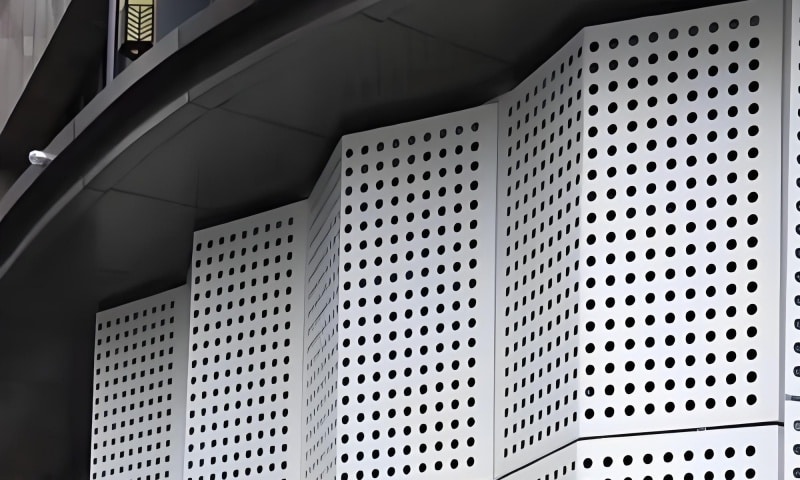
Raised perforated aluminum is also widely used in architectural projects where designers need depth, shadow effects, and visual texture.
Common examples include:
- Interior wall panels
- Ceiling systems
- Decorative partitions
- Building facades and screening panels
The raised pattern can create different light reflections throughout the day, giving surfaces a more dynamic appearance than traditional flat perforated sheets.
Thickness and Forming Considerations During Production
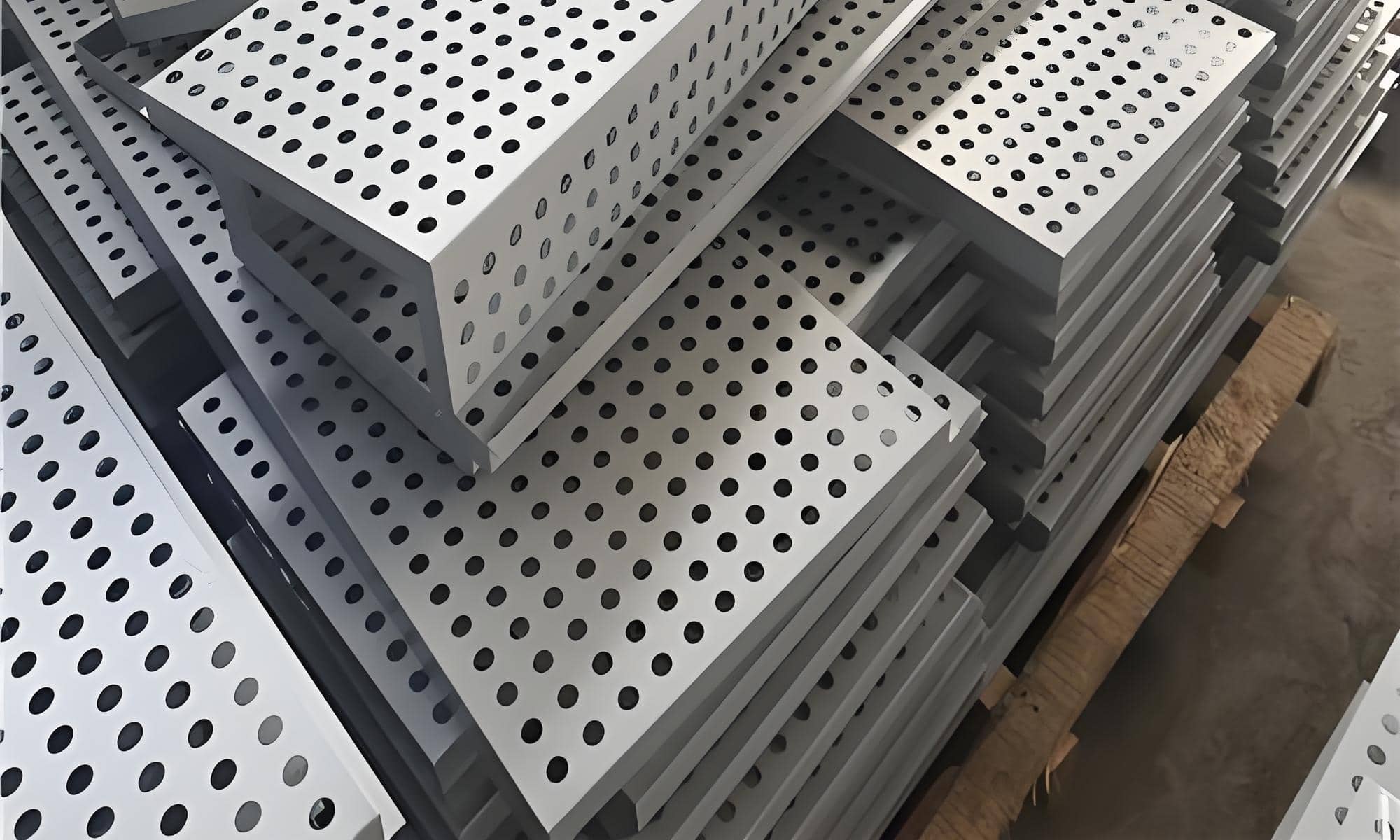
The manufacturing process for dimpled perforated aluminum requires careful control because the sheet is both perforated and mechanically formed.
Material thickness directly affects forming results. Thinner sheets are easier to shape but may show more deformation after forming. Thicker aluminum provides better rigidity but requires more forming force and proper tooling design.
During production, engineers usually consider:
- Aluminum alloy selection
- Sheet thickness before and after forming
- Hole pattern distortion during embossing
- Flatness requirements after processing
- Edge condition and dimensional tolerance
A raised perforated sheet is not simply a flat sheet with an added pattern. The sequence of punching, forming, and finishing can influence the final product quality.
Surface Finishing Options for Raised Perforated Aluminum
Surface treatment is an important step for both appearance and service life.
Common finishing options include:
Powder Coating
Powder coating provides a wide range of color options and improves resistance against weather exposure. It is frequently used for architectural applications where appearance consistency is important.
Anodizing
Anodized finishes maintain the natural aluminum appearance while improving surface hardness and corrosion resistance. This option is often selected when a metallic finish is preferred.
Mill Finish
For industrial applications where appearance requirements are limited, mill finish aluminum may be suitable. However, the surface condition should be evaluated carefully, especially for visible installations.
The choice of finish should consider the installation environment, cleaning requirements, and expected service conditions.


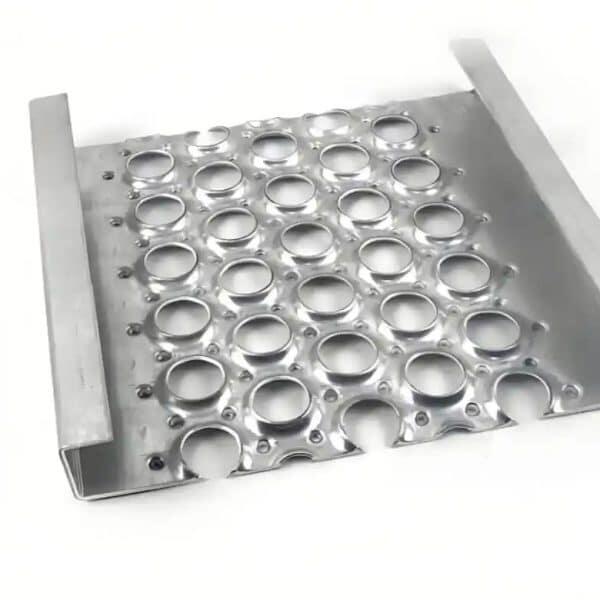
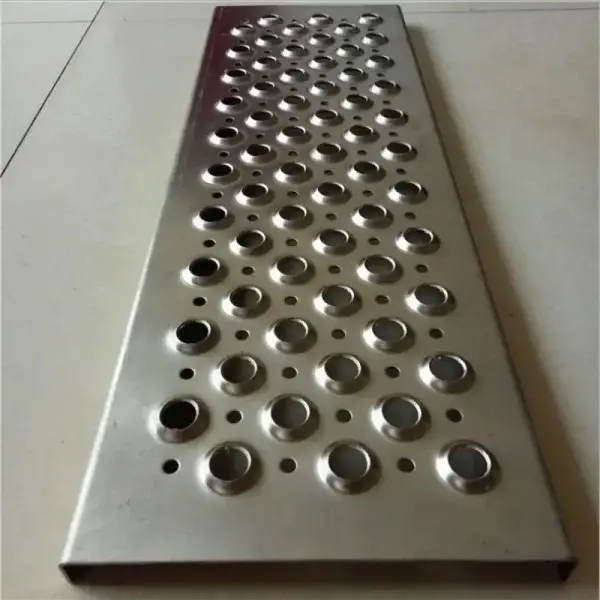
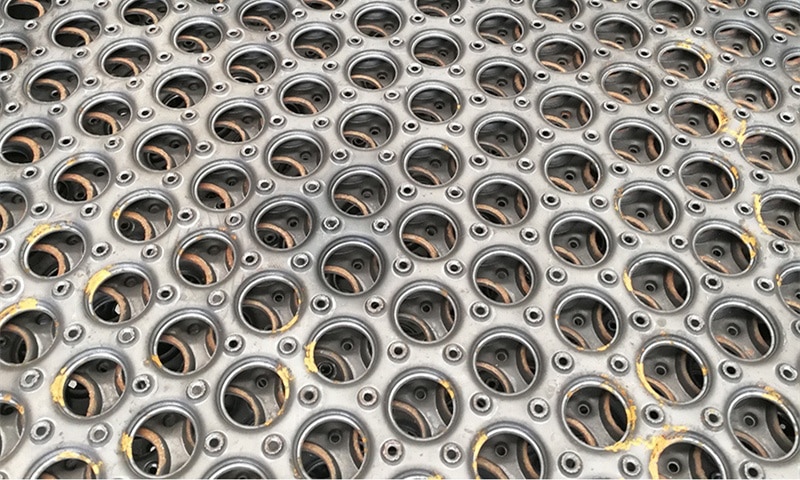
Perforated Safety Grating
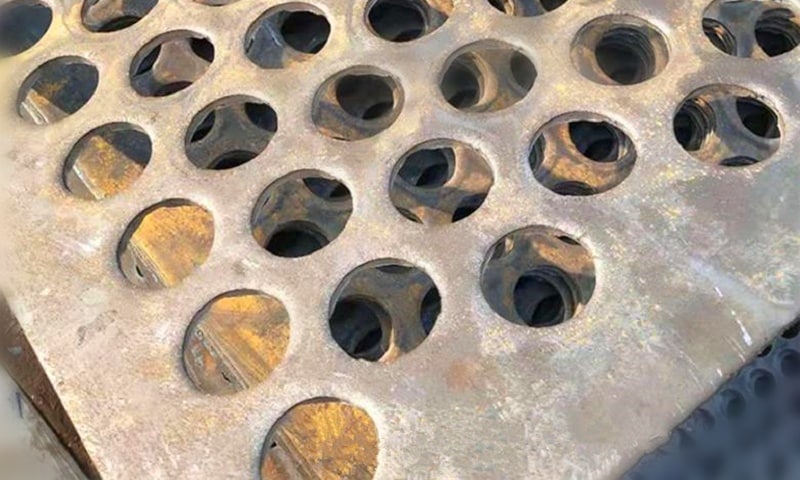
Producing raised perforated aluminum requires more than standard perforation equipment. The combination of punching accuracy, forming control, and surface finishing determines whether the final sheet can meet both functional and visual requirements. During manufacturing, engineers need to manage hole deformation, material stress, and dimensional changes caused by the embossing process. Our production approach focuses on controlling each stage, from selecting suitable aluminum grades and thicknesses to optimizing tooling parameters for consistent raised patterns. With experience handling different hole layouts, sheet sizes, and finishing requirements, we help customers develop perforated aluminum solutions that maintain structural performance while achieving the intended design effect. This process is especially important for architectural panels, anti-slip components, and custom industrial applications where appearance and reliability must work together.