Understanding the Function Behind Raised Perforated Aluminum
Raised
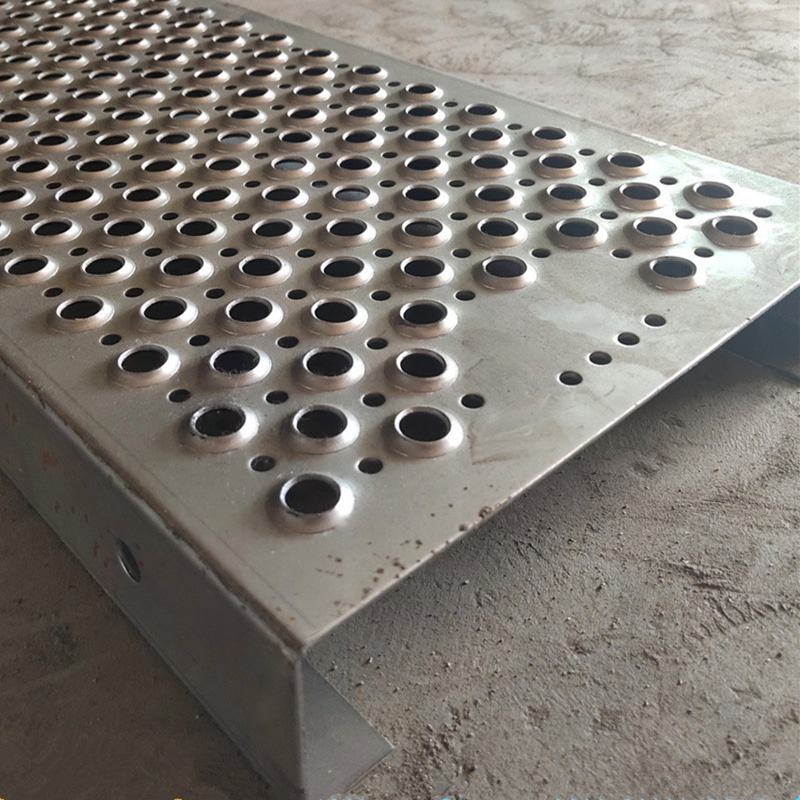
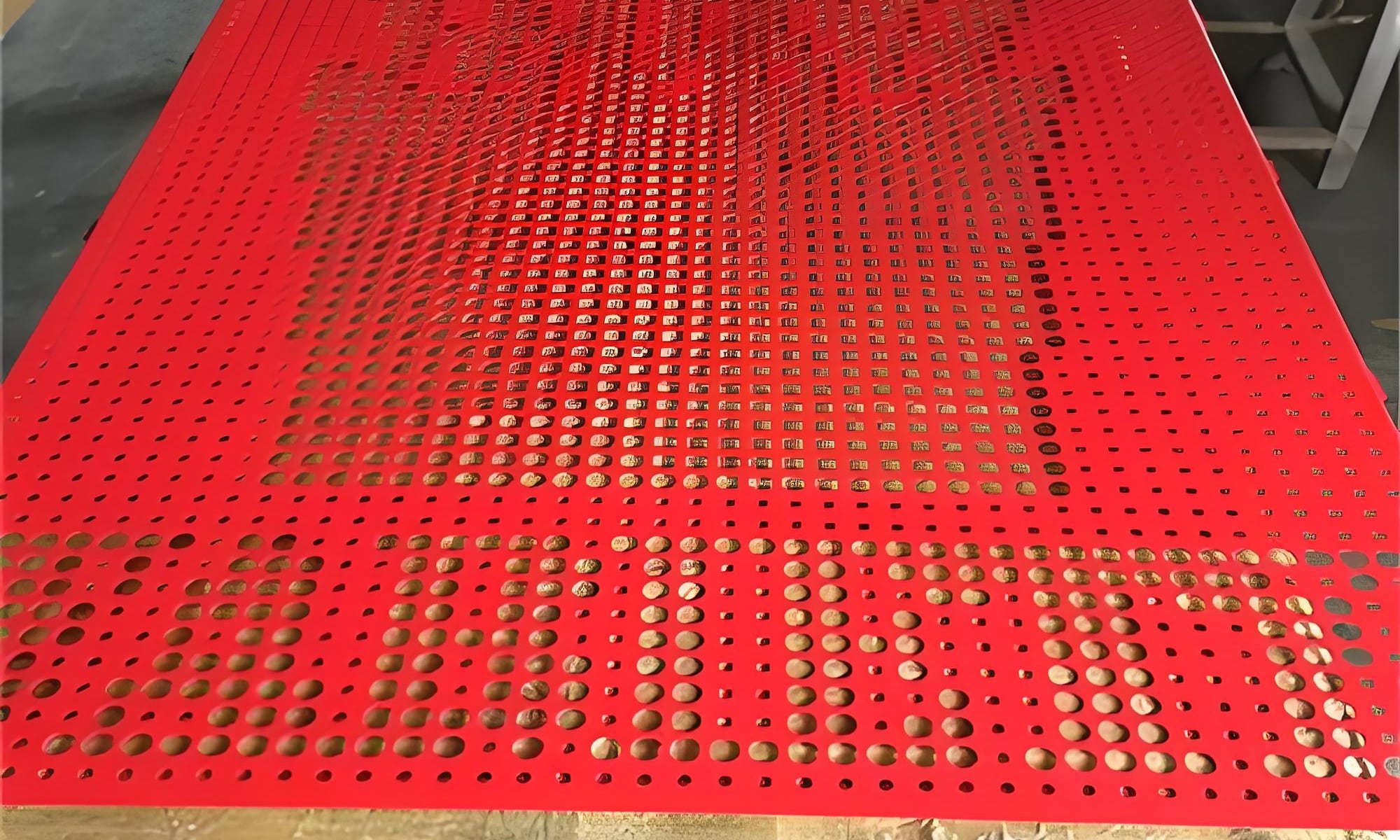
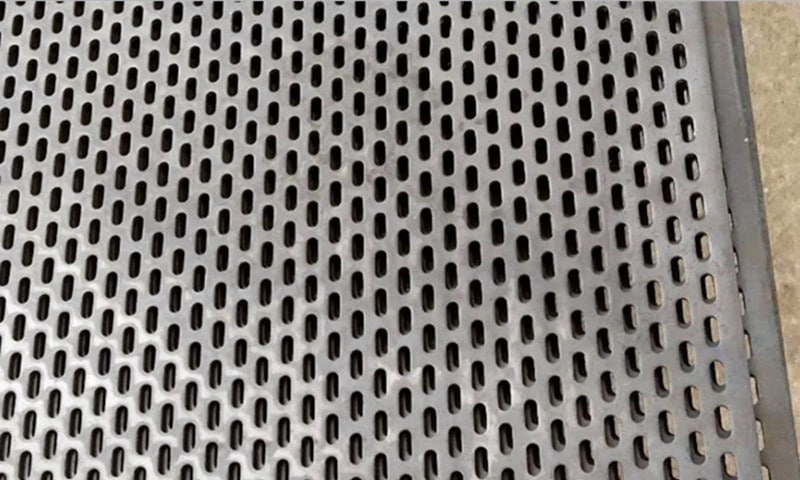
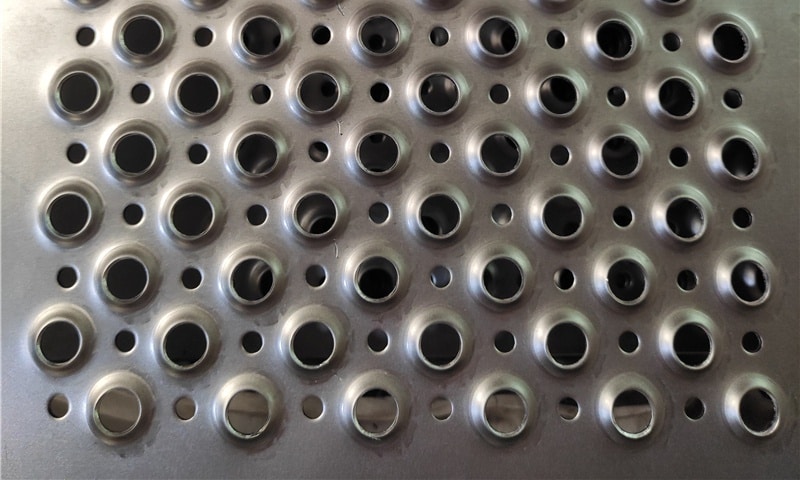
perforovaný hliník, also known as dimpled perforated sheet, is often selected for its unique three-dimensional appearance. However, its value goes beyond visual design. The raised surface changes how the sheet interacts with people, equipment, and airflow.
.
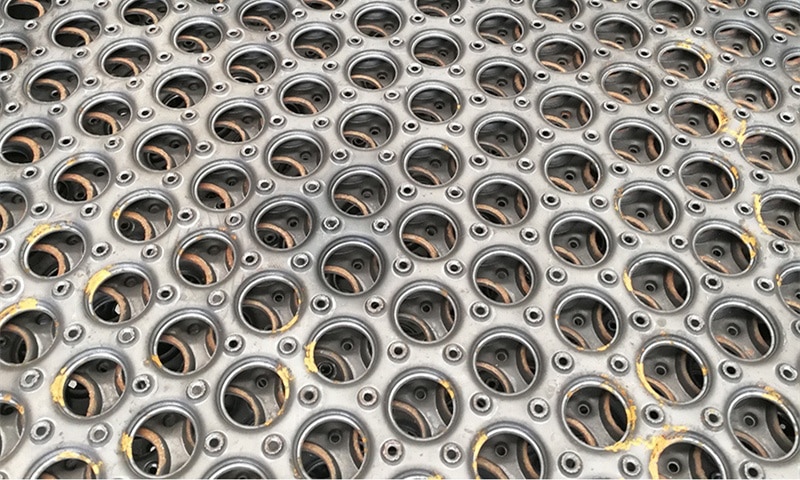
Unlike standard flat perforated aluminum sheets, the formed dimples create additional surface texture and depth. This can improve slip resistance, reduce direct contact areas, and provide a more functional surface in applications where both performance and appearance matter.
.
For engineers and designers, the key consideration is not only how the panel looks after installation, but how the forming process affects strength, durability, and long-term performance.
.
Where Raised Perforated Aluminum Is Commonly Used
Anti-Slip and Functional Applications
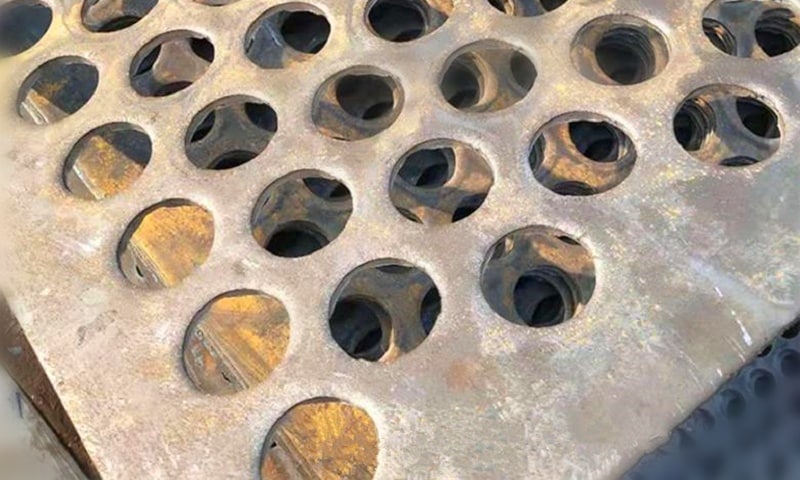
One of the main reasons customers choose raised perforated aluminum is improved traction. The embossed surface creates small raised areas that help increase grip compared with a flat metal surface.
.
Mezi typické aplikace patří:
- Walkway panels and access platforms
- Equipment covers and service areas
- Stair treads and protective flooring components
- Vehicle and transportation interior panels
In these situations, the pattern design, opening size, and forming height need to work together. Excessive embossing may affect flatness, while insufficient height may not provide the expected surface performance.
.
Architectural and Decorative Applications
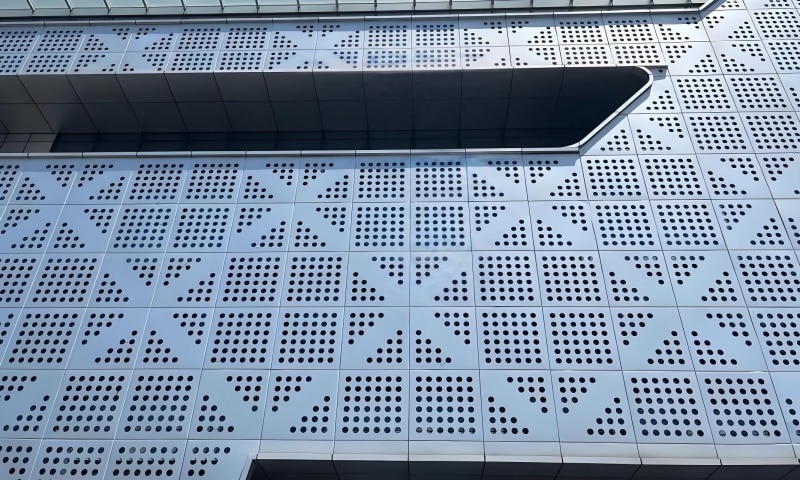
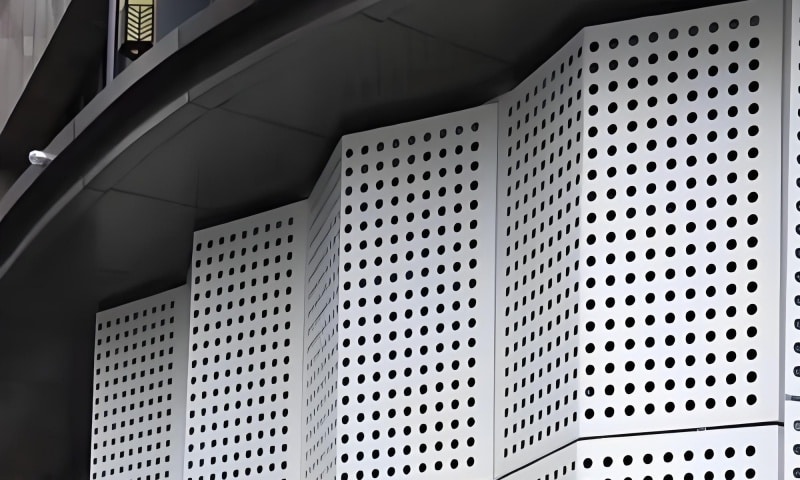
Raised perforated aluminum is also widely used in architectural projects where designers need depth, shadow effects, and visual texture.
.
Common examples include:
- Vnitřní stěnové panely
- Ceiling systems
- Dekorativní příčky
- Building facades and screening panels
The raised pattern can create different light reflections throughout the day, giving surfaces a more dynamic appearance than traditional flat perforated sheets.
.
Thickness and Forming Considerations During Production
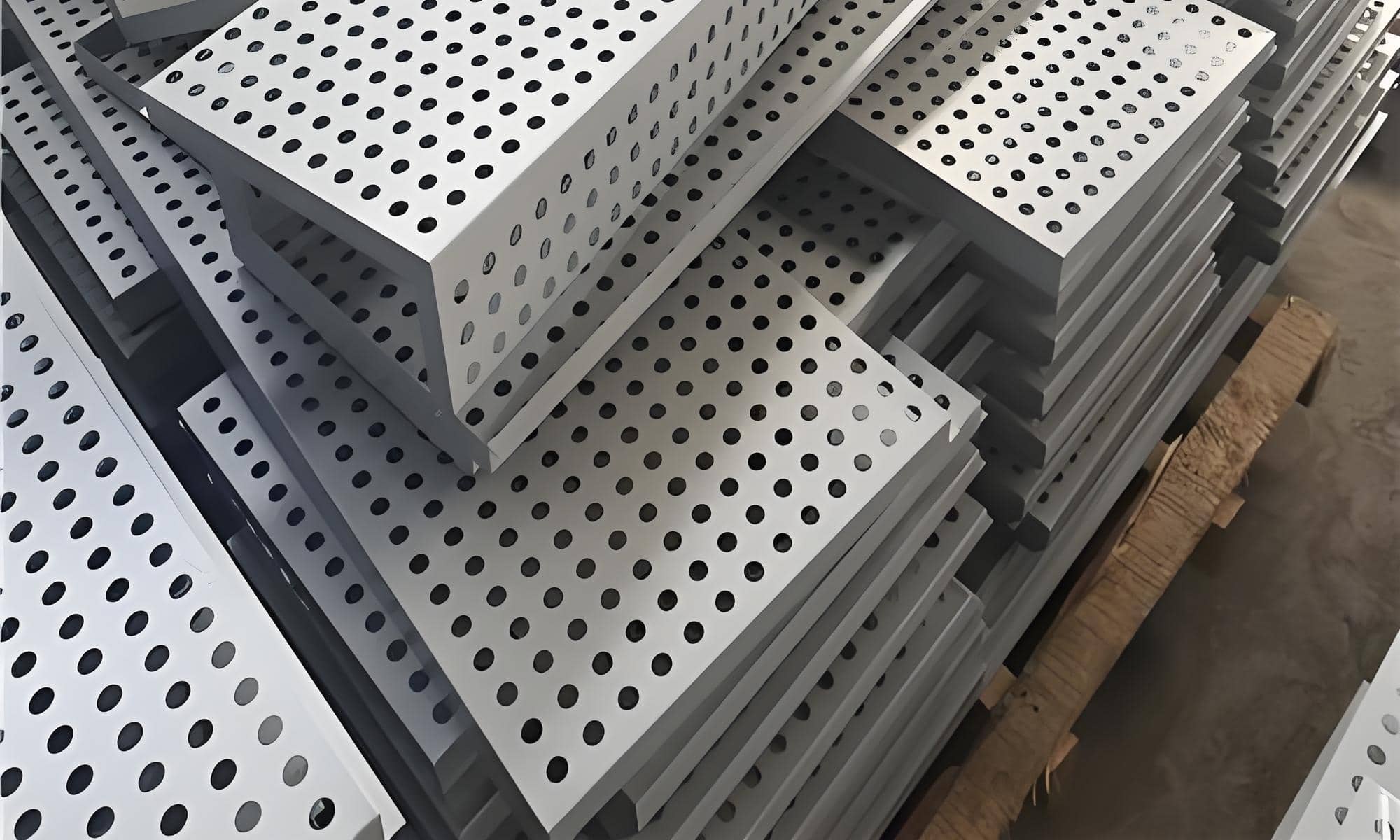
The manufacturing process for dimpled perforated aluminum requires careful control because the sheet is both perforated and mechanically formed.
.
Material thickness directly affects forming results. Thinner sheets are easier to shape but may show more deformation after forming. Thicker aluminum provides better rigidity but requires more forming force and proper tooling design.
.
During production, engineers usually consider:
- Aluminum alloy selection
- Sheet thickness before and after forming
- Hole pattern distortion during embossing
- Flatness requirements after processing
- Edge condition and dimensional tolerance
A raised perforated sheet is not simply a flat sheet with an added pattern. The sequence of punching, forming, and finishing can influence the final product quality.
.
Surface Finishing Options for Raised Perforated Aluminum
Surface treatment is an important step for both appearance and service life.
.
Common finishing options include:
Práškové lakování
Powder coating provides a wide range of color options and improves resistance against weather exposure. It is frequently used for architectural applications where appearance consistency is important.
.
Eloxování
Anodized finishes maintain the natural aluminum appearance while improving surface hardness and corrosion resistance. This option is often selected when a metallic finish is preferred.
.
Mill Finish
For industrial applications where appearance requirements are limited, mill finish aluminum may be suitable. However, the surface condition should be evaluated carefully, especially for visible installations.
.
The choice of finish should consider the installation environment, cleaning requirements, and expected service conditions.
.


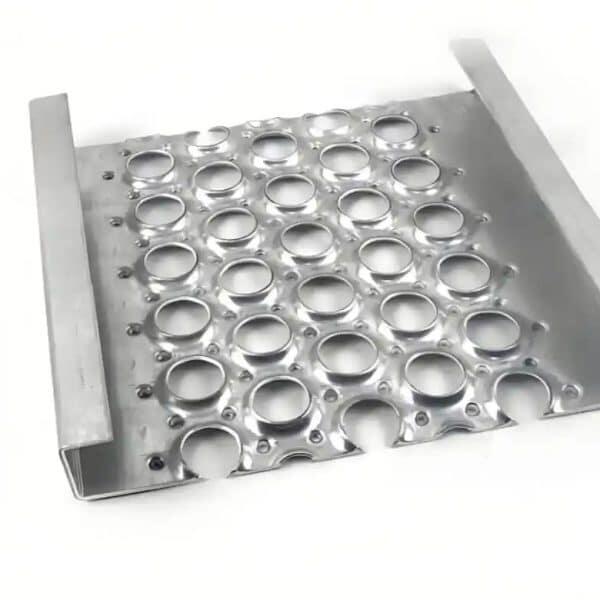
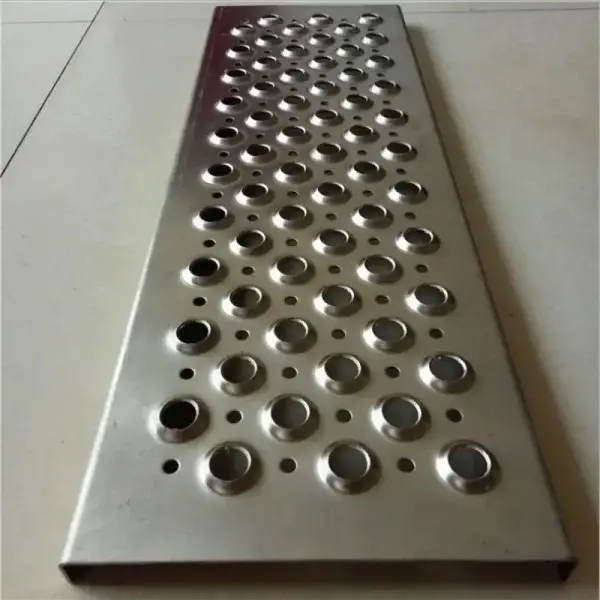
Perforovaná bezpečnostní mříž
Výroba raženého děrovaného hliníku vyžaduje více než standardní děrovací zařízení. Kombinace přesnosti děrování, kontroly tvarování a povrchové úpravy rozhoduje o tom, zda výsledný plech splní jak funkční, tak vizuální požadavky. Během výroby musí inženýři řídit deformaci otvorů, napětí materiálu a rozměrové změny způsobené procesem ražení. Náš výrobní přístup se zaměřuje na kontrolu každé fáze, od výběru vhodných jakostí a tlouštěk hliníku až po optimalizaci parametrů nástrojů pro konzistentní ražené vzory. Díky zkušenostem s různými rozvrženími otvorů, velikostmi plechů a požadavky na povrchovou úpravu pomáháme zákazníkům vyvíjet řešení z děrovaného hliníku, která si zachovávají strukturální výkon a zároveň dosahují zamýšleného designového efektu. Tento proces je obzvláště důležitý pro architektonické panely, protiskluzové komponenty a zakázkové průmyslové aplikace, kde musí vzhled a spolehlivost spolupracovat.