Why Metal Safety Grating Stair Treads Matter in Industrial Access
In industrial buildings, outdoor platforms, maintenance walkways, processing plants, and construction access systems, stair treads are not just small components. They carry repeated foot traffic, support workers carrying tools or materials, and often perform in wet, oily, dusty, or corrosive environments.
This is why many engineers and project buyers choose Metal Safety Grating Stair Treads instead of plain plate steps. A properly designed metal safety tread gives the stair system three important advantages: load-bearing strength, slip resistance, and long-term durability.
For procurement teams, the question is usually not only “How much does it cost?” A better question is: “Will this stair tread remain safe and stable after years of use in the actual jobsite environment?”
That answer depends on several details, including material grade, plate thickness, span, tread width, traffic level, surface pattern, and the way each tread is mounted.
Strength Starts With the Right Metal Structure
A safety grating stair tread must do more than provide traction. It must also resist bending, twisting, impact, and daily wear. In real projects, the tread may be used by one worker at a time, or by many workers during shift changes, maintenance shutdowns, or emergency access.
Plate Thickness Is a Key Design Factor
For Metal Safety Grating Stair Treads, plate thickness is one of the first specifications to confirm. A thinner plate may be suitable for light-duty access ladders or occasional maintenance areas. A heavier plate is often preferred for industrial stairs, high-traffic platforms, equipment access, and outdoor structures.
When choosing thickness, buyers should consider:
- Expected foot traffic
- Clear span between supports
- Tread width and depth
- Whether workers carry heavy tools
- Exposure to vibration or impact
- Required service life
- Corrosion risk in the working environment
In simple terms, the longer the span and the heavier the traffic, the more important plate thickness becomes. A stair tread that feels firm underfoot gives workers confidence. A tread that flexes too much may still look acceptable at first, but it can become a safety concern over time.
Span Affects How the Tread Performs
Span is the distance between the supporting points of the stair tread. Even when two treads use the same material and same surface pattern, their performance can be very different if the span changes.
A short span usually allows the use of a lighter design. A longer span may require a thicker plate, reinforced structure, or a different tread configuration. This is especially important for industrial stair systems where the stair width is larger than standard commercial stairs.
For custom projects, span should always be reviewed together with load requirements. This helps avoid under-designed treads that may bend, vibrate, or wear faster than expected.


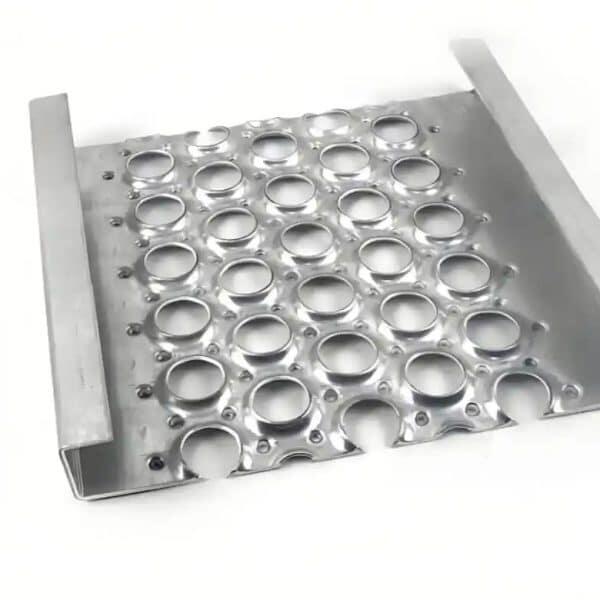
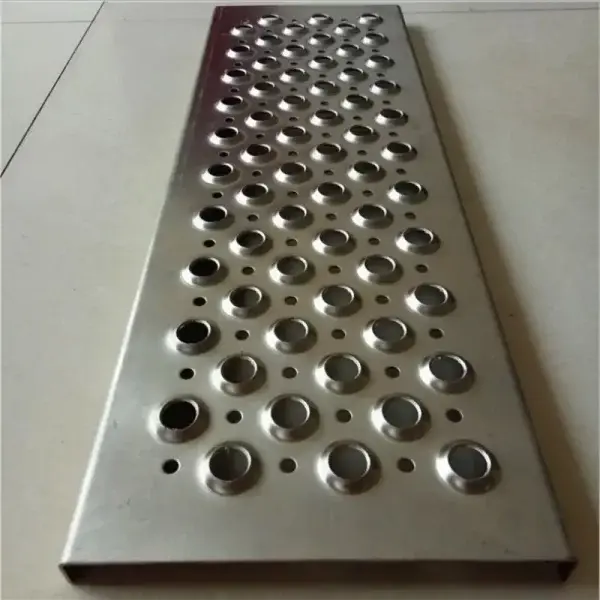
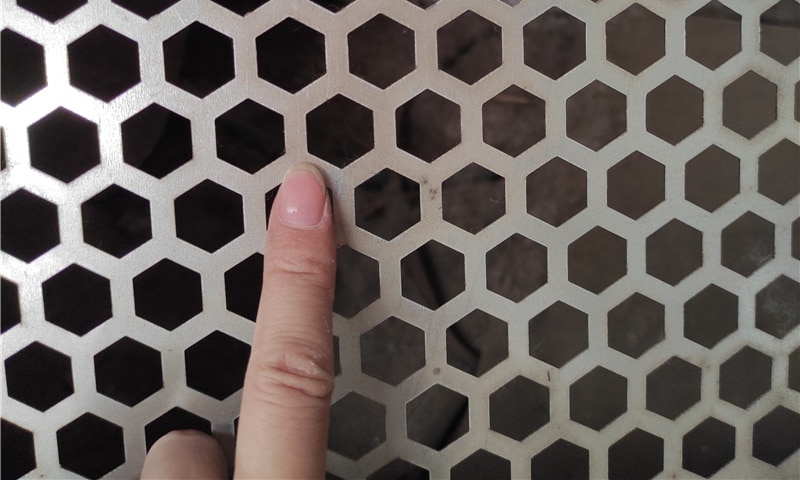
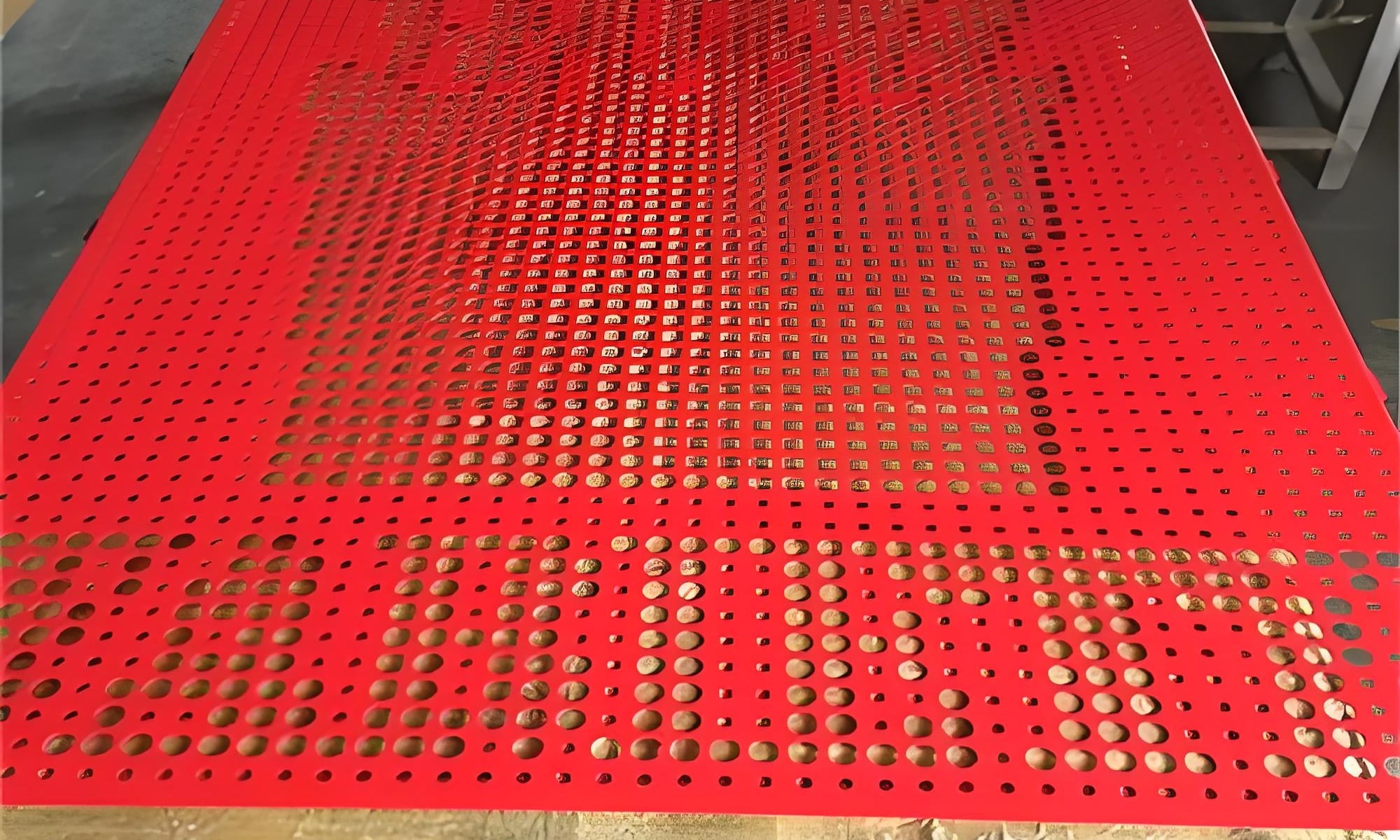
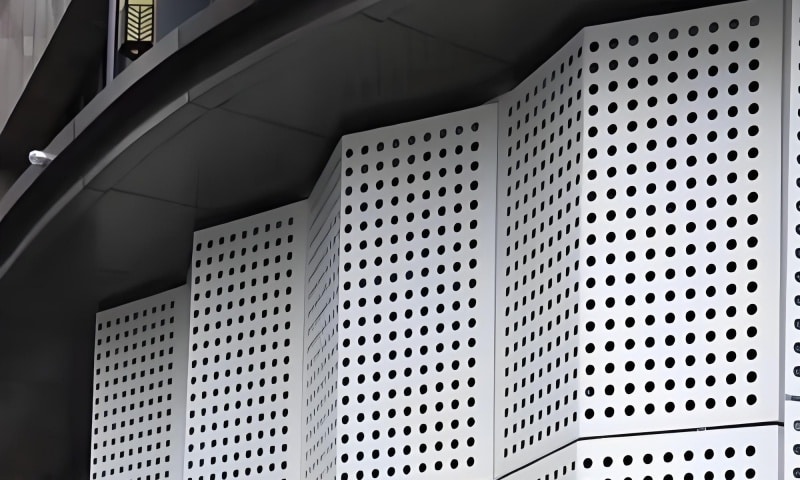
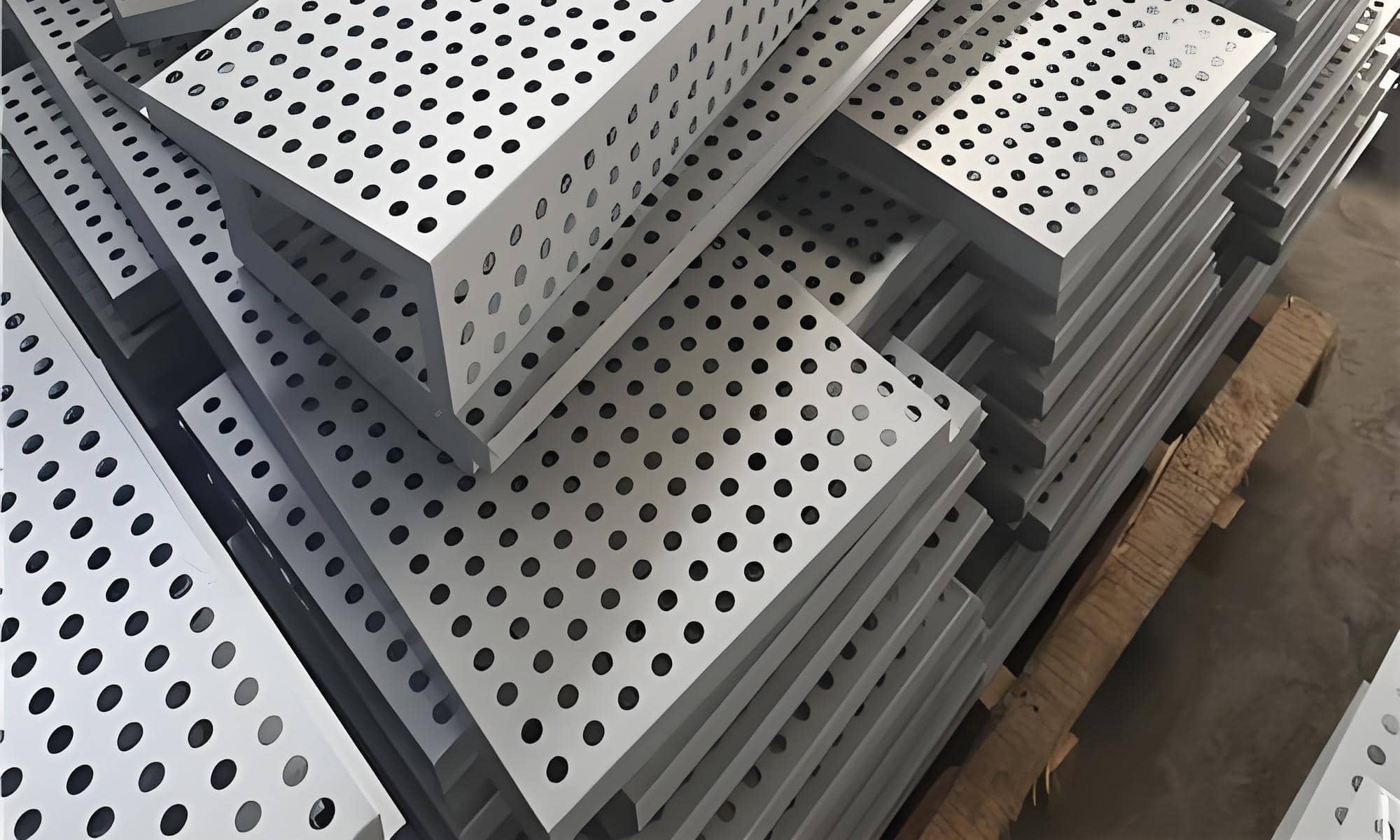
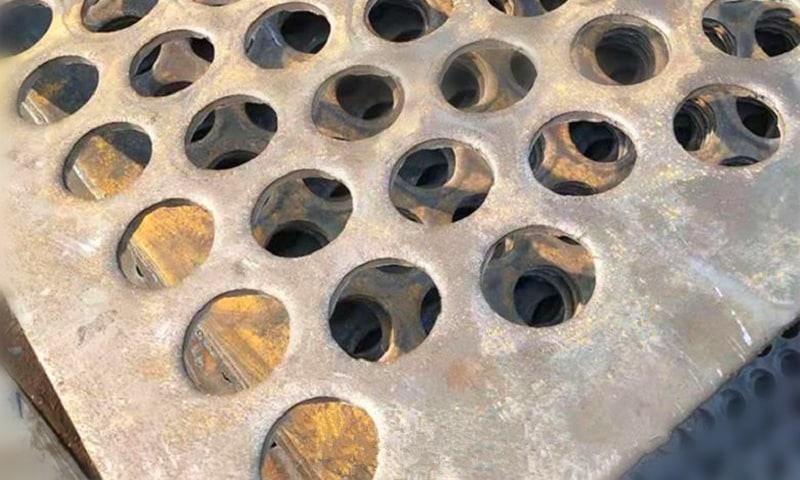
Perforated Safety Grating
Engineered perforated safety grating plate for industrial access systems.
Designed to provide slip resistance, drainage and structural strength in demanding environments such as manufacturing plants, utilities and processing facilities.
Commonly specified for:
- Stair treads and step assemblies
- Elevated walkways and access platforms
- Industrial ramps and service catwalks
Available in multiple metals and custom-fabricated to project requirements.
You can click on the product image to view the specific producible parameters or place an order.
Matching Stair Treads to Foot Traffic Levels
Not every project needs the same tread design. A small maintenance stair in a machine room does not face the same conditions as a busy access stair in a mining plant, grain processing facility, wastewater plant, or construction site.
Light-Duty Access Areas
Light-duty applications may include inspection stairs, service platforms, and occasional maintenance access. In these areas, the main requirement is usually safe footing, moderate strength, and corrosion resistance.
For these projects, Metal Safety Grating Stair Treads can be made with practical plate thickness and standard tread sizes. The goal is to provide dependable safety without overbuilding the structure.
Medium-Duty Industrial Stairs
Medium-duty stairs are more common in manufacturing plants, warehouses, utility areas, and outdoor equipment platforms. These stairs may be used daily by operators, maintenance workers, and inspectors.
For this level of use, buyers usually pay closer attention to tread stiffness, anti-slip surface performance, and edge reinforcement. The tread should feel solid during normal walking, even when workers carry tools or parts.
Heavy-Duty and High-Traffic Areas
Heavy-duty applications require a more careful design. Examples include mining sites, chemical plants, oil and gas facilities, power plants, bulk material handling systems, and large industrial platforms.
In these environments, stair treads may face heavy boots, mud, oil, rain, snow, vibration, and frequent cleaning. A stronger tread design helps reduce replacement frequency and improves long-term safety.
For heavy-duty projects, thicker material, stronger side plates, secure mounting holes, and custom dimensions may be necessary. The goal is not just to meet the first installation requirement, but to keep the stair system reliable over years of use.
Surface Design: Safety Is Built Into the Pattern
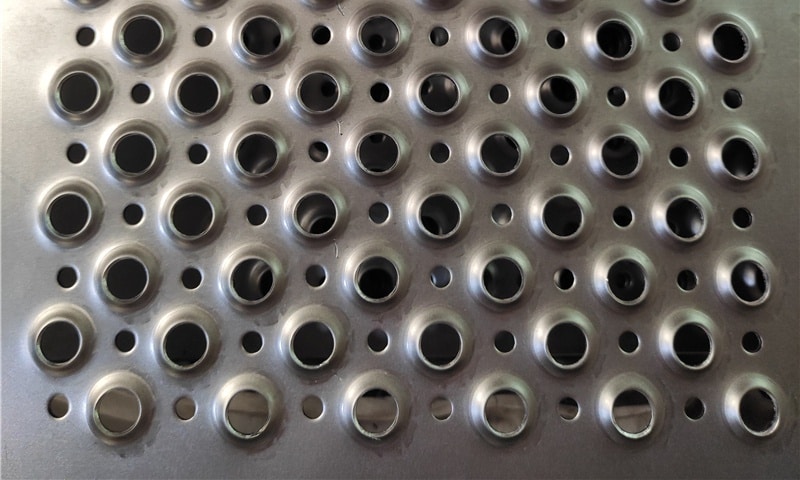
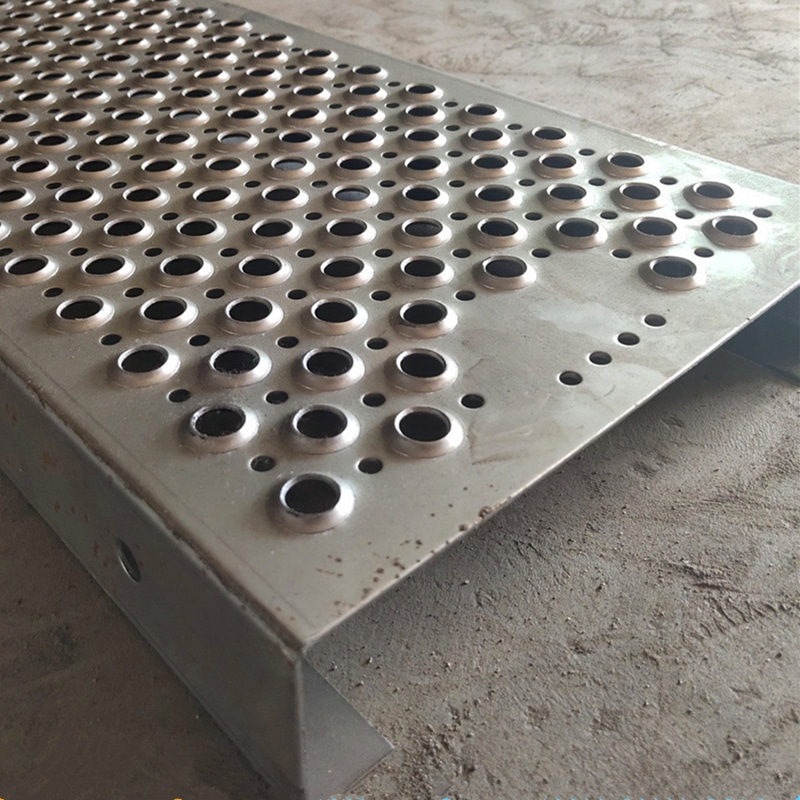
One reason perforated safety grating performs well on stairs is its raised and punched surface design. Unlike flat plate, safety grating creates multiple contact points between the boot sole and the metal surface.
Traction in Wet, Oily, or Dusty Conditions
Industrial stairs are rarely used in perfect conditions. Rain, washdown water, oil mist, metal dust, mud, ice, and loose particles can all reduce footing stability.
The raised pattern on Metal Safety Grating Stair Treads helps improve grip. At the same time, openings in the tread allow water, dust, and debris to pass through instead of collecting on the walking surface.
This drainage function is especially valuable for outdoor stairs, processing areas, agricultural facilities, and equipment platforms where housekeeping is difficult.
Open Area Helps Reduce Build-Up
A closed flat stair tread can hold water, dirt, and industrial residue. Over time, this build-up can create a slippery surface and increase maintenance work.
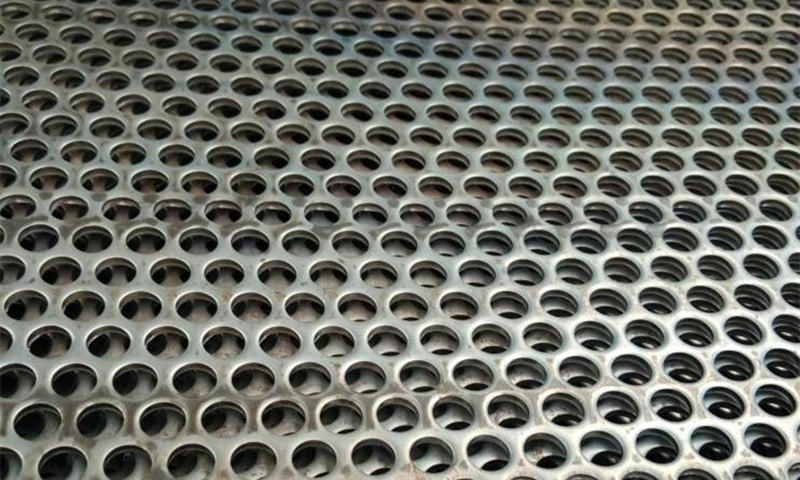
Perforated and punched safety treads help reduce this problem. The open design allows loose material to fall through, while the raised surface maintains traction. For many plant managers, this means better safety and easier cleaning.

Custom Sizes for Real Project Conditions
Standard stair tread sizes are useful, but many industrial projects do not follow standard dimensions. Existing structures, replacement work, equipment platforms, and export projects often require custom sizing.
That is where a manufacturer with CNC punching and metal fabrication experience becomes valuable.
Custom Width, Depth, and Length
Custom Metal Safety Grating Stair Treads can be produced according to project drawings or site measurements. Common customization options include tread length, tread depth, side plate height, fixing hole position, end plate design, and nosing style.
This helps contractors and fabricators install the stair treads with fewer field adjustments. It also reduces the risk of poor fit, which can cause installation delays or unsafe connections.
Mounting Holes and End Plates
For stair tread installation, mounting details are just as important as the walking surface. Bolt holes must match the stair stringers. Side plates must be strong enough to transfer the load properly. If the fixing holes are not accurate, installers may need to drill or modify the tread on site.
CNC punching allows more consistent hole placement and better repeatability across large orders. For B2B buyers, this matters because a project may require dozens, hundreds, or even thousands of stair treads with the same specification.
Material Options for Different Environments
The right material depends on where the stair treads will be used.
Carbon Steel Safety Grating Stair Treads
Carbon steel is commonly selected for general industrial applications because it offers good strength and cost efficiency. It is often used with surface treatments such as galvanizing, painting, or powder coating.
For many outdoor or semi-outdoor projects, galvanized carbon steel is a practical choice because it improves corrosion resistance while keeping the structure strong.
Galvanized Metal Safety Grating Stair Treads
Galvanized treads are popular for platforms, walkways, stair towers, utility structures, and construction access systems. The zinc coating helps protect the steel from rust in outdoor and humid environments.
For buyers who need a balance between durability and budget control, galvanized safety grating stair treads are often a strong option.
Stainless Steel Safety Grating Stair Treads
Stainless steel is used when corrosion resistance, hygiene, or chemical resistance is more important. It is often selected for food processing plants, chemical facilities, marine environments, wastewater areas, and clean industrial spaces.
Although stainless steel costs more than carbon steel, it can provide better long-term performance in harsh environments.
How to Choose the Right Metal Safety Grating Stair Tread
Before placing an order, buyers should confirm several practical details. A clear specification helps the manufacturer recommend the right design and reduces misunderstanding during production.
Key Information to Provide
When requesting a quote, it is helpful to provide:
- Material type
- Plate thickness
- Tread length
- Tread depth
- Stair width
- Span between supports
- Surface treatment
- Required quantity
- Hole pattern or anti-slip surface type
- Mounting hole size and position
- Application environment
- Any drawings or photos of the installation area
If the project involves replacement treads, actual measurements and photos are especially useful. If it is a new construction project, engineering drawings can help confirm the best design.
Do Not Select by Price Alone
For industrial stair treads, the cheapest option is not always the most economical. A tread that is too thin, too narrow, or poorly matched to the span may need replacement sooner. It may also create safety issues for workers.
A well-specified tread may cost slightly more at the beginning, but it can reduce maintenance costs, improve safety, and support a longer service life.
Why Manufacturer Experience Matters
Producing safety grating stair treads is not only about punching holes in metal. It requires an understanding of material behavior, tread stiffness, surface traction, bending accuracy, welding quality, and installation requirements.
A manufacturer with CNC punching capability can keep the pattern consistent and the dimensions accurate. This is especially important for large-volume orders, export projects, and custom stair systems where every tread must match the drawings.
For projects that need custom perforated safety surfaces, reinforced side plates, or made-to-order tread sizes, working directly with a fabrication-focused supplier can save time during both procurement and installation.
You can learn more about related safety grating options on our Perforated Safety Grating product page.
Final Thoughts
Metal Safety Grating Stair Treads are a practical choice for industrial stairs where strength, safety, and long-term performance all matter. The best tread design should match the real working conditions, not just a standard catalog size.
By reviewing plate thickness, span, foot traffic, material type, surface treatment, and custom mounting requirements, buyers can choose stair treads that perform safely in the field.
For industrial projects, a strong stair tread is more than a piece of metal. It is part of the access system workers rely on every day.