Why Walkway Safety Requires More Than “Open Flooring”
In industrial and commercial facilities, walkway safety is a structural issue—not a decorative one. Elevated walkways, access platforms, and maintenance corridors must perform reliably under daily foot traffic, equipment movement, and changing environmental conditions.
While many flooring products claim to be “safe,” perforated safety grating stands apart because its performance is engineered into the material itself. The safety of a perforated metal walkway is not added afterward through coatings or textures—it is designed through controlled perforation.
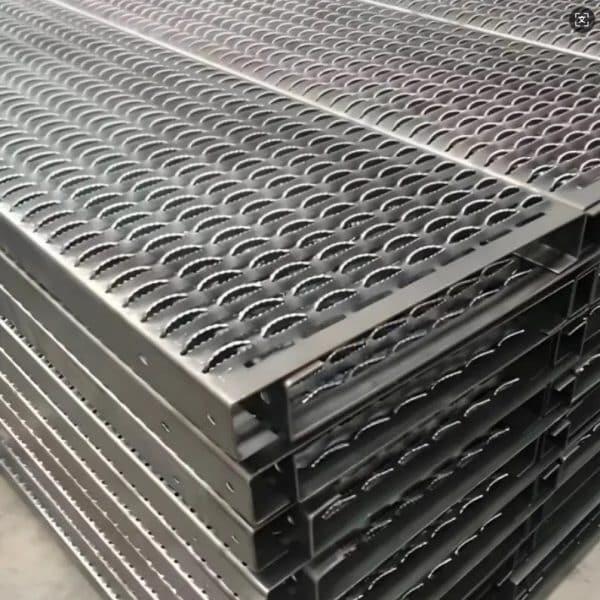
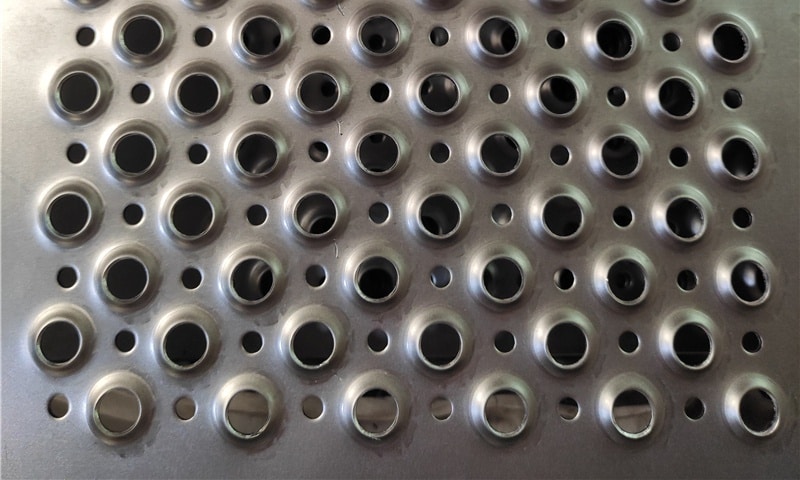
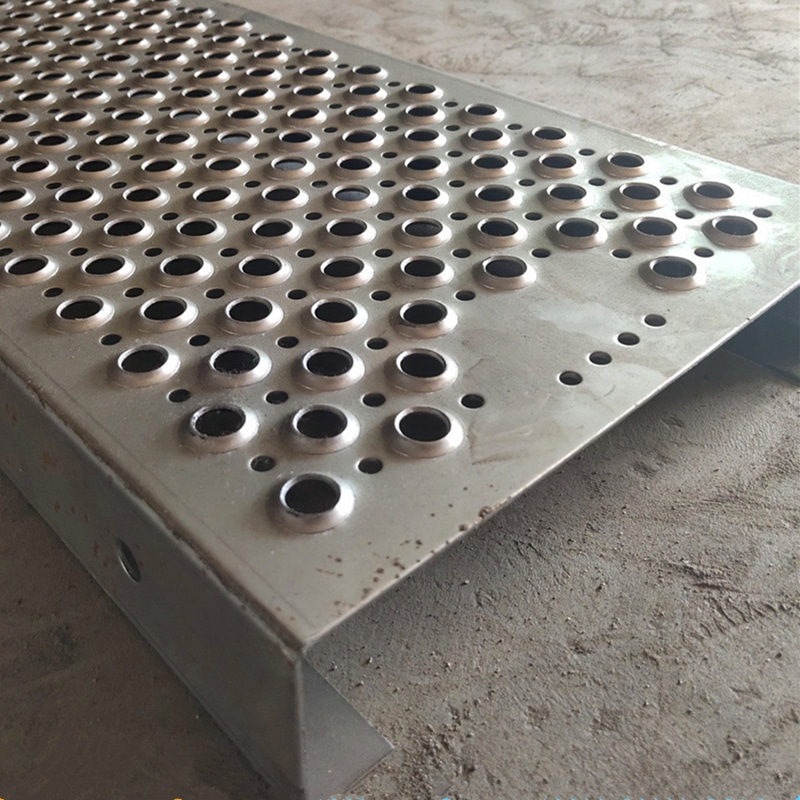
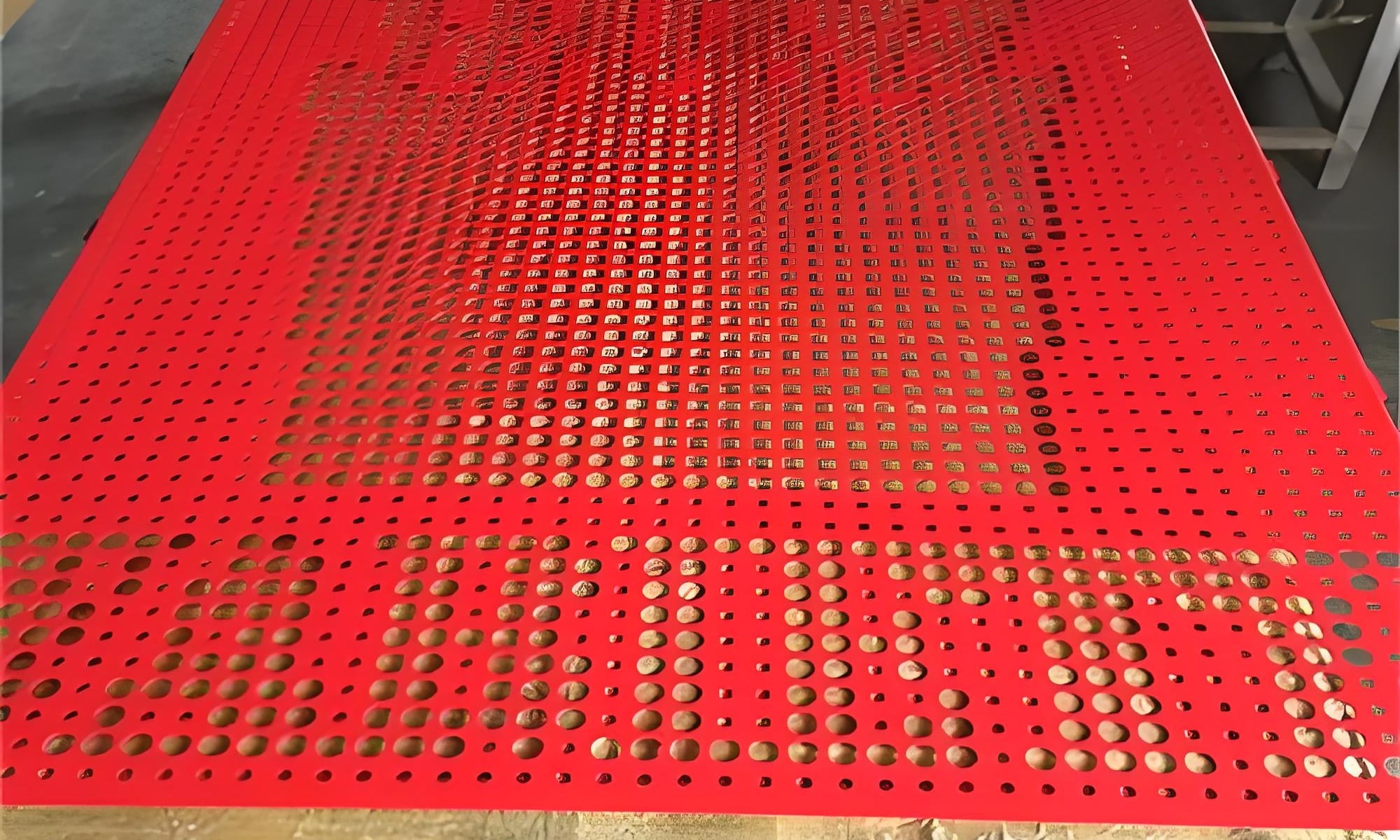
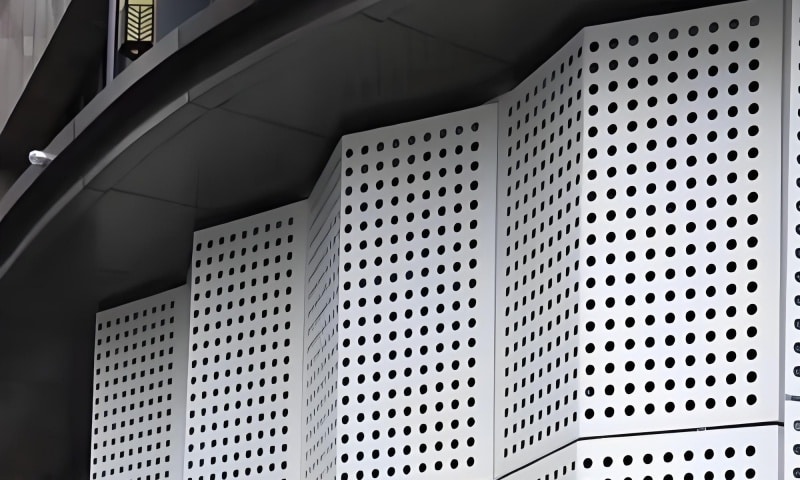
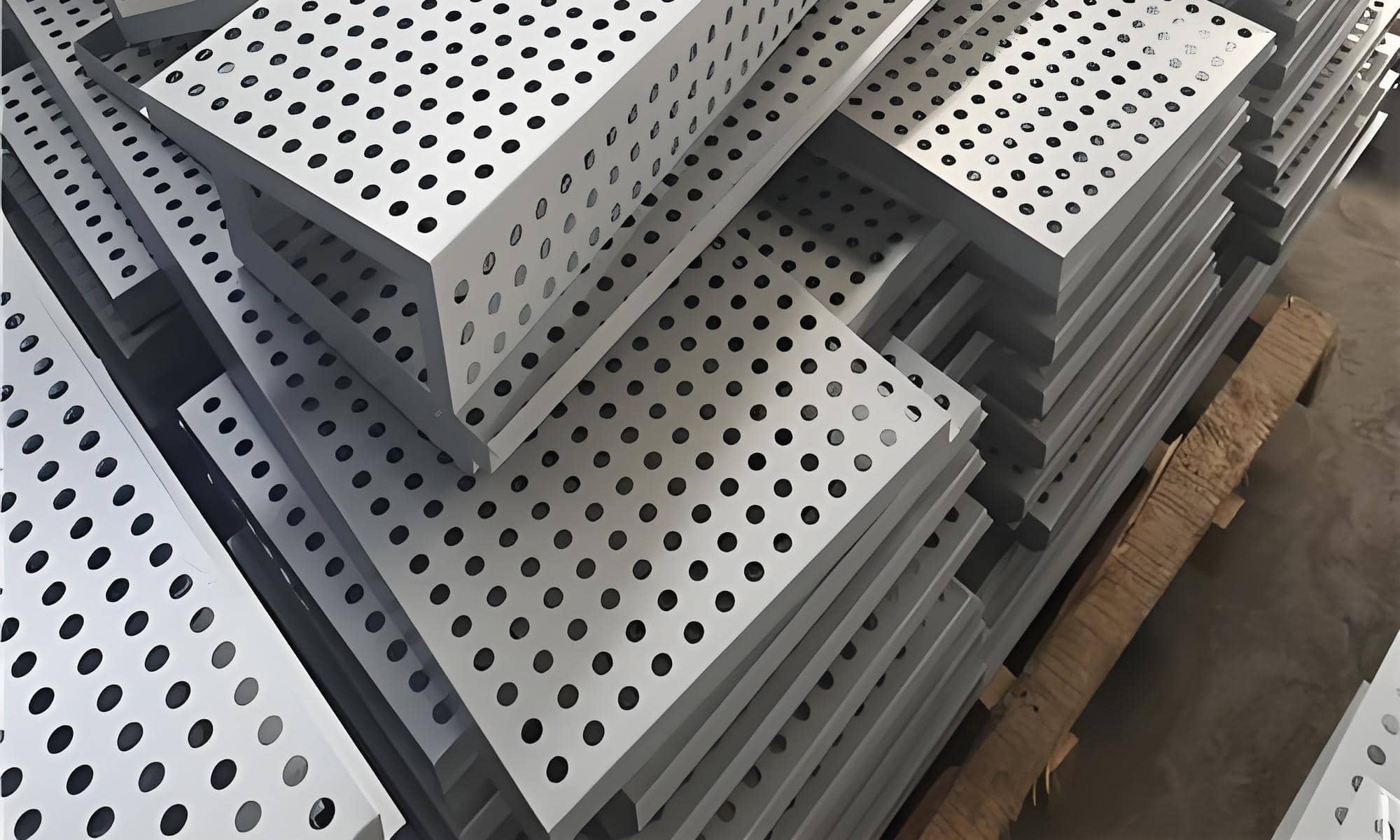
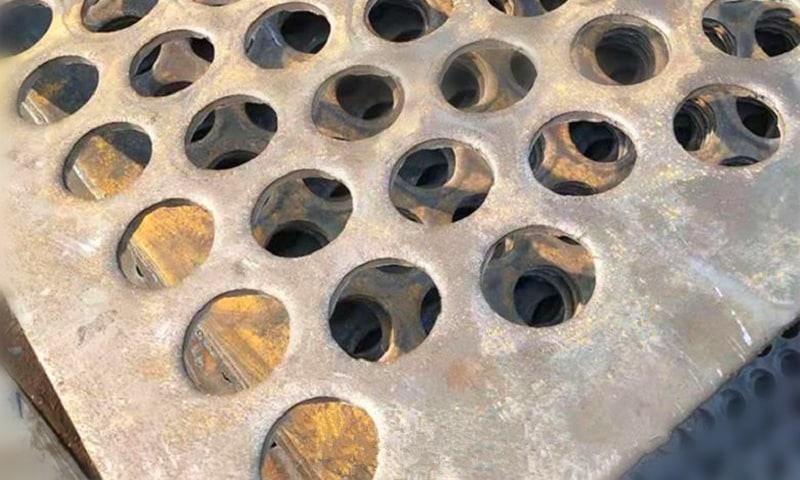
Perforated Safety Grating
Engineered perforated safety grating plate for industrial access systems.
Designed to provide slip resistance, drainage and structural strength in demanding environments such as manufacturing plants, utilities and processing facilities.
Commonly specified for:
- Stair treads and step assemblies
- Elevated walkways and access platforms
- Industrial ramps and service catwalks
Available in multiple metals and custom-fabricated to project requirements.
You can click on the product image to view the specific producible parameters or place an order.
How Perforation Directly Impacts Walkway Performance
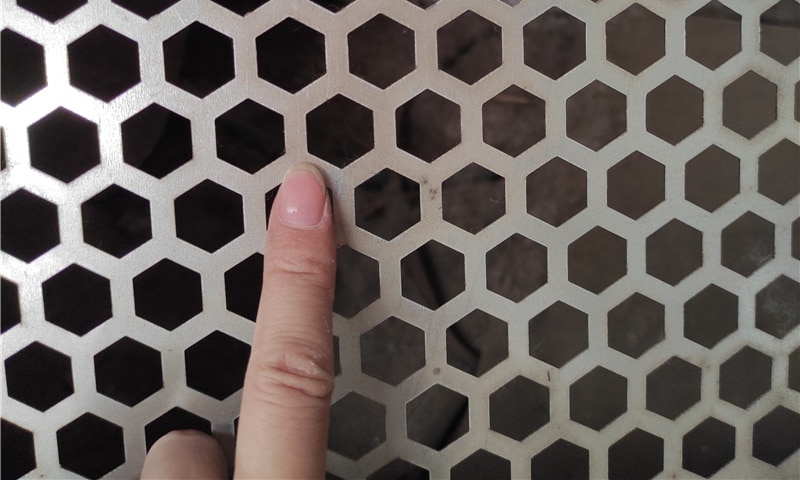
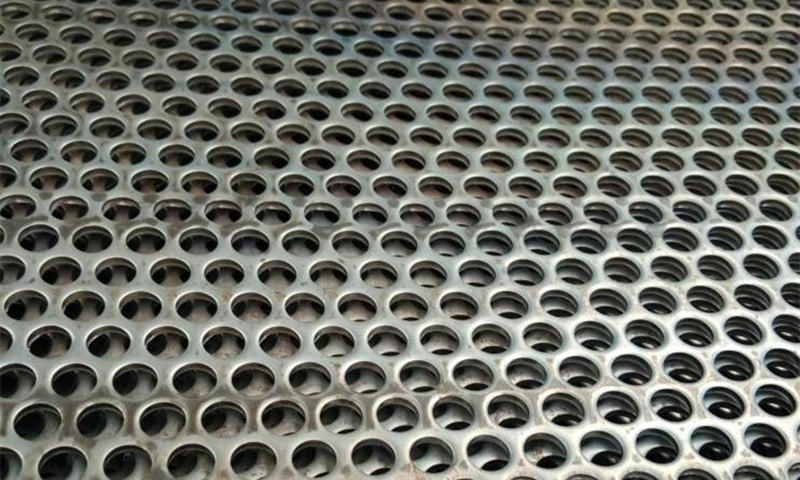
Perforation is not simply the act of punching holes in metal. In industrial walkway applications, perforation defines how load, traction, drainage, and durability work together as a system.
With properly designed hole diameter, spacing, and open area ratio, perforated safety grating delivers a balance that solid plates, expanded metal, or welded grating often struggle to achieve.
Key performance outcomes of engineered perforation include:
- Even load distribution across the walking surface
- Consistent anti-slip behavior without aggressive embossing
- Controlled drainage without excessive material loss
- Repeatable strength from panel to panel
This is why perforated safety grating is widely adopted in industrial walkway systems where performance must be predictable, not assumed.
Slip Resistance Achieved Through Geometry, Not Aggression
Many anti-slip solutions rely on deep serrations or heavy surface embossing. While effective in some cases, these features can damage footwear, trap debris, and become difficult to clean in industrial environments.
Perforated safety grating approaches slip resistance differently.
By carefully controlling hole size and edge geometry, the walking surface increases friction at the point of contact while still maintaining comfort and stability. The perforations allow contaminants such as water, oil, or dust to pass through the surface instead of accumulating on it.
This makes perforated metal grating particularly suitable for:
- Manufacturing walkways
- Service platforms
- Outdoor access routes
- Maintenance areas with frequent fluid exposure
The result is reliable traction without compromising usability.

Drainage and Debris Control Engineered into the Panel
Drainage performance is not a secondary benefit—it is a core safety factor. Standing liquids and surface debris are among the most common causes of industrial slip accidents.
Perforated safety grating addresses this by design. Rather than relying on gaps created by welding or expansion, drainage capacity is precisely defined by open area percentage. This allows designers to match the perforation pattern to real site conditions.
Compared to solid or partially open flooring, perforated safety grating offers:
- Faster liquid runoff
- Reduced debris buildup
- Easier cleaning and inspection
All without sacrificing structural integrity.
Manufacturing Consistency: Why CNC Punching Matters
In B2B industrial projects, consistency across batches is as important as initial performance. Walkway panels are often installed across long distances or multiple facility zones. Even small dimensional deviations can create installation challenges.
CNC punching ensures that perforated safety grating panels maintain:
- Accurate hole alignment
- Consistent edge strength
- Uniform panel geometry
This level of manufacturing control simplifies installation, reduces on-site adjustment, and supports long-term system reliability. For procurement teams, it also means fewer surprises between samples and bulk orders.

Long-Term Durability in Industrial Environments
Industrial walkways are subjected to constant stress—from foot traffic and equipment vibration to temperature changes and environmental exposure. Perforated metal grating performs well under these conditions because its structure does not rely on secondary joints or welded intersections.
When combined with appropriate materials and surface treatments, perforated safety grating offers:
- Stable mechanical properties over time
- Resistance to environmental fatigue
- Compatibility with corrosion protection processes
This durability translates directly into reduced maintenance and longer service life.
A Smarter Approach to Walkway Safety
Perforated safety grating is not chosen because it looks industrial—it is chosen because it performs like an engineered component. Every hole, every bridge, and every panel dimension contributes to safety, strength, and usability.
For industrial walkway systems where safety, consistency, and long-term reliability are non-negotiable, perforated metal grating provides a solution grounded in engineering logic, not assumptions.