Why Heavy Duty Perforated Plates Tend to Warp After Punching
When manufacturing a heavy duty perforated plate, flatness is rarely something that “just happens” by accident. In real industrial production, warping after punching is not a flaw — it is a predictable physical result.
Heavy gauge steel plates store internal stress even before any holes are punched. Once CNC punching begins, thousands of localized shear forces are applied across the sheet. Each punch stroke slightly redistributes internal stress. Over a full sheet, those micro-deformations accumulate and eventually release unevenly, causing visible bowing, twisting, or edge lift.
The thicker the plate and the higher the open area, the more pronounced this effect becomes. That is why heavy duty perforated plate leveling is not a cosmetic step — it is a structural correction.
From a manufacturing standpoint, ignoring flatness at this stage almost guarantees downstream problems during fabrication, shipping, or installation.

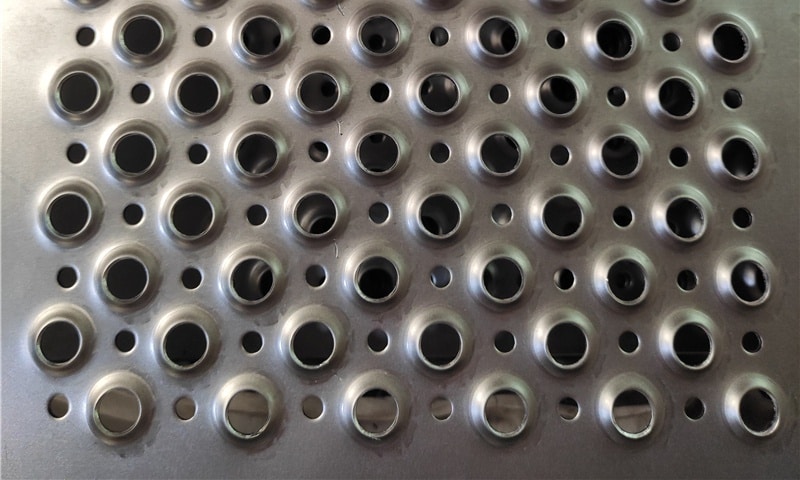
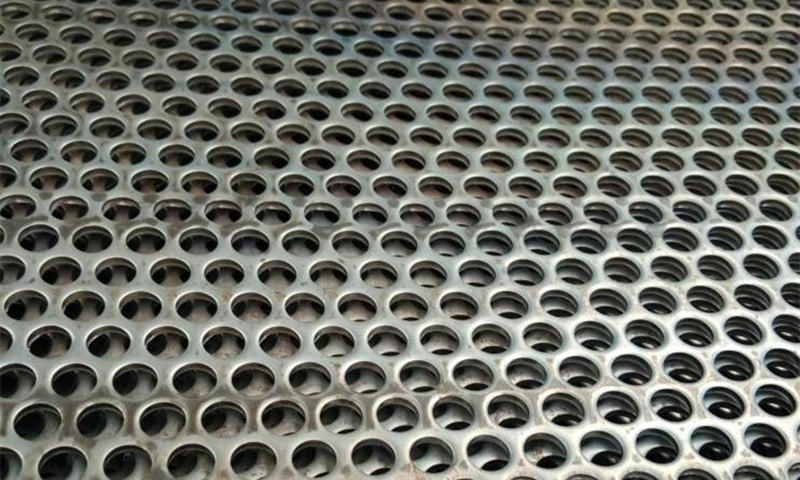
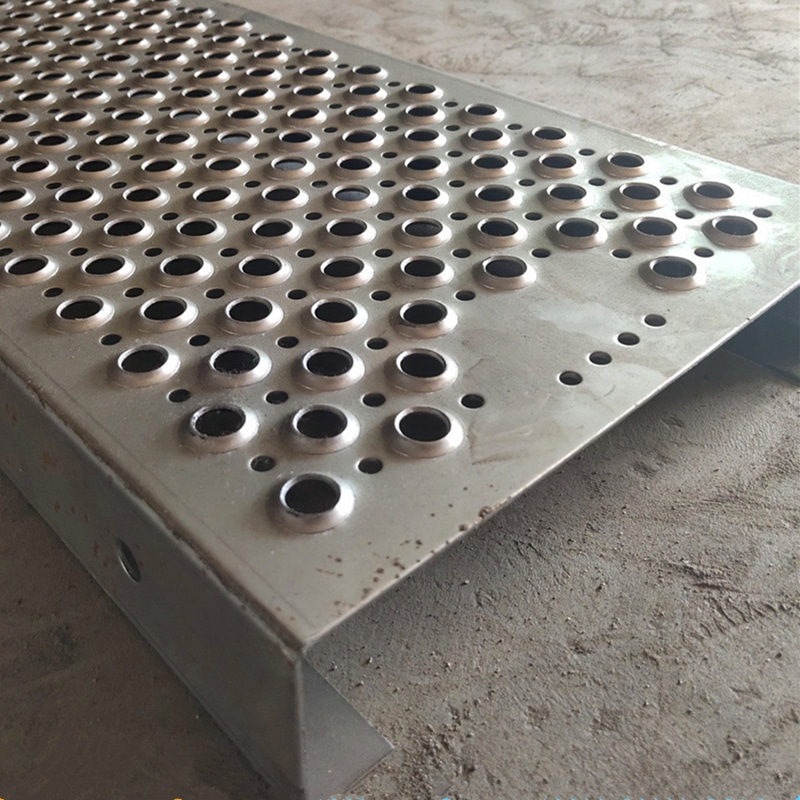
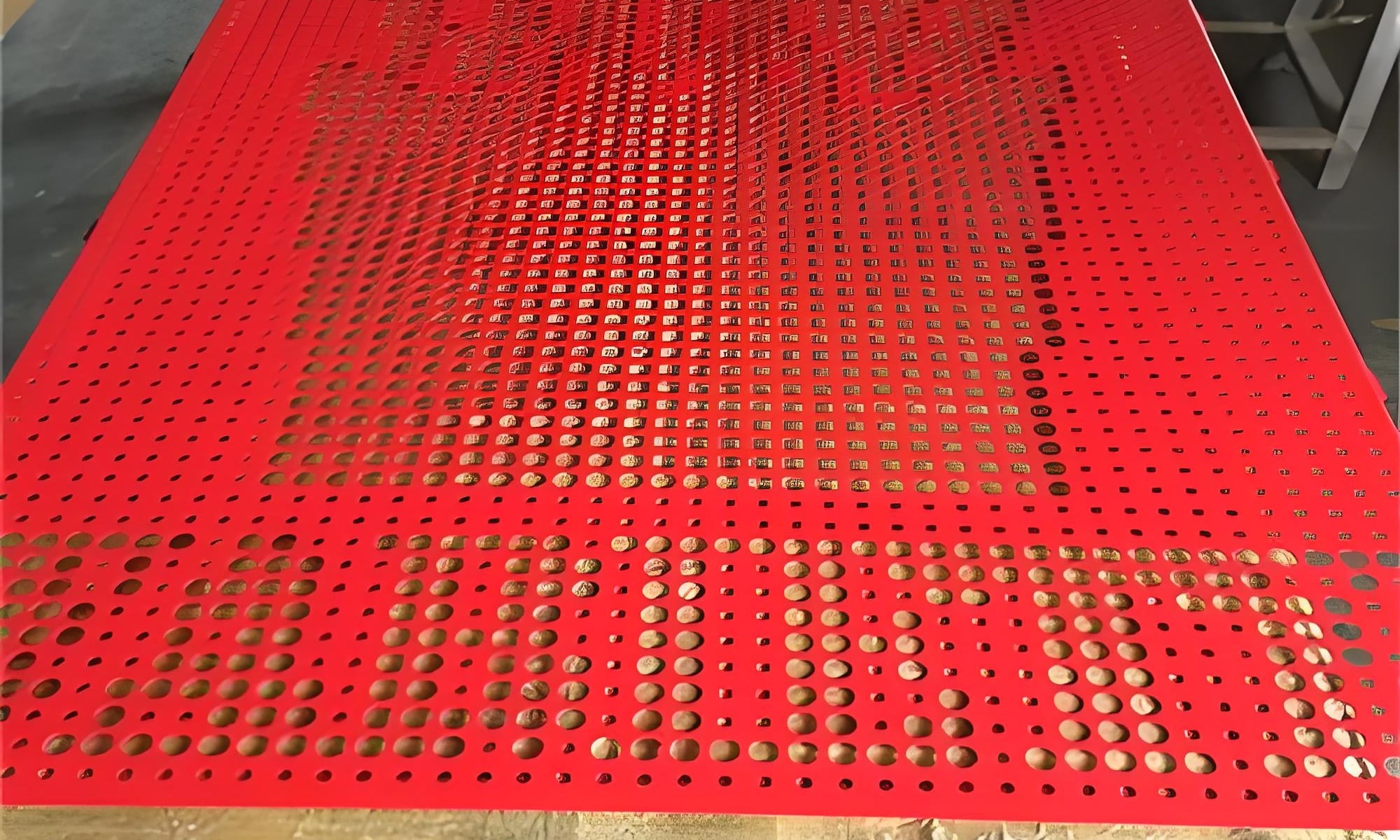
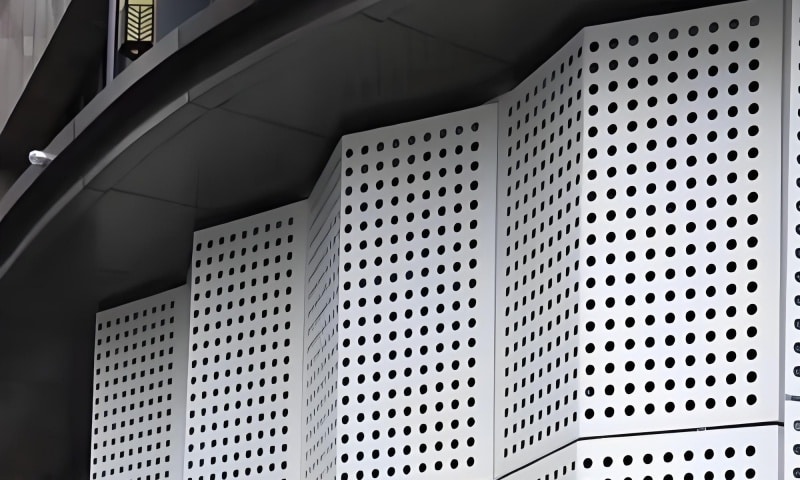
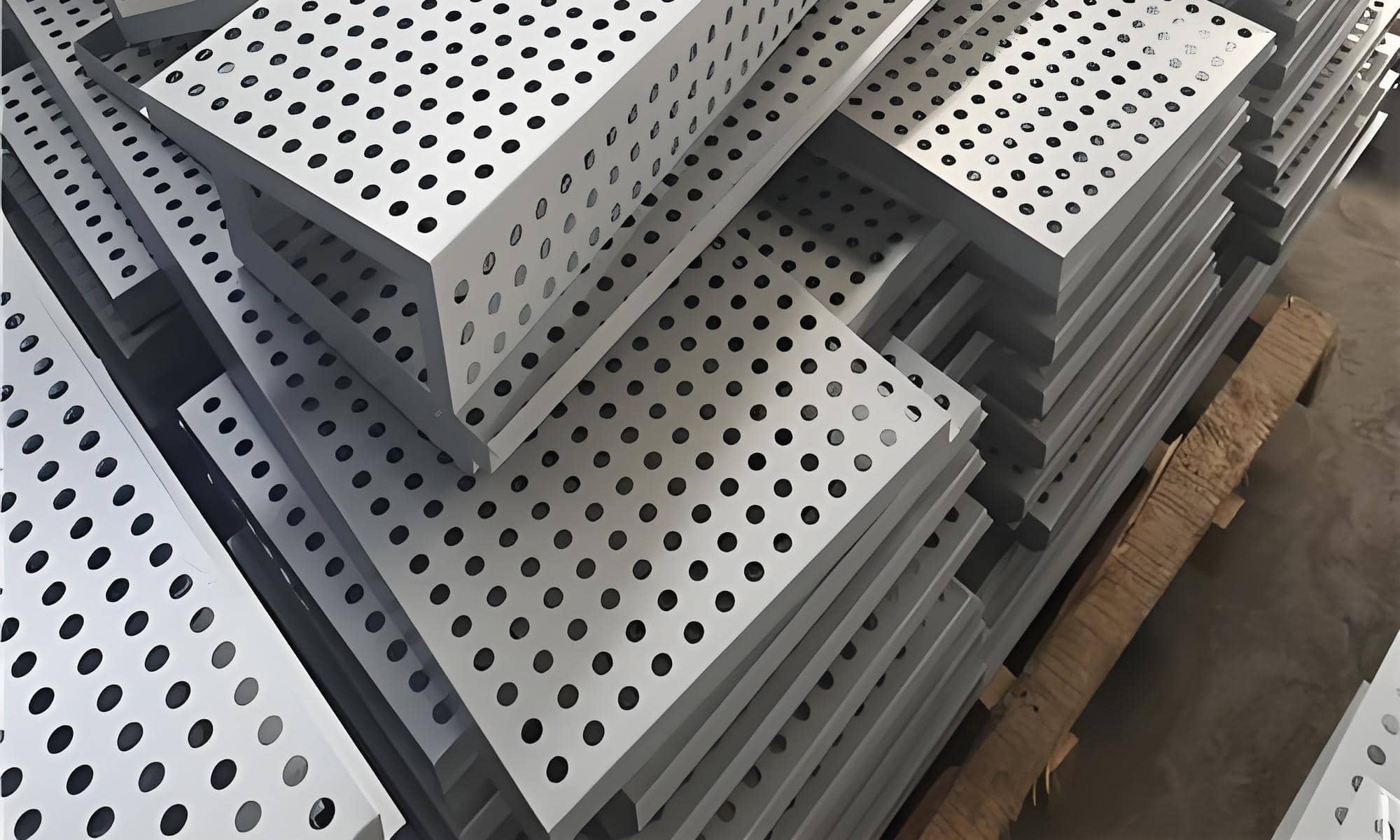
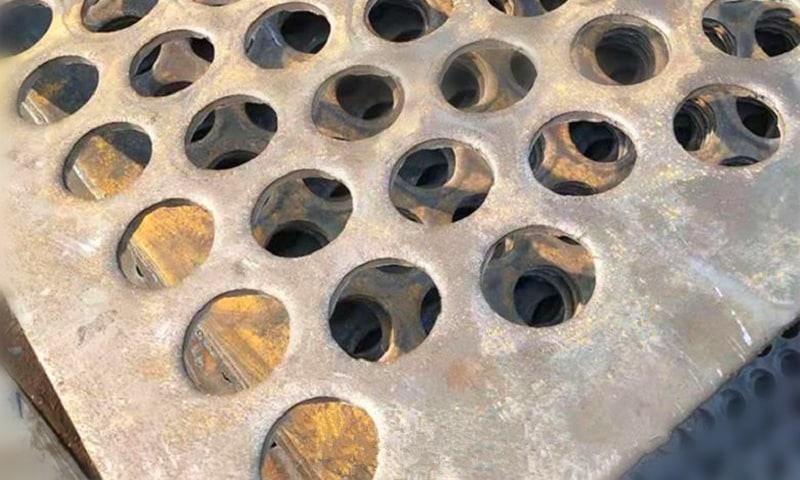
Heavy Duty Perforated Plates
Need a custom heavy-duty perforated plate?
We offer perforated plates with thickness ranging from 2.75mm to 30mm, and up to 6000×1500mm in size, available in round, square, hexagonal, and slotted patterns.
Additionally, we provide precise cutting, surface protection, and other processing services tailored to meet industrial installation requirements.
Feel free to contact us anytime, and we’ll provide a personalized solution that perfectly matches your project needs.
When Leveling Is Not Optional for Heavy Duty Perforated Plates
In many industrial applications, tolerances are not forgiving. Leveling becomes mandatory when a perforated plate is expected to perform more than a basic screening function.
Load-Bearing and Structural Applications
If the perforated plate is used as a walkable surface, safety grating, platform decking, or supporting panel, uneven flatness leads to load concentration. This can compromise structural integrity and violate safety standards.
Leveling ensures even load distribution across the full panel, not just at contact points.
Framed or Modular Installations
Warped plates fight against frames. Installers are forced to over-tighten fasteners or physically force panels into place, increasing the risk of cracking coatings or deforming surrounding structures.
Proper leveling allows plates to sit naturally within frames, reducing installation time and rework.
Post-Processing Requirements
Heavy duty perforated plates that require bending, welding, galvanizing, or powder coating must start flat. Warping before secondary processing multiplies distortion later.
In professional production workflows, leveling after punching is the control point that protects all following processes.

How Heavy Duty Perforated Plate Leveling Is Performed
Leveling is not flattening by brute force. It is a controlled mechanical correction based on thickness, material grade, hole pattern, and plate size.
Precision roller leveling systems apply incremental counter-bending forces across the plate. Stress is redistributed evenly rather than crushed out. For thick perforated plates, the process must be carefully tuned to avoid thinning, edge cracking, or pattern distortion.
An experienced manufacturer adjusts leveling parameters specifically for heavy duty perforated plates — not light gauge sheets. This difference is critical and often overlooked when sourcing internationally.
The Installation Value of Properly Leveled Perforated Plates
From an installer’s perspective, flatness equals predictability.
A properly leveled heavy duty perforated plate:
- Seats flush against supports
- Maintains consistent fastener alignment
- Reduces on-site adjustment and labor time
- Preserves coating integrity
- Delivers a finished appearance that aligns with engineering drawings
For contractors and project managers, this translates directly to cost control. Fewer site issues, fewer call-backs, and smoother inspections.
In long-term service, leveled plates also show better fatigue resistance because internal stresses have already been stabilized during production.
Flatness as a Quality Signal in Heavy Duty Perforated Plates
In the global B2B market, flatness control is one of the clearest indicators of a serious manufacturer. Anyone can punch holes. Not everyone takes responsibility for what happens after.
Buyers evaluating heavy duty perforated plates should treat leveling as a specification item, not an afterthought. It reflects process maturity, technical understanding, and respect for real-world installation conditions.
Heavy duty perforated plate leveling is not about making sheets look good on a pallet — it is about ensuring performance in the field.