In heavy industrial facilities—whether in petrochemical plants, manufacturing workshops, mezzanine platforms, or outdoor access corridors—walkway systems are expected to do more than simply support foot traffic. They must ensure slip resistance, structural stability, corrosion resistance, and long-term durability under demanding service conditions.
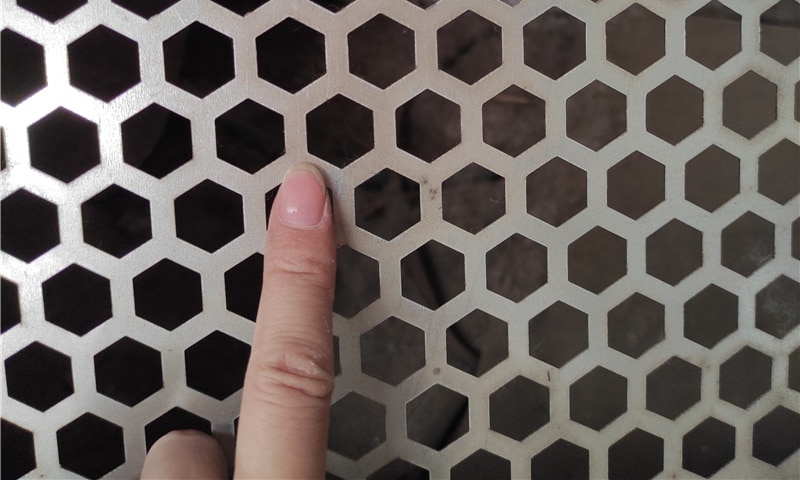
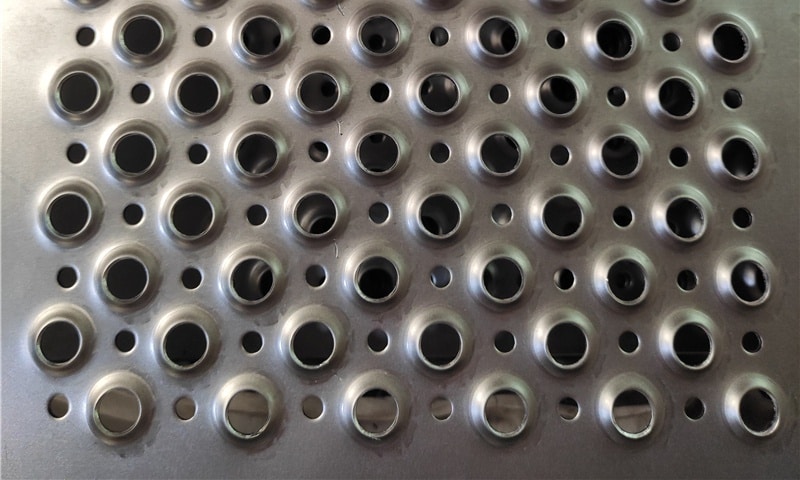
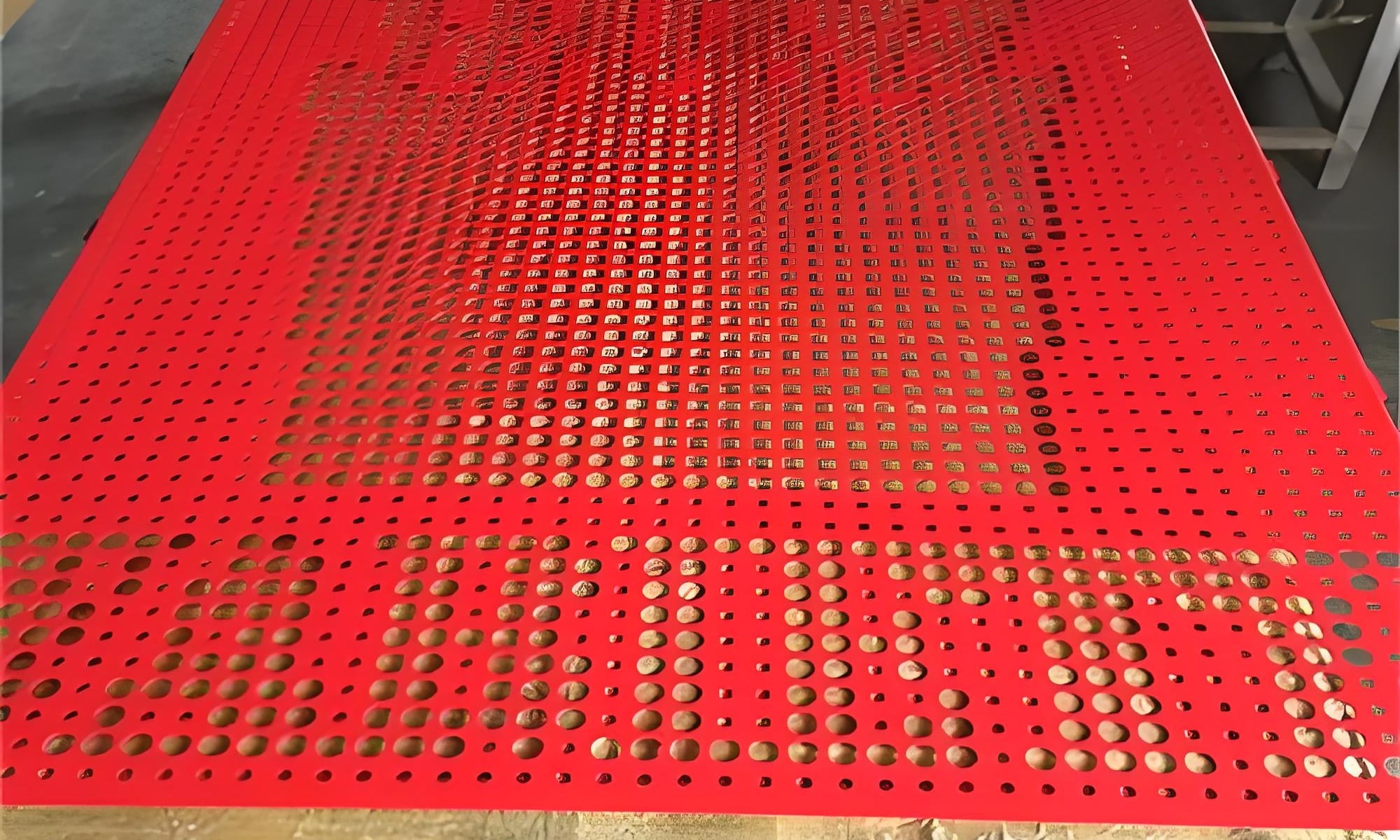
Industrial perforated safety grating is engineered specifically for these environments. Unlike expanded metal or traditional bar grating, perforated safety grating integrates a solid metal base with CNC-punched traction holes and formed surface patterns that enhance both strength and slip resistance.
As a manufacturer with years of hands-on experience in CNC punching and metal perforation, we understand that specifying the right industrial perforated safety grating is not simply about selecting a hole pattern—it’s about matching plate thickness, span capability, load performance, and surface finishing to real-world engineering requirements.
What Is Industrial Perforated Safety Grating?
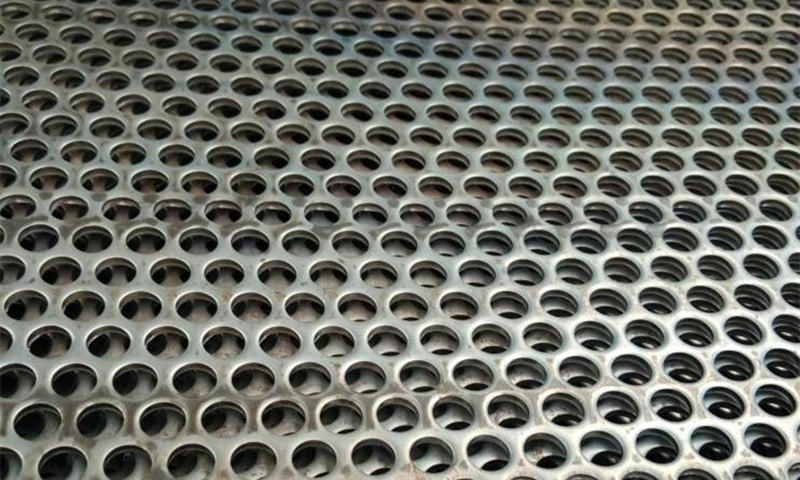
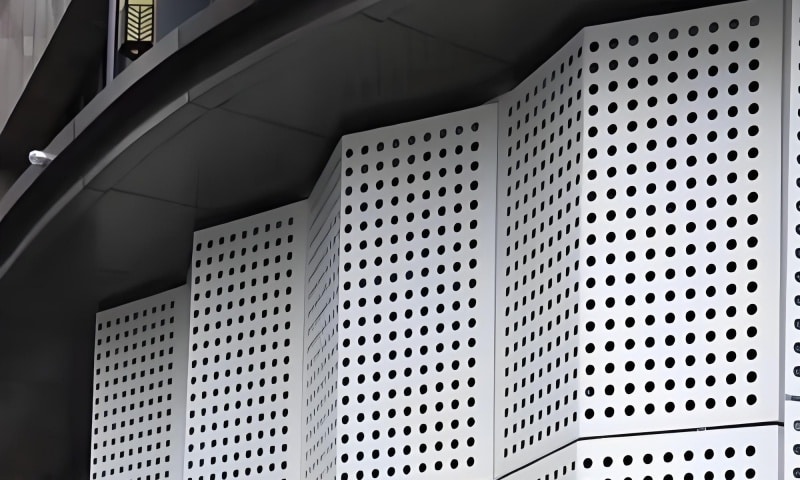
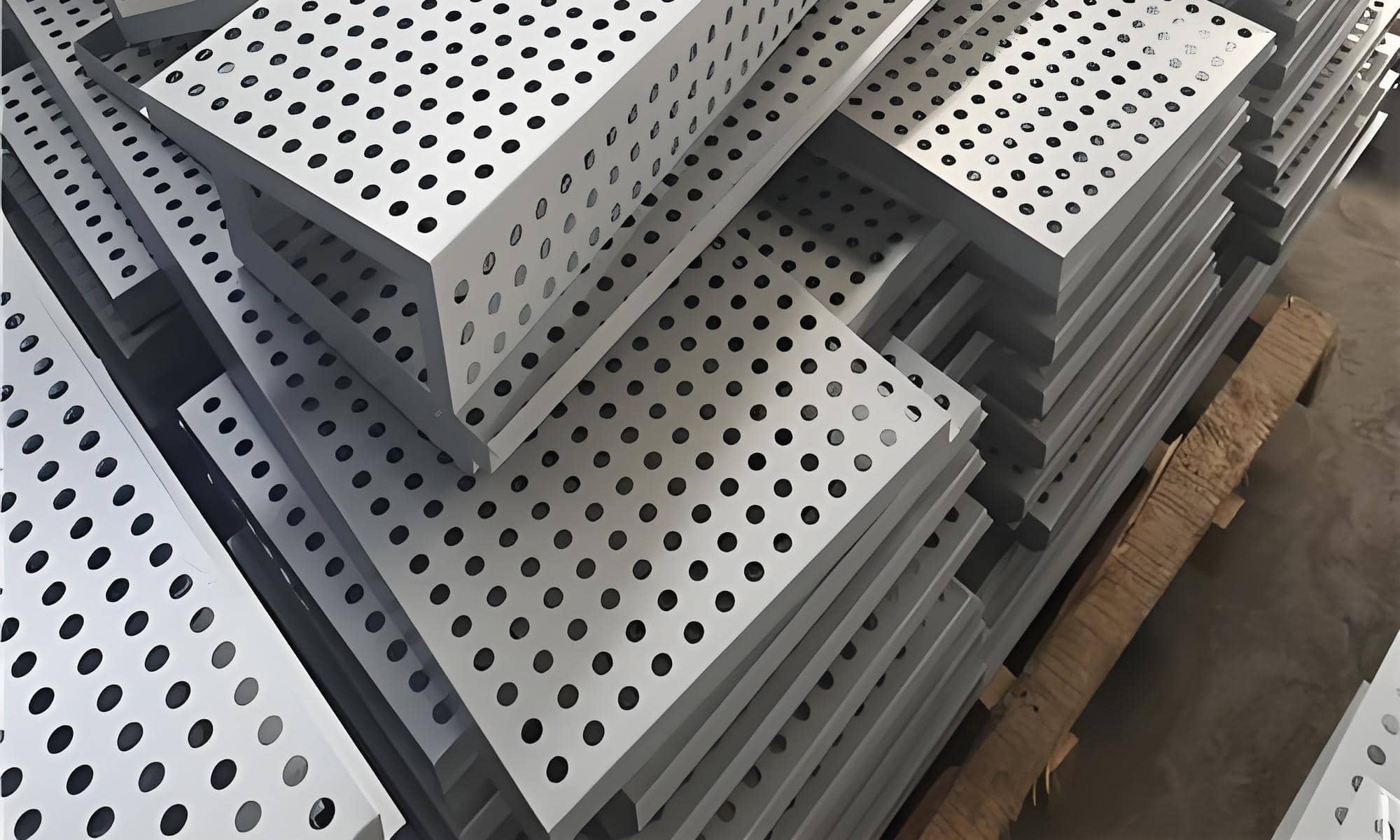
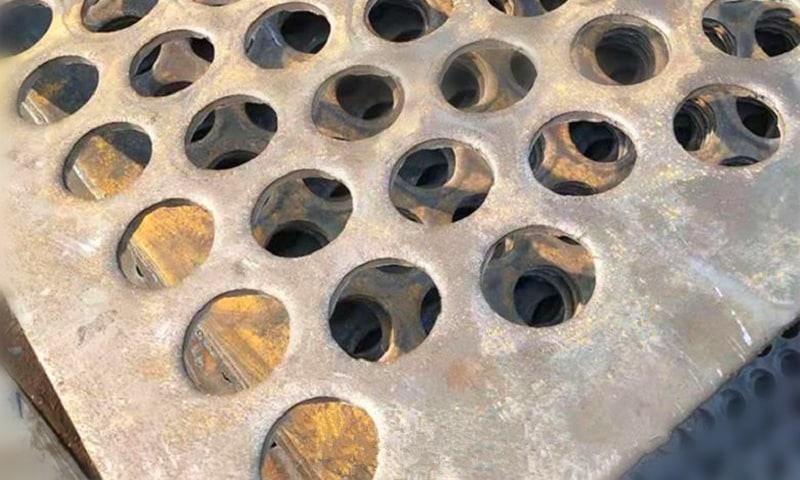
Industrial perforated safety grating is a metal grating plate fabricated from carbon steel, galvanized steel, stainless steel, or aluminum sheets. Through CNC punching and precision forming, traction holes and surface dimples are created to:
- Increase slip resistance in wet or oily conditions
- Improve load distribution across the plate
- Enhance drainage, debris shedding, and airflow
- Maintain structural continuity for higher strength
Compared with traditional welded bar grating, perforated grating provides a closed walking surface with engineered slip resistance—often preferred in food processing, chemical plants, offshore structures, and industrial platforms where dropped tools or debris containment is a concern.
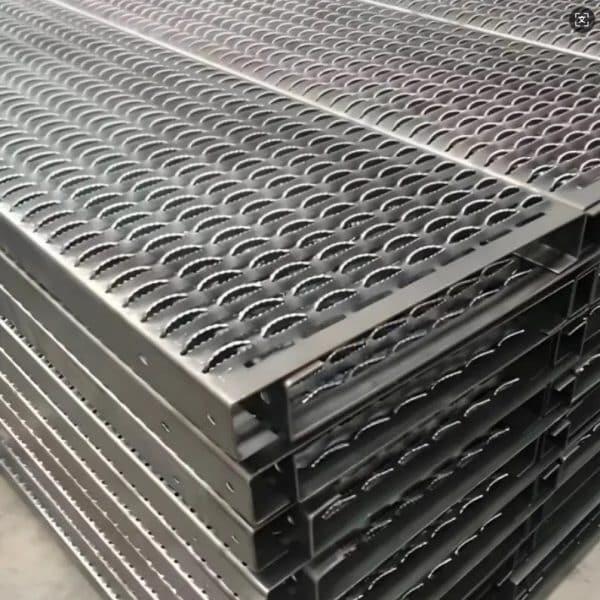
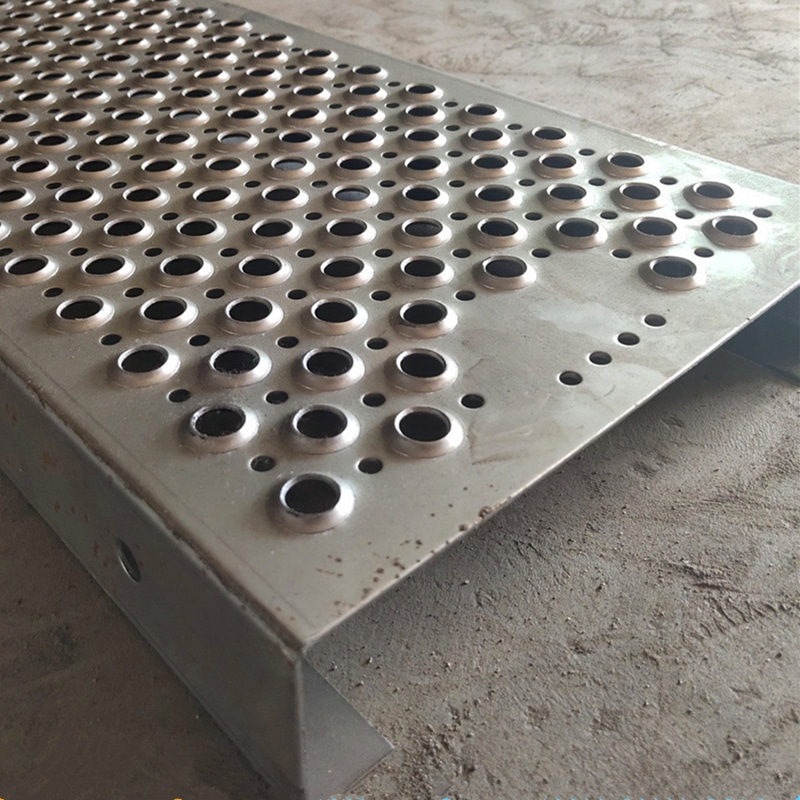
Perforated Safety Grating
Engineered perforated safety grating plate for industrial access systems.
Designed to provide slip resistance, drainage and structural strength in demanding environments such as manufacturing plants, utilities and processing facilities.
Commonly specified for:
- Stair treads and step assemblies
- Elevated walkways and access platforms
- Industrial ramps and service catwalks
Available in multiple metals and custom-fabricated to project requirements.
You can click on the product image to view the specific producible parameters or place an order.
Plate Thickness & Structural Performance
Standard Thickness Options
For industrial walkway safety grating, plate thickness directly affects span capability and load rating. Typical thickness ranges include:
- 2.0 mm (light duty pedestrian access)
- 2.5 mm – 3.0 mm (standard industrial walkways)
- 3.5 mm – 4.0 mm (heavy-duty industrial platforms)
- Custom thickness upon engineering request
In real applications, the correct thickness must be selected based on:
- Span between supports
- Expected live load (uniform load)
- Concentrated point loads
- Deflection limits per project specifications
From our production experience, engineering teams often underestimate the importance of deflection control. Even if static load capacity meets requirements, excessive deflection affects perceived safety and long-term structural integrity.
Load Capacity & Engineering Considerations
Typical Load Parameters
Industrial walkway safety grating is generally designed in compliance with international structural standards such as:
- OSHA walkway recommendations
- ANSI load requirements
- Local building code specifications
Key load considerations include:
- Uniform load (kN/m² or psf)
- Concentrated load at mid-span
- Allowable deflection (often L/200 or L/250)
Because perforated safety grating retains more base metal than expanded metal, it typically provides higher strength-to-weight performance. When fabricated with proper flanged side edges or formed stiffening channels, its structural capacity increases significantly.
For B2B project buyers, we recommend sharing:
- Clear span dimensions
- Support spacing
- Required load rating
- Application environment
This ensures engineering confirmation before production, minimizing installation risks.
Slip Resistance & Surface Performance
Safety is not optional in industrial walkway design.
The punched traction holes and raised surface patterns create multidirectional grip that remains effective in:
- Wet environments
- Oily production floors
- Coastal or offshore platforms
- Dust-prone industrial areas
Unlike flat perforated sheets, walkway safety grating integrates both perforation and forming processes to deliver certified anti-slip performance.
Surface finishes further enhance durability:
- Hot-dip galvanized (for outdoor corrosion resistance)
- Pre-galvanized steel
- Stainless steel (304 / 316) for aggressive environments
- Powder-coated finishes for architectural-industrial hybrids
Material selection must match the service environment to ensure long-term ROI for industrial operators.

Manufacturing Precision & Dimensional Control
As a CNC punching manufacturer specializing in metal grating plates, we focus heavily on:
- Hole pattern consistency
- Edge forming accuracy
- Flatness control
- Burr-free finishing
Industrial clients typically require panels in standardized widths (often 24” or 36”) with custom lengths based on project layout. Side channels, toe plates, and anti-slip stair treads can be integrated during fabrication.
Proper CNC programming ensures:
- Repeatability across bulk production
- Tight dimensional tolerances
- Reduced onsite modification
For large projects, consistency directly impacts installation efficiency.
Industrial Applications
Industrial perforated safety grating is widely used in:
- Petrochemical plants
- Power generation facilities
- Wastewater treatment plants
- Manufacturing platforms
- Mezzanine floors
- Conveyor and machinery access walkways
- Offshore structures
Its ability to combine load-bearing strength with controlled perforation makes it a preferred solution where safety compliance and structural performance must coexist.
Why Engineering-Driven Specification Matters
Selecting an industrial perforated safety grating plate should not be treated as a commodity purchase. Engineering input at the early stage avoids:
- Over-specification and unnecessary cost
- Under-specification and safety risk
- Installation incompatibility
- Premature corrosion failure
In B2B industrial markets, long-term reliability speaks louder than short-term savings. Proper material thickness, verified load capacity, and appropriate surface treatment determine total lifecycle value.
Final Thoughts
Industrial walkway systems are critical infrastructure components inside any facility. A properly engineered industrial perforated safety grating system protects personnel, improves operational efficiency, and meets regulatory compliance.
If you are specifying walkway safety grating for an upcoming project, providing detailed load and span requirements allows us to recommend the correct metal grating plate configuration with confidence.
Structural integrity and safety start with the right specification.