Access Walkways Need More Than Basic Traction
In industrial facilities, access walkways are not just paths from one point to another. They are working surfaces used by maintenance crews, inspectors, and contractors who often carry tools, work in wet conditions, and move between elevated or confined areas. That is why the right Access Walkway Safety Grating Plate needs to do more than simply support foot traffic.
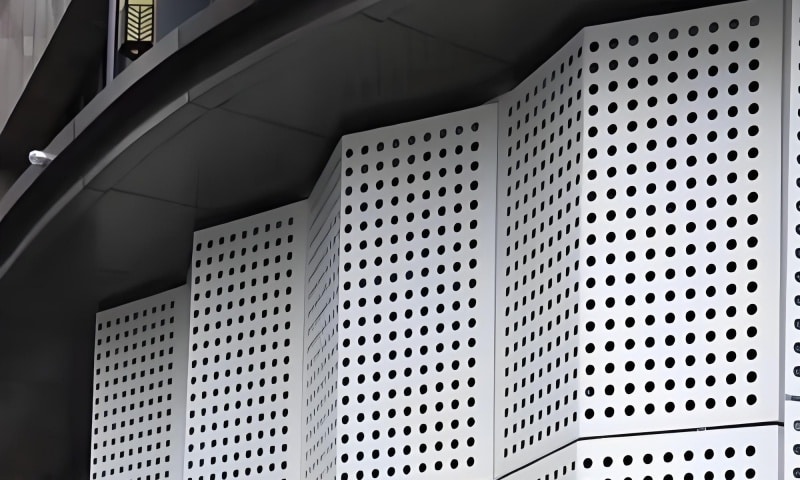
A well-designed perforated safety grating plate helps improve grip underfoot while maintaining the open, functional structure that many facilities need for drainage, airflow, and day-to-day access. For plants, warehouses, processing lines, utilities, and retrofit projects, this balance matters. Safety cannot come at the expense of practicality.
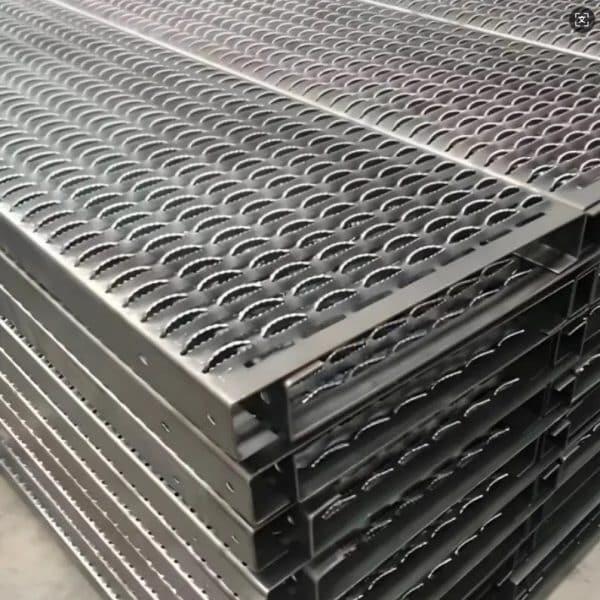
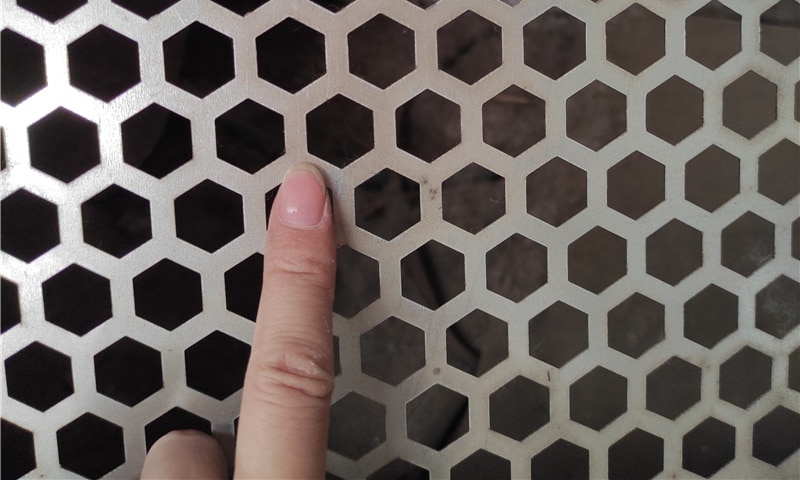
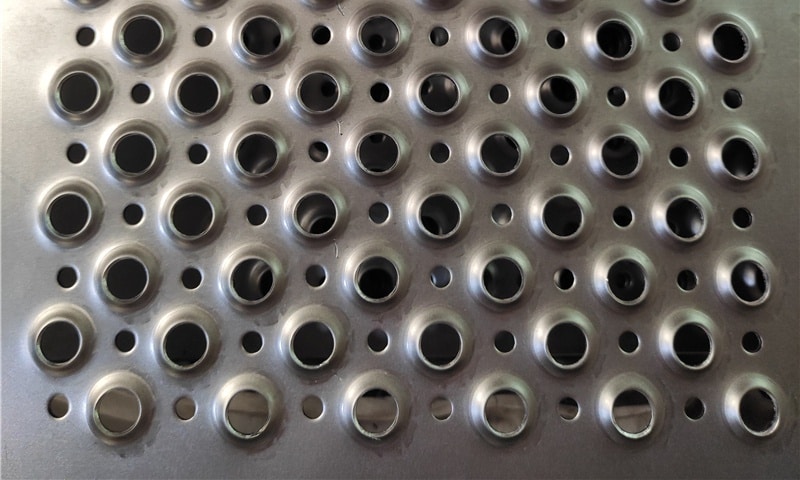
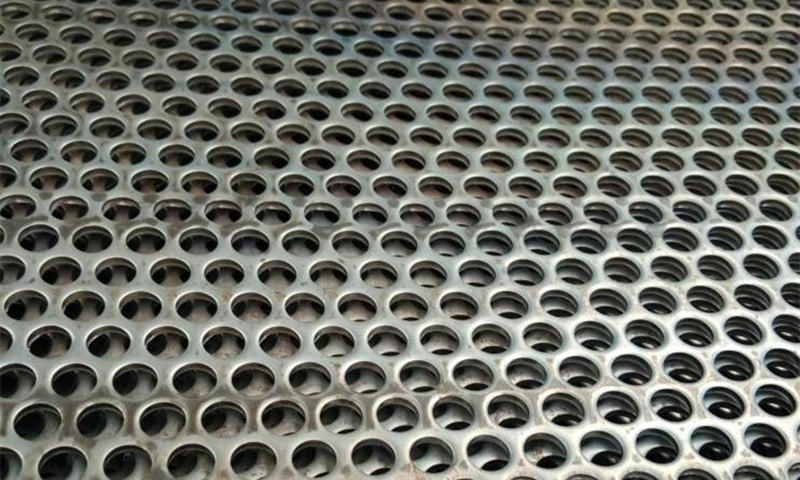
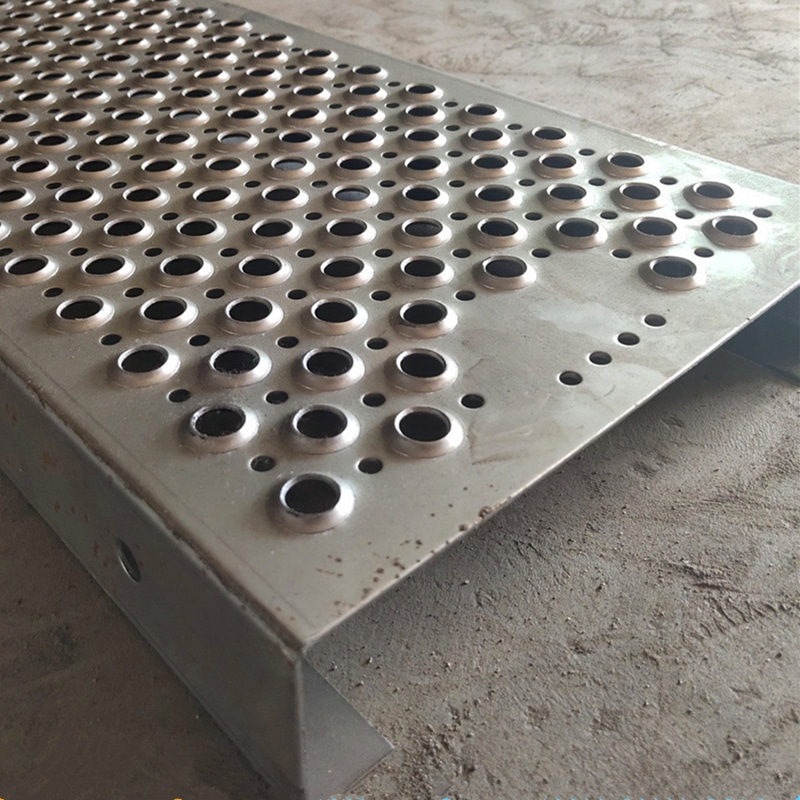
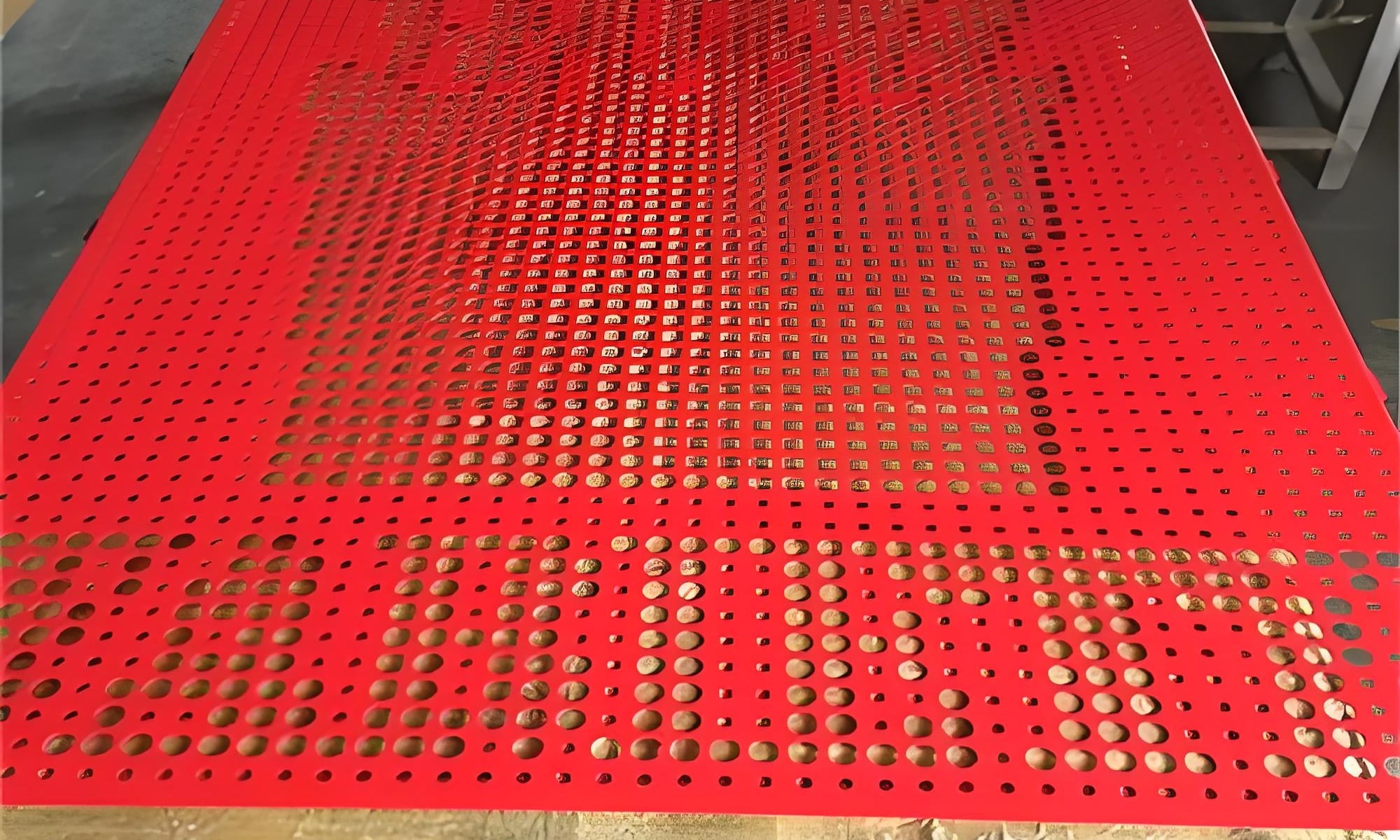
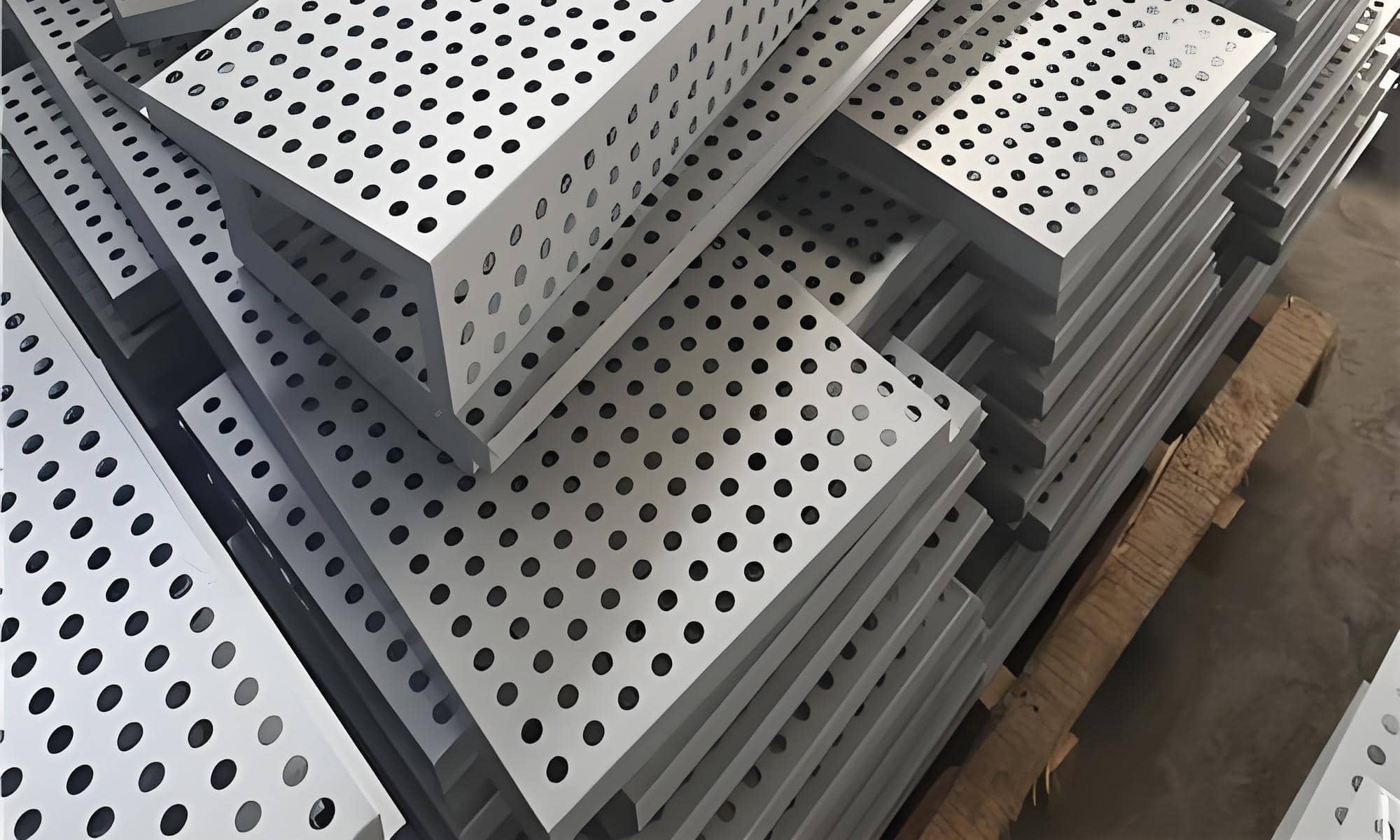
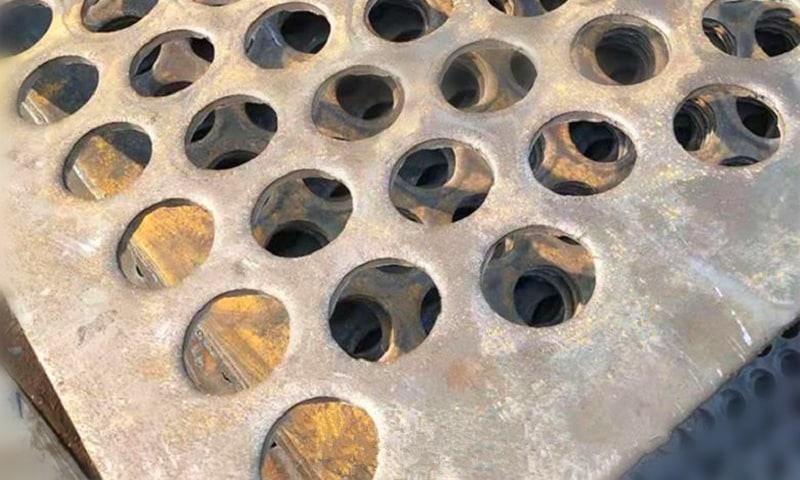
Perforated Safety Grating
Engineered perforated safety grating plate for industrial access systems.
Designed to provide slip resistance, drainage and structural strength in demanding environments such as manufacturing plants, utilities and processing facilities.
Commonly specified for:
- Stair treads and step assemblies
- Elevated walkways and access platforms
- Industrial ramps and service catwalks
Available in multiple metals and custom-fabricated to project requirements.
You can click on the product image to view the specific producible parameters or place an order.
Why Lightweight Design Matters in Retrofit Projects
One of the biggest advantages of a perforated safety grating solution is its lightweight construction. For older facilities, this can make a real difference during upgrades.
When a site is retrofitting existing platforms or access walkways, heavy structural components can add installation complexity, increase labor time, and place unnecessary load on the supporting frame. A lighter grating plate is easier to handle, easier to install, and often more efficient to integrate into a live facility where downtime must stay limited.
This is especially important in maintenance-heavy environments. Facility managers are often looking for improvements that are straightforward to install without requiring major structural changes. A properly specified Access Walkway Safety Grating Plate can support that goal by improving safety performance while reducing the burden on the existing structure.
How Perforated Surfaces Improve Worker Safety
Slip resistance is one of the most important reasons buyers choose perforated safety grating. Maintenance personnel rarely work in ideal conditions. Walkways may be exposed to rain, condensation, oil mist, dust, debris, or routine washdown. In those environments, a flat surface can become a liability very quickly.
Perforation helps create a more secure walking surface by increasing grip and reducing the chance of slipping. It also allows liquids and small debris to pass through the surface instead of collecting on top of it. That is a practical benefit for safety and housekeeping at the same time.
For B2B customers, this is not just a comfort issue. It is a maintenance and liability issue. A safer access walkway can help reduce incident risk, support safer inspections, and improve confidence for workers who rely on the platform every day.
A Better Fit for Industrial Maintenance Environments
Different facilities have different needs, but the best access solutions usually share a few qualities: durability, usability, and consistency over time. A perforated safety grating plate is well suited for operations where access points must stay reliable without creating extra maintenance work.
In manufacturing plants, utility stations, mechanical rooms, and service platforms, access walkways are often exposed to constant wear. The walking surface must hold up to repeated traffic while remaining functional in demanding conditions. That is where the design of the grating plate becomes important.
A quality Access Walkway Safety Grating Plate should provide:
- dependable slip resistance
- practical open area for drainage or debris control
- manageable weight for installation and replacement
- long-term performance in industrial conditions
These are not just product features. They are part of how a facility protects people while keeping operations moving.

Choosing the Right Grating Plate for the Job
Not every perforated grating plate is the same. The right choice depends on how the walkway will be used, how much load it must carry, and what kind of environment it will face.
Consider the walking traffic
A walkway used by occasional maintenance staff has different requirements than a heavily trafficked service corridor. The grating should be selected based on actual use, not only on appearance or standard catalog dimensions.
Consider the site environment
Wet, oily, dusty, or outdoor areas may need a more aggressive slip-resistant pattern. Areas with drainage concerns may benefit from a perforation pattern that helps prevent surface buildup.
Consider retrofit limitations
For renovation projects, weight and installation practicality are often just as important as strength. A lightweight grating plate can simplify integration into existing steel structures and reduce disruption during installation.
Consider long-term maintenance
The best access solution is one that stays functional with minimal upkeep. Buyers in industrial and construction markets usually want a product that delivers reliable performance without adding unnecessary maintenance overhead.
Built for Practical Safety, Not Just Spec Sheets
Engineering teams and procurement managers often look at technical data first, but real-world performance is what makes a product valuable. A perforated safety grating plate should support safe access in everyday conditions, not just meet a checklist on paper.
That is especially true for maintenance access walkways, where people may be moving quickly, carrying equipment, or working under pressure. In those moments, small design details matter. Surface grip, panel weight, open area, and installation fit all influence how safe and efficient the walkway will be in actual use.
For facilities that care about both worker protection and operational efficiency, the Access Walkway Safety Grating Plate is a practical solution that fits modern industrial expectations.
A Smart Choice for Safer Access
Access walkways are one of the most overlooked parts of a facility, yet they are also among the most frequently used. Improving these areas with perforated safety grating can make maintenance access safer, easier, and more dependable.
For retrofit projects in particular, lightweight grating plates offer a strong advantage. They are easier to handle, easier to install, and better suited to existing structures where added weight can be a concern. Combined with slip-resistant performance, they help create a safer environment for maintenance personnel without sacrificing usability.
In industrial settings, that balance is exactly what matters.