Metal perforated safety grating is a widely specified industrial access component used where slip resistance, drainage, and structural strength are required. It is commonly installed on stair treads, walkways, platforms, ramps, and catwalks across manufacturing plants, utilities, and processing facilities.
This article explains how metal perforated safety grating works, why engineers specify it, and what technical factors matter during selection and procurement.
What is metal perforated safety grating?
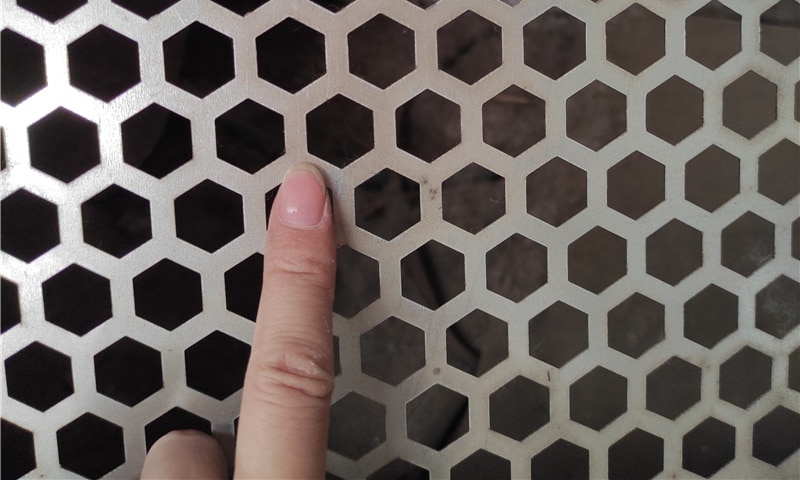
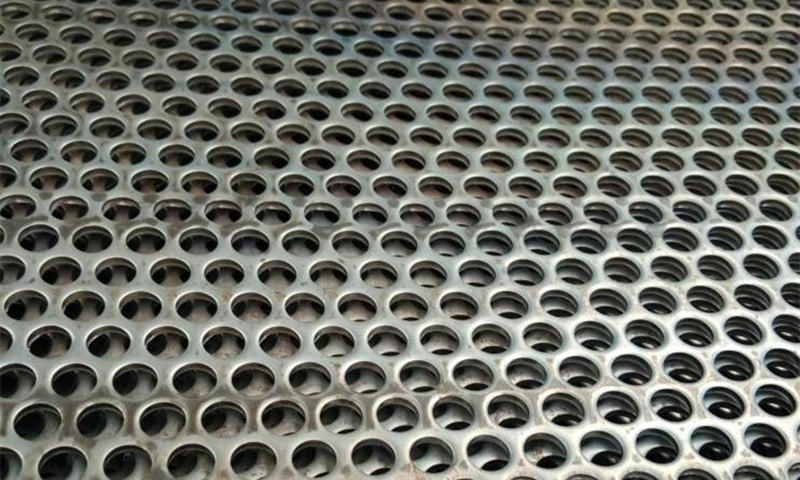
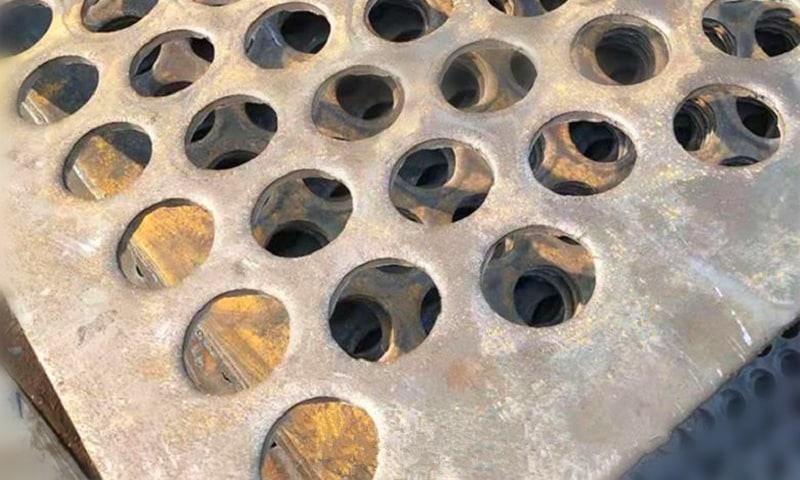
Metal perforated safety grating is a load-bearing metal plate manufactured by punching engineered hole patterns into steel or aluminum sheet.
The perforations create:
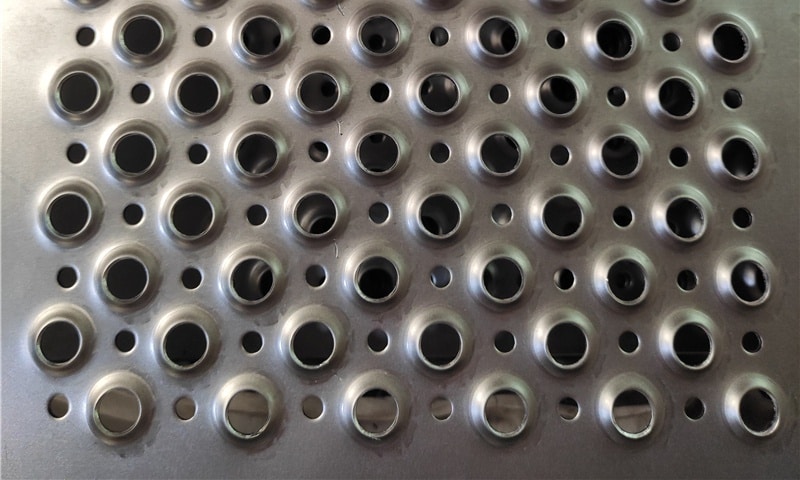
- Raised edges or grip features that improve foot traction
- Open area for liquid, debris, and snow drainage
- A controlled balance between strength and weight
Unlike decorative perforated metal, safety grating is designed specifically for personnel access and industrial safety compliance.
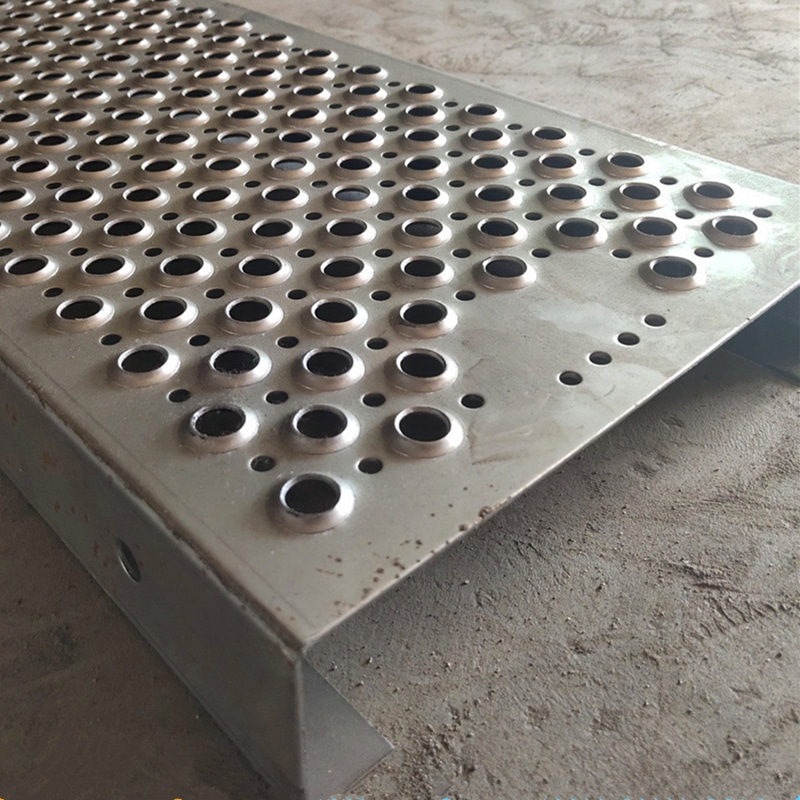
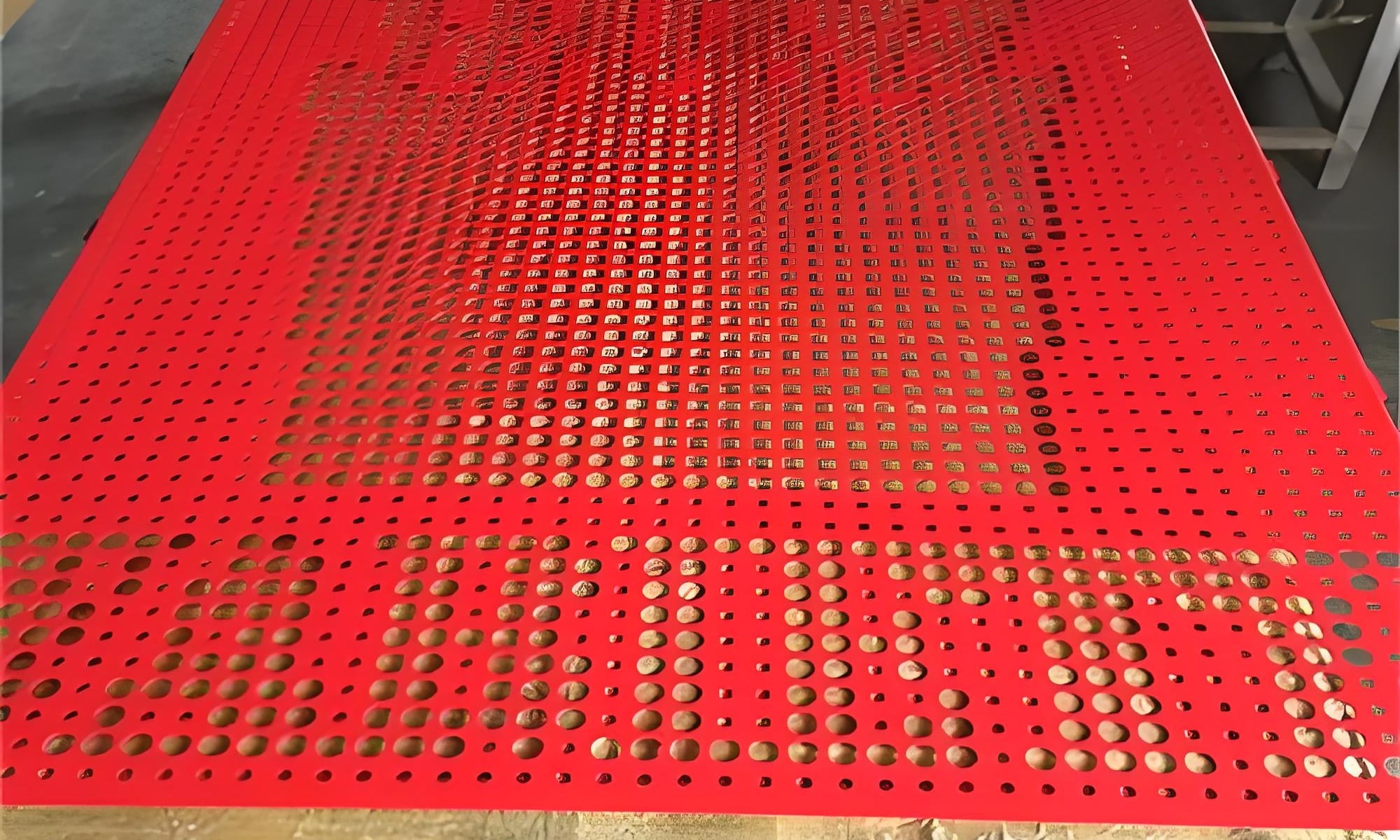
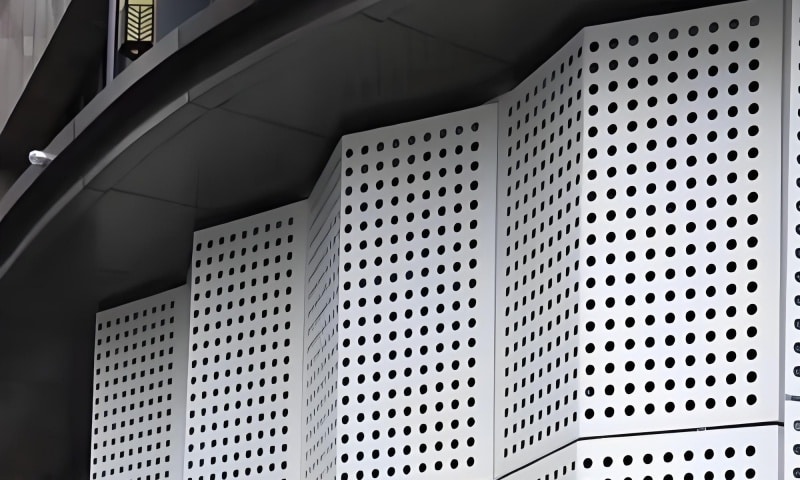
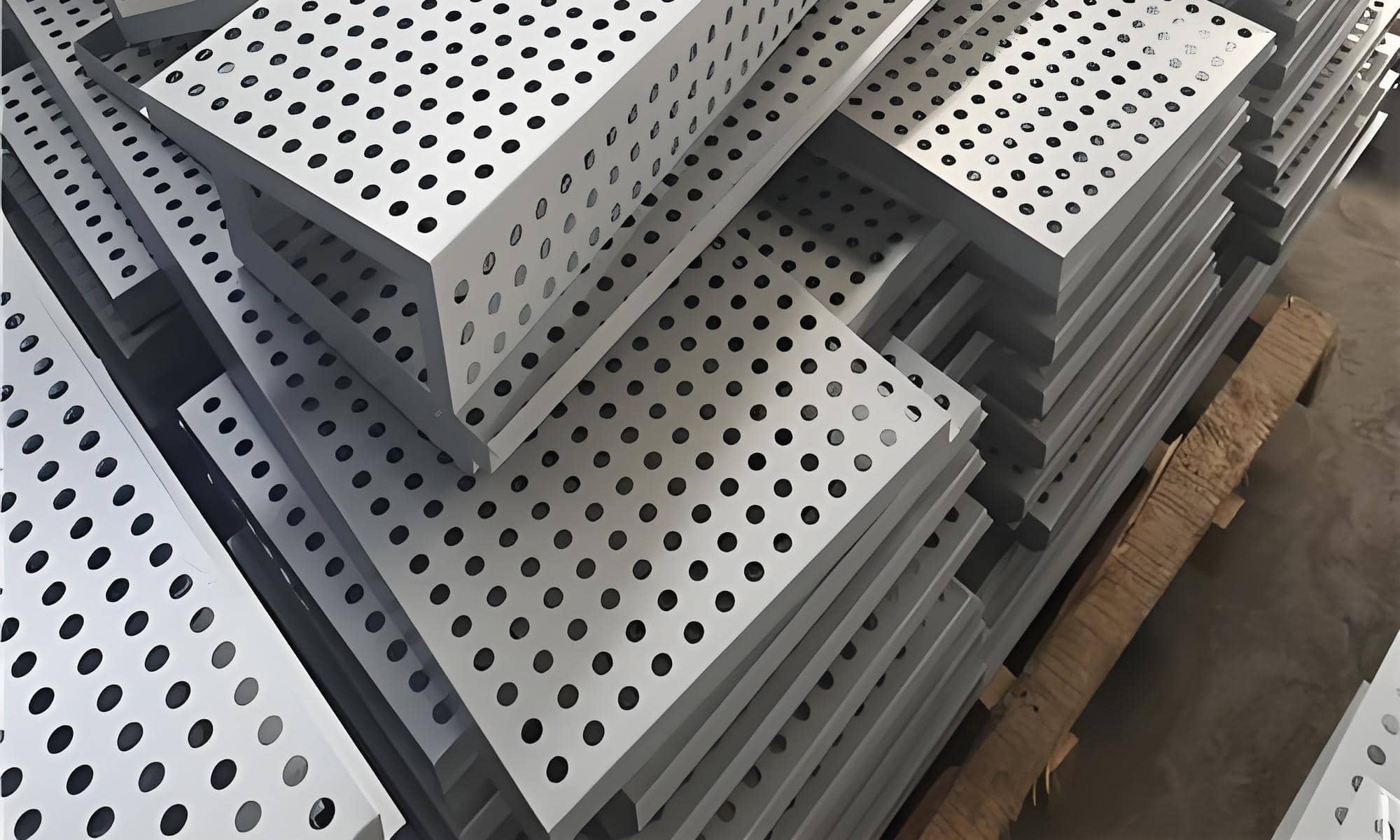
In many projects, this product is specified as a perforated safety grating plate and fabricated to match the exact stair or platform geometry.
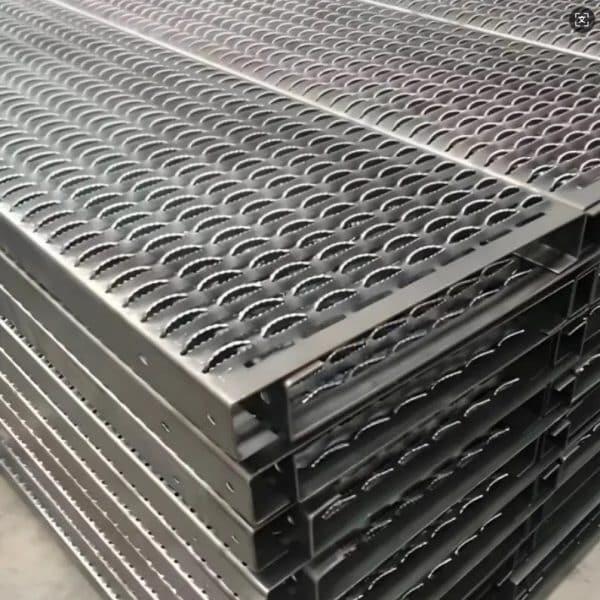
Perforated Safety Grating
Engineered perforated safety grating plate for industrial access systems.
Designed to provide slip resistance, drainage and structural strength in demanding environments such as manufacturing plants, utilities and processing facilities.
Commonly specified for:
- Stair treads and step assemblies
- Elevated walkways and access platforms
- Industrial ramps and service catwalks
Available in multiple metals and custom-fabricated to project requirements.
You can click on the product image to view the specific producible parameters or place an order.
How perforated safety grating provides slip resistance
Punch pattern and surface profile
Slip resistance is achieved through the geometry of the punched holes, not surface coatings.
- Fish-eye / grip punch patterns create directional traction
- Raised edges around perforations increase friction under wet or oily conditions
- The pattern orientation can be aligned with foot traffic for maximum effectiveness
Because traction is built into the metal itself, performance does not rely on applied abrasives that may wear off over time.
Drainage and debris control
The open area percentage allows water, oil, and loose material to pass through the surface, reducing standing liquid — one of the main causes of industrial slips and falls.
This makes perforated safety grating suitable for both indoor and outdoor installations.

Common materials used in metal perforated safety grating
Carbon steel and galvanized steel
- Used for general industrial environments
- Often supplied with hot-dip galvanizing for corrosion protection
- Cost-effective for large-scale projects
Stainless steel (304 / 316)
- Preferred for wash-down, chemical exposure, or corrosive environments
- 316 stainless is commonly specified for chloride or coastal applications
- Long service life with minimal maintenance
Aluminum
- Used where weight reduction is critical
- Suitable for platforms with moderate load requirements
- Naturally corrosion resistant in many environments
Material selection should always consider environmental exposure, maintenance access, and design life.
Load capacity and structural performance
Metal perforated safety grating is engineered as a structural walking surface, not a cosmetic panel.
When specifying, engineers typically define:
- Required live load (psf or kN/m²)
- Support spacing and bearing conditions
- Allowable deflection limits (for example, L/240)
Plate thickness, perforation layout, and any welded reinforcement are selected to meet these criteria without unnecessary weight.
Typical industrial applications
Metal perforated safety grating is commonly specified for:
- Industrial stair treads and step assemblies
- Elevated walkways and access platforms
- Service ramps and maintenance catwalks
- Equipment access areas where slip risk is high
In stair systems, perforated stair treads are often supplied with folded edges or welded nosings to simplify installation and improve durability.
Fabrication and customization considerations
For industrial projects, safety grating is rarely off-the-shelf.
Common fabrication requirements include:
- Cut-to-size panels based on shop drawings
- Folded or hemmed edges for safety and stiffness
- Welded frames or support angles
- Pre-drilled mounting holes or slots
Providing accurate drawings and installation details during RFQ stage helps ensure correct fit and reduces site modifications.
Procurement notes for engineers and buyers
When sourcing metal perforated safety grating, procurement documents should clearly state:
- Material grade and surface finish
- Punch pattern and open area requirements
- Design load and span conditions
- Edge treatment and fabrication details
- Inspection and quality expectations
Clear technical specifications lead to faster quotations and fewer coordination issues during fabrication.
Conclusion
Metal perforated safety grating is a proven solution for industrial access and safety applications where traction, drainage, and load performance are critical.
Understanding how material choice, perforation design, and structural requirements interact allows engineers and buyers to specify the right product for long-term, reliable use.