Why Elevated Platforms Demand a Different Kind of Grating
On elevated platforms—mezzanines, maintenance decks, catwalks, and equipment access areas—slips don’t just cause downtime. They can turn into serious incidents because of the height and nearby machinery.
That’s why platforms perforated safety grating is a go-to option for engineers who want dependable traction without creating a “maintenance headache” in dusty, wet, oily, or outdoor environments. Compared with traditional bar grating or smooth plate, perforated designs can deliver a practical balance of footing, drainage, and strength for industrial platform flooring.
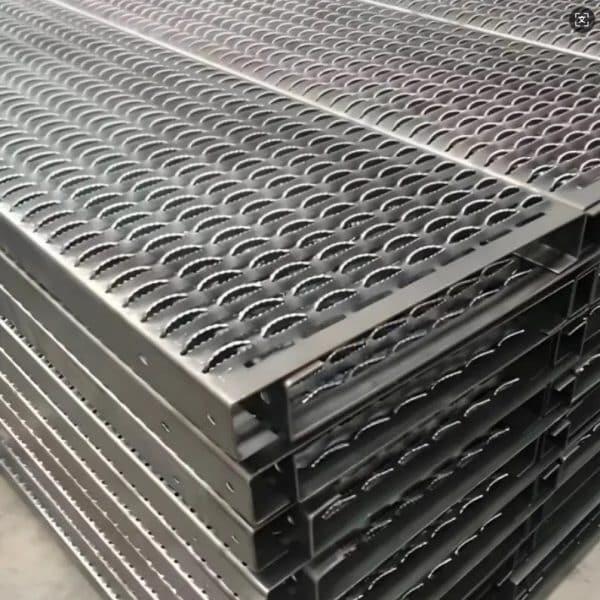
Perforated Safety Grating
Perforated Safety Grating
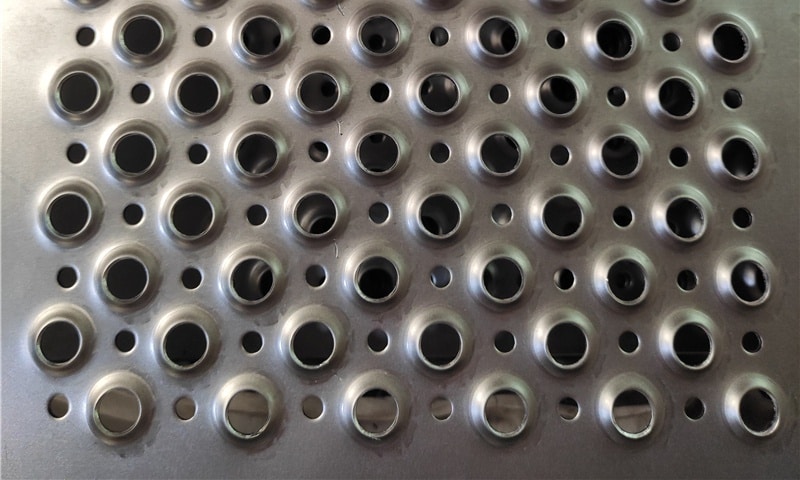
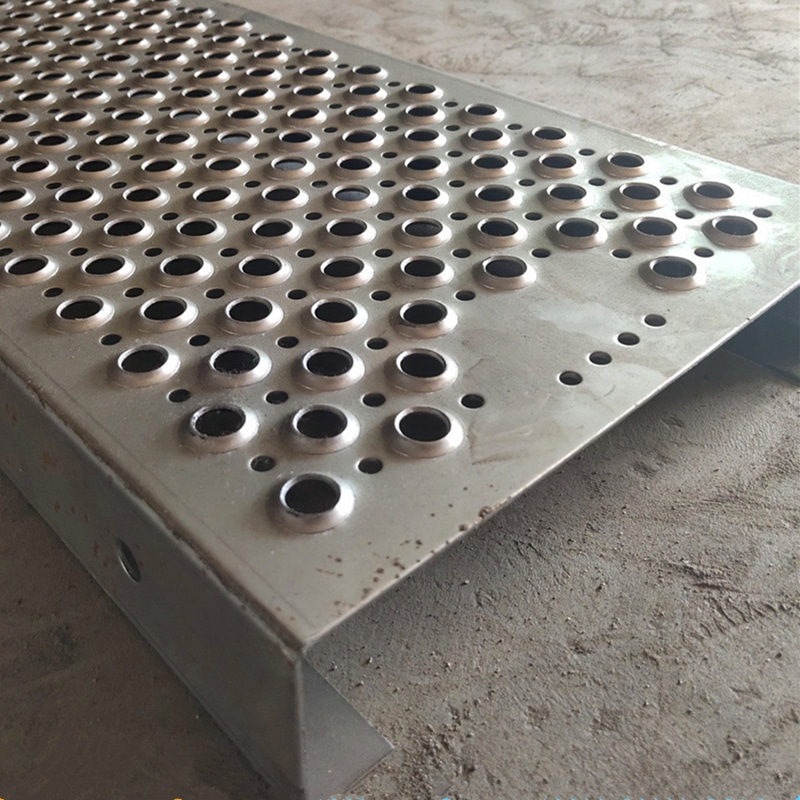
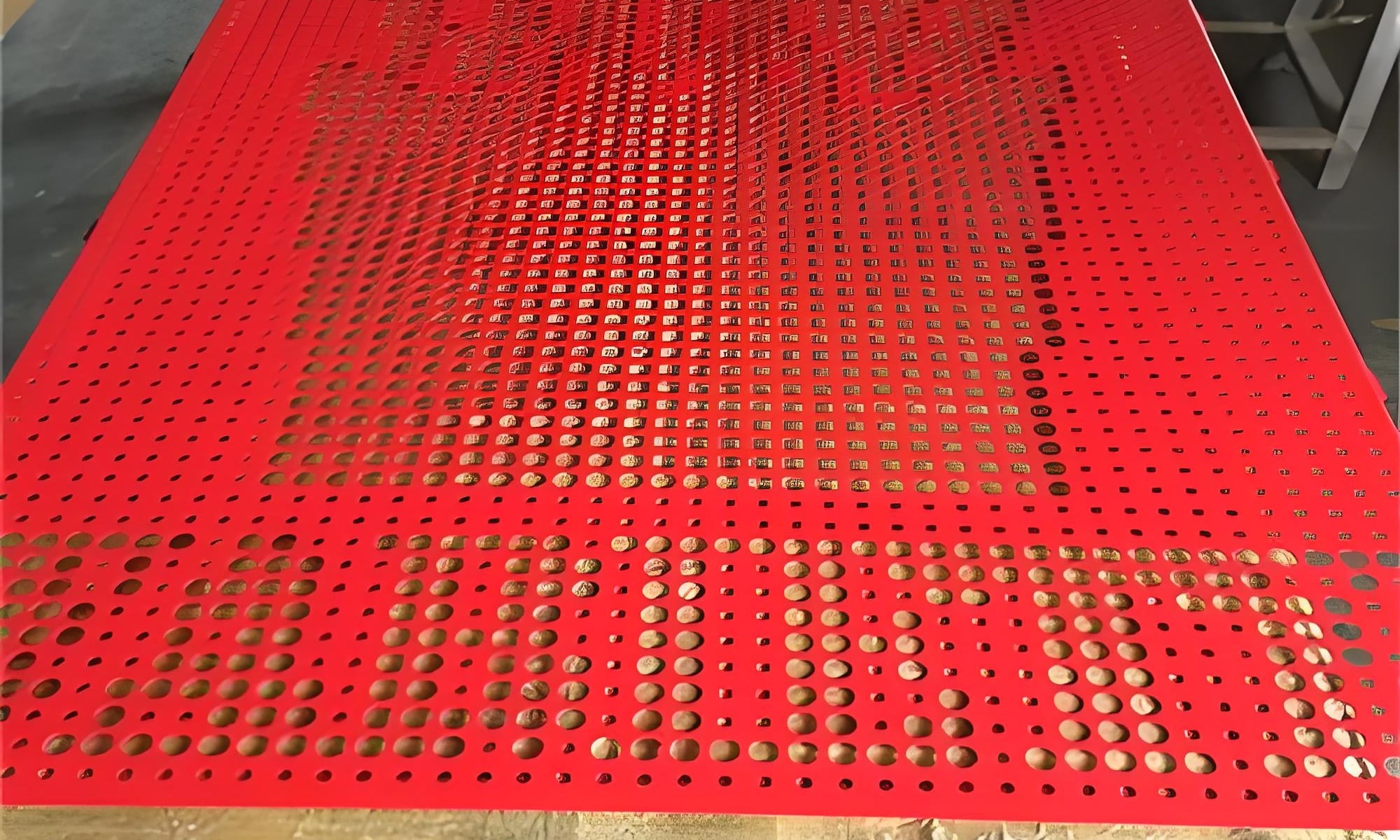
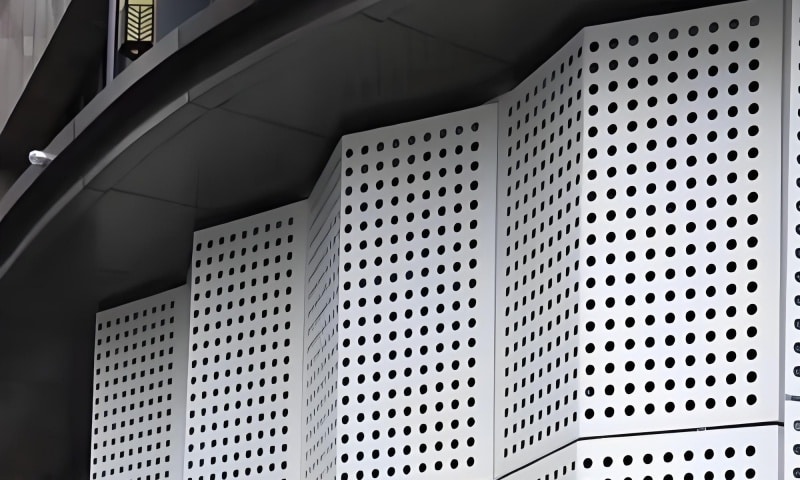
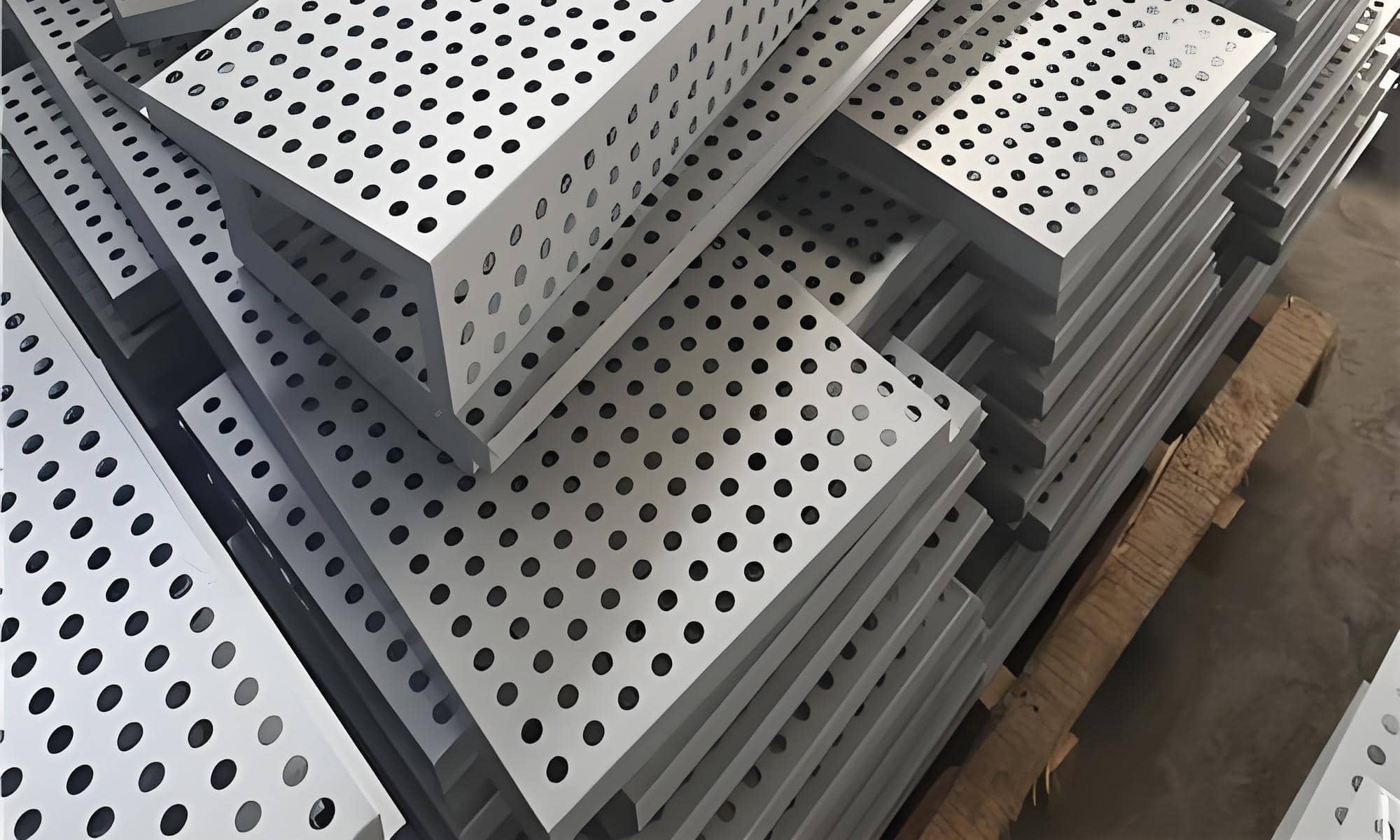
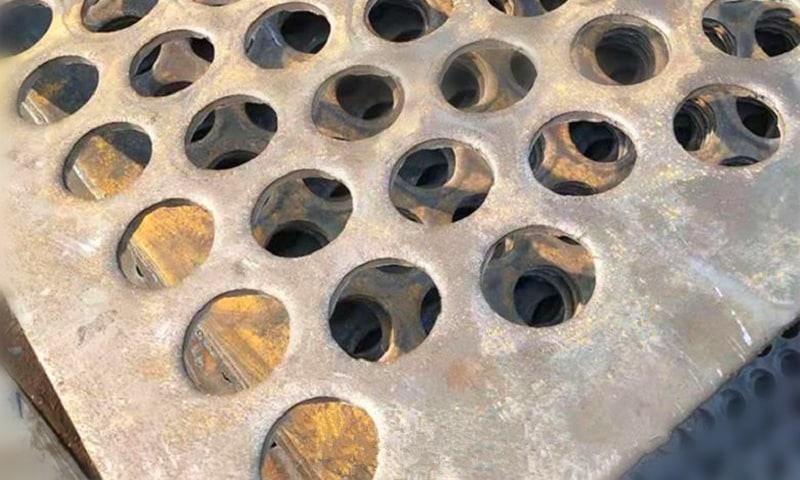
Engineered perforated safety grating plate for industrial access systems.
Designed to provide slip resistance, drainage and structural strength in demanding environments such as manufacturing plants, utilities and processing facilities.
Commonly specified for:
- Stair treads and step assemblies
- Elevated walkways and access platforms
- Industrial ramps and service catwalks
Available in multiple metals and custom-fabricated to project requirements.
You can click on the product image to view the specific producible parameters or place an order.
Built-In Slip Resistance from the Perforated Pattern
A key advantage of metal safety grating is that traction is designed into the sheet—not added later as a coating that can wear unevenly.
How perforations improve traction
- Edges and contact points: The perforated geometry increases grip under boots and work shoes.
- Water/oil break-up: Perforations help disrupt surface films that typically cause “skating” on smooth floors.
- Consistent performance: Because traction comes from the pattern, it remains more consistent over the service life (with normal wear).
For platform areas where workers carry tools or move parts, that extra stability is often the difference between “acceptable” and “confidence-inspiring.”
Self-Cleaning Performance for Real-World Job Sites
Platforms collect debris—metal fines, sand, dust, mud, snow, packaging scraps, even product residue. A flat plate traps it. Some grating styles let debris sit on top. Perforated designs can reduce build-up by giving debris somewhere to go.
What “self-cleaning” means in practice
- Drainage: Rain, washdown water, and splash can pass through, reducing standing water.
- Debris shedding: Small particles have less surface to rest on and are more likely to fall through with vibration or foot traffic.
- Faster housekeeping: Crews spend less time scraping, squeegeeing, or pressure washing stubborn patches.
If you operate outdoor platforms or washdown environments, this is where platforms perforated safety grating earns its keep: fewer slippery zones and less cleanup time.

Design Choices That Matter for Platforms
Not all perforated grating performs the same. The right spec depends on load, span, exposure, and how the platform is used.
Material options for industrial platform flooring
- Carbon steel: Strong and cost-effective for heavy-duty platforms (common for general industry).
- Galvanized steel: Added corrosion resistance for outdoor platforms and humid facilities.
- Aluminum: Lighter weight for easier handling and reduced structural load.
- Stainless steel: Best for corrosive settings and frequent washdown (food, chemical, coastal).
Key engineering variables
- Sheet thickness & support spacing: Drives load capacity and deflection control.
- Open area: More open area improves drainage/self-cleaning but must be balanced with strength and heel-safe needs.
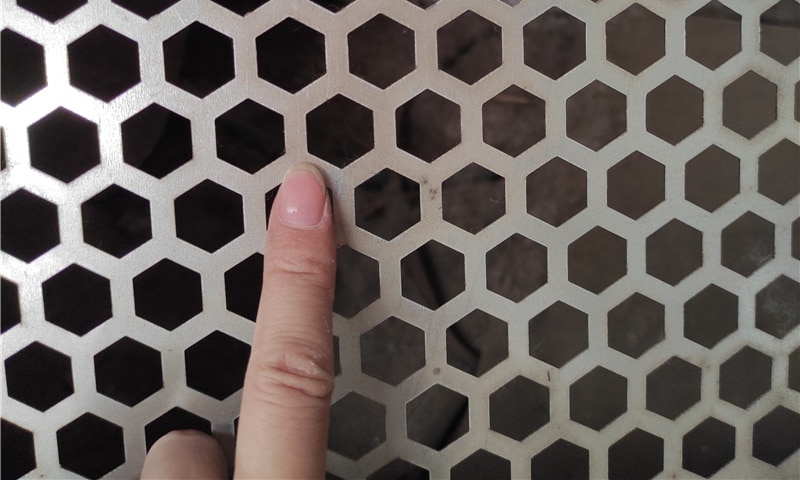
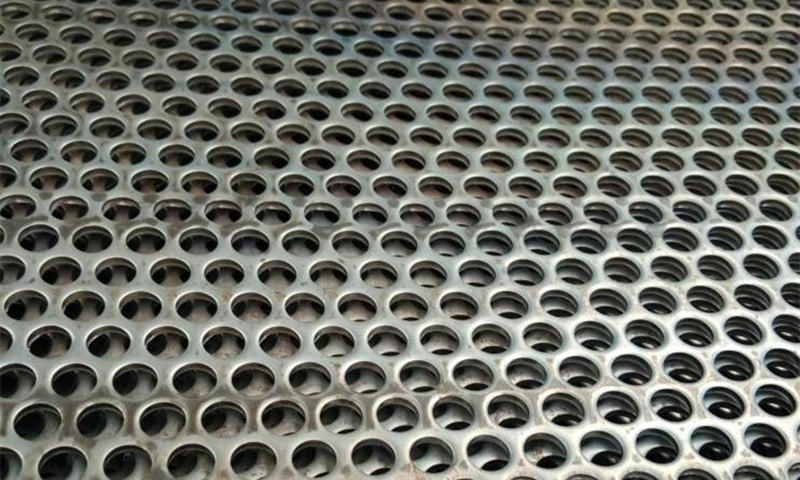
- Hole type and pattern: Round, obround/slot, and traction-oriented patterns each behave differently underfoot.
- Edge finishing and framing: Clean borders and rigid frames reduce sharp edges and improve installation fit-up.
A well-specified metal safety grating panel should feel solid underfoot—no “oil-canning,” no annoying vibration, and no flex that makes workers hesitate.
Fabrication Advantages with CNC Punching
From a manufacturing standpoint, CNC punching makes perforated platform panels highly repeatable—especially when you need consistent hole geometry across multiple production batches or sites.
Where CNC punching helps platform projects
- Tight dimensional control for panel-to-frame fit
- Repeatable patterns for standardized maintenance platforms
- Fast customization for cutouts, notches, and bolt locations
- Scalable production for multi-platform expansions
This is particularly valuable for EPC contractors and maintenance teams who want replacement panels to drop in without field rework.
Installation and Maintenance Notes for B2B Buyers
A strong grating product can still disappoint if it’s installed without considering real job conditions.
Practical installation considerations
- Use proper support frames and maintain correct bearing direction where applicable.
- Choose fixation methods that match the environment: bolting/clips for serviceability, or welding where permitted by site practice.
- Confirm edge treatment for worker traffic zones and hand-carry routes.
Maintenance that operators appreciate
- Routine sweeping is often enough in dry areas.
- In wet/oily zones, periodic washdown is easier because the surface doesn’t trap water the way solid plate can.
- Replaceable panels reduce downtime when localized damage occurs.
Where Platforms Perforated Safety Grating Performs Best
You’ll typically see the strongest ROI in:
- Maintenance and access platforms around pumps, conveyors, mixers, and compressors
- Outdoor mezzanines, rooftop service walkways, and loading platform decks
- Facilities with dust, grit, or frequent wet conditions
- Sites prioritizing safer footing without adding thick coatings to walking surfaces
When the goal is safer walking surfaces plus less cleanup, platforms perforated safety grating is a practical upgrade path for many industrial platform flooring projects.
Closing Thought: Safer Platforms Without Extra Complexity
Elevated platforms don’t need “fancy”—they need reliable traction, drainage, and strength that holds up month after month. A well-engineered perforated design can deliver that while staying straightforward to install and maintain.
If you’re specifying metal safety grating for platforms, focus on the fundamentals: load, span, exposure, open area, and a traction-forward perforation pattern. Get those right, and you’ll end up with a platform surface crews trust.