The “One-Sentence Spec” That Prevents Back-and-Forth
If you’ve ever requested pricing for a perforated aluminum sheet and gotten three follow-up emails, it usually comes down to missing specs. In CNC punching, a “close enough” description can still change tooling, yield, flatness risk, and finish compatibility—so the quote has to pause.
Here’s the fastest way to send a spec that a production team can actually run:
One-sentence template (copy/paste):
- Alloy/Temper + Thickness + Hole (Ø or W×L) + Pattern + Pitch + Sheet Size + Finish + Qty + Need-by date
Example: 5052-H32, 0.080″ thick, Ø0.250″ round, 60° staggered, 0.375″ pitch, 48″×96″, mill finish, 120 pcs, ship by Mar 15.
If you use only one thing from this guide, use that sentence.

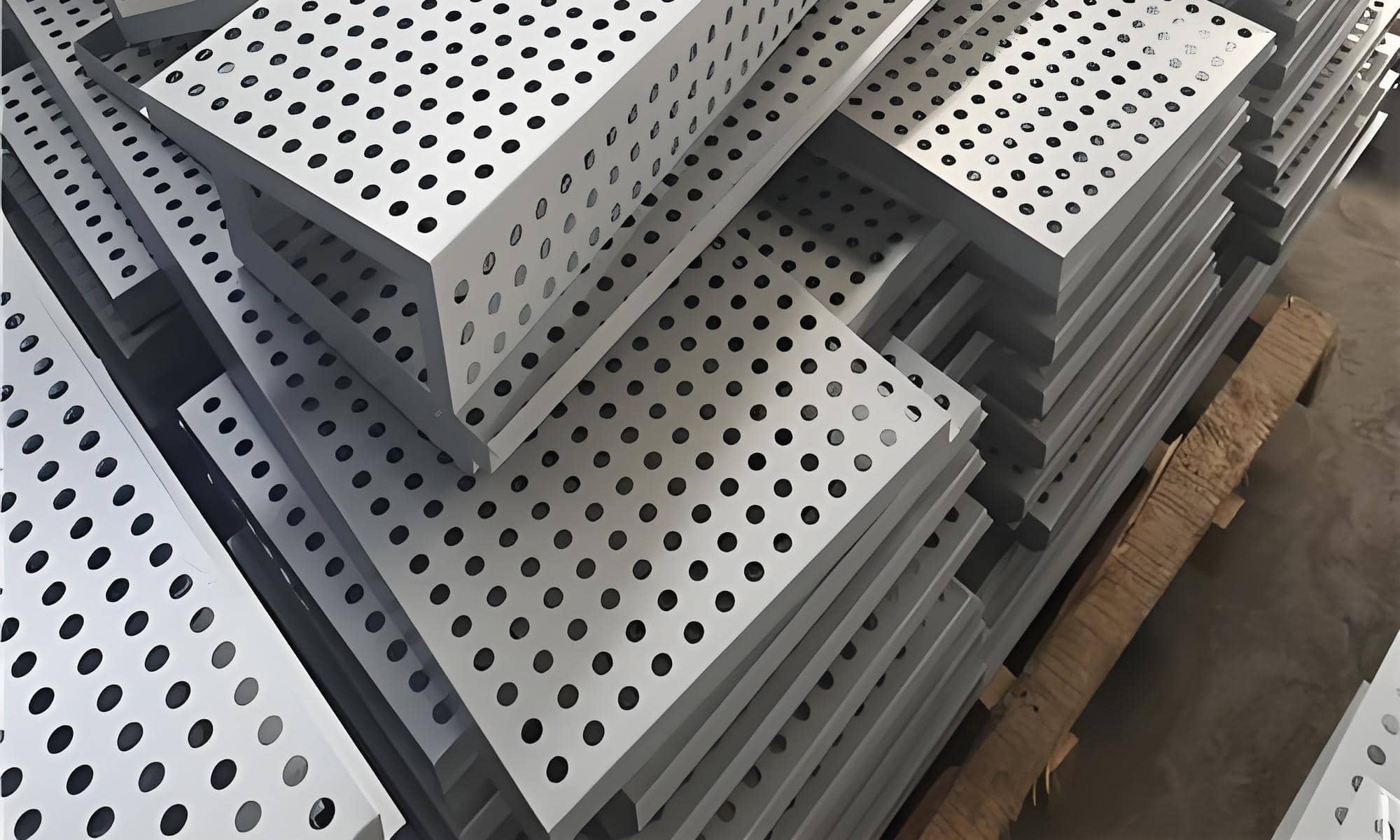
Aluminum Perforated Metal Sheets
Send a Quick Message, We’ll Do the Rest
Tell us what you need. We’ll match the right perforated aluminum sheet and quote it — no back-and-forth.
Fast quote + lead time
Sample before production if needed
Factory direct pricing
Hole Diameter and Hole Spacing
Hole Diameter (or Slot Size)
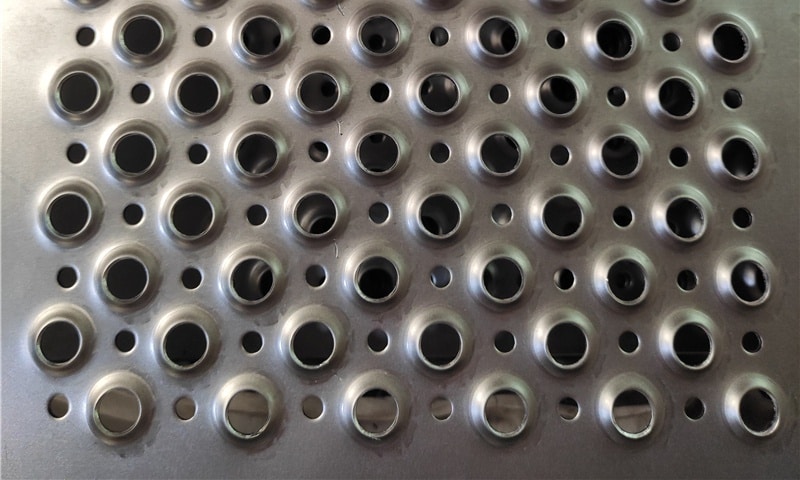
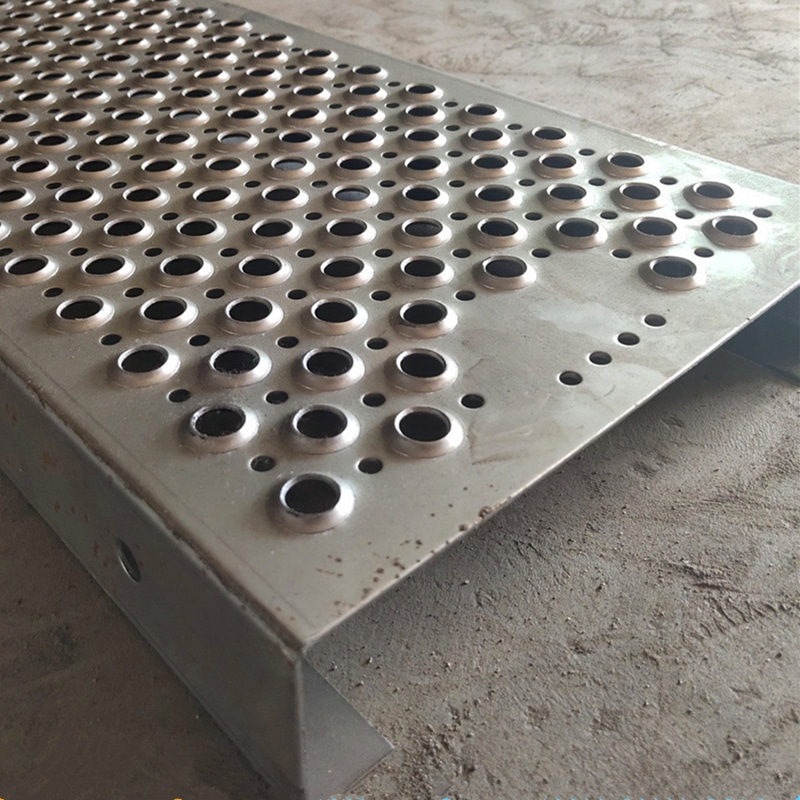
For round perforations, we quote and produce by hole diameter (Ø). For slots, we need width × length (and if the ends are radiused, the radius matters too).
Common CNC punching notes from the shop floor:
- Smaller holes in thicker material can slow production or require alternative tooling.
- Very tight hole tolerances may push you toward secondary operations or different manufacturing methods (depending on the pattern and volume).
- If you care about cosmetics on one side, specify the “show side” and whether burr direction matters.
Pitch (Center-to-Center Spacing)
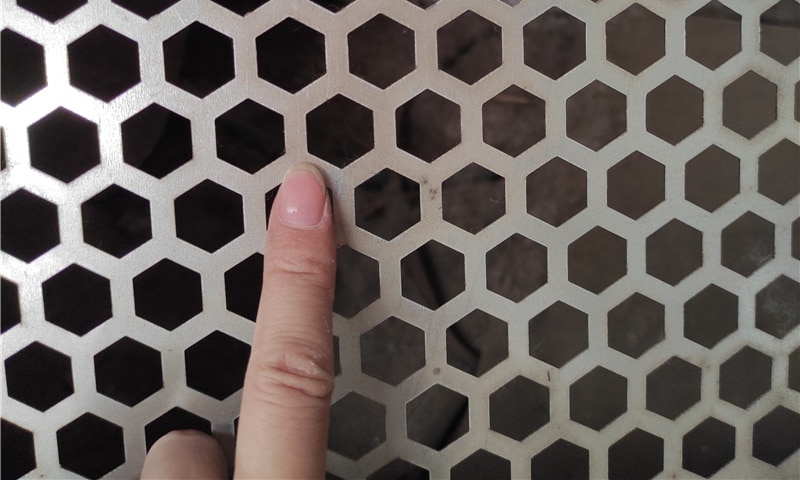
Pitch is the center-to-center distance between holes. It’s usually stated as:
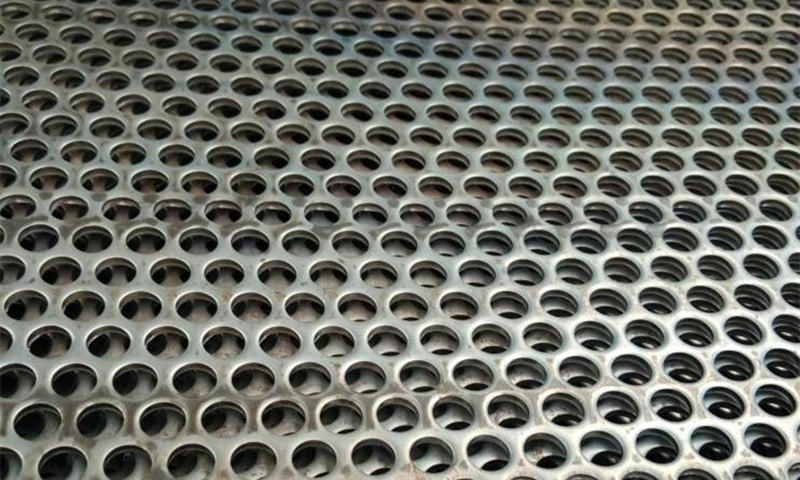
- Staggered pattern (60°) pitch, or
- Straight-line pattern pitch in X and Y directions.
Why pitch matters: it drives open area, strength, and whether the sheet behaves nicely during forming, framing, or installation.
Open Area
Open area (also called percent open area) is the percentage of the sheet that’s holes versus solid metal. Buyers often specify open area because it ties directly to:
- airflow and acoustic performance
- filtration/screening behavior
- weight reduction
- light transmission and aesthetics
A practical tip from quoting
If you don’t know the open area, that’s fine—just provide hole size + pattern + pitch and we can calculate it. But if you do have a target open area (for airflow or sound), include it. It helps us suggest a pattern that hits performance without weakening the sheet more than necessary.
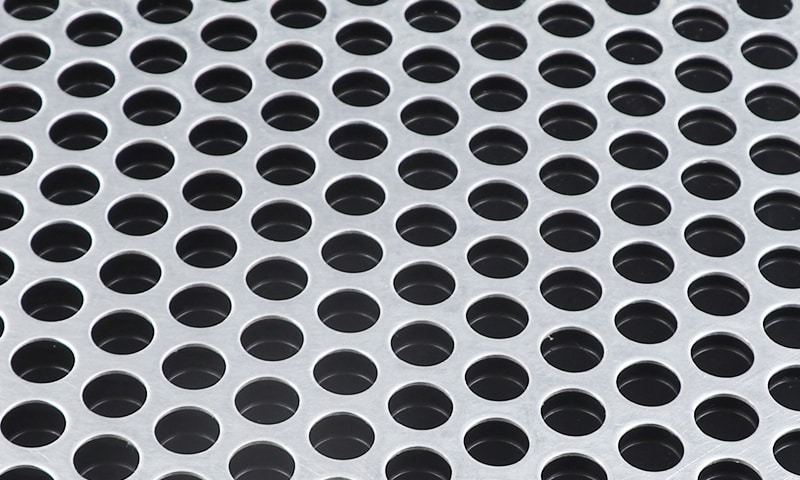
Surface and Finish
Aluminum is popular because it’s lightweight, corrosion resistant, and finish-friendly—but finishes aren’t all interchangeable in perforation work.
Common finish options customers request
- Mill finish (cost-effective, typical industrial appearance)
- Brushed / directional grain (often for architectural panels)
- Anodized (durable, clean look; confirm color and thickness requirements)
- Powder coat (wide color range; specify texture/gloss and coating thickness)
- PVDF (common for exterior architectural applications)
What to clarify up front
- Do you need protective film for handling and installation?
- Is color match critical (RAL, Pantone, or “match existing sample”)?
- Should the sheet be perforated first, then finished, or finished first?
- In many cases, perforate first, finish after for best consistency—especially when edge quality matters.
Quantity and Lead Time
In punched aluminum perforated sheet metal, lead time depends less on “aluminum availability” and more on:
- tooling setup and pattern complexity
- sheet size and thickness
- finishing queue (if anodize/powder coat is required)
- packaging requirements (palletizing, interleaving, film)
What helps you get a firm ship date
Provide these three items with your RFQ:
- Total quantity + release plan (one-time shipment or scheduled releases)
- Ship-to location (or at least country/state)
- Must-arrive date (not just “ASAP”)
If your project is schedule-driven (construction, retrofit shutdown, or OEM launch), say so. We can quote options—standard production vs. expedited—based on realistic shop capacity.
A Quick Checklist Before You Hit Send
If you’re writing an RFQ today, make sure you included:
- alloy/temper (e.g., 3003, 5052, 6061)
- thickness (inches or mm)
- hole size and pattern
- pitch (center-to-center)
- sheet size and tolerance expectations (especially if it’s going into a frame)
- finish requirements and cosmetic side
- quantity + delivery timeline
And if you want a deeper product overview on patterns, alloys, and typical applications, use our internal page: aluminum perforated sheet metal (anchor text).