


Related Products
Contact-Us
Manufacturing Process and Hole Design Principles for Square-Hole Perforated Steel Plates

Square-hole perforated steel plates are widely used in industrial equipment, air-handling systems, filtration, acoustic control, and modern building façades. Beyond basic punching, manufacturing these plates involves precise control of raw materials, tooling, punching parameters, post-processing, and final inspection. This article explains the complete production workflow as well as practical design principles for hole sizing, pitch […]

galvanized perforated sheet
Surface Coating Inspection Methods and Standards for Galvanized Perforated Metal Sheets

Galvanized perforated metal sheets are widely used in architecture, industrial filtration, HVAC, and outdoor fixtures because of their strength and corrosion resistance. But a good zinc coating only performs if it is applied correctly and verified with the right inspection methods. This article walks buyers, specifiers, and QC teams through practical inspection techniques, relevant international […]

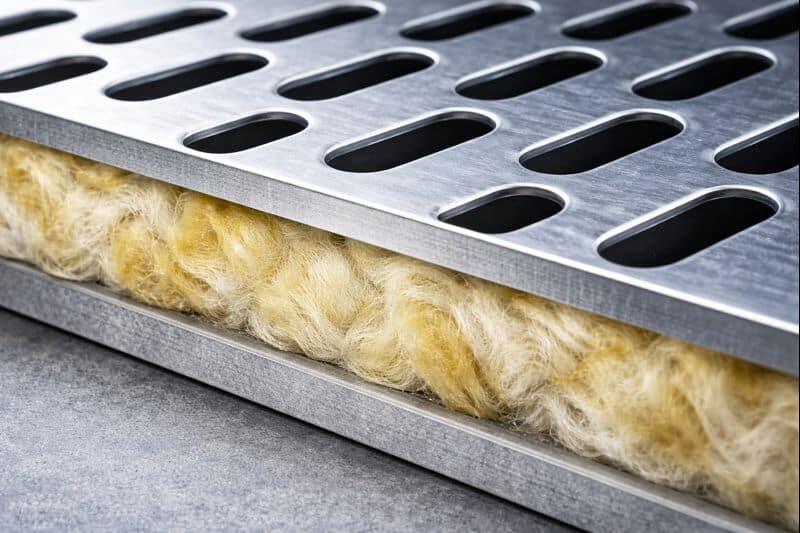
Cross-section structure of perforated metal plate + air cavity + absorptive material
Mechanism Exploration of Elongated Perforated Metal Plates in Acoustic Sound Absorption

Acoustic control is an increasingly important topic across industrial buildings, transportation hubs, factories, HVAC systems, and architectural interiors. Among the common materials used to improve sound insulation and eliminate reverberation, perforated metal plates—especially those featuring elongated or long-round openings—play a critical role. The sound absorption capability of elongated perforated metal plates is not merely a […]

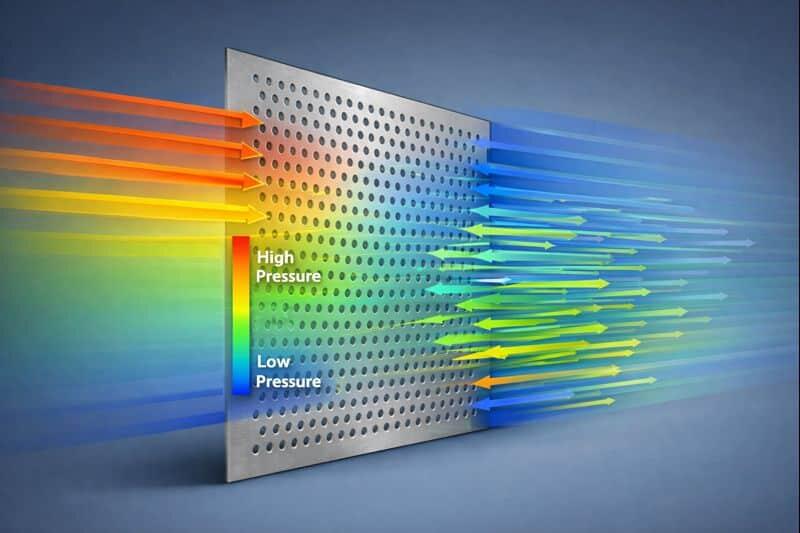
airflow simulation of perforated sheet showing pressure variations across different open areas
How the Open Area Ratio of 304 Perforated Metal Sheets Affects Wind Resistance and Ventilation Performance

When selecting a 304 perforated metal sheet for a ventilation or airflow project, buyers often focus on thickness, hole diameter, and material. What many overlook is the open area ratio—the percentage of open space created by perforated holes across the metal surface. This ratio can significantly influence wind resistance, airflow, pressure drop, durability, and acoustic […]

QC technician recording sheet thickness readings on incoming coil
Thickness Tolerance and Precision Control for Cold-Rolled Perforated Sheets

Cold-rolled perforated sheet plays a key role in filtration, ventilation, acoustic control, and architectural applications. While buyers are often focused on hole size, pitch, and open area %, the base sheet thickness tolerance is just as important. In real production, sheet thickness is never an exact fixed value. It fluctuates within a controlled band defined […]

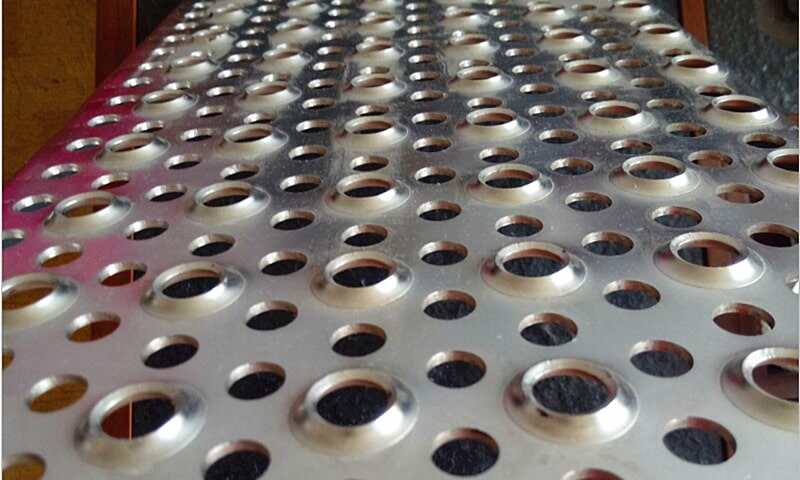
Large hole perforated plate used for industrial safety guards, offering strength and visibility
Comprehensive Guide to Round Hole Perforated Plate Hole Diameters and Their Engineering Applications

Introduction: The Versatility of Round Hole Perforated Plates in Engineering Round hole perforated plates are widely used in various industries for their balance between strength, functionality, and aesthetic appeal. Whether in industrial, architectural, or filtration systems, the specific hole size of these perforated plates plays a key role in optimizing performance for different applications. Understanding […]

micro-perforated filter plate
Micro-Perforated Filter Plate Material Guide: Selection and Corrosion Resistance Comparison

Micro-perforated filter plates play a crucial role across many industries—from precision filtration and separation to acoustic control and architectural applications. Regardless of where they are used, their performance relies heavily on two things: the accuracy of the perforations and the durability of the material operating within its specific environment. When a filter plate fails—whether through […]

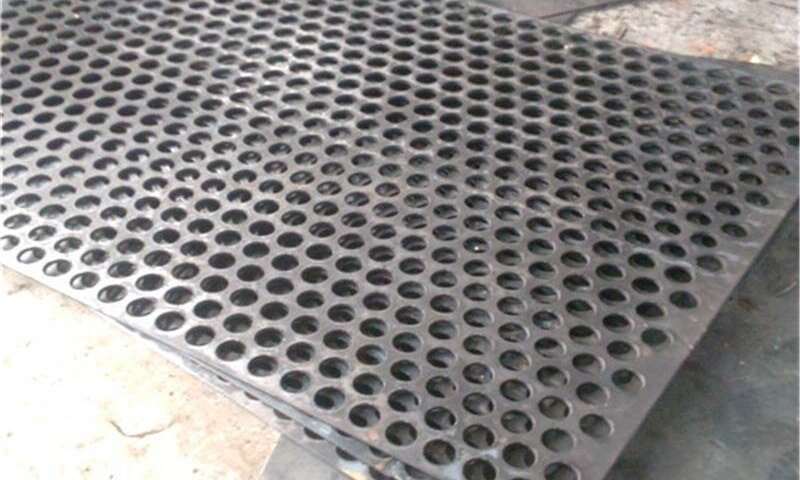
Perforated Hot-Rolled Steel
Impact Resistance Analysis of Perforated Hot-Rolled Metal Sheets

Perforated hot-rolled metal sheets are widely used where strength, airflow, filtration, or visual appearance matter—think protective panels, machine guards, architectural cladding, and safety barriers. Because perforation reduces cross-sectional area and introduces stress concentrators, understanding impact resistance is essential for designers and buyers who need panels that withstand knocks, strikes, or accidental impacts without catastrophic failure. […]

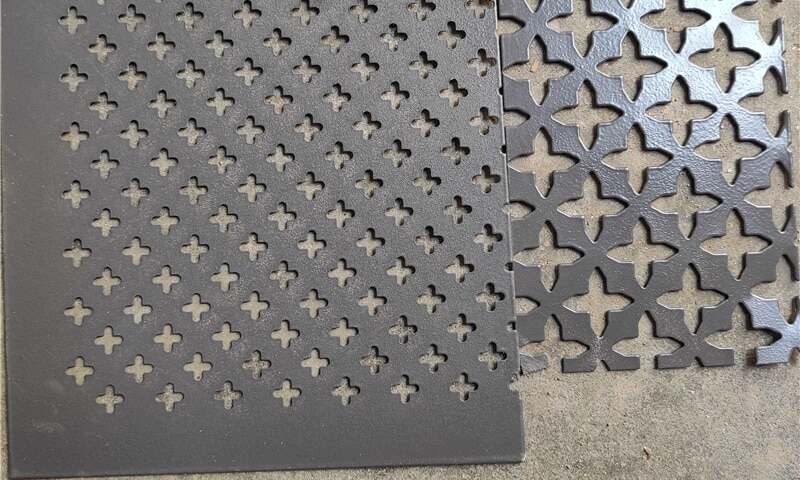
Cross-shaped perforated plates
How Surface Treatments Improve Corrosion Resistance of Cross-Shaped Perforated Plates

Cross-shaped perforated plates are widely used in architecture, industrial filtration, acoustic panels, and facades because of their distinctive pattern and functional open area. However, the same geometry that gives them strength and style — the multiple edges and cutouts — also exposes more metal surface and sharper edges to the environment, increasing corrosion risk. Choosing […]

3003 aluminum perforated sheet
Surface Oxidation and Anti-Fouling Performance of 3003 Aluminum Perforated Sheets

Why surface oxidation matters for 3003 aluminum 3003 is a widely used, manganese-alloyed aluminum grade valued for excellent formability, reasonable corrosion resistance, and cost effectiveness. Like all aluminum alloys, 3003 forms a very thin, natural oxide layer (aluminum oxide, Al₂O₃) almost immediately when exposed to air. That thin film is protective — it’s an important […]