Acoustic control is an increasingly important topic across industrial buildings, transportation hubs, factories, HVAC systems, and architectural interiors. Among the common materials used to improve sound insulation and eliminate reverberation, perforated metal plates—especially those featuring elongated or long-round openings—play a critical role.
The sound absorption capability of elongated perforated metal plates is not merely a function of material thickness. Instead, it involves a complex interplay of perforation geometry, airflow resistance, cavity depth, and resonance behavior within the air space behind the plate.

Slotted Perforated Metal Sheets
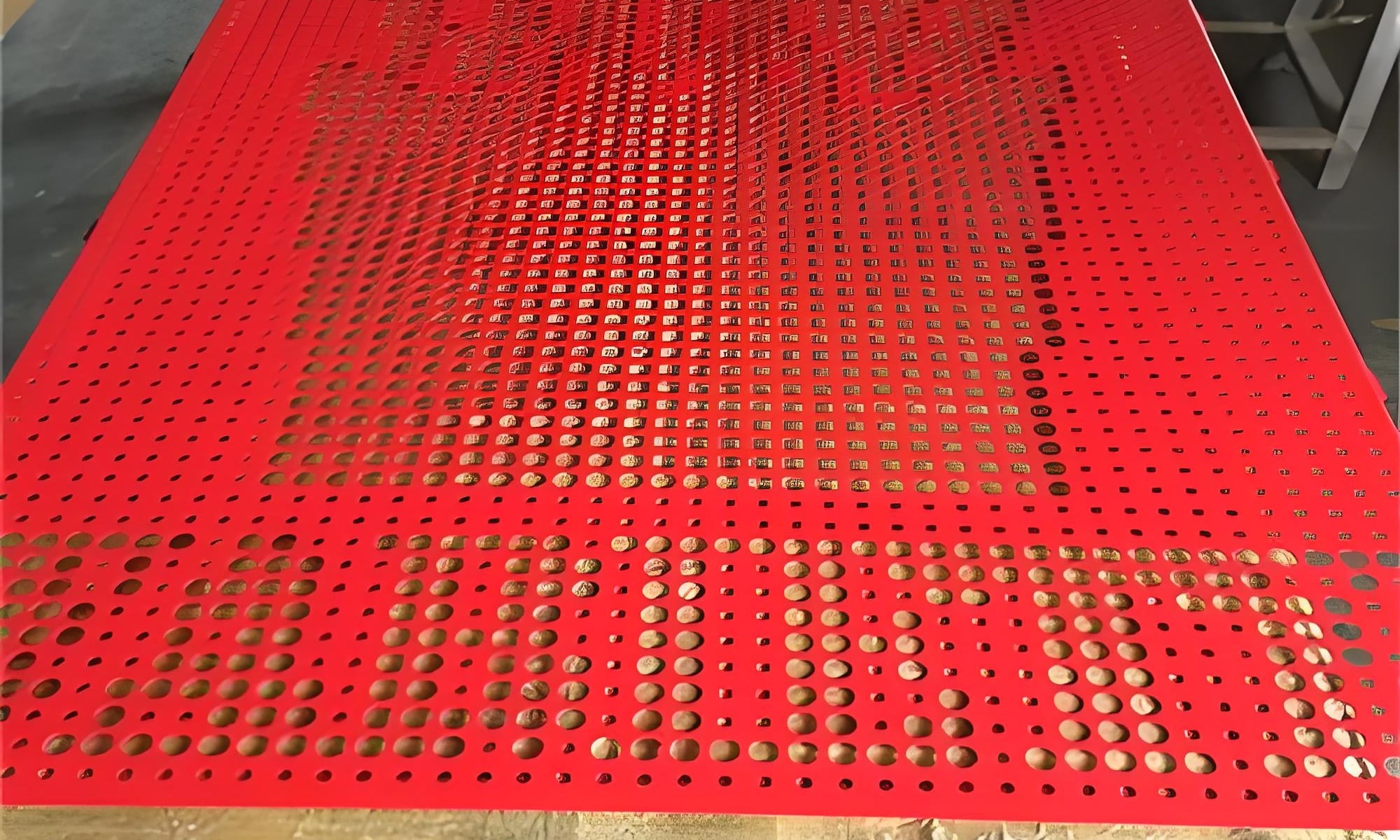
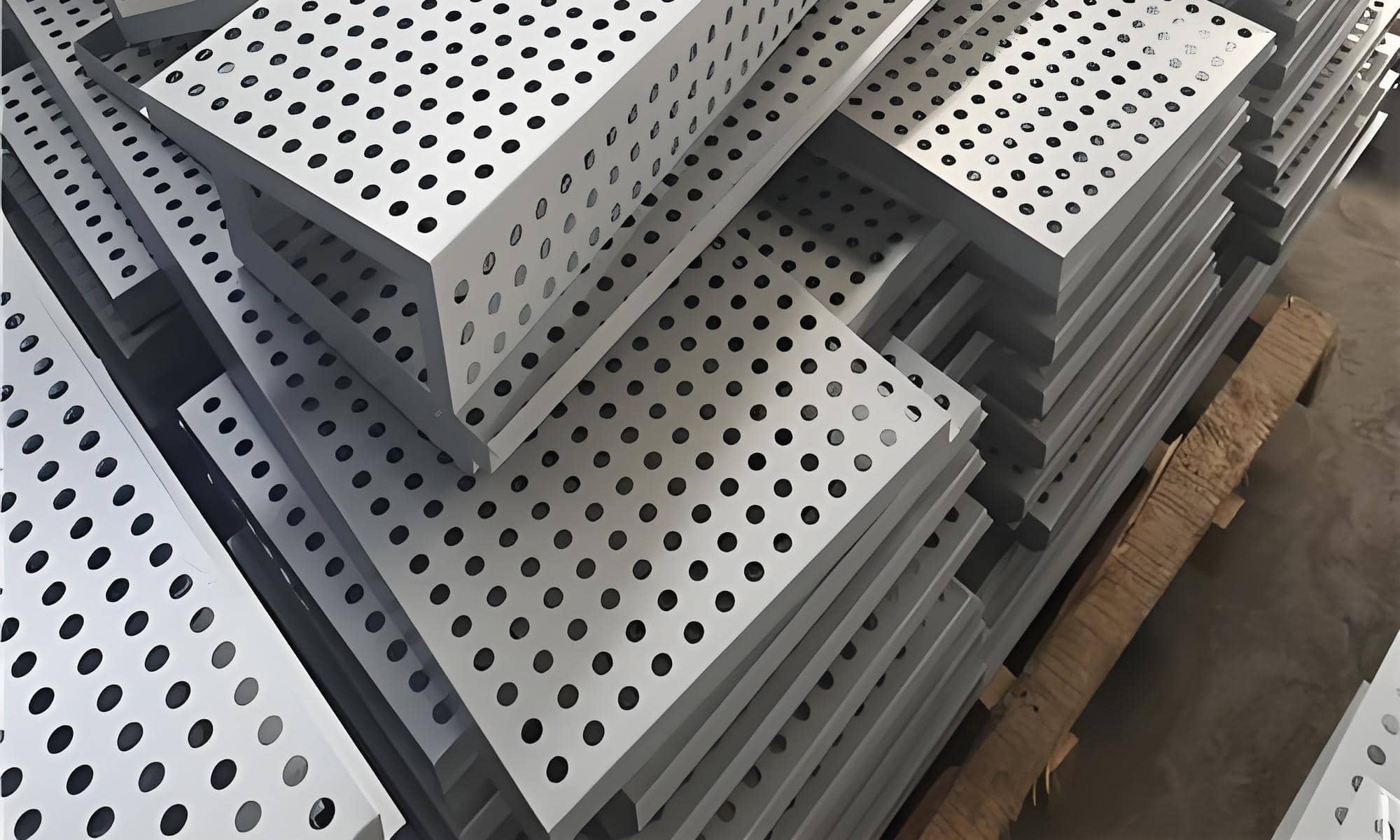
Slotted perforated metal sheets offer long, narrow slots and are used for applications requiring air flow, drainage, or filtration. Ideal for industrial and commercial use.
Understanding the Unique Structure of Elongated Perforations
Compared with round holes, elongated perforations extend the opening in one direction with a larger aspect ratio. This geometry allows airflow to travel farther along the opening path and form different vortex structures.
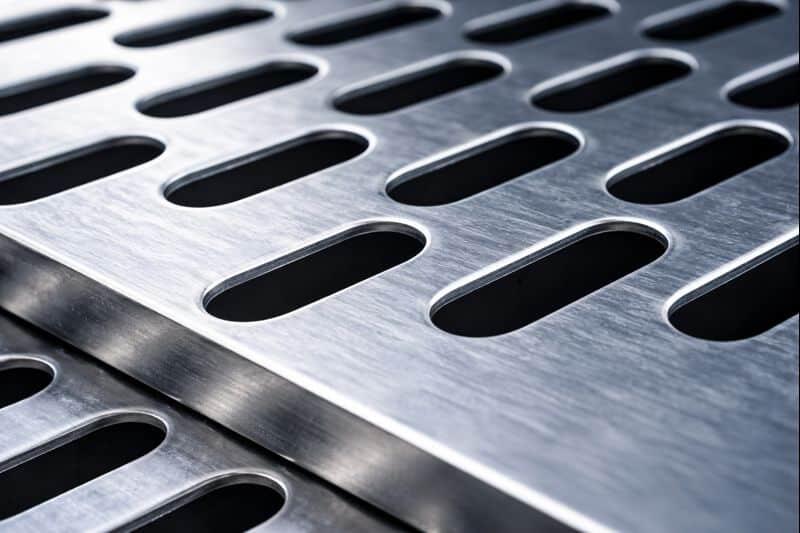
The geometry leads to:
- higher acoustic impedance
- increased viscous boundary layer interaction
- stronger turbulence and friction loss
- more effective dissipation of acoustic energy
This is why elongated openings can demonstrate enhanced sound attenuation in specific mid-high frequency ranges.
Key Mechanisms Behind Sound Absorption
When a sound wave strikes an elongated perforated metal plate, three main mechanisms cooperate:
① Resonance Absorption (Helmholtz Effect)
Each perforation can act like a miniature Helmholtz resonator.
Sound waves enter the hole, causing the enclosed air to vibrate and convert acoustic energy into heat.
Parameters tuning resonance frequency:
- hole length and width
- plate thickness
- perforation spacing
- perforation ratio (open area)
- depth of rear acoustic cavity
Because elongated perforations change the effective acoustic mass inside the hole neck, the resonance band shifts toward lower frequencies compared with circular perforations of the same open area.
② Viscous Loss + Turbulence Friction
Airflow entering the elongated hole experiences prolonged friction along the interior walls.
The longer boundary layer interaction increases viscous losses.
Effects include:
- increased resistance coefficient
- greater energy dissipation
- smoothing of standing wave pressure peaks
This makes elongated perforated plates well-suited to combat noise in HVAC ducts, tunnels, generator rooms, and mechanical workshops.
③ Acoustic Impedance and Back Cavity Coupling
In engineered acoustic panels, perforated metal is rarely used alone.
Instead, it is paired with:
- sound-absorbing wool / mineral fiber
- micro-perforated damping layer
- air cavity backing
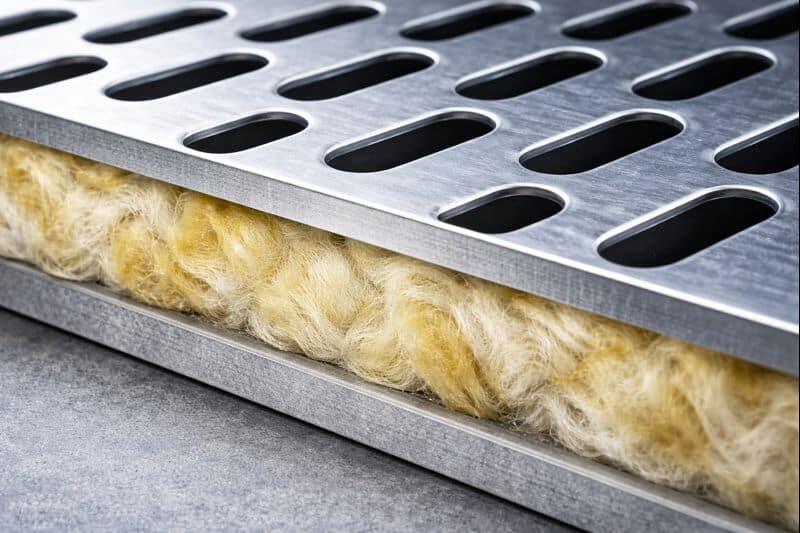
The elongated hole dimensions directly affect the impedance matching between the panel surface and the back cavity.
Proper impedance matching enables incident sound to enter the structure instead of reflecting.
Performance Variables in Elongated Perforated Panels
For engineers designing acoustic control systems, the following adjustable parameters determine performance:
- hole length & width (mm/in)
- plate thickness (mm/in)
- open area percentage
- material type and stiffness
- perforation pattern spacing
- cavity depth behind the plate
- mounting method (flush / suspended)
Because elongated perforations are highly tunable, they are ideal for projects requiring customized noise reduction to match specific frequency spectra.
Why Customization Matters in Acoustic Applications
While many standard perforated metal products exist, real acoustic environments vary significantly.
Examples:
- factory stamping equipment produces dominant tones at 500–800 Hz
- subway ventilation ducts generate low-frequency rumble
- architectural spaces need mid-high frequency reverberation control
With elongated holes, engineers may:
- increase hole length to target mid frequencies
- adjust plate thickness to shift impedance
- lower perforation ratio for broader absorption band
- modify pattern to control airflow resistance
This flexibility allows elongated perforated metal plates to serve diverse noise mitigation goals across multiple industries.
Applications Where Elongated Perforated Plates Excel
Elongated perforated metal panels are commonly used in:
- acoustic baffles and silencers
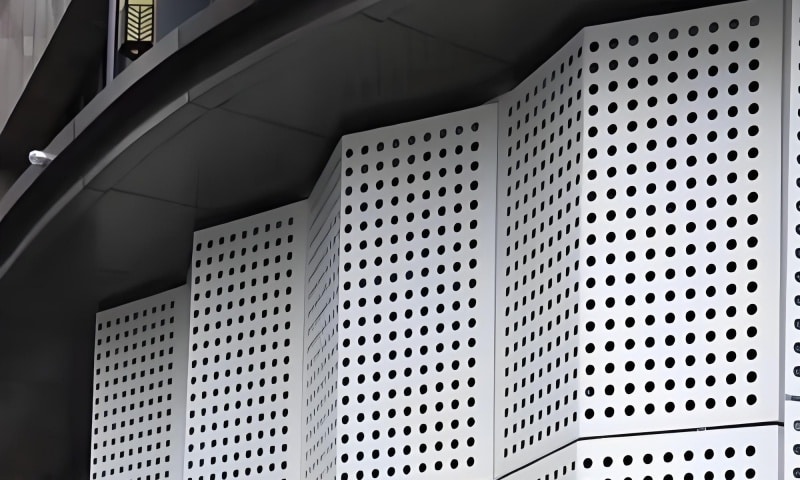
- architectural wall & ceiling acoustic panels
- mechanical room enclosures
- HVAC duct silencing panels
- tunnel noise barriers
- power plant turbine housings
- factory machine shields
- public building acoustic decoration systems
Conclusion and Contact
Elongated perforated metal plates leverage resonance absorption, airflow resistance, and impedance coupling to achieve efficient acoustic energy dissipation. Their dimensional flexibility enables precise tuning for specific frequency targets, making them valuable for industrial soundproofing, HVAC noise control, and architectural acoustic design.
If you are exploring perforated metal products or require customized elongated opening specifications for acoustic applications, feel free to reach out.
Contact email: info@perfsheet.com