From CAD Drawing to Production-Ready Sheet
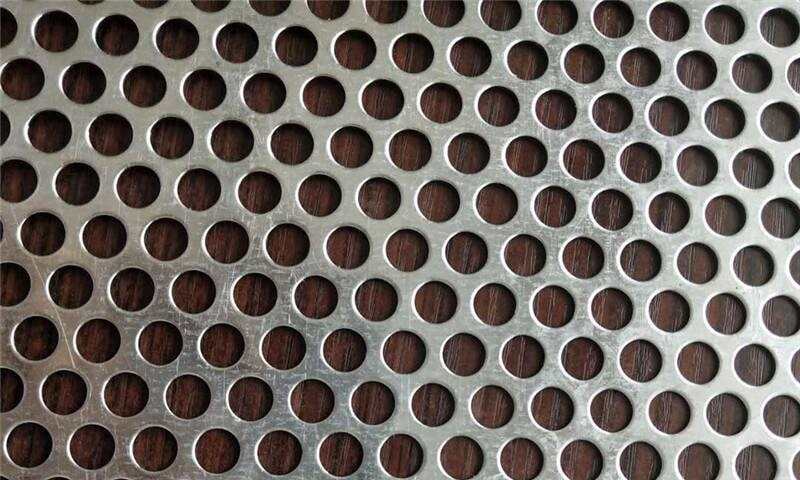
Every custom perforated metal project starts with a drawing, but a good production run starts with the right questions. Before we punch a single hole, we review the CAD file, the material grade, the sheet size, the hole pattern, the open area target, and the final application. That step matters because a stainless steel perforated sheet is not just a flat panel with holes in it. It is a functional component that may need to fit a frame, support airflow, reduce weight, improve visibility, or meet a structural specification.
For B2B buyers, this upfront review helps avoid costly revisions later. A panel that looks correct on screen can still fail in the field if the spacing, edge allowance, or mounting details are off by even a small amount. That is why digital preparation is part of the fabrication process, not something separate from it.
Digital Layout Improves Repeatability
Once the drawing is approved, we convert it into a controlled production layout. This allows us to standardize the punch sequence, verify hole spacing, and align the sheet size with the final fabrication plan. For large orders, that consistency is what keeps the entire project predictable from the first panel to the last.

Why Laser Cutting Matters for Complex Edges
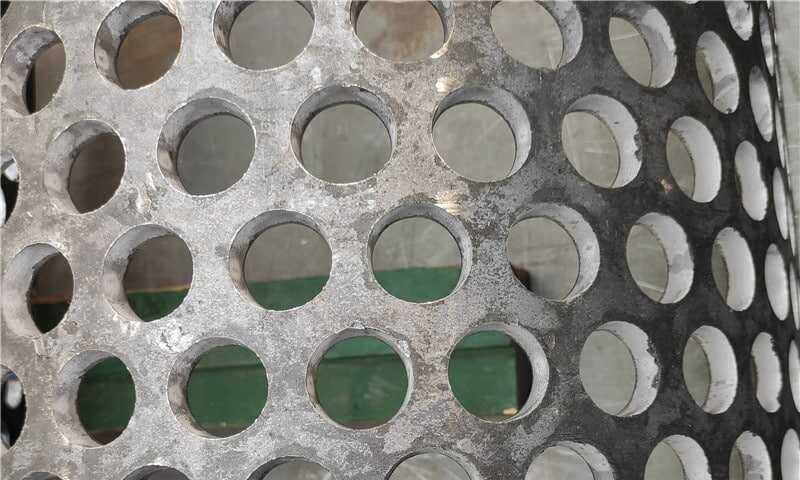
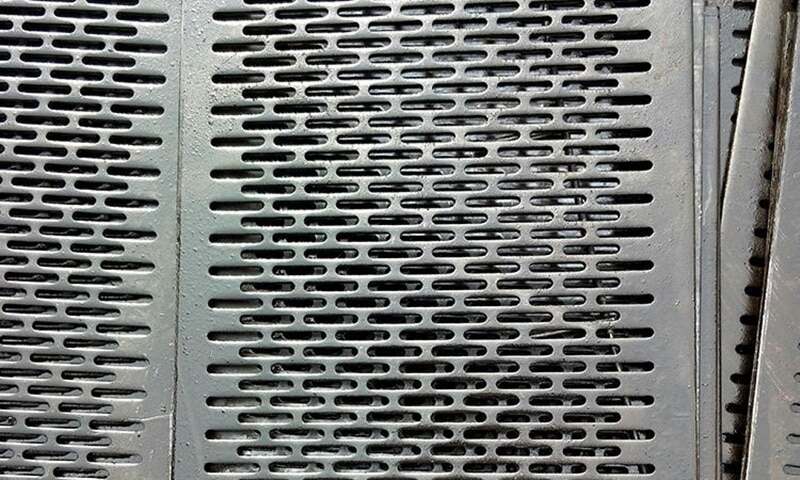
Stainless steel perforated sheets often need more than punched holes. They may require custom corners, slots, cutouts, tabs, or irregular outlines that follow a housing, fascia, enclosure, or architectural frame. In those cases, laser cutting gives us the flexibility to shape the outer profile with a high level of accuracy.
Laser cutting is especially useful when the design includes complex edges that would be difficult or inefficient to finish with mechanical tooling alone. It also helps maintain cleaner edge geometry, which is important when the panel will be visible in a finished installation or when it must fit tightly into an assembly.
A Practical Choice for Engineering and Architecture
For industrial users, laser cutting supports tighter integration with machines, guards, ventilation systems, and filtration housings. For architectural customers, it allows for custom outlines and refined visual details without compromising the uniform look of the perforation pattern. In both cases, it gives the design team more freedom while keeping fabrication under control.

Tolerance Control in Large-Scale Projects
Tolerance control becomes more important as project size increases. A single sample panel can be easy to manage, but a production run of dozens or hundreds of Custom Perforated Stainless Steel Panels demands disciplined measurement and repeatable setup.
We pay close attention to hole position, edge distance, overall dimensions, and panel flatness. The goal is not only to meet the drawing, but to make sure every panel fits the same way during installation. That matters on large jobs where panels are installed in sequence across long runs, repeated modules, or multiple building elevations.
Why Tight Tolerances Protect the Project
When tolerance drift is not controlled, the problems show up fast on the job site. Gaps become visible. Fastener locations stop lining up. Assembly time increases. In some cases, the installer has to modify the part in the field, which is exactly what project managers want to avoid.
A stable process reduces those risks. It also makes procurement easier, because buyers can plan around consistent output instead of inspecting every shipment as if it were a one-off prototype.

The Finishing Steps That Make the Difference
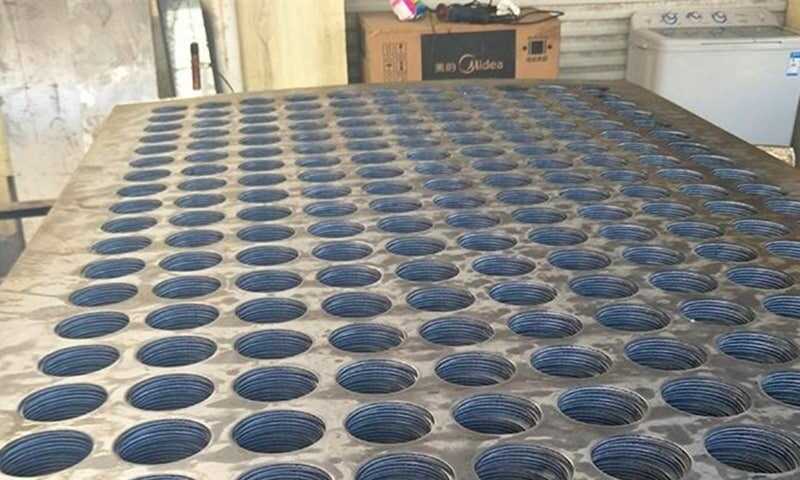
Fabrication does not end when the sheet comes off the machine. Stainless steel performs best when the material is cleaned, leveled, inspected, and packed correctly. Those final steps may not be as visible as punching or laser cutting, but they have a direct impact on quality.
Degreasing for a Cleaner Surface
After machining, stainless sheets can carry oil, residue, or fine particles from the shop floor. Degreasing removes that contamination and helps prepare the material for the next stage, whether that is assembly, coating, painting, or direct installation. It also improves the overall presentation of the finished product, which is important for buyers who receive material at scale and need it to look consistent on arrival.
Leveling for Fit and Appearance
Perforated sheet metal can warp slightly during processing, especially on thinner gauges or larger formats. Leveling helps restore flatness so the panel is easier to handle, easier to install, and more reliable in downstream fabrication. For architectural applications, flatness also affects appearance. A clean, even panel looks more professional and helps the final surface read the way the designer intended.
Packing and Crating for Export
Shipping is part of manufacturing. A well-made stainless steel perforated sheet can still arrive damaged if it is not packed correctly. That is why we package panels with protection against scratching, edge impact, and transit movement. For export customers, proper boxing or crating is especially important because long-distance freight introduces more handling steps and more risk.

Where Custom Stainless Steel Perforated Sheets Add Value
Clients usually come to us for one of three reasons: performance, appearance, or both. In industrial environments, perforated stainless steel supports ventilation, screening, separation, and safety applications. In commercial and architectural projects, it can deliver a clean, modern look while still providing airflow and light control.
Stainless steel is often selected because it offers strength, corrosion resistance, and long service life. When combined with custom fabrication, it becomes a versatile material for equipment enclosures, facade systems, machine guards, acoustic components, and interior design features. That combination of durability and flexibility is why custom perforated stainless steel panels remain in demand across manufacturing, construction, and commercial fit-out markets.
Built for Production, Not Just for Samples
A sample can show the pattern. A production process shows whether the part is truly ready for scale. That is the difference between a nice-looking prototype and a dependable supply program.
At every stage, from CAD review to punching, laser cutting, tolerance inspection, degreasing, leveling, and packing, the focus is the same: deliver stainless steel perforated sheets that are accurate, consistent, and ready to use. For buyers managing technical projects, that reliability saves time, reduces rework, and keeps installation moving.