Why material certificates matter on perforated sheet projects
For many buyers, a carbon steel perforated sheet is a straightforward product until the project team asks for paperwork. That is usually the moment when questions about material certificates, traceability, and the inspection report perforated sheet metal buyers need start to matter.
In industrial supply, documentation is not just a formality. It is part of the acceptance process. Engineers want to know the base material matches the specification. QA teams want traceability. Procurement wants fewer surprises at receiving. And end users want confidence that the supplied material will stand up to the actual application.
That is why requests for MTRs, COCs, and inspection reports are so common on carbon steel perforated sheet orders.
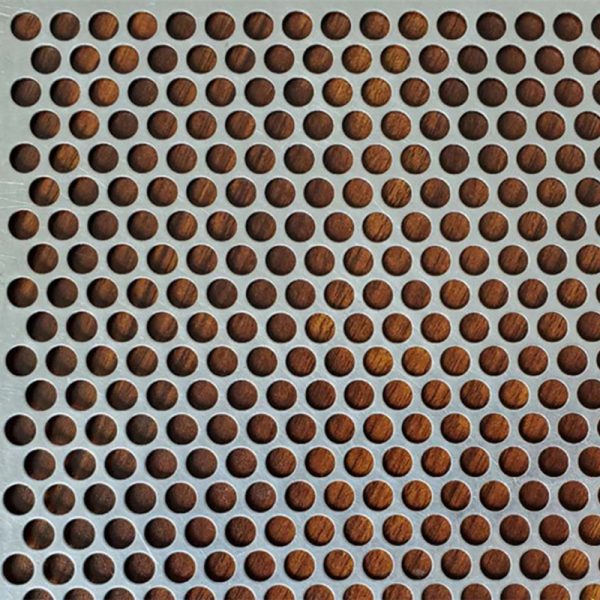
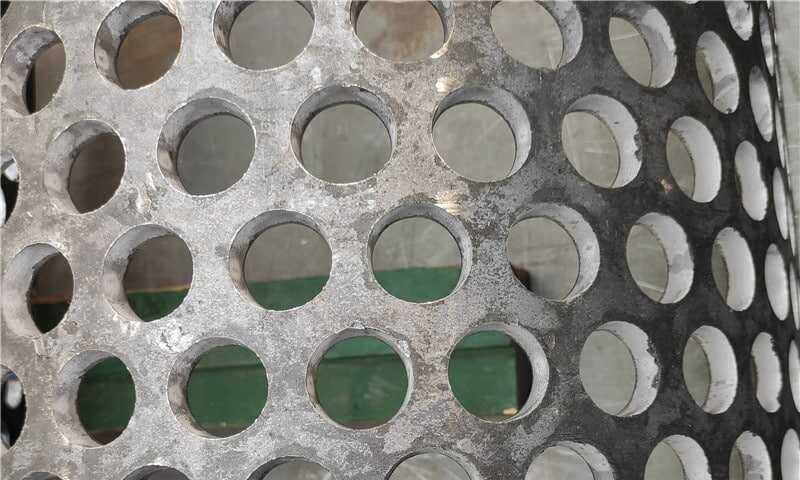
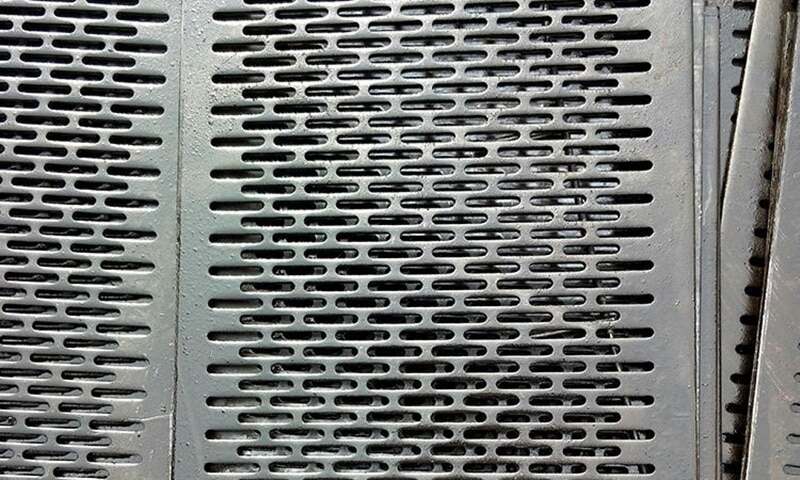
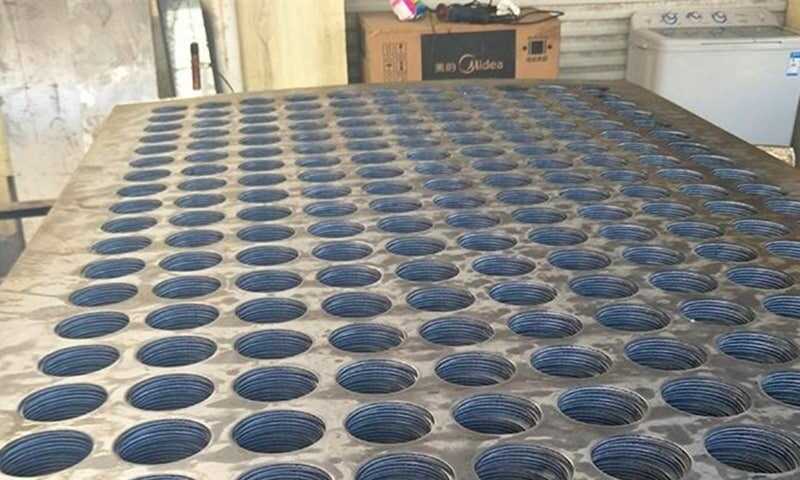
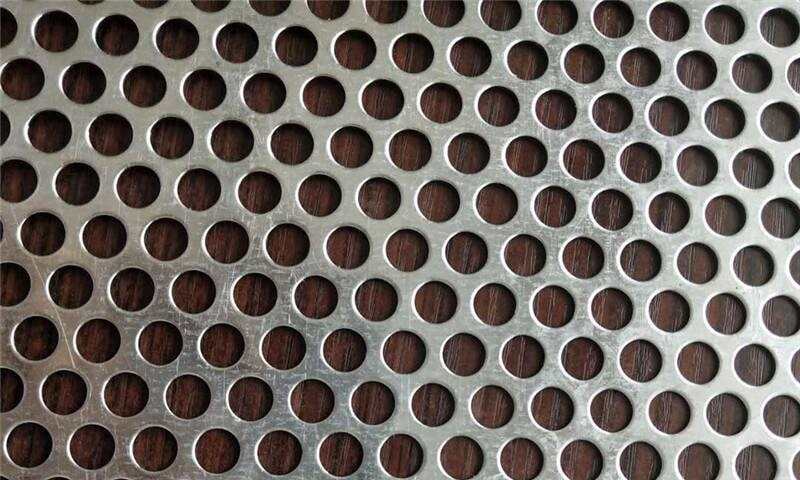
Carbon Steel Perforated Metal Sheets
We work with buyers and engineers who need carbon steel perforated sheets that are practical to manufacture and reliable in use.
If you’re preparing an RFQ or want to confirm specifications before sourcing, a short conversation often saves time on both sides.
Contact us via WhatsApp to talk through the details:
Where buyers usually see these requests
Not every order needs the same level of documentation, but the demand for certificates is common in projects with tighter controls. Buyers in these sectors often ask for them:
Construction and architectural metalwork
Perforated panels used in facades, ceilings, sunscreens, railings, and screening systems often need clear material traceability, especially on commercial and public projects.
Industrial equipment and OEM manufacturing
Machine guards, enclosures, covers, ventilation parts, and fabricated assemblies may require a material certificate to support internal quality records or customer approval.
Infrastructure, utilities, and public projects
When a project is tied to a bid package, submittal requirement, or government specification, documentation is usually part of the contract from day one.
Export, distributor, and compliance-driven orders
International buyers often ask for certificates to match customs files, project records, or customer QA requirements. In these cases, paper trail matters almost as much as the sheet itself.

MTR, COC, and inspection report: what buyers are really asking for
These terms are often used together, but they are not exactly the same.
Mill Test Report (MTR)
An MTR typically shows the chemical and mechanical properties of the parent steel material supplied by the mill. For carbon steel perforated sheet orders, buyers usually want to see information such as:
- Heat number
- Material grade or standard
- Chemical composition
- Mechanical properties
- Thickness and product form
- Traceability details, when available
Certificate of Conformance (COC)
A COC states that the product supplied matches the order requirements or stated specification. It is more of a supplier declaration than a mill-origin test document, but many buyers request both.
Inspection report
An inspection report for perforated sheet metal usually focuses on the finished product. Depending on the order, that may include:
- Sheet size and thickness
- Hole pattern and pitch
- Open area
- Visual condition
- Flatness or warp check
- Quantity and packing verification
For many buyers, the real question is not which document name appears on the file. The real question is whether the documents together support project acceptance.
What we can provide for carbon steel perforated sheet orders
We keep this part simple and realistic.
For standard orders, we can usually provide commercial documentation such as:
- Product specification confirmation
- Packing list
- Commercial invoice
- Certificate of Conformance, when required
- Basic inspection report for finished goods, when arranged in advance
For projects that require stronger traceability, we can also support MTR-based orders when the base material is sourced with the right documentation and the job is set up for it from the beginning. In those cases, the available paperwork depends on the source material, the production route, and the requirements agreed before manufacturing.
That is an important point: not every perforated sheet can be documented the same way after production is already complete. If a project needs a specific MTR format, heat traceability, or third-party inspection, it is better to define that before the order starts.
What buyers should confirm before placing the order
A good certificate request is specific. Instead of asking only for “papers,” buyers should confirm the exact requirement with their engineer, buyer, or end customer. The most useful questions are usually:
- Is an MTR required, or is a COC enough?
- Does the project need traceability to the heat number?
- Is third-party inspection required?
- Must the certificate match a specific standard?
- Are finished-sheet measurements also required in the inspection report?
These details save time on both sides and reduce the chance of rework, delays, or shipment rejection.
A practical way to order with fewer surprises
If your project depends on documentation, tell your supplier early. That includes the material grade, sheet thickness, perforation pattern, finish, and the exact documents needed for approval. When those requirements are clear up front, it is much easier to deliver the right carbon steel perforated sheet with the right material certificates and the right inspection report perforated sheet metal buyers expect.
In B2B purchasing, the sheet is only half the order. The paperwork often decides whether the order passes.