Why 3003 Alloy Remains the Go-To Material for Ventilation Applications
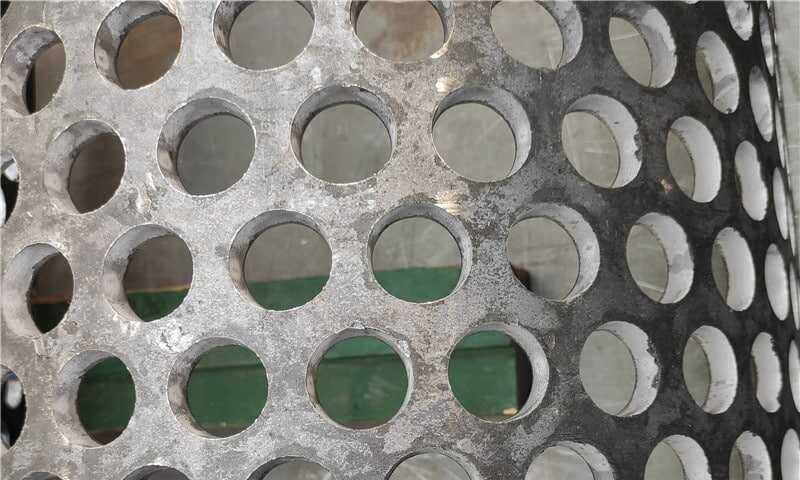
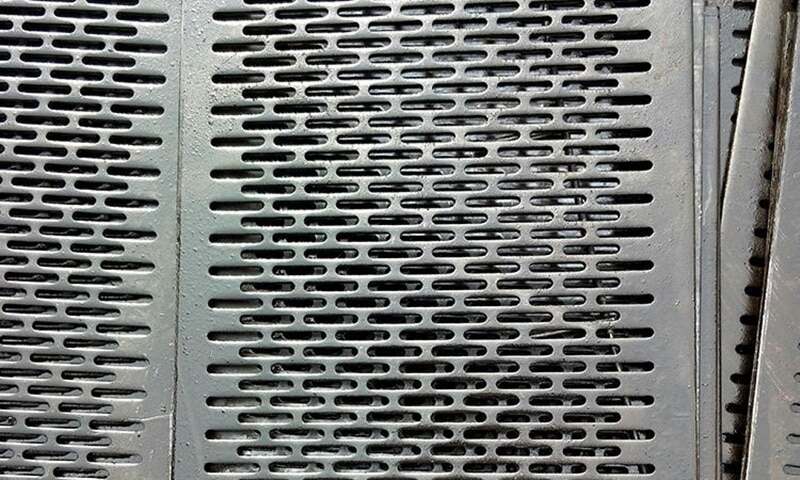
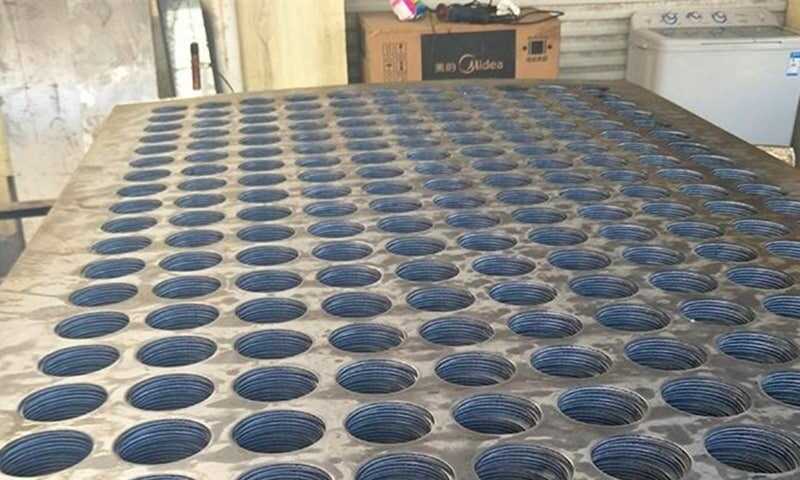
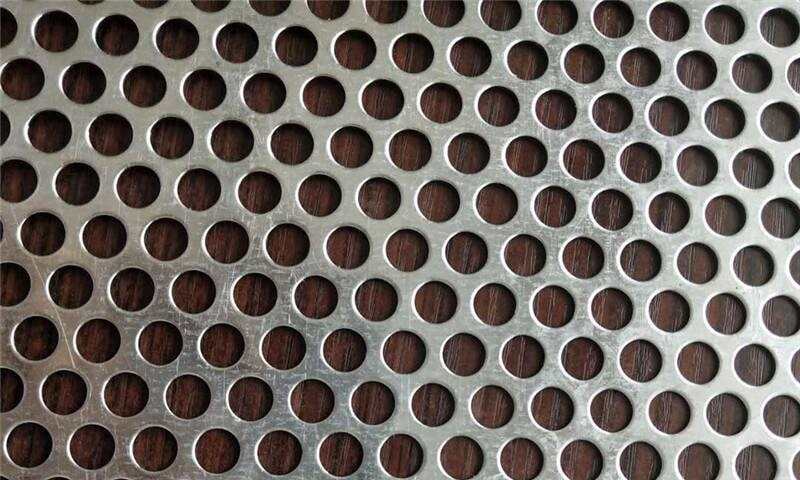
In the world of industrial fabrication, material choice determines long-term performance. When manufacturing Round Hole Aluminum Perforated Screens for ventilation systems, 3003 aluminum alloy continues to set the benchmark.
From commercial HVAC enclosures to architectural ventilation grilles, 3003 alloy has proven itself as a reliable balance of corrosion resistance, workability, and cost efficiency. As a company deeply involved in CNC punching and precision perforation, we’ve seen firsthand how 3003 consistently performs across demanding environments.
For engineers and procurement managers, the decision often comes down to three key factors: formability, corrosion resistance, and structural stability. 3003 alloy meets all three—without driving up project costs.

Aluminum Perforated Metal Sheets
Send a Quick Message, We’ll Do the Rest
Tell us what you need. We’ll match the right perforated aluminum sheet and quote it — no back-and-forth.
Fast quote + lead time
Sample before production if needed
Factory direct pricing
Understanding 3003 Aluminum Alloy in Perforated Sheet Manufacturing
3003 aluminum is a manganese-alloyed grade known for its excellent workability and moderate strength. In perforated sheet production—especially round hole patterns—this matters significantly.
Superior Formability in CNC Punching
Round hole perforation requires clean shearing, minimal burr formation, and dimensional consistency. 3003 alloy responds exceptionally well to CNC punching due to:
- High ductility
- Low cracking risk during stamping
- Stable mechanical properties across large sheets
- Smooth edge quality after punching
When producing Round Hole Aluminum Perforated Screens, especially in high open-area ventilation designs, consistent material behavior ensures pattern accuracy and structural integrity.
From an operational standpoint, this translates to:
- Reduced tool wear
- Fewer production interruptions
- Greater yield efficiency
For B2B buyers, that means dependable lead times and predictable quality.
Built-In Corrosion Resistance for Ventilation Systems
Ventilation screens are often installed in semi-exposed or humid environments—rooftop systems, coastal buildings, food processing plants, and equipment enclosures.
3003 aluminum provides natural corrosion resistance due to its protective oxide layer. Compared with carbon steel, it eliminates the need for aggressive coating systems in many interior and light exterior applications.
Why Corrosion Resistance Matters
- Prevents rust-related airflow blockages
- Reduces maintenance frequency
- Extends service life
- Maintains appearance in architectural installations
For mechanical contractors and façade designers, Round Hole Aluminum Perforated Screens made from 3003 alloy offer a practical combination of performance and aesthetics.
If anodized or powder coated, service life is extended even further—making it suitable for more demanding exterior applications.
Round Hole Pattern: The Industry Standard for Ventilation Grilles
Among all perforation patterns, round holes remain the most widely specified for ventilation grilles.
Round hole designs deliver:
- Uniform airflow distribution
- High open area percentages
- Strong structural symmetry
- Clean, professional appearance
In ventilation engineering, airflow efficiency often takes priority. Round hole aluminum perforated screens allow engineers to calculate open area ratios with precision, ensuring correct CFM performance without compromising panel rigidity.
Typical specifications include:
- Hole diameters ranging from 1/16″ to 1/2″
- Staggered or straight patterns
- Open areas from 20% to 60% depending on design
Because 3003 alloy maintains structural stability even at higher open-area configurations, it is particularly suitable for large-format ventilation panels.

Applications Across Industrial and Architectural Markets
3003 round hole aluminum screens are widely used in:
HVAC and Mechanical Systems
- Air intake and exhaust screens
- Equipment ventilation covers
- Rooftop unit enclosures
Architectural Ventilation Grilles
- Exterior façade panels
- Decorative airflow screens
- Sunshades with ventilation integration
Industrial Equipment Protection
- Machine guard ventilation panels
- Generator airflow covers
- Electrical cabinet venting
In many of these cases, weight reduction is just as important as corrosion resistance. Aluminum’s light weight reduces installation labor and structural load compared to steel alternatives.
Engineering Considerations When Specifying 3003 Round Hole Aluminum Sheets
For project engineers and sourcing managers, the right specification should consider:
- Thickness (gauge selection based on structural needs)
- Hole size to thickness ratio
- Margin and border design
- Surface treatment requirements
- Flatness tolerance and sheet dimensions
Experienced perforated metal manufacturers understand that ventilation performance is not just about punching holes—it’s about balancing airflow efficiency with structural durability.
Choosing 3003 alloy gives designers more flexibility in fabrication processes, including bending, rolling, and forming after perforation. This versatility simplifies downstream fabrication and installation.
Why 3003 Alloy Continues to Lead in Global B2B Supply Chains
In overseas B2B procurement, consistency is critical. 3003 aluminum alloy offers:
- Stable international supply
- Predictable material standards
- Competitive pricing vs. higher-strength alloys
- Easy recyclability
For distributors, contractors, and OEM manufacturers, Round Hole Aluminum Perforated Screens made from 3003 alloy present a dependable, low-risk option that aligns both technical requirements and budget constraints.
After years of producing perforated sheets for ventilation projects across various climates and industries, we continue to recommend 3003 alloy when corrosion resistance, formability, and cost efficiency must work together.After years of producing perforated sheets for ventilation projects across various climates and industries, we continue to recommend 3003 alloy when corrosion resistance, formability, and cost efficiency must work together.