What “Black Steel” Usually Means in the Perforated Metal Industry
In many overseas markets, especially in industrial procurement and fabrication circles, the term “black steel” does not refer to a specific alloy grade. Instead, it is a trade-level description.
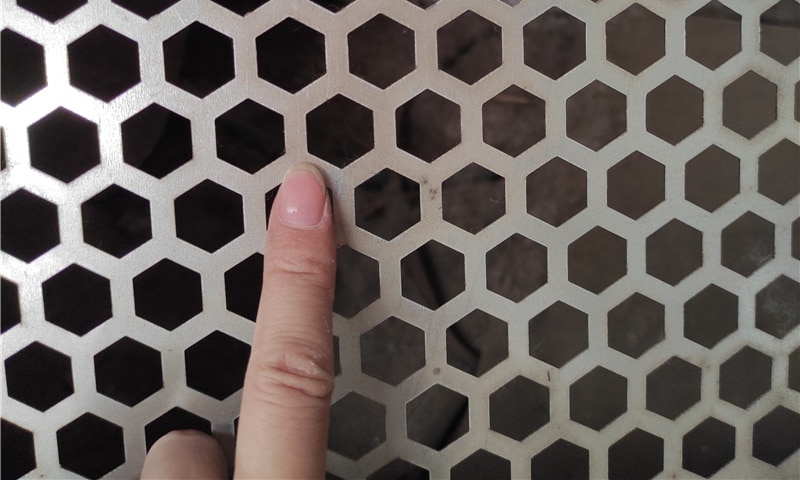
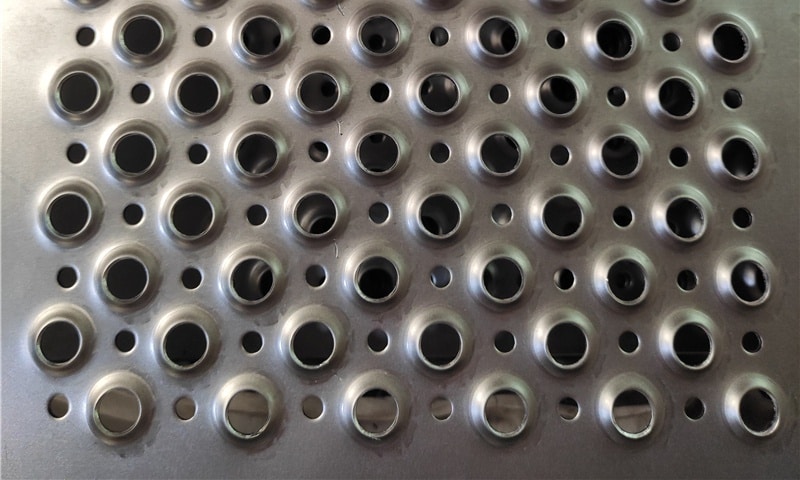
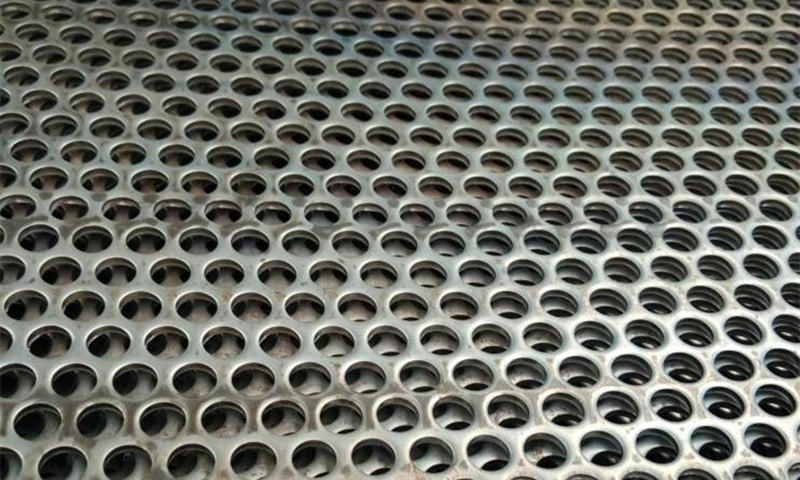
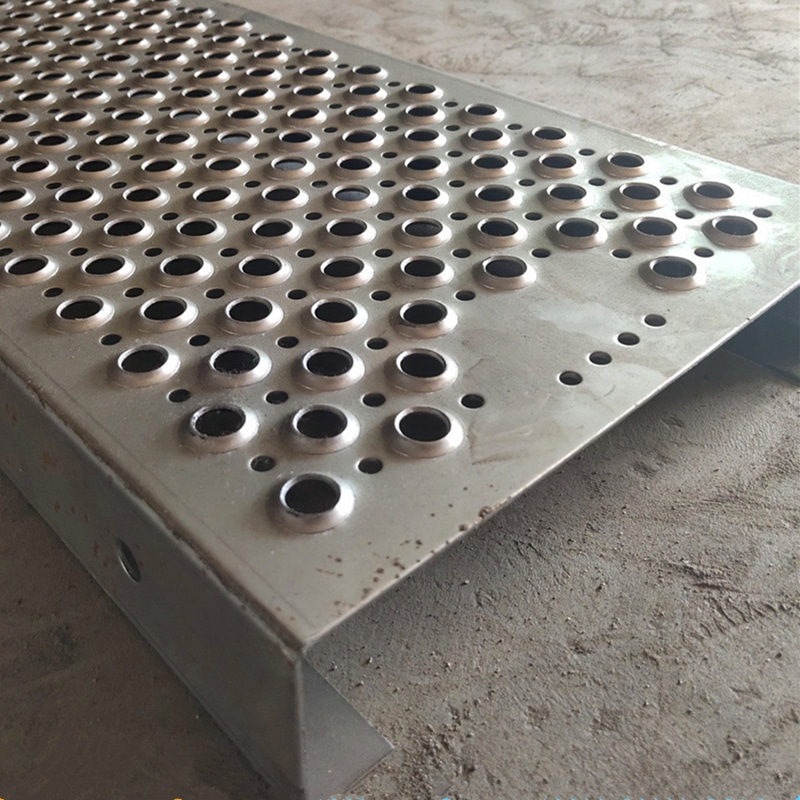
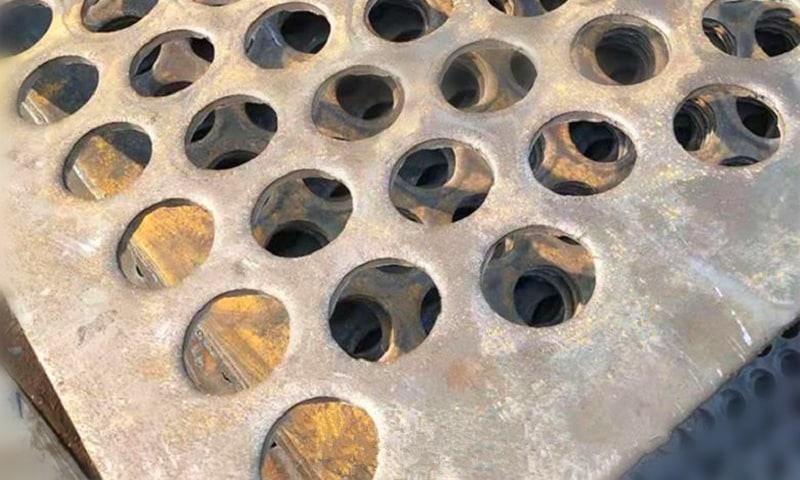
When a buyer asks for a black steel perforated sheet, they are almost always referring to carbon steel perforated sheet metal supplied without galvanizing, painting, or powder coating. In other words, the material is delivered in its bare steel condition, directly after punching and basic processing.
This terminology is common among contractors, OEM buyers, and metal service centers where surface treatment is handled later in the supply chain rather than at the mill or fabricator.
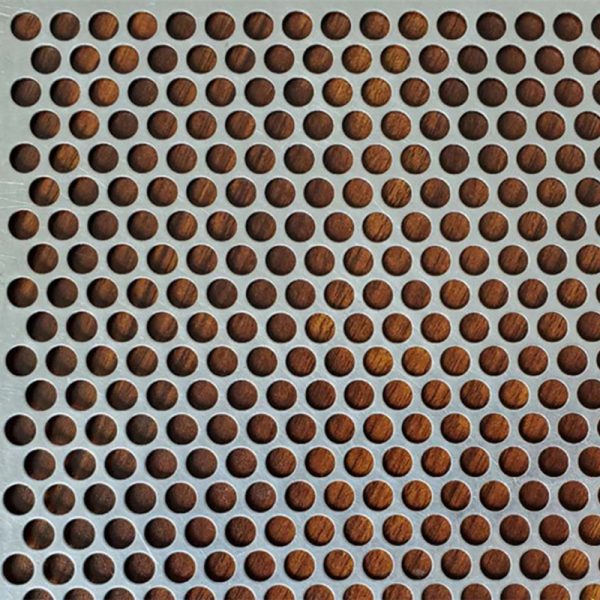
Carbon Steel Perforated Metal Sheets
We work with buyers and engineers who need carbon steel perforated sheets that are practical to manufacture and reliable in use.
If you’re preparing an RFQ or want to confirm specifications before sourcing, a short conversation often saves time on both sides.
Contact us via WhatsApp to talk through the details:
Typical Delivery Condition of Black Steel Perforated Sheets
From a manufacturing perspective, a black steel perforated sheet is usually supplied in one of the following states:
- Cold-rolled or hot-rolled carbon steel base material
- CNC punched perforation patterns
- Flattened and leveled after punching
- Light mill oil or temporary anti-rust oil (optional)
- No permanent rust protection applied
Visually, these sheets appear dark gray to black, especially if hot-rolled steel is used. This is where the term “black steel” originally came from—not from color coating, but from oxide scale on untreated steel surfaces.
At this stage, the material is technically complete for structural use, but not protected for long-term exposure.
Why Black Steel Perforated Panels Rust So Easily
Bare carbon steel reacts quickly with moisture and oxygen. Without any zinc layer or coating barrier, oxidation begins as soon as the material is exposed to:
- Humid air
- Rain or condensation
- Coastal or marine environments
- Industrial atmospheres
This is why black steel perforated sheet metal is not intended for direct outdoor use unless further protection is applied.
For B2B buyers, this is not a flaw—it’s a cost and process decision. Many projects intentionally choose untreated perforated panels so they can control coating specifications later, ensuring compatibility with their assembly or installation system.

Common Post-Treatment Options for Rust Protection
To convert black steel perforated sheets into durable, application-ready products, several post-processing routes are widely used in the market.
Primer Coating (Shop Primer)
Applying a primer is often the minimum protection solution. It slows down oxidation during storage and transport and prepares the surface for final painting.
- Low initial cost
- Suitable for indoor or temporary applications
- Not recommended for exterior use by itself
Powder Coating
Powder coating adds both aesthetic value and corrosion resistance. It is commonly used when perforated panels are visible or part of architectural systems.
- Uniform coating over perforation edges
- Wide color options
- Best for dry or semi-outdoor environments
However, proper surface preparation is critical. Powder coating over untreated black steel without pretreatment can significantly reduce coating life.
Hot-Dip Galvanizing
For projects requiring long-term rust protection, hot-dip galvanizing is the most reliable solution.
- Thick zinc layer protects all punched edges
- Excellent performance in outdoor and industrial environments
- Ideal for walkways, screens, safety panels, and infrastructure
In many projects, buyers order black steel perforated sheets first, then send them for galvanizing locally to meet regional standards.

Why Some Buyers Still Specify “Black Steel”
Despite the corrosion risk, black steel perforated panels remain widely used in industrial supply chains for several reasons:
- Lower upfront material cost
- Maximum flexibility for custom coatings
- Easier welding and fabrication before coating
- Better control over final surface specifications
For large-scale engineering projects, this approach often reduces overall project risk by keeping coating decisions closer to the final installation environment.
Choosing the Right Starting Point for Your Project
If your application involves perforated metal for structural, screening, or airflow purposes, the key question is not whether black steel is “good” or “bad.”
The real question is where in your process surface protection should occur.
An experienced perforated metal manufacturer will help clarify:
- Base carbon steel grade selection
- Punching method and edge quality
- Flatness control before coating
- Compatibility with your chosen rust protection method
Understanding what “black steel perforated sheet” means in practice helps avoid miscommunication, unexpected corrosion, and costly rework later.