In industrial environments, machine safety guards are not optional add-ons — they are engineered components that directly affect worker safety, equipment reliability, and long-term operating costs. Among the many materials available, 5052 aluminum alloy paired with round hole perforation patterns has become a preferred solution for manufacturers designing heavy-duty machine guards and safety enclosures.
Drawing on years of CNC punching and perforated metal fabrication experience, this article explains why 5052 aluminum delivers the right balance of strength, formability, corrosion resistance, and visual transparency for modern industrial machine guarding.

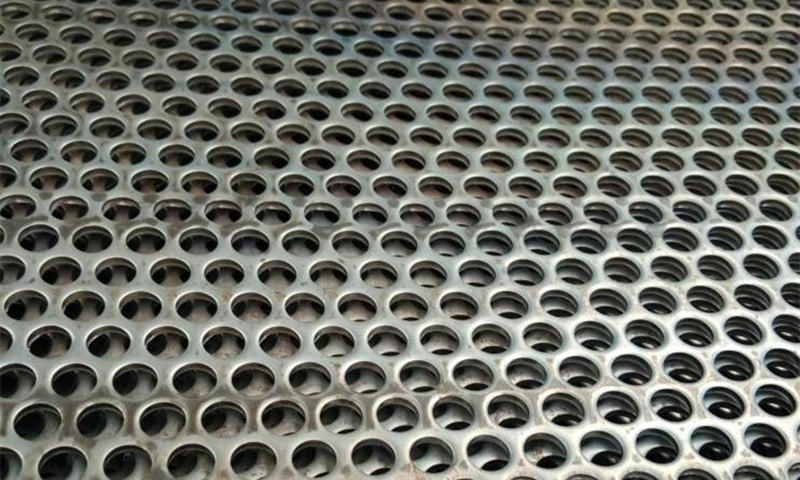
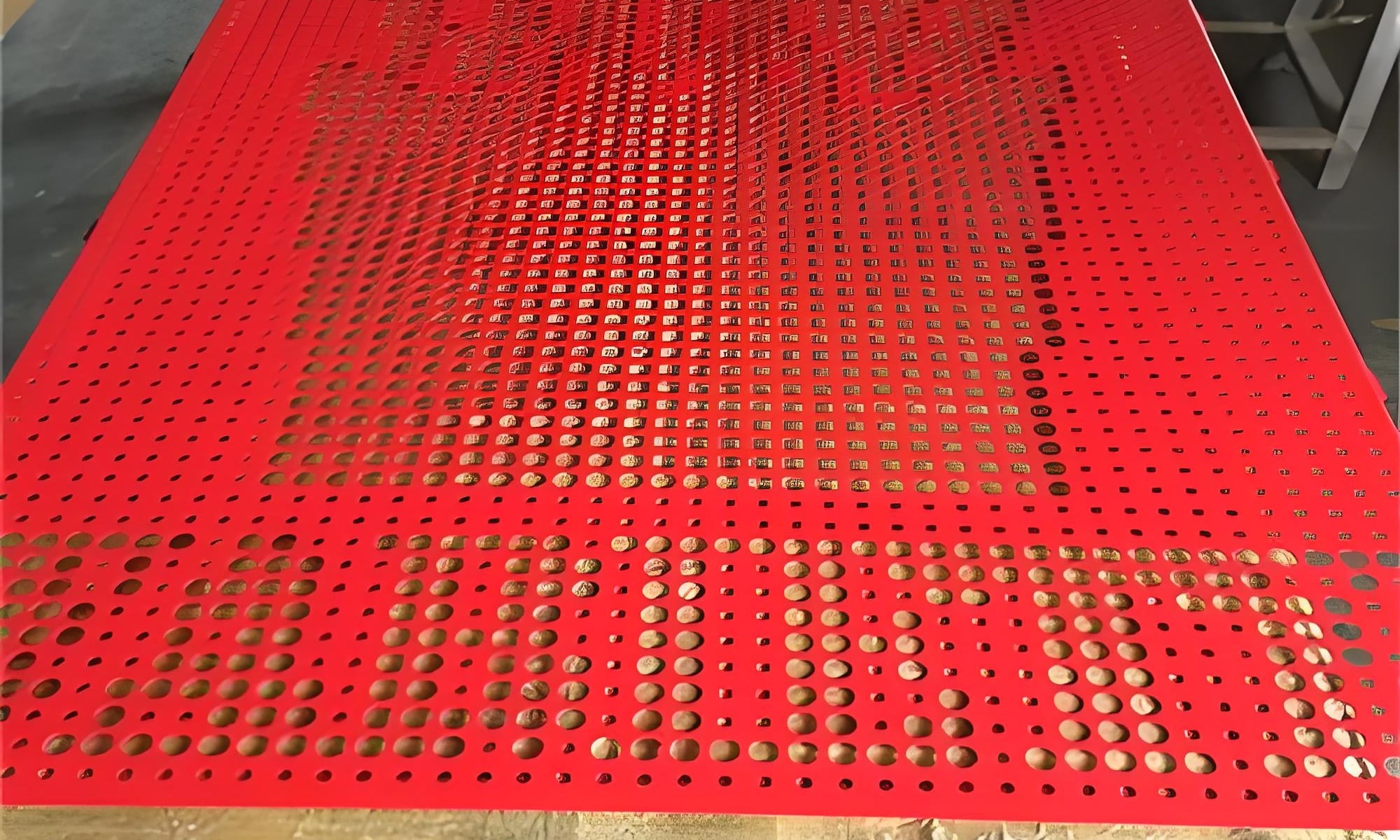
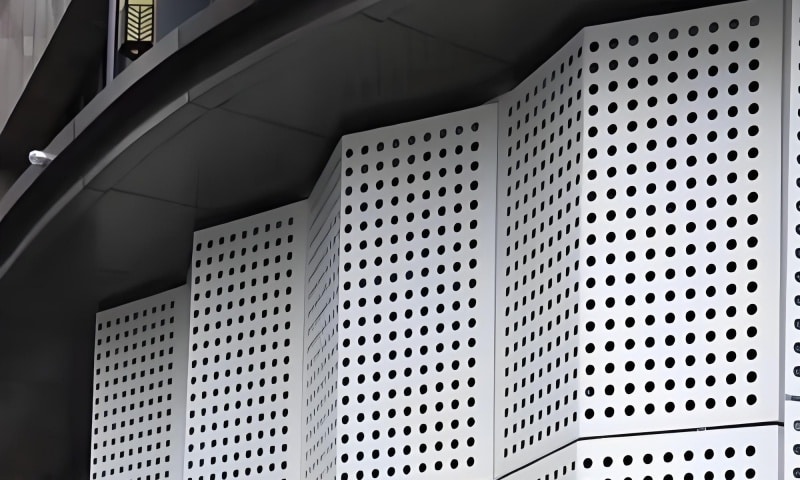
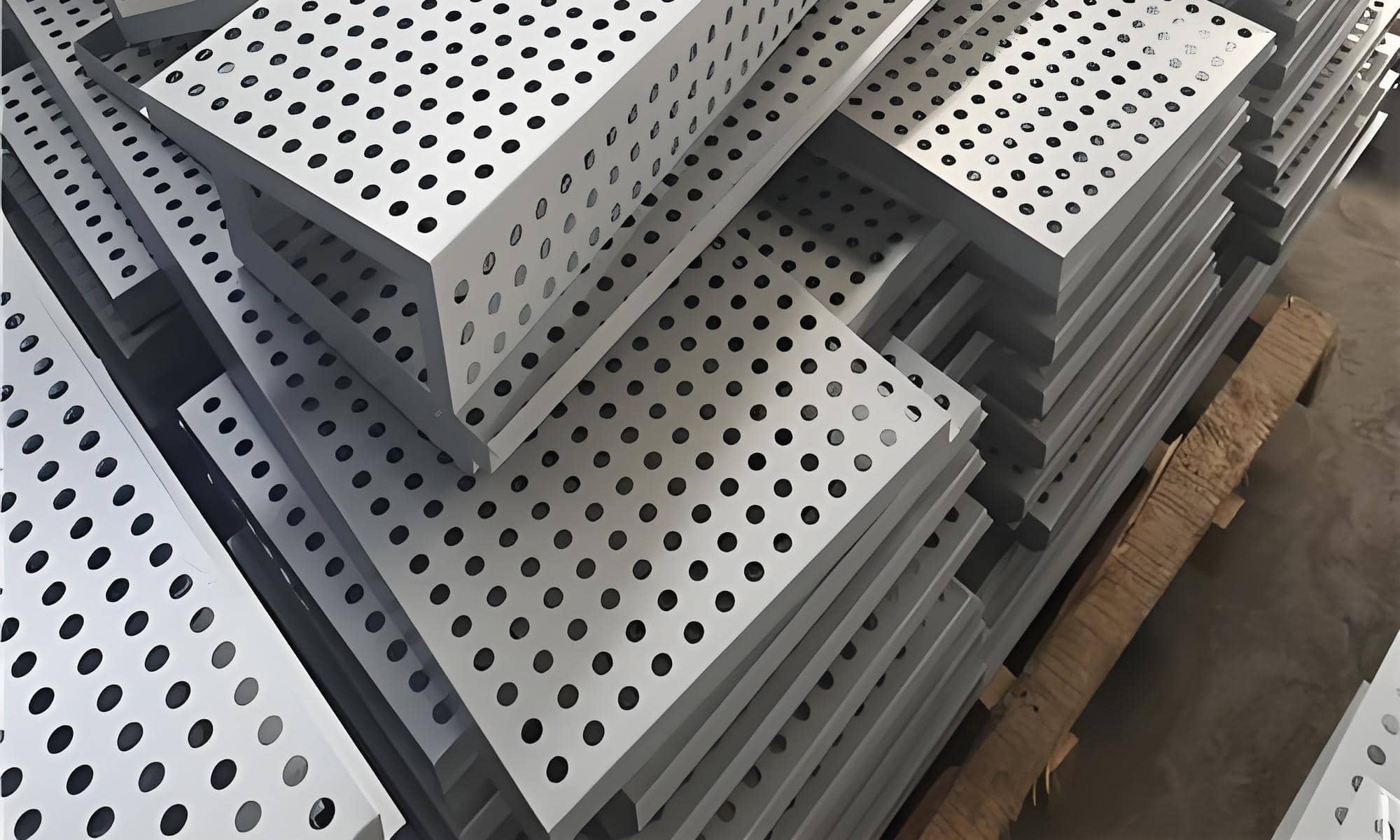
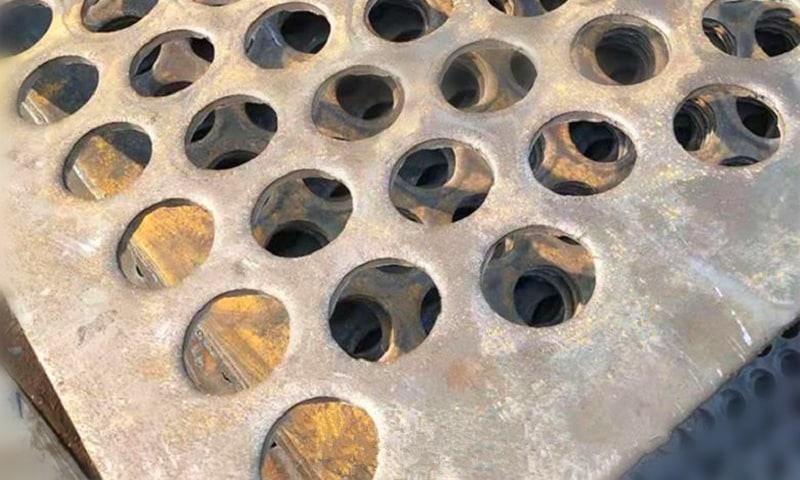
Round Hole Perforated Metal Sheets
Custom perforated metal sheets with precise hole patterns in various materials: stainless steel, aluminum, galvanized steel, carbon steel, copper, brass, and plastic. Durable and corrosion-resistant.
Perfect for architectural screens, machinery guards, acoustic panels, and decorative elements. Factory-direct pricing with cutting/bending services. Request quote or sample today.
Why Material Selection Matters for Machine Guards
Machine guards must meet multiple functional requirements at once:
- Withstand mechanical stress and vibration
- Resist corrosion from oils, coolants, and humid environments
- Allow airflow for heat dissipation
- Maintain visibility for operators and maintenance teams
- Remain lightweight enough for safe handling and installation
Selecting the wrong alloy can lead to deformation, cracking around punched holes, or premature failure. That’s where 5052 aluminum alloy stands out compared to lower-grade aluminum or mild steel alternatives.
Tensile Strength and Durability of 5052 Aluminum
5052 aluminum is classified as a non-heat-treatable aluminum-magnesium alloy, known for its excellent mechanical stability under repeated stress.
Key performance advantages include:
- Higher tensile strength than common 3003 aluminum
- Excellent resistance to fatigue cracking around punched round holes
- Strong edge retention after CNC punching and forming
For round hole machine guards, this means the sheet maintains structural integrity even with high open-area percentages, reducing the risk of warping or elongation over time.
From an engineering perspective, 5052 aluminum provides enough strength to meet industrial safety requirements while remaining significantly lighter than steel — a critical factor in modular guard systems and hinged enclosures.

Round Hole Patterns: Strength with Visibility
Round holes are the most widely used perforation pattern for machine guards, and for good reason.
Structural Advantages of Round Holes
- Even stress distribution around each hole
- Reduced crack initiation compared to slotted or decorative patterns
- Ideal compatibility with CNC punching tools for high repeatability
Visual Transparency for Operators
Round holes offer excellent sightlines into machinery without compromising safety. Operators can monitor moving components, detect abnormal vibrations, and perform visual inspections without removing the guard — improving both productivity and safety compliance.
When combined with 5052 aluminum, round hole perforations achieve an optimal balance between open area, strength, and clean industrial aesthetics.
Corrosion Resistance in Real Industrial Conditions
Unlike coated steel guards that rely on surface protection alone, 5052 aluminum has inherent corrosion resistance, particularly in environments exposed to:
- Moisture and humidity
- Cutting fluids and lubricants
- Mild chemical cleaning agents
This makes round hole aluminum perforated screens especially suitable for manufacturing plants, food processing areas, and equipment enclosures where long service life and reduced maintenance are critical.
CNC Punching Performance and Fabrication Reliability
From a manufacturing standpoint, 5052 aluminum performs exceptionally well during CNC punching:
- Clean hole edges with minimal burr formation
- Consistent hole geometry across large production runs
- Excellent formability for bending, flanging, and frame mounting
For B2B buyers, this translates into predictable quality, tighter tolerances, and fewer downstream issues during installation or assembly.
A Practical Choice for Industrial Safety Standards
5052 aluminum round hole machine guards are widely used in:
- Automated production lines
- Conveyor systems
- Robotics enclosures
- Mechanical equipment safety covers
Their combination of strength, corrosion resistance, airflow, and visibility makes them compliant with common industrial safety expectations while remaining cost-effective over the product lifecycle.
Final Thoughts from the Manufacturing Floor
In real-world production, the best material is not defined by a single property — it’s defined by how well it performs across years of use. Based on extensive fabrication and application experience, 5052 aluminum remains one of the most reliable alloys for heavy-duty round hole machine guards.
For engineers, purchasers, and project managers, choosing the right alloy upfront reduces maintenance, improves safety outcomes, and supports consistent manufacturing quality — all of which matter in today’s competitive industrial environment.