Understanding Grade 430 in Stainless Steel Round Hole Perforated Sheets
When specifying Round Hole Stainless Steel Perforated Sheets for industrial or architectural use, material selection is often where performance and cost intersect. Grade 430 stainless steel is frequently considered a practical alternative to austenitic grades like 304—especially when corrosion resistance requirements are moderate and budget sensitivity is high.
Grade 430 belongs to the ferritic stainless steel family, which means it contains chromium (typically 16–18%) but little to no nickel. This composition directly influences its magnetic behavior, corrosion resistance, and price point—three factors that matter in real-world B2B procurement decisions.

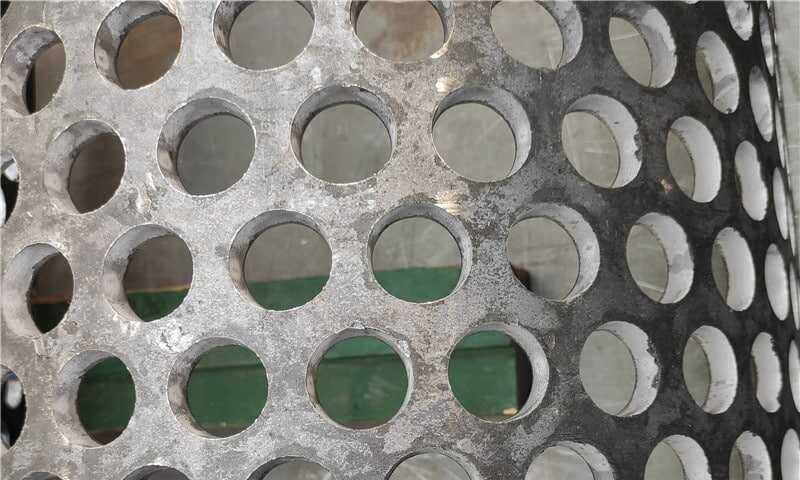
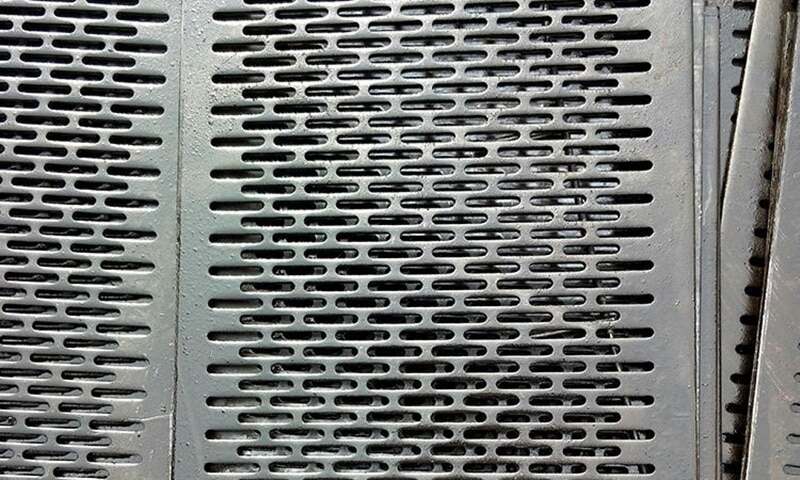
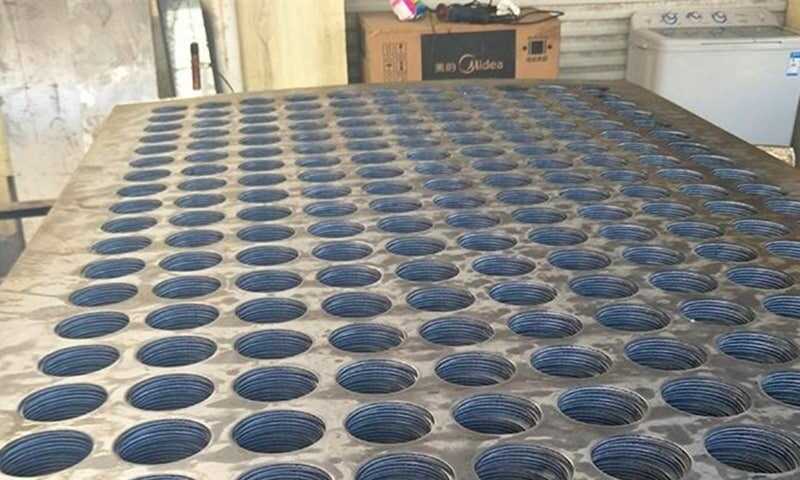
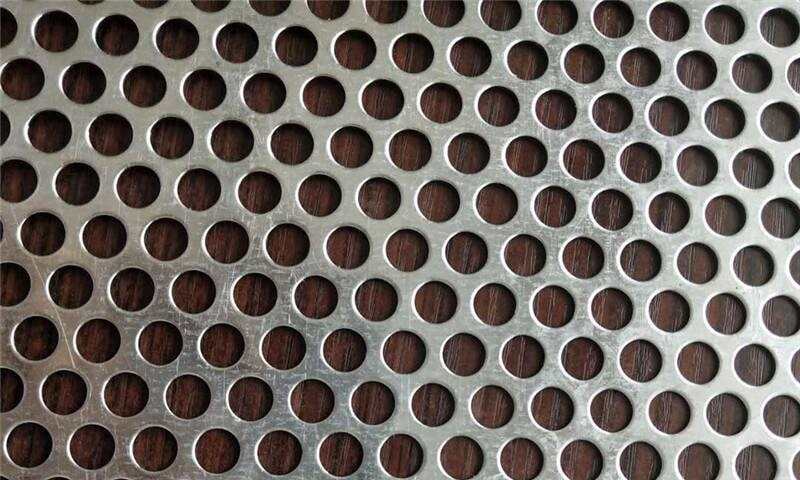
Stainless Steel Perforated Metal Sheets
Stainless steel perforated sheet is a commonly used material in both architectural and industrial applications. It offers stable corrosion resistance and good fabrication flexibility.
Hole patterns, open area, dimensions and surface finishes can all be customized according to project drawings. Typical uses include facades, ventilation and filtration, partitions and equipment protection.
Feel free to view the product details or contact us for samples and pricing information.
Magnetic Properties: When It Matters in Real Applications
One of the defining characteristics of Grade 430 is that it is magnetic. Unlike 304 or 316, which are non-magnetic in most conditions, 430 responds to magnetic fields due to its ferritic structure.
Where magnetism becomes useful:
- Appliance filtration systems where components must align or stay fixed within magnetic assemblies
- Industrial safety screens that require quick positioning or removable panels
- OEM equipment housings where magnetic fastening simplifies maintenance
From a fabrication standpoint, CNC punching processes for round hole patterns are not negatively affected by this magnetic property. However, downstream applications—especially in automation or electrical environments—can benefit from it.
Cost Advantage Without Overengineering
In many procurement scenarios, engineers are not just solving for performance—they are optimizing total project cost. This is where Grade 430 becomes highly competitive.
Why 430 is more affordable:
- No nickel content (nickel is one of the most volatile cost drivers in stainless steel)
- Stable supply chain compared to higher alloy grades
- Lower raw material cost translates directly to finished perforated sheet pricing
For buyers sourcing Stainless Steel Round Hole Perforated Sheets in volume, especially for large filtration panels or protective guards, the savings can be significant without sacrificing functional integrity.
Corrosion Resistance: Best Fit for Dry or Controlled Environments
Grade 430 offers moderate corrosion resistance, making it suitable for environments that are not aggressively corrosive.
Ideal application environments:
- Indoor architectural panels
- HVAC intake filters
- Appliance back panels and ventilation covers
- Dry processing facilities
Limitations to consider:
- Not recommended for marine or high-salinity environments
- Limited resistance to acidic or chemical exposure compared to 316
For buyers in industries like home appliances or indoor air systems, 430 provides a balanced solution—adequate protection without the premium cost of higher-grade alloys.

Round Hole Performance in Filtration and Safety Applications
Round hole perforation is one of the most versatile and widely used patterns in the metal sheet industry. When combined with Grade 430 stainless steel, it creates a practical solution for both filtration and safety screening.
Key benefits in round hole configurations:
- Uniform airflow control for HVAC and appliance filtration
- Consistent particle separation in light-duty industrial filtering
- Structural integrity maintained even at high open-area ratios
- Clean, deburred edges achievable through precision CNC punching
In safety applications, such as machine guards or protective enclosures, round hole sheets offer visibility while maintaining physical barriers—an important requirement in OSHA-aligned industrial environments.
Fabrication Considerations for CNC Punching
From a manufacturing perspective, Grade 430 performs reliably in CNC punching operations used to produce round hole perforated sheets.
What fabricators should know:
- Good formability for standard punching and light forming
- Lower work hardening compared to austenitic grades
- Requires proper tooling to avoid edge cracking in tighter tolerances
For high-volume production runs, 430 can improve throughput efficiency due to its predictable mechanical behavior.
When Should You Choose Grade 430?
Choosing the right material always comes down to application priorities. Grade 430 is a strong candidate when:
- The environment is dry or mildly corrosive
- Magnetic properties are beneficial or required
- Cost control is a key decision factor
- The application involves appliance components, filtration panels, or safety guards
However, if your project involves outdoor exposure, chemical processing, or marine conditions, upgrading to 304 or 316 may be a safer long-term investment.
Final Thoughts for B2B Buyers
For many industrial buyers, the decision isn’t about choosing the “best” material—it’s about choosing the most appropriate one. Grade 430 stainless steel, when paired with round hole perforation, offers a compelling mix of affordability, functionality, and manufacturability.
If your application aligns with its strengths, Stainless Steel Round Hole Perforated Sheets in Grade 430 can deliver reliable performance without unnecessary cost escalation.