Understanding Heavy Duty Perforated Plates in Industrial Applications
In industrial environments where structural strength, load-bearing capacity, and long-term durability are non-negotiable, heavy duty perforated plates play a critical role. Unlike standard perforated sheets used for decorative or light screening purposes, heavy duty perforated plates are engineered for high-stress, high-impact, and continuous-duty applications across construction, mining, material handling, energy, and manufacturing sectors.
This specification-focused article is designed to help engineers, procurement managers, and OEM buyers clearly understand heavy duty perforated plate specifications and how to select the right configuration for real-world industrial use.

Heavy Duty Perforated Plates
Need a custom heavy-duty perforated plate?
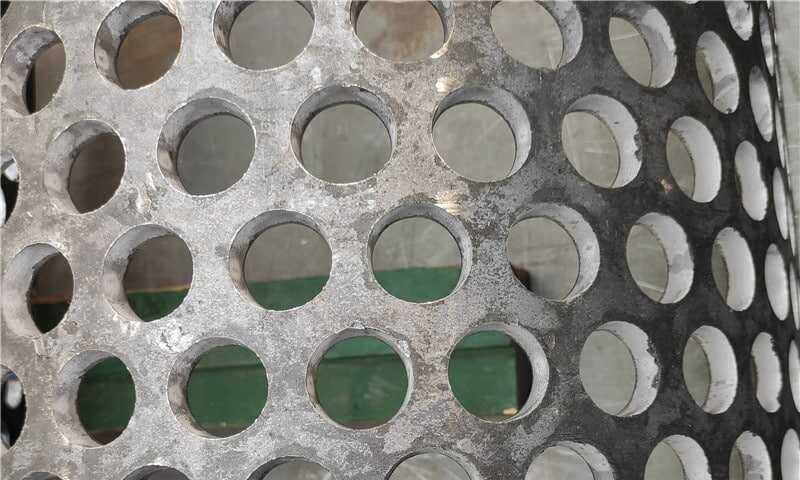
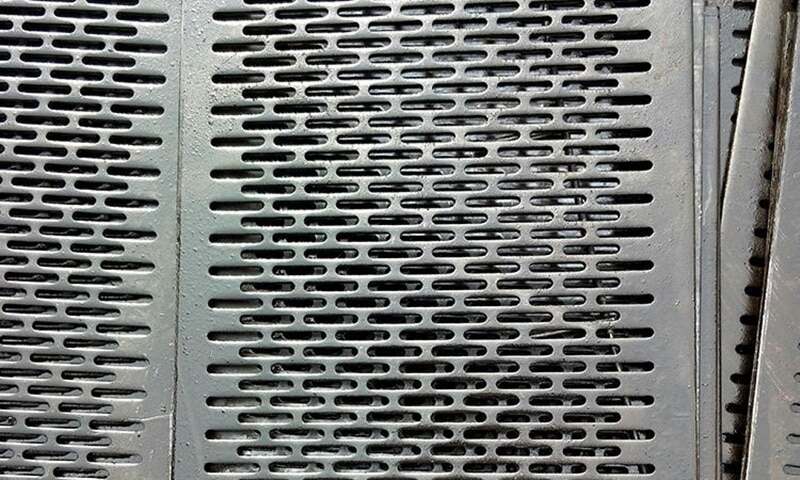
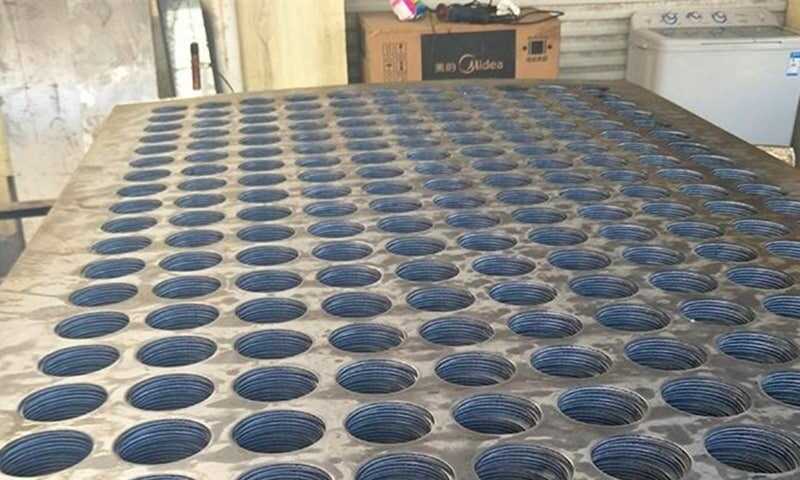
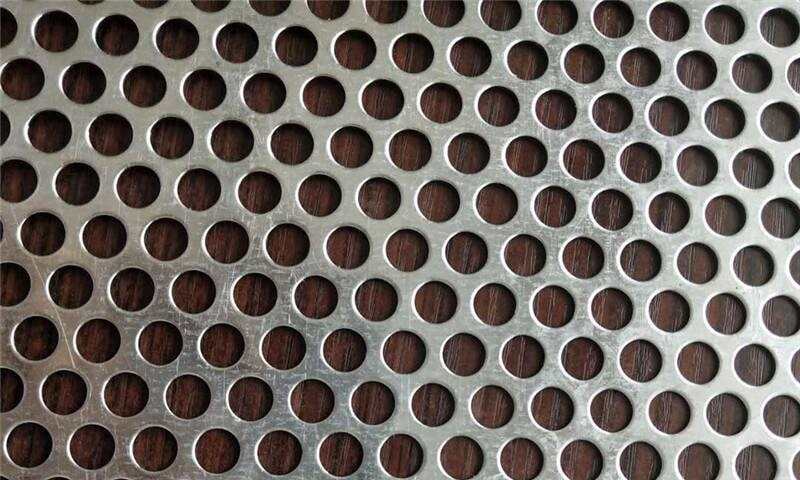
We offer perforated plates with thickness ranging from 2.75mm to 30mm, and up to 6000×1500mm in size, available in round, square, hexagonal, and slotted patterns.
Additionally, we provide precise cutting, surface protection, and other processing services tailored to meet industrial installation requirements.
Feel free to contact us anytime, and we’ll provide a personalized solution that perfectly matches your project needs.
Plate Thickness and Load Performance
Standard Thickness Range for Heavy Duty Use
Thickness is the first defining factor that separates heavy duty perforated plates from conventional perforated metal sheets. In industrial settings, plate thickness directly impacts load resistance, vibration tolerance, and service life.
Typical heavy duty perforated plate specifications include:
- Minimum thickness: 3.0 mm (11 gauge)
- Common industrial range: 4.0 mm – 12.0 mm
- Custom heavy structural plates: Up to 20 mm or thicker upon request
Thicker plates are commonly specified for:
- Walkways and platforms
- Screening decks and sorting equipment
- Machine guards exposed to impact
- Structural reinforcements and support panels
For exact values, designers should refer to the detailed thickness and load tables available in the product specification section on the page.
Sheet Size and Dimensional Tolerances
Standard Sheet Sizes
Heavy duty perforated plates are typically supplied in plate formats rather than lightweight coils, ensuring dimensional stability during punching and downstream fabrication.
Common sheet sizes include:
- 1000 × 2000 mm
- 1219 × 2438 mm (4′ × 8′)
Custom Plate Dimensions
For industrial projects, non-standard sizes are frequently required to reduce welding, cutting, and on-site labor. CNC punching allows precise control over:
- Overall plate dimensions
- Flatness tolerances
- Edge margins and non-perforated zones
Exact dimensional tolerances and flatness specifications are typically defined in the parameter table and technical drawings linked on this page.

Material Options for Heavy Duty Perforated Plates
Carbon Steel (Mild Steel)
Carbon steel remains the most commonly specified material due to its strength, cost-efficiency, and ease of fabrication. It is widely used in:
- Structural flooring
- Conveyor guards
- Industrial partitions
Surface treatments such as powder coating, galvanizing, or painting are often applied for corrosion protection.
Stainless Steel Grades
For corrosive, hygienic, or high-temperature environments, stainless steel perforated plates are preferred.
Common grades include:
- 304 stainless steel – general corrosion resistance
- 316 stainless steel – marine, chemical, and coastal environments
These materials are frequently specified in food processing plants, wastewater facilities, and offshore projects.
Aluminum and High-Strength Alloys
Aluminum heavy duty perforated plates are selected when weight reduction is critical without sacrificing rigidity. Specialized alloys are also used in transportation and equipment manufacturing.
Material selection guidance can be cross-referenced in the material comparison table on the product page for faster decision-making.
Hole Types and Punching Patterns
Common Hole Shapes
Hole geometry affects airflow, drainage, screening efficiency, and structural integrity. Heavy duty perforated plate specifications typically include:
- Round holes – balanced strength and open area
- Square or rectangular holes – increased throughput
- Slot holes – directional flow and screening control
- Custom geometric patterns – project-specific performance
Hole Diameter and Open Area Control
In heavy duty applications, hole diameter must be balanced with plate thickness to avoid deformation during punching and service. Typical configurations prioritize:
- Structural safety
- Controlled material flow
- Reduced wear and clogging
Detailed open area percentages and hole size charts are usually provided in the specification table section.
Manufacturing Method and Quality Control
CNC Punching for Heavy Gauge Plates
Heavy duty perforated plates require high-tonnage CNC punching equipment capable of handling thick materials without distortion. Key manufacturing considerations include:
- Punch tool wear control
- Heat management during punching
- Burr minimization
All plates should be inspected for:
- Hole accuracy
- Edge consistency
- Flatness and structural integrity
Reliable manufacturers back these processes with traceable quality inspection data and material certifications.
Specification Tables and Engineering Support
To support engineering documentation and procurement efficiency, all heavy duty perforated plate specifications should be clearly presented in:
- Thickness tables
- Hole size and pitch charts
- Material grade summaries
- Tolerance and flatness data
These detailed specification tables are available directly on this product page, allowing engineers to confirm parameters quickly and link them into project drawings or RFQs.
Why Specification Accuracy Matters for B2B Buyers
In industrial and construction projects, specification errors lead to:
- Rework and installation delays
- Unexpected load failures
- Increased total project cost
Using clearly defined, manufacturer-verified heavy duty perforated plate specifications helps ensure:
- Compliance with structural and safety requirements
- Faster approval cycles
- Predictable performance over the product lifecycle
Conclusion: Selecting the Right Heavy Duty Perforated Plate
Choosing the right heavy duty perforated plate is not just about thickness or hole size. It requires a full understanding of application demands, material behavior, manufacturing limits, and long-term operating conditions.
By referencing accurate heavy duty perforated plate specifications and working with experienced CNC punching manufacturers, B2B buyers can confidently specify plates that meet both technical and commercial requirements.