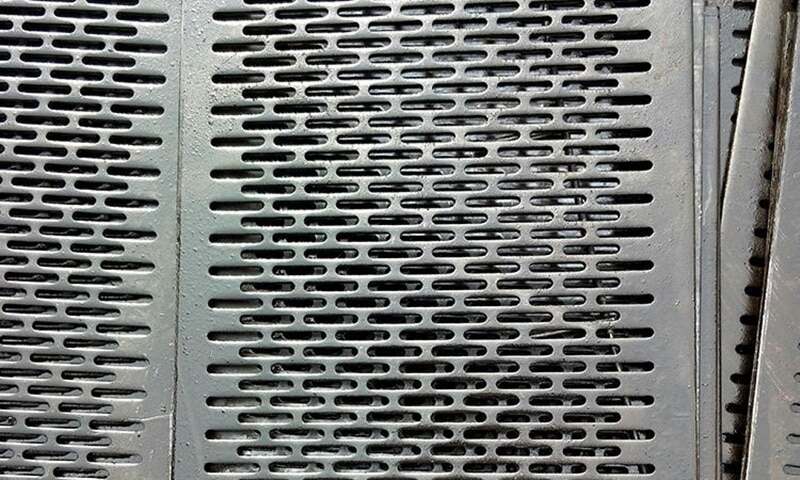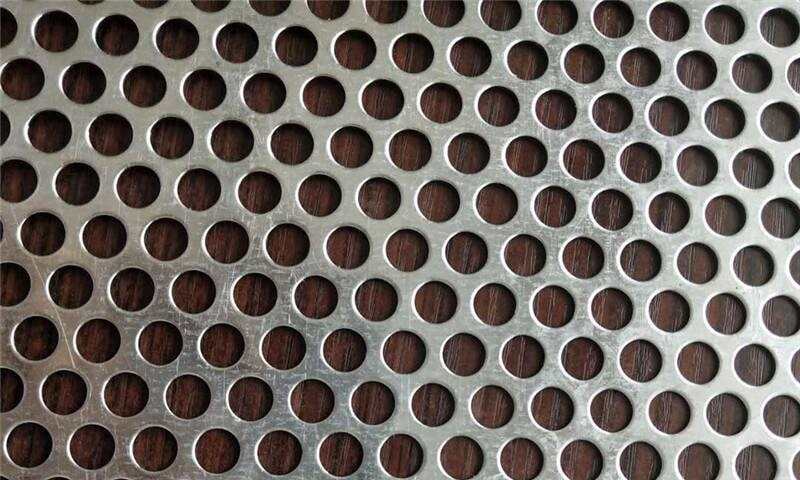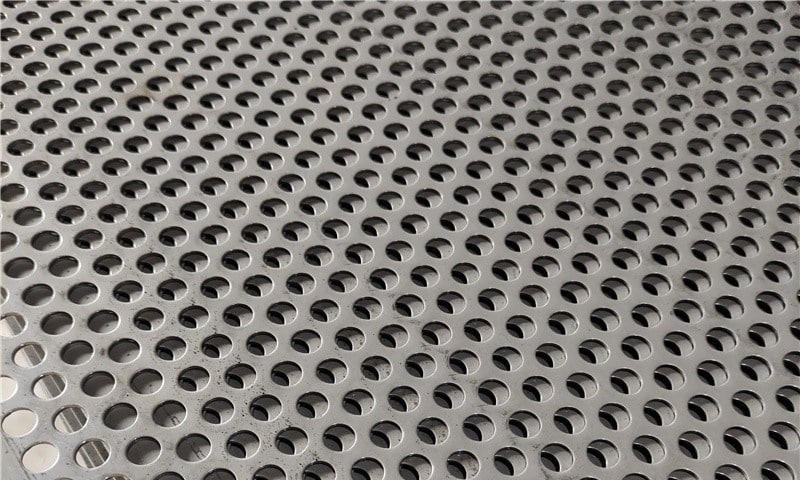
Why engineers choose round hole perforated metal screens
Round hole perforated metal screens are a go-to solution when industrial teams need a single component to do two things well: filter process streams and protect people and equipment. In chemical processing, mining, and heavy manufacturing, designers look for robust, predictable performance. Properly specified round hole perforated screens deliver predictable open area, straightforward flow characteristics, and structural strength — all of which reduce operational risk and simplify maintenance planning.
Proven in the field: filtration + protection
We’ve installed and tested these screens on skid-mounted filters, inlet housings, platform guards, and crusher guards. In those roles they reduce particle load into downstream systems while creating physical barriers that stop accidental contact with rotating parts or loose rock. That dual-use capability shortens part lists, lowers installed cost, and reduces failure modes compared with combining a fine filter and a separate safety guard.

Round Hole Perforated Metal Sheets
Custom perforated metal sheets with precise hole patterns in various materials: stainless steel, aluminum, galvanized steel, carbon steel, copper, brass, and plastic. Durable and corrosion-resistant.
Perfect for architectural screens, machinery guards, acoustic panels, and decorative elements. Factory-direct pricing with cutting/bending services. Request quote or sample today.
Key technical factors to specify
When you’re writing procurement specs or comparing quotes, pay attention to these engineering variables — they determine both filtration performance and safety capability.
Material and corrosion resistance
Choose materials to match the process environment. Common choices are stainless steels (for chemical resistance) and mild or high-strength carbon steels (for impact-prone mining environments). Material selection directly affects maintenance intervals, welding/attachment methods, and surface treatments such as passivation or specialty coatings.
Hole diameter, pitch, and open area
Hole diameter and the pitch (center-to-center spacing) set the mesh’s retention rating and free area. Typical ranges:
- Fine filtration: 0.5 mm to 3 mm holes (high open area management required).
- General screening / guarding: 3 mm to 25 mm holes.
- Heavy screening / visible guarding: 25 mm to 50 mm holes.
Open area (percent of open surface) controls pressure drop. Higher open area improves flow but reduces structural stiffness — use backing support or thicker gauges for high-open-area panels that must also resist impact.
Thickness and load-bearing capacity
Gauge/thickness impacts both structural performance and punch tolerance. For guarding and fall-protection roles in mining, thicker gauges (and heavier framing) are common. For filtration where pressure drop and weight matter, thinner gauges with welded support frames are typical. Specify maximum deflection under expected loads and any impact energy the panel must withstand.
Tolerances and finish
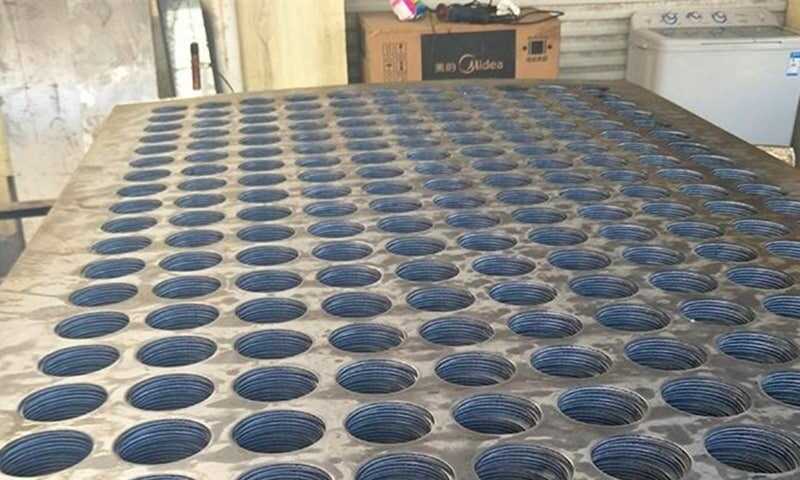
CNC punching delivers consistent hole geometry and tight tolerances. Specify punching tolerances and any secondary finishing (deburring, edge-folding, powder coating) that matter for installation safety and service life.
Application-specific guidance
Chemical processing
In corrosive or high-temperature environments, specify corrosion-resistant alloys and controlled surface finishes. For filtration applications, design for cleanability — consider access for backwashing or media change and choice of hole size to minimize blinding.
Mining and aggregate
Durability and impact resistance are primary. Use heavier gauges, reinforced ribs, and mechanical fasteners sized for shock loads. Screens used as personnel guards should be integrated with handrail and platform systems to meet site-specific safety practices.
Installation, inspection, and maintenance best practices
- Mount screens with full support to avoid localized bending and fatigue.
- Design for ease of removal: quick-release fasteners or hinged access reduce downtime.
- Inspect for wear and hole elongation at scheduled intervals — a perforated panel will lose filtration performance before it fails structurally.
- Clean-by-design: if the application produces sticky or fibrous solids, specify cleaning access or a removable modular element.
Market considerations and ROI
From a procurement standpoint, consolidating filtration and guarding into a single engineered part often reduces installed weight, BOM complexity, and inspection points. For B2B buyers, the total cost of ownership (TCO) improves when panels are specified with the right material, finish, and support structure for the expected duty cycle. Ask suppliers for evidence of production control (punch program records), material traceability, and field case studies relevant to your sector.
How to pick the right supplier
Choose a partner who can:
- Show practical field experience in chemical, mining, or manufacturing installations.
- Provide clear drawings and material certificates.
- Offer prototyping or sample screening so you can verify flow and visibility before committing to full production.