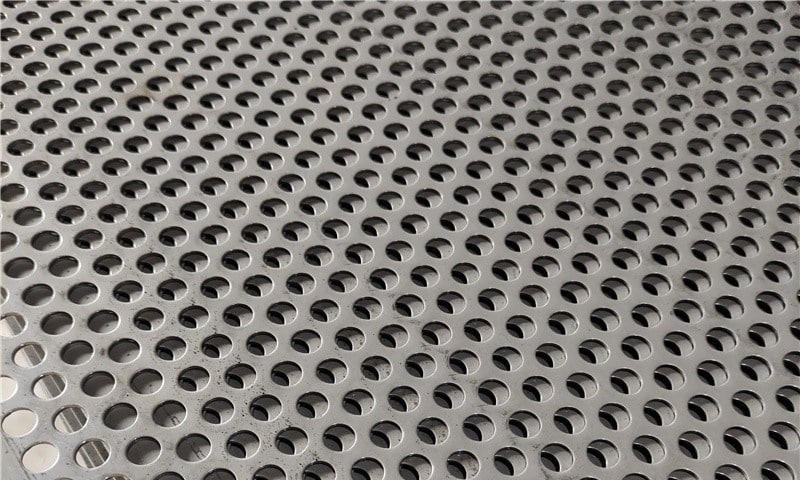
Why “A Short Spec” Beats 10 Back-and-Forth Emails
If you buy aluminum perforated sheet metal often enough, you’ve probably seen it: the drawing looks fine, but key details are missing—then the quote comes back with assumptions, and the lead time shifts after clarification.
In our CNC turret punching work, the fastest way to get an accurate price and a reliable schedule is a clear, one-line spec that covers the few items that actually drive cost, scrap, and production speed. Below is the same spec format we use internally when we review inquiries for perforated aluminum sheet.
Copy-Paste: One-Line Spec Template (Send This for a Quote)
Here’s a simple spec you can paste into an email or RFQ:
Perforated aluminum sheet metal: Material ___ (e.g., 5052-H32 / 3003-H14), Thickness ___, Hole ___ (shape + size), Pitch ___ (center-to-center), Pattern ___ (straight / 60° staggered), Sheet size ___, Open area ___ (if required), Finish ___, Qty ___, Delivery ___ (ship-to + target date).
If you only send one thing, send that.

Aluminum Perforated Metal Sheets
Send a Quick Message, We’ll Do the Rest
Tell us what you need. We’ll match the right perforated aluminum sheet and quote it — no back-and-forth.
Fast quote + lead time
Sample before production if needed
Factory direct pricing
Hole Size and Pitch: The Two Numbers That Decide Everything
Hole diameter (or slot size)
For round holes, give the hole diameter (example: 3/16″).
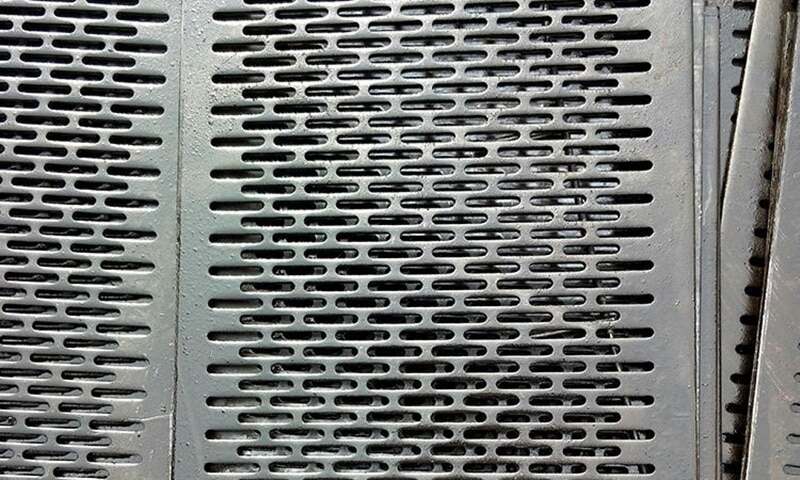
For slots, give slot width × length (example: 3/32″ × 1/2″).
Pitch (center-to-center spacing)
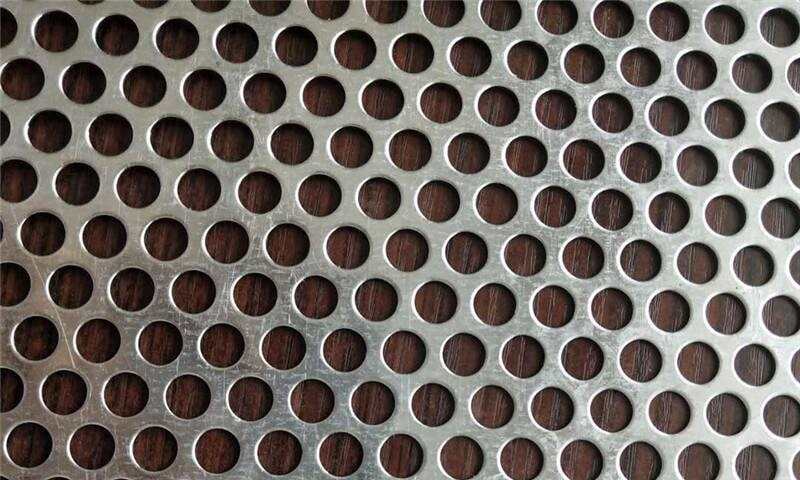
Pitch tells us how tightly holes are packed. Two patterns with the same hole size can have completely different strength, open area, and punching time depending on pitch.
Tip from the shop floor: If you’re not sure, send the hole size + a photo or reference pattern, and we can confirm a standard option that punches cleanly without distortion.
Open Area: When You Must Specify It (and When You Don’t)
Open area (percent open area) matters most for:
- ventilation and airflow panels
- filtration / screening
- acoustic panels
- light & visibility requirements in architectural panels
If your spec is driven by performance (airflow/noise), include a target open area. If it’s mainly appearance or guarding, hole size + pitch + pattern is usually enough—open area can be calculated from those.
Surface Finish: What Impacts Lead Time and Appearance
For perforated aluminum sheet, finish is often where projects get delayed—not because it’s complicated, but because it’s not decided early.
Common RFQ-ready options:
- Mill finish (fastest, most economical)
- Brushed / satin (appearance-driven, directional grain—confirm grain direction)
- Anodized (good corrosion resistance + clean look; confirm color and film requirements)
- Powder coated (color match, outdoor durability depending on system; confirm RAL if needed)
If color matters, include the RAL code. If outdoor use matters, mention exposure (coastal, industrial, interior/exterior).

Quantity and Lead Time: What We Need to Commit to a Date
To give a real lead time, we need two things that buyers often forget:
Quantity (and whether it’s one-time or repeat)
A one-off prototype and a repeat production job are quoted differently because tooling setup and nesting strategy change.
Delivery details
Include ship-to country/state (or port), and whether you need packaging requirements (palletized, interleaving paper, protective film). These details prevent damage claims and rework.
Quick Checklist Before You Hit Send
If you want the quote to be “apples-to-apples,” make sure your message includes:
- alloy + temper (or acceptable equivalents)
- thickness
- hole size + pitch + pattern
- sheet size (or cut-to-size tolerances)
- finish requirement
- quantity + required date
And if you want us to match an existing panel: send a photo, label a dimension, or share a drawing snippet.